
Navigating the process of collecting unemployment benefits in Florida can be a daunting task, especially when you’re already facing the stress of job loss. While Florida might be synonymous with sun-drenched beaches and vibrant theme parks, understanding its unemployment system is crucial for residents seeking financial assistance during transitional periods. This guide aims to demystify the application and claims process, offering clarity and actionable steps to help you secure the support you need. We will delve into eligibility requirements, the application procedure, ongoing claim management, and essential tips for a smoother experience, ensuring you can get back on your feet with greater confidence.
Understanding Eligibility and Requirements for Florida Unemployment Benefits
Before you can begin collecting unemployment benefits in Florida, it’s vital to understand if you meet the state’s eligibility criteria. The Department of Economic Opportunity (DEO), now known as Florida Department of Commerce, oversees the unemployment compensation program, ensuring that benefits are distributed to those who genuinely need them and qualify under state law. The core principles revolve around your employment history and the reason for your job separation.
Qualifying for Benefits: Your Work History and Reasons for Separation
To be eligible for Florida unemployment benefits, you must have earned a sufficient amount of wages during a specific period known as the “base period.” This base period is typically the first four of the last five completed calendar quarters before you file your claim. The DEO will review your earnings from employers who paid unemployment taxes in Florida during this time. Generally, you need to have earned at least $3,400 in wages during the base period, and at least 1.5 times your highest-paid quarter’s wages.
Beyond the wage requirement, the reason for your unemployment is a critical factor. The state distinguishes between separations for “good cause” and those that disqualify you.
- Layoffs and Reductions in Force: If you were laid off due to lack of work, company downsizing, or a reduction in force, you are generally considered eligible. This is often the most straightforward scenario for claiming benefits. For instance, if a resort like the Everglades Resort had to reduce its staff due to a seasonal downturn, those affected employees would likely qualify.
- Voluntary Separation: If you quit your job, you may still be eligible if you had “good cause” to leave. This typically means you left for compelling reasons such as unsafe working conditions, a significant reduction in hours or pay, or to move with a spouse who has been transferred for employment. Quitting simply because you found a new job that didn’t work out, or for personal convenience, usually disqualifies you.
- Misconduct: If you were fired for misconduct, you will likely be disqualified. “Misconduct” is generally defined as a willful or deliberate violation of your employer’s rules, a disregard of the employer’s interests, or a pattern of behavior that harms the employer’s business. This can include things like chronic absenteeism, insubordination, or theft. However, the DEO will investigate each case, and not every termination for cause will result in disqualification.
- Self-Employment and Gig Work: Individuals who were primarily self-employed or worked as independent contractors, even if they earned a substantial income, are generally not eligible for unemployment benefits in Florida, as these types of earnings are not typically subject to unemployment tax contributions by an employer.
Documentation and Information You’ll Need
Gathering the necessary documentation before you start your application will significantly streamline the process. You will need to provide information about your work history, including:
- Social Security Number: Your personal Social Security number is essential for verifying your identity and employment records.
- Driver’s License or State ID: A valid Florida driver’s license or state-issued identification card is required.
- Employer Information: For your most recent employer and up to your last five employers, you will need their names, addresses, phone numbers, and the dates you worked there.
- Wage Information: While the DEO will obtain wage information from employers, having your pay stubs or W-2 forms can be helpful if there are discrepancies.
- Reason for Separation: Be prepared to clearly explain why you are no longer employed. Honesty and clarity are crucial.
- Alien Registration Number (if applicable): If you are not a U.S. citizen, you will need your alien registration number and work authorization details.
Applying for Unemployment Benefits: The Step-by-Step Process
The application process for Florida unemployment benefits is primarily conducted online, making it accessible from the comfort of your home, perhaps even from a cozy apartment in Miami or a quiet villa in Orlando. The Florida Department of Commerce’s CONNECT portal is the gateway to filing your initial claim and managing your benefits.
Filing Your Initial Claim Online via CONNECT
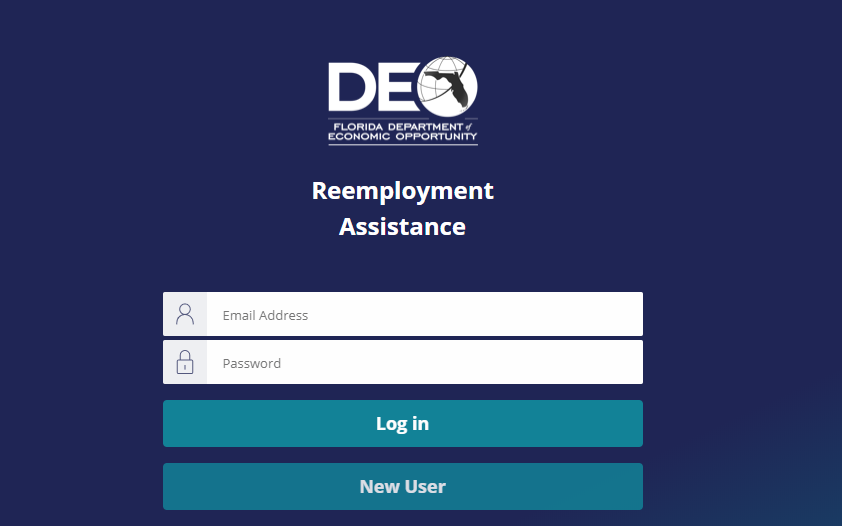
- Access the CONNECT Portal: Visit the official Florida Department of Commerce website and navigate to the CONNECT system. You will need to create an account if you don’t already have one. This involves providing your email address and creating a secure password.
- Complete the Application: Once logged in, you will be guided through a series of screens to complete your unemployment application. Be thorough and accurate in providing all requested information, including personal details, employment history, and the reason for your separation.
- Review and Submit: Before submitting, carefully review all the information you have entered for any errors or omissions. Once submitted, you will receive a confirmation that your application has been received.
- Confirmation and Next Steps: After submission, you will typically receive information about your claim status and any actions you need to take. This might include waiting for a determination from the DEO, attending a virtual orientation session, or scheduling an interview.
What to Expect After Filing Your Application
Once your application is submitted, the Florida Department of Commerce will begin processing it. This involves verifying your identity, confirming your work history, and determining your eligibility based on the information provided and employer responses.
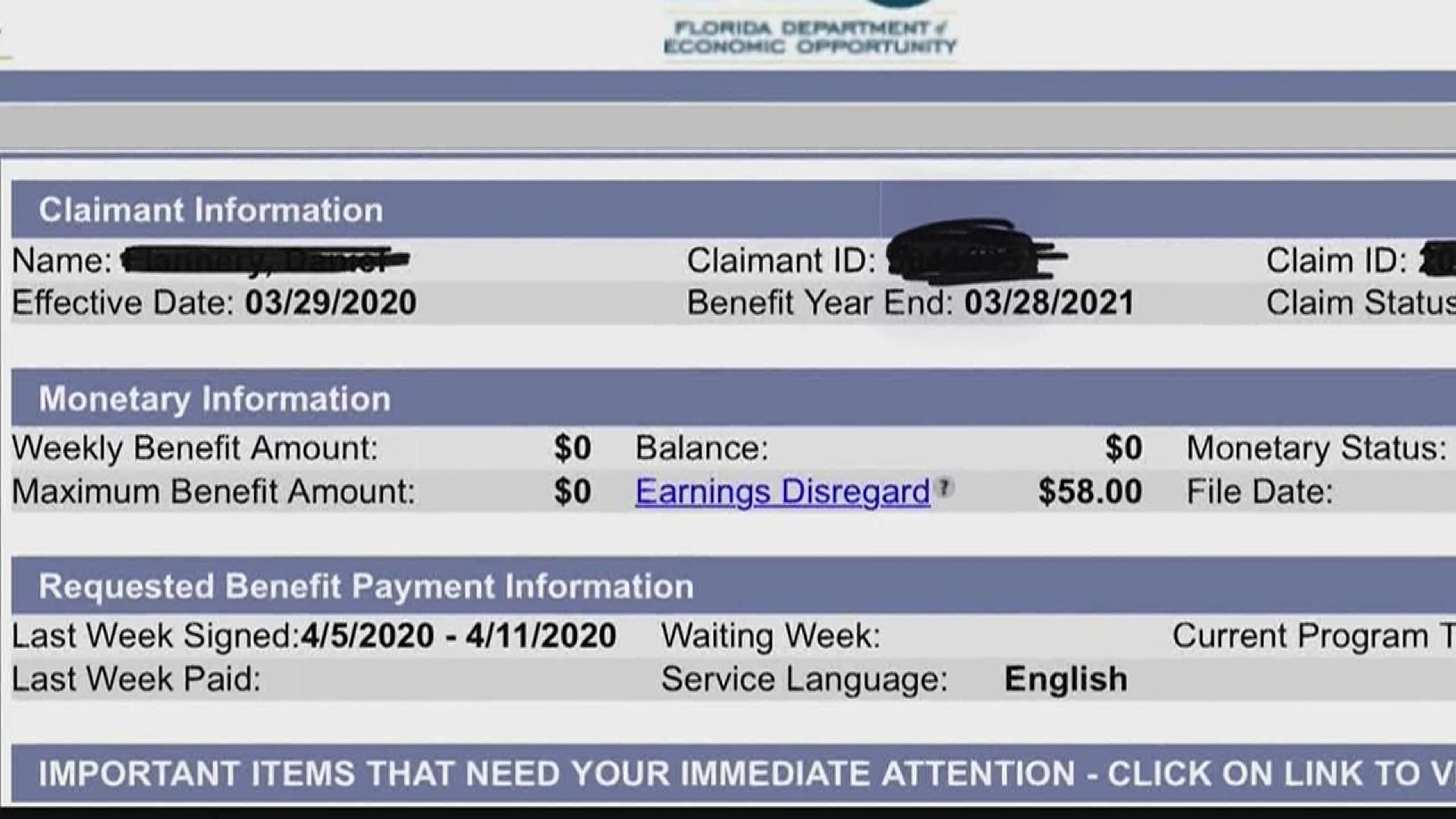
- Claim Determination: You will receive a determination notice regarding your eligibility for benefits. This notice will outline your weekly benefit amount (WBA) and the maximum benefit amount (MBA) you can receive, as well as the duration of your benefits, usually up to 26 weeks.
- Monetary Determination: This document confirms the wages earned during your base period and calculates your potential weekly benefit.
- Non-Monetary Determination: This addresses the reason for your separation and whether it meets the state’s eligibility requirements. If there are questions or disputes about your separation, you may be scheduled for an interview with a DEO claims examiner.
- Waiting Week: Florida law requires a one-week waiting period for all new claims, during which you will not receive benefits. This week is served when you first become eligible.
Maintaining Your Claim and Receiving Benefits
Filing your initial claim is just the first step. To continue receiving unemployment benefits, you must actively manage your claim and adhere to the DEO’s ongoing requirements. This involves weekly certifications and actively searching for work.
Weekly Certification: Your Ticket to Benefits
To receive benefits for a particular week, you must “certify” your claim for that week. This is done through the CONNECT portal. During your weekly certification, you will be asked a series of questions, including:
- Were you able and available for work? You must be physically able and mentally capable of working and actively seeking employment.
- Did you look for work? You are generally required to conduct a diligent job search each week. The DEO may ask for details about your work search activities.
- Did you refuse any work? If you refused any suitable job offers, you may be disqualified for that week.
- Did you earn any wages? If you performed any work, even part-time or temporary, you must report your earnings. Earnings may reduce your weekly benefit amount.
- Did you attend any required appointments or training?
Crucially, you must certify for benefits for the week after it has ended. For example, to claim benefits for the week ending Sunday, June 15th, you would certify online on or after June 16th. Failure to certify on time will result in you losing benefits for that week.
Actively Seeking Work: Your Responsibility
A core requirement for receiving unemployment benefits is actively searching for suitable employment. The DEO expects you to make a genuine and documented effort to find a new job. The specific requirements for your job search may vary depending on your occupation and the local labor market.
- Documentation: Keep a detailed log of your work search activities. This should include the names of employers contacted, the dates of contact, the positions you applied for, and the methods of contact (e.g., phone, email, in-person). This log is essential if the DEO requests proof of your job search.
- Suitable Work: You are expected to accept offers of suitable work. “Suitable work” generally means work that aligns with your skills, experience, and usual wage rates, and is located within a reasonable commuting distance.
- Work Search Waivers: In certain specific situations, such as participating in a state-approved training program or if there is a lack of suitable work in your area, you might be eligible for a waiver from the work search requirement. You would need to apply for and be approved for such a waiver.
Understanding Payment Methods and Timelines
If you are found eligible and have certified your claim correctly, your benefits will be paid via direct deposit or a debit card issued by the state.
- Direct Deposit: This is the fastest and most secure method. You will need to provide your bank account and routing numbers during the application process.
- Debit Card: If you do not opt for direct deposit, benefits will be loaded onto a state-issued debit card.
Payments are typically processed within a few business days after you certify your claim. Delays can occur if there are issues with your claim, if additional information is required, or during periods of high claim volume.
Navigating Challenges and Common Issues
While the Florida unemployment system is designed to be accessible, claimants can encounter various challenges. Understanding these common issues and how to address them can save you time and frustration.
Resolving Issues and Appeals
If your claim is denied, or if there are other issues that prevent you from receiving benefits, you have the right to appeal the decision.
- Understanding the Notice of Determination: Carefully read any notice of determination you receive. It will explain the reason for the decision and provide instructions on how to appeal.
- Filing an Appeal: Appeals must be filed within a specific timeframe, usually 20 days from the date of the notice. You can typically file an appeal online through CONNECT or by mail.
- Appeals Hearing: If your appeal is accepted, you will usually be scheduled for a hearing before an administrative law judge. This hearing can be conducted by phone or in person. Prepare thoroughly by gathering all relevant documentation and evidence to support your case.
Fraud and Penalties
It is crucial to provide accurate information when filing for and claiming unemployment benefits. Misrepresenting facts, providing false information, or failing to report earnings can be considered fraud. Consequences for unemployment fraud can include repayment of benefits, penalties, interest, and in severe cases, criminal charges. Always be truthful and thorough in your reporting.
Staying Informed and Seeking Assistance
The Florida Department of Commerce provides resources to help claimants understand their rights and responsibilities. The CONNECT portal itself is a valuable source of information, with FAQs and guides. If you encounter difficulties or have questions that are not answered online, you can contact the DEO’s customer service. Keep in mind that wait times can be long during peak periods, so be patient. You may also find local career centers to be a helpful resource for job search assistance and information. Whether you’re planning a luxurious getaway to the Keys or managing personal finances, staying informed is key to navigating complex systems like unemployment benefits.
In conclusion, collecting unemployment in Florida requires careful attention to detail, adherence to deadlines, and consistent communication with the Florida Department of Commerce. By understanding the eligibility requirements, diligently completing your application and weekly certifications, and actively seeking employment, you can successfully navigate this process and secure the financial support you need to bridge the gap during your transition.
LifeOutOfTheBox is a participant in the Amazon Services LLC Associates Program, an affiliate advertising program designed to provide a means for sites to earn advertising fees by advertising and linking to Amazon.com. Amazon, the Amazon logo, AmazonSupply, and the AmazonSupply logo are trademarks of Amazon.com, Inc. or its affiliates. As an Amazon Associate we earn affiliate commissions from qualifying purchases.