
Savoring Regional Flavors: The Culinary Journey of the Boston Butt
Culinary tourism offers an unparalleled avenue to explore the soul of a destination, often revealing more about its history, people, and traditions than any landmark ever could. While traveling across the United States, particularly through its Southern states, one encounters a vibrant tapestry of flavors, with barbecue standing out as a particularly cherished and diverse tradition. Among the various cuts and preparations, the humble Boston Butt holds a significant, albeit often misunderstood, place. This cut of pork, despite its name, has no direct culinary ties to the city of Boston, but is instead a cornerstone of slow-cooked barbecue, celebrated for its rich flavor and tender texture.

Experiencing this dish, whether at a roadside smokehouse in North Carolina or through your own kitchen, is a journey into the heart of American comfort food. It speaks to a culture that values patience, communal gatherings, and the transformative power of low-and-slow cooking. For the culinary enthusiast who seeks to deepen their understanding of local cultures through food, mastering the Boston Butt is a rewarding endeavor. It’s an opportunity to replicate the succulent, falling-apart pork that defines authentic pulled pork sandwiches, a dish synonymous with backyard cookouts and festive occasions across the South. Embracing this recipe isn’t just about cooking; it’s about bringing a slice of Americana, a taste of a specific regional identity, directly to your dining table, allowing you to travel through flavor.
Unpacking the Name: A Misleading Moniker
The name “Boston Butt” itself is a fascinating piece of culinary etymology, reflecting historical practices rather than geographical origin. This cut actually refers to the upper part of the pig’s front shoulder, encompassing parts of the neck, shoulder blade, and arm. The “butt” designation harks back to pre-Civil War New England, where butchers would pack less prized cuts of pork into wooden barrels known as “butts” for storage and transport. The shoulder cut, specifically, became known as the “Boston Butt” because it was a specialty of Boston butchers who packed it this way. Over time, the name stuck, even as the cut gained widespread popularity for barbecue across the South, far from its titular city. This historical quirk underscores how regional culinary terms can evolve and become ingrained in the broader food landscape, offering a unique narrative for those interested in the origins of their meals. Understanding this backstory enriches the cooking experience, transforming a simple recipe into a historical exploration.
A Staple of American Barbecue Culture
From the vinegar-based sauces of North Carolina to the sweet, tomato-based concoctions of Kansas City and the dry rubs of Memphis, American barbecue is a diverse realm. Yet, the Boston Butt, typically cooked until it can be pulled into shreds, transcends these regional differences, serving as the foundational ingredient for one of the nation’s most beloved barbecue dishes: pulled pork. Its high fat content and marbling make it exceptionally forgiving during long cooking times, rendering it incredibly tender and flavorful. This characteristic makes it ideal for slow-cooking methods, perfectly absorbing the smoky, savory, and often spicy notes of rubs and sauces.
For travelers who have savored authentic pulled pork from various barbecue joints, recreating that experience at home becomes a culinary goal. It’s more than just a meal; it’s a memory, a sensory snapshot of a particular place and time. The Boston Butt is not just meat; it’s a vehicle for regional identity, embodying the slow pace and rich flavors that define much of Southern hospitality and culture. Cooking it in a crock pot allows home chefs to capture the essence of this traditional barbecue without requiring specialized smoking equipment, making the experience accessible to everyone, regardless of their proximity to the barbecue belt.
Bringing the Barbecue Trail Home: Your Crock Pot Guide
The allure of slow-cooked barbecue often lies in its simplicity and patience. While traditional methods involve hours over an open pit or smoker, the modern crock pot offers an excellent alternative for achieving that coveted fall-apart tenderness and deep flavor with minimal effort. For those looking to embark on a culinary journey without leaving their kitchen, mastering the Boston Butt in a slow cooker is an ideal starting point. It’s a method that allows the rich, savory aromas to permeate your home, transforming it into a temporary culinary destination.
This approach is perfect for busy individuals or those new to barbecue, providing a forgiving environment for the meat to slowly break down, yielding succulent results every time. It demystifies the art of slow cooking, making an iconic regional dish accessible and achievable. Think of it as your passport to the world of American barbecue, a way to sample the robust flavors of the South from the comfort of your own home.
Why a Crock Pot for Authentic Flavor?
A crock pot, or slow cooker, excels at mimicking the low-and-slow cooking environment that makes barbecue so special. Its consistent, gentle heat gradually breaks down the tough connective tissues in the Boston Butt, rendering the meat incredibly tender and juicy. Unlike direct high heat, which can dry out the pork, a crock pot maintains moisture, allowing the fat to slowly melt and baste the meat from within. This self-basting action is crucial for developing the rich, unctuous texture that defines perfect pulled pork.
Moreover, the sealed environment of the crock pot helps to infuse the meat thoroughly with the flavors of your chosen spices, rubs, and liquids. Every herb, every spice, every hint of sweetness or tang is gently absorbed over hours, creating a complex flavor profile that rivals many pit-smoked versions. For the culinary traveler, the crock pot transforms into a portable smokehouse, a vessel for culinary alchemy that brings the authentic taste of regional American cuisine right to your countertop.
Essential Ingredients for a Taste of the South
To capture the true essence of a slow-cooked Boston Butt, selecting the right ingredients is key. Beyond the pork itself, the supporting cast of spices and liquids plays a vital role in crafting that deep, satisfying flavor synonymous with Southern barbecue.
- The Pork: A 3-5 pound bone-in or boneless Boston Butt is ideal. The bone-in version often adds an extra layer of flavor and moisture. Look for a good amount of marbling and a fat cap, which will render down to keep the pork moist.
- The Rub: This is where regionality often shines. A basic dry rub usually includes paprika (smoked paprika for depth), brown sugar (for caramelization and sweetness), salt, black pepper, garlic powder, onion powder, and cayenne pepper (for a subtle kick). Consider adding a pinch of cumin or chili powder for more complexity.
- The Liquid: Often overlooked, the liquid in the crock pot contributes significantly to moisture and flavor. Options include apple cider vinegar (for tang), chicken or vegetable broth (for savory depth), beer (for malty notes), or even a combination. Some recipes might call for a small amount of liquid smoke to emulate traditional barbecue flavor.
- Aromatics: Onions and garlic, roughly chopped, layered beneath and around the pork, release their aromatic compounds, infusing the meat with foundational flavor as it cooks.
These simple ingredients, when combined and given time, work in harmony to transform a raw cut of pork into a culinary masterpiece, a true testament to the power of slow cooking and regional flavor profiles.
The Slow-Cooked Masterpiece: Step-by-Step Preparation
Crafting a magnificent Boston Butt in a crock pot is less about complex techniques and more about patience and attention to foundational steps. This process allows the inherent qualities of the pork to shine, delivering a dish that is both deeply satisfying and incredibly versatile. Each stage contributes to building the layers of flavor and achieving the desired tender texture, akin to the careful craftsmanship found in regional culinary traditions.

Preparing Your Boston Butt
Begin by patting your Boston Butt dry with paper towels. This step is crucial, as it helps the dry rub adhere better to the meat, creating a flavorful crust during the initial sear (if you choose to sear, which is optional but recommended for depth). Trimming excess hard fat is also advisable, though leaving a decent fat cap is beneficial for moisture.
Next, liberally apply your chosen dry rub all over the pork. Don’t be shy; aim for an even coating that covers every surface. Massage the rub into the meat, ensuring it’s well-adhered. For best results, allow the rubbed pork to rest in the refrigerator for at least 30 minutes, or preferably several hours, up to overnight. This “marination” period allows the flavors of the rub to penetrate deeper into the meat, intensifying the final taste profile. Think of this as the initial seasoning, laying the groundwork for the rich flavors to come, much like a chef in a renowned Texas smokehouse meticulously prepares their brisket.
Assembling Your Flavor Profile
If you opt for an optional searing step, heat a large, heavy-bottomed skillet over medium-high heat with a tablespoon of oil. Sear the Boston Butt on all sides until nicely browned. This crucial step adds a layer of rich, caramelized flavor that cannot be achieved through slow cooking alone and significantly enhances the overall depth of the dish.
Once seared (or if skipping the sear), place a bed of chopped onions and garlic at the bottom of your crock pot. This not only adds flavor but also prevents the meat from sitting directly on the bottom, allowing for more even cooking. Carefully place the rubbed and seared Boston Butt on top of the aromatics. Pour your chosen liquid (apple cider vinegar, broth, or beer) around the pork, ensuring it comes up about 1-2 inches. Avoid submerging the meat entirely; the crock pot will generate its own moisture as it cooks.
The Crock Pot Magic: Low and Slow
Cover your crock pot and set it to low. The magic of pulled pork truly happens with extended, gentle cooking. A 3-5 pound Boston Butt will typically require 8-10 hours on low or 4-6 hours on high. Resist the urge to lift the lid frequently, as each peek releases precious heat and moisture, extending the cooking time.
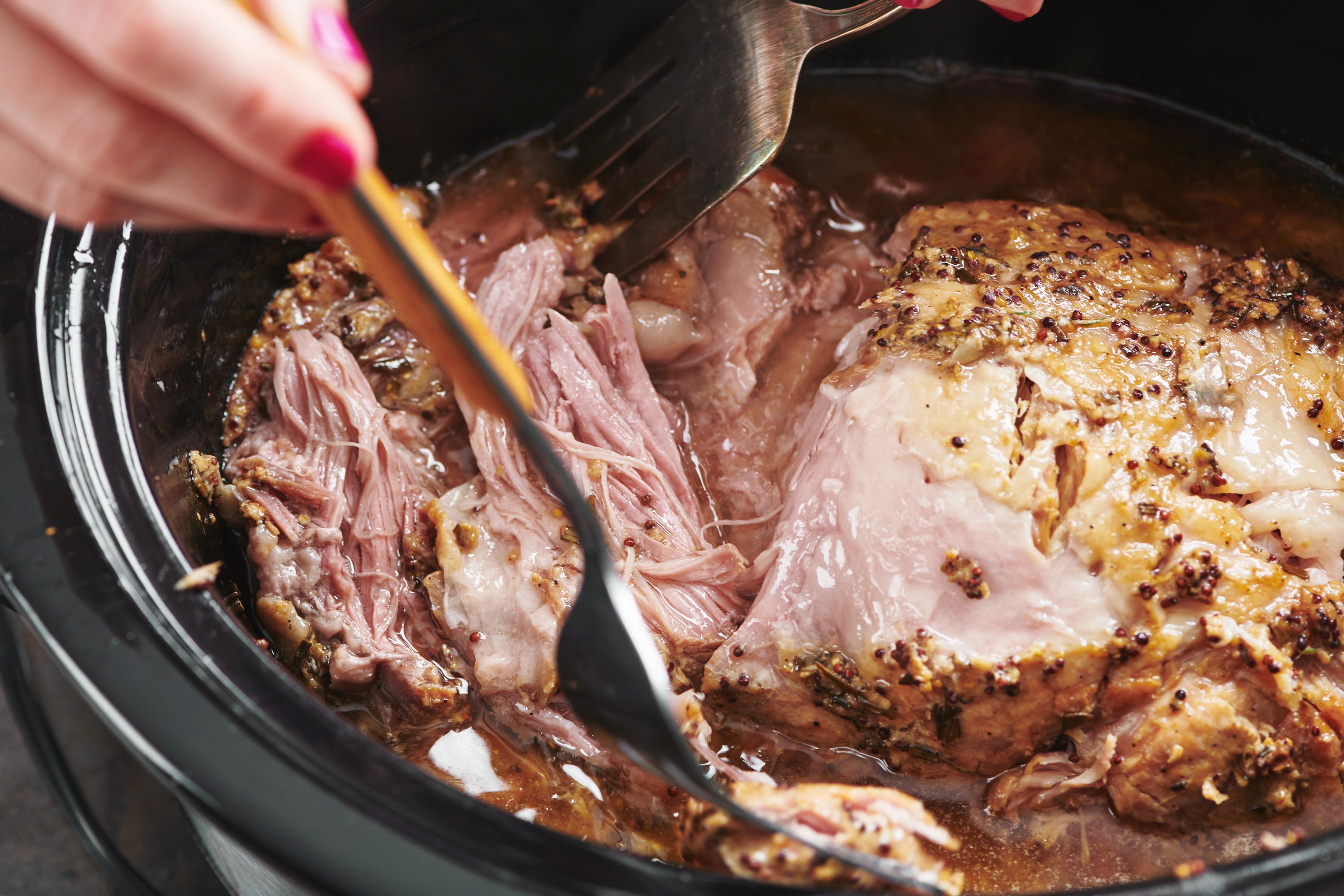
The pork is ready when it is incredibly tender and easily shreds with two forks. It should practically fall apart with minimal effort. This tenderness is the hallmark of perfectly cooked pulled pork, a texture that speaks to hours of careful, patient preparation. Once cooked, carefully remove the pork from the crock pot, reserving the cooking liquid. Shred the pork using two forks, discarding any large pieces of fat or bone. You can then return the shredded pork to the crock pot with a cup or two of the reserved cooking liquid to keep it moist and infuse it with even more flavor. This step is essential for creating juicy, flavorful pulled pork that embodies the succulence of authentic barbecue.
Serving Suggestions and Culinary Pairings
The versatility of slow-cooked Boston Butt is one of its most appealing attributes, making it a star in various culinary contexts. Once shredded to perfection, it becomes a canvas for further flavor exploration, inviting creativity in how it’s served and paired. This flexibility allows home cooks to recreate the diverse experiences of barbecue tourism, from casual backyard gatherings to more refined plated dishes.
Classic Companions: Coleslaw and Buns
The most iconic way to enjoy pulled pork, reflective of its deep roots in American barbecue culture, is piled high on a soft bun with a generous helping of coleslaw. The crisp, tangy coleslaw provides a refreshing contrast to the rich, tender pork, creating a harmonious balance of textures and flavors. Whether you prefer a creamy mayonnaise-based slaw or a vibrant vinegar-based one, this pairing is non-negotiable for a truly authentic experience. A drizzle of your favorite barbecue sauce—be it a spicy Memphis style, a sweet Kansas City glaze, or a zesty North Carolina vinegar sauce—completes the classic pulled pork sandwich. This simple assembly is a taste of regional America, a culinary landmark in itself.
Beyond sandwiches, consider traditional Southern sides such as cornbread, baked beans, or mac and cheese. These comforting additions complement the richness of the pork, transforming a simple meal into a hearty feast that evokes the warmth and hospitality of Southern tables. Each pairing decision is a small act of culinary curation, enhancing the overall dining experience and reflecting the regional preferences encountered on any food tour.
Beyond the Sandwich: Creative Culinary Adventures
While the sandwich remains supreme, the versatility of pulled pork extends far beyond. For the adventurous home chef, or those looking to expand their culinary horizons, shredded Boston Butt can be incorporated into a myriad of dishes, offering new ways to experience its rich flavor.
- Tacos and Nachos: Transform your pulled pork into a Tex-Mex delight. Season it with cumin and chili powder, then pile it onto warm tortillas with salsa, avocado, and pickled onions, or layer it over crispy nacho chips with melted cheese and jalapeños. This fusion highlights the pork’s adaptability and global appeal.
- Stuffed Potatoes: Bake large potatoes until fluffy, then load them with pulled pork, cheese, sour cream, and chives for a satisfying and complete meal.
- Pizzas and Flatbreads: Use pulled pork as a unique pizza topping, perhaps with a smoky barbecue sauce base, red onions, and mozzarella, for a gourmet twist on a classic.
- Hash and Skillets: Combine leftover pulled pork with potatoes and peppers for a delicious breakfast hash or a quick skillet dinner, showcasing its utility for meal prep and creative repurposing.
These creative applications demonstrate how a single ingredient, deeply rooted in regional culinary traditions, can inspire a spectrum of dishes, allowing for ongoing culinary exploration and discovery, much like finding hidden gems on a travel itinerary.
Embracing Culinary Exploration Through Home Cooking
The act of cooking a Boston Butt in a crock pot is more than just preparing a meal; it’s an immersive culinary experience. It’s an invitation to explore the rich tapestry of American food culture, to understand the historical nuances behind a dish, and to savor the flavors that define particular regions. For the enthusiastic culinary traveler, this process offers a unique opportunity to bring the essence of distant destinations into one’s home kitchen.
By embarking on this slow-cooking journey, you are not merely following a recipe but engaging in a form of cultural appreciation, connecting with the traditions and tastes that have shaped communities for generations. Each tender bite of succulent pulled pork becomes a sensory reminder of a roadside barbecue stand, a bustling Southern market, or the welcoming aroma of a family gathering in a faraway locale. It bridges the gap between travel and everyday life, allowing you to continually revisit cherished memories or anticipate future adventures through the universal language of food. In this way, cooking a Boston Butt in your crock pot transcends the ordinary, transforming into an ongoing exploration of global flavors and local heritage, making every meal a mini-vacation for the senses.
LifeOutOfTheBox is a participant in the Amazon Services LLC Associates Program, an affiliate advertising program designed to provide a means for sites to earn advertising fees by advertising and linking to Amazon.com. Amazon, the Amazon logo, AmazonSupply, and the AmazonSupply logo are trademarks of Amazon.com, Inc. or its affiliates. As an Amazon Associate we earn affiliate commissions from qualifying purchases.