
Unpacking the Culinary Heritage of the Boston Butt
The Boston butt, far from being a cut from a pig’s rear, is a shoulder cut of pork, renowned globally for its rich marbling and suitability for slow cooking, particularly in the realm of barbecue. For many travelers, encountering a perfectly smoked, tender, and flavorful pulled pork sandwich is an indelible memory of exploring the Southern United States. This isn’t just a meal; it’s an immersion into a profound regional culinary tradition, a taste of history, and a slice of local culture. Understanding how to prepare this iconic dish, even in the convenience of a crockpot, allows one to bring a piece of their travels home, extending the cultural experience beyond the geographical boundaries of their trip.

A Cut with a Story: Why “Boston Butt”?
The peculiar name “Boston butt” itself carries a fascinating historical anecdote, shedding light on early American foodways and trade. In pre-Revolutionary New England, particularly around Boston, pork butchers would often pack less prized cuts of pork – including the shoulder – into wooden barrels for storage and transport. These barrels were known as “butts,” a term derived from old English for a cask or barrel. Thus, the pork shoulder packed in these barrels became known as the “Boston butt.” This nomenclature has endured for centuries, linking a specific cut of meat to a major historical port city and its logistical methods. For the culinary tourist, this bit of trivia adds a layer of depth to the dining experience, connecting the food on their plate to a tangible past.
Barbecue Culture Across the South
The Boston butt is the undisputed king of pulled pork, a cornerstone of Southern barbecue traditions. Traveling through states like North Carolina, South Carolina, Georgia, Tennessee, and Texas, one quickly discovers that barbecue is not merely a cooking method; it’s a social ritual, a competitive sport, and a fiercely debated art form. Each region boasts its distinct style: the vinegar-based sauces of eastern North Carolina, the mustard-based sauces of South Carolina, the dry rubs of Memphis, and the thick, sweet sauces of Kansas City.
The slow cooking of a Boston butt over wood smoke, often for 12 to 16 hours, transforms tough connective tissue into succulent gelatin, rendering the meat incredibly tender and flavorful. This meticulous process is a testament to patience and a dedication to flavor that defines Southern hospitality. For tourists, visiting a local barbecue joint offers more than just a meal; it provides a direct connection to community traditions, local stories, and the passion that fuels these culinary practices. Recreating this dish at home, even without a smoker, allows for a continued engagement with these cultural touchstones, a gastronomic souvenir that transcends mere memorabilia.
Bringing Southern Comfort Home: The Crockpot Method
While nothing truly replicates the smoky essence of a pitmaster’s masterpiece, the crockpot offers an incredibly accessible and forgiving method for achieving remarkably tender and flavorful pulled pork. For the discerning traveler who appreciates authenticity but seeks convenience, mastering the crockpot Boston butt is an invaluable skill. It allows one to relive vacation flavors, share culinary discoveries with friends and family, and maintain a connection to the cultural experiences garnered through food tourism.
The Allure of Slow Cooking for Travelers
Slow cooking, by its very nature, embodies a sense of unhurried appreciation that often defines the best travel experiences. Just as one savors new sights and sounds, the patient preparation of food in a crockpot encourages a similar mindfulness. For busy travelers returning from an adventure, the crockpot allows them to “set it and forget it,” leaving them free to unpack, reminisce, or plan their next journey, all while a delicious, culturally rich meal simmers to perfection. This method demystifies a complex barbecue staple, making it approachable for home cooks who might not have access to specialized smoking equipment but still yearn for that authentic Southern taste. It transforms a regional delicacy into a global possibility, bridging geographical gaps through culinary education.
Essential Ingredients for an Authentic Flavor Profile
To achieve a flavor profile reminiscent of the Southern United States, a few key ingredients are paramount. Beyond the Boston butt itself, a robust dry rub is crucial. This rub typically consists of brown sugar, paprika (often smoked paprika for an extra layer of depth), garlic powder, onion powder, salt, black pepper, and a touch of cayenne for heat. These spices, when combined, create a savory-sweet, slightly spicy crust that seasons the meat deeply during the long cooking process.
The liquid element in the crockpot also plays a vital role. While some recipes use simple water, using apple cider vinegar, chicken broth, or even a dash of apple juice introduces complementary flavors that tenderize the meat and add moisture. The acidity of the vinegar is particularly effective in breaking down tough muscle fibers, resulting in that signature fall-apart texture. These ingredients are not arbitrary; they reflect the historical availability of spices and liquids in the American South, contributing to the authenticity of the dish.
Step-by-Step: Crafting Your Own Culinary Souvenir
Preparing a Boston butt in the crockpot is less about intricate culinary skill and more about patient execution. It’s an activity that, like travel itself, rewards those who embrace the journey. This process allows one to connect with the very essence of food tourism: understanding a dish from its raw components to its delicious conclusion, and appreciating the cultural significance embedded in each step.
Preparation: Setting the Stage for Flavor
- Select Your Butt: Choose a 3-5 pound bone-in or boneless Boston butt. The bone-in version often yields more flavor and moisture, though boneless is easier to shred. Trim any excessively thick fat cap, leaving about a quarter-inch for flavor and moisture retention.
- The Dry Rub: Mix your chosen dry rub ingredients thoroughly. A good ratio is typically 2 parts brown sugar to 1 part paprika, with other spices adjusted to taste. Generously coat the entire surface of the pork shoulder with the rub, pressing it in to adhere. For best results, allow the rubbed pork to sit in the refrigerator for at least 2 hours, or ideally overnight, allowing the flavors to penetrate the meat. This marination step is a crucial part of developing a deep, complex flavor, mimicking the slow infusion of smoke in traditional barbecue.
- Searing (Optional, but Recommended): For an extra layer of flavor and to create a beautiful crust, briefly sear the rubbed Boston butt in a hot skillet with a little oil for 2-3 minutes per side. This step, while adding a few extra minutes, contributes significantly to the Maillard reaction, developing rich, savory notes that elevate the final dish.
The Crockpot Magic: Low and Slow Perfection
- Add Liquid: Place the seared or un-seared Boston butt into your crockpot. Pour about 1/2 to 1 cup of liquid (apple cider vinegar, chicken broth, or a combination) around the meat, ensuring it doesn’t submerge the top. This liquid creates a moist environment and infuses flavor without washing away the rub.
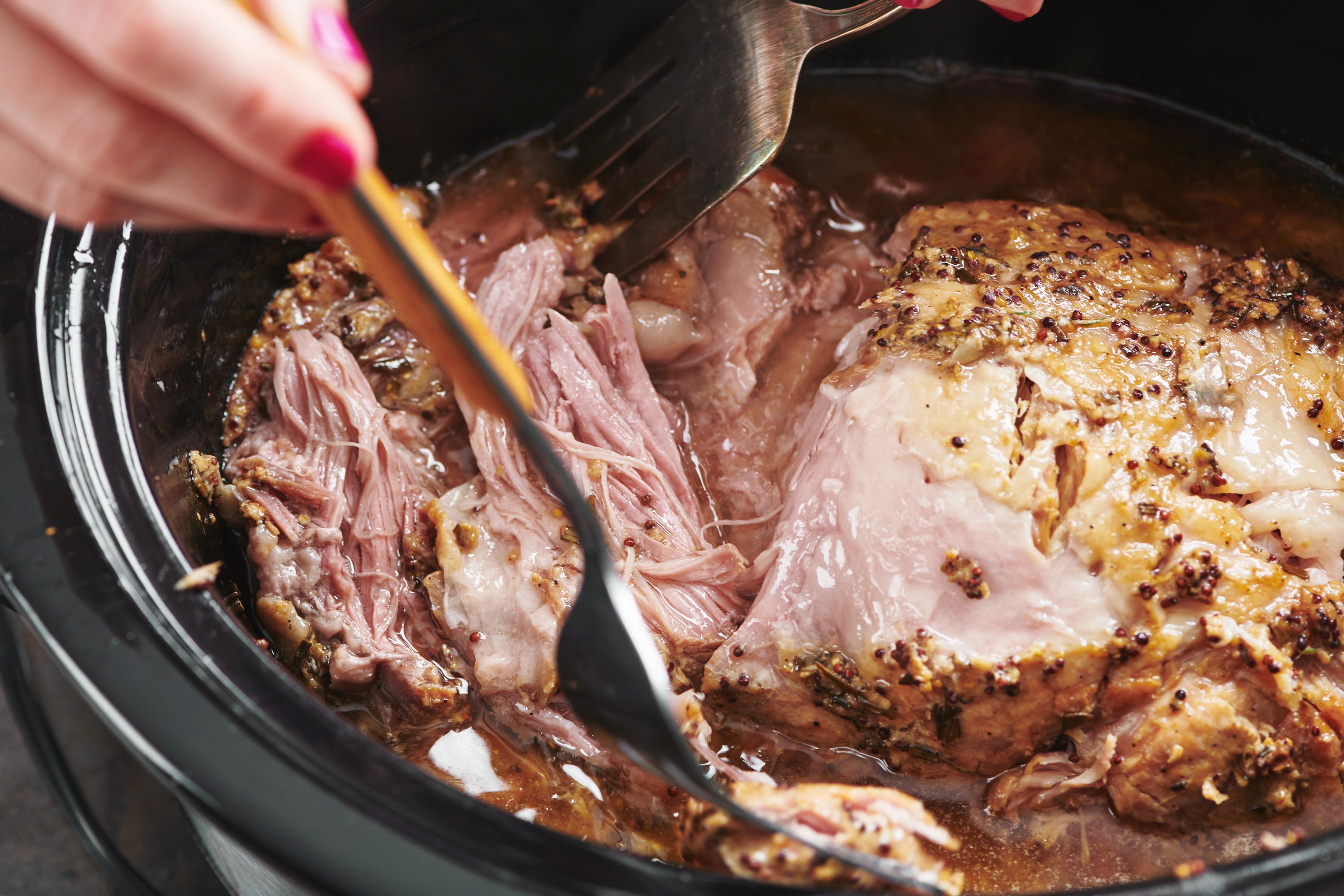
- Cook to Tenderness: Set the crockpot to low for 6-8 hours or high for 3-4 hours, depending on the size of the butt and your specific appliance. The goal is fork-tender meat that easily shreds. Internal temperature should reach at least 195-205°F (90-96°C) for optimal shredding, well beyond the safe cooking temperature for pork, specifically to break down connective tissues. This long, gentle cooking is the essence of why Boston butt is so perfect for pulled pork, allowing the meat to become incredibly juicy and succulent.
- Shredding: Once cooked, carefully remove the Boston butt from the crockpot and place it in a large pan or bowl. Using two forks or meat claws, shred the pork, discarding any excess fat or bone. The meat should pull apart effortlessly, a true sign of successful slow cooking.
- Sauce it Up: Return the shredded pork to the crockpot with some of the cooking liquid. At this point, you can stir in your favorite barbecue sauce – perhaps a tangy vinegar-based sauce if you’re reminiscing about North Carolina, or a sweet and smoky one if your tastes lean towards Kansas City. Allow it to simmer on warm for another 30 minutes for the flavors to meld.
Finishing Touches: From Pot to Plate
Serving your homemade pulled pork is the final step in this culinary journey. Arrange the sauced pulled pork on soft hamburger buns or slider rolls. A classic topping is a crunchy coleslaw, which provides a refreshing contrast to the rich meat. This seemingly simple meal is a direct connection to countless roadside barbecue stands and family gatherings across the American South, a sensory recall of travel experiences.
Pairing Your Pulled Pork: A Taste of Local Tradition
Food, in the context of tourism, is rarely just about the main dish. The accompaniments, the setting, and the company all contribute to the overarching cultural experience. Crafting the perfect side dishes to go with your crockpot Boston butt is an extension of that cultural immersion, allowing you to recreate a complete regional dining experience.
Classic Sides: Enhancing the Experience
To truly evoke the spirit of Southern barbecue, pair your pulled pork with traditional sides. Coleslaw, whether vinegar-based or creamy, offers a crucial textural and flavor contrast. Macaroni and cheese, a creamy, comforting staple, adds richness. Baked beans, often slow-cooked with molasses and bacon, provide a sweet and smoky counterpoint. Other popular choices include cornbread, potato salad, and collard greens. Each of these sides has its own history and place within Southern culinary identity, and together, they paint a comprehensive picture of a regional meal. For the culinary tourist, learning to prepare these sides is as much a part of the journey as mastering the main course.

Beyond the Plate: Food as a Bridge to Culture
Ultimately, cooking a Boston butt in a crockpot is more than just following a recipe; it’s an act of cultural engagement. It’s a way to explore food as a window into a destination’s soul. When you prepare this dish, you’re not just making dinner; you’re celebrating centuries of culinary evolution, regional pride, and the universal pleasure of sharing good food. It’s a testament to how even after leaving a destination, its flavors can linger, enriching our lives and inspiring future travels. By understanding the heritage, mastering the technique, and savoring the outcome, you transform a simple meal into an ongoing narrative of your cultural explorations.
LifeOutOfTheBox is a participant in the Amazon Services LLC Associates Program, an affiliate advertising program designed to provide a means for sites to earn advertising fees by advertising and linking to Amazon.com. Amazon, the Amazon logo, AmazonSupply, and the AmazonSupply logo are trademarks of Amazon.com, Inc. or its affiliates. As an Amazon Associate we earn affiliate commissions from qualifying purchases.