
The allure of a perfectly cooked Boston Butt on a pellet grill is undeniable. This flavorful cut of pork, also known as a pork shoulder, is a cornerstone of many cuisines, especially in the American South, where it’s transformed into succulent pulled pork that forms the base of countless iconic dishes. The pellet grill, with its precise temperature control and ability to impart smoky flavor, is an ideal tool for mastering this classic preparation. This guide will walk you through the process, from selecting the right cut to achieving that coveted fall-apart texture.
Selecting and Preparing Your Boston Butt
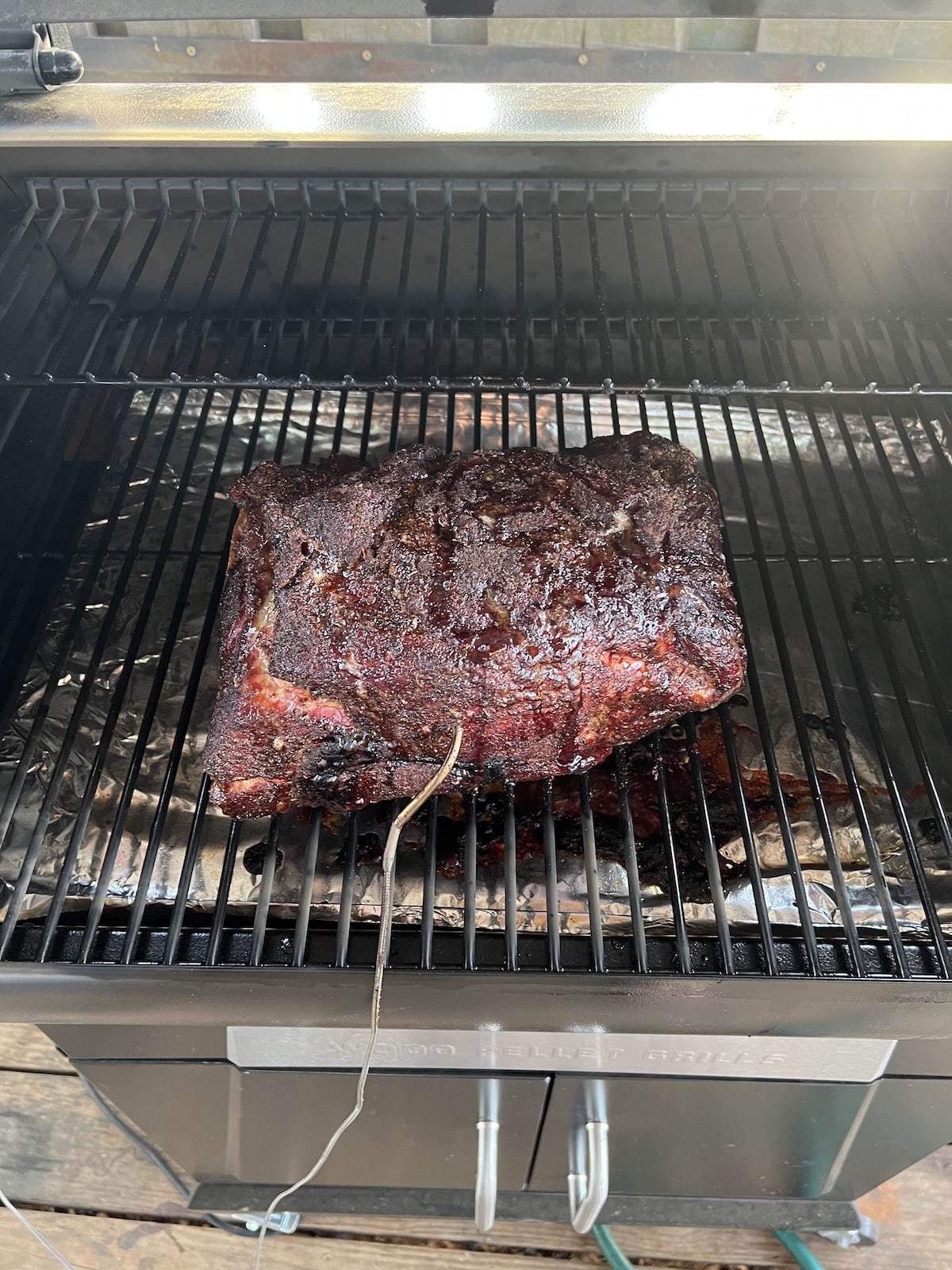
The journey to exceptional pulled pork begins with selecting a quality Boston Butt. While both bone-in and boneless cuts will yield delicious results, a bone-in Boston Butt often offers more flavor due to the connective tissues and marrow within the bone, which render down during the long cooking process. Look for a cut that is well-marbled with fat, as this fat is crucial for moisture and tenderness. A typical Boston Butt will weigh between 5 and 10 pounds, though larger or smaller cuts are also available.
Trimming and Seasoning
Once you have your Boston Butt, it’s time for preparation. You’ll want to trim any excess hard fat from the surface. A thin, even layer of fat, about ¼ inch thick, should be left on one side to baste the meat as it cooks. This layer is particularly important if you’re cooking with the fat cap facing upwards.
The seasoning is where personal preference truly shines, but a classic rub for pulled pork typically includes a balance of savory, sweet, and spicy elements. A foundational rub might consist of:
- Salt: Essential for flavor and drawing out moisture to help form a crust. Kosher salt or sea salt are excellent choices.
- Black Pepper: Freshly ground pepper adds a pungent bite.
- Brown Sugar: Provides caramelization and a subtle sweetness, complementing the richness of the pork.
- Paprika: Smoked paprika, in particular, can enhance the smoky notes from the pellet grill.
- Garlic Powder and Onion Powder: These aromatic powders add depth and complexity.
- Optional Spices: Many cooks incorporate cayenne pepper for heat, chili powder for a different kind of spice, or even a touch of ground mustard.
Apply the rub liberally over all surfaces of the Boston Butt, ensuring an even coating. You can do this just before cooking, or for deeper flavor penetration, you can apply the rub several hours or even overnight in the refrigerator. If you choose to season in advance, cover the pork tightly to prevent it from drying out. Some recipes also call for a binder, such as mustard or hot sauce, to help the rub adhere. While not strictly necessary, it can contribute to a more robust bark.
Smoking the Boston Butt on a Pellet Grill
The pellet grill offers unparalleled ease of use for smoking, making it a favorite for both novice and experienced pitmasters. The key is consistent temperature and sufficient smoke.
Setting Up Your Pellet Grill
For a Boston Butt, a low and slow cooking temperature is paramount. Aim for a range of 225°F to 250°F (107°C to 121°C). This gentle heat allows the tough connective tissues in the pork shoulder to break down over many hours, resulting in incredibly tender and shreddable meat.
Pellet Choice: The type of wood pellets you use will significantly impact the final flavor profile. For pork, common and excellent choices include:
- Hickory: A classic, robust smoke that pairs wonderfully with pork.
- Mesquite: Offers a strong, distinctive smoky flavor, often favored in Tex-Mex and Southwestern cooking.
- Oak: A versatile and milder smoke that complements many dishes.
- Fruitwoods (Apple, Cherry): These provide a sweeter, more delicate smoke that can add a nuanced layer of flavor.
- Blends: Many manufacturers offer blends of various woods, providing a complex and balanced smoke.
Fill your pellet hopper according to your grill’s instructions. It’s generally recommended to use a 100% hardwood pellet for the best smoke flavor.
The Smoking Process
- Preheat the Grill: Turn on your pellet grill and set it to your desired smoking temperature (225°F-250°F). Allow it to preheat thoroughly, ensuring the smoker tube or fire pot is producing consistent smoke.
- Place the Boston Butt: Once the grill reaches temperature, place the seasoned Boston Butt directly on the grates. If you have a fat cap, many pitmasters prefer to place it fat-side up, allowing the rendering fat to baste the meat from above. Others prefer fat-side down to protect the meat from direct heat and allow the fat to render into the drippings. Experiment to find your preference.
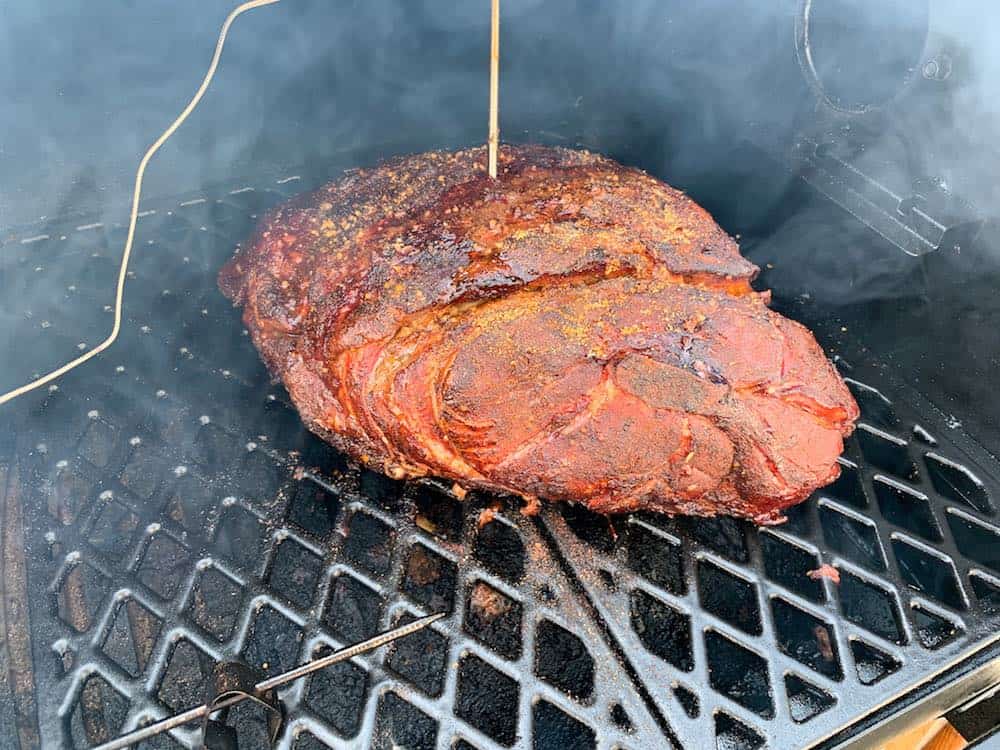
- Monitor Temperature: Use a reliable meat thermometer or a leave-in probe to monitor the internal temperature of the pork. The goal is not to cook to a specific temperature, but rather to cook until the pork is tender enough to pull apart easily. This typically occurs when the internal temperature reaches between 195°F and 205°F (90.5°C and 96°C).
- The Stall: Be prepared for “the stall,” a phenomenon where the internal temperature of the meat plateaus for several hours. This is a natural part of the smoking process, often occurring around 150°F to 165°F (65.5°C to 74°C). It’s caused by evaporative cooling as moisture is released from the surface of the meat. Do not be tempted to increase the grill temperature; patience is key here.
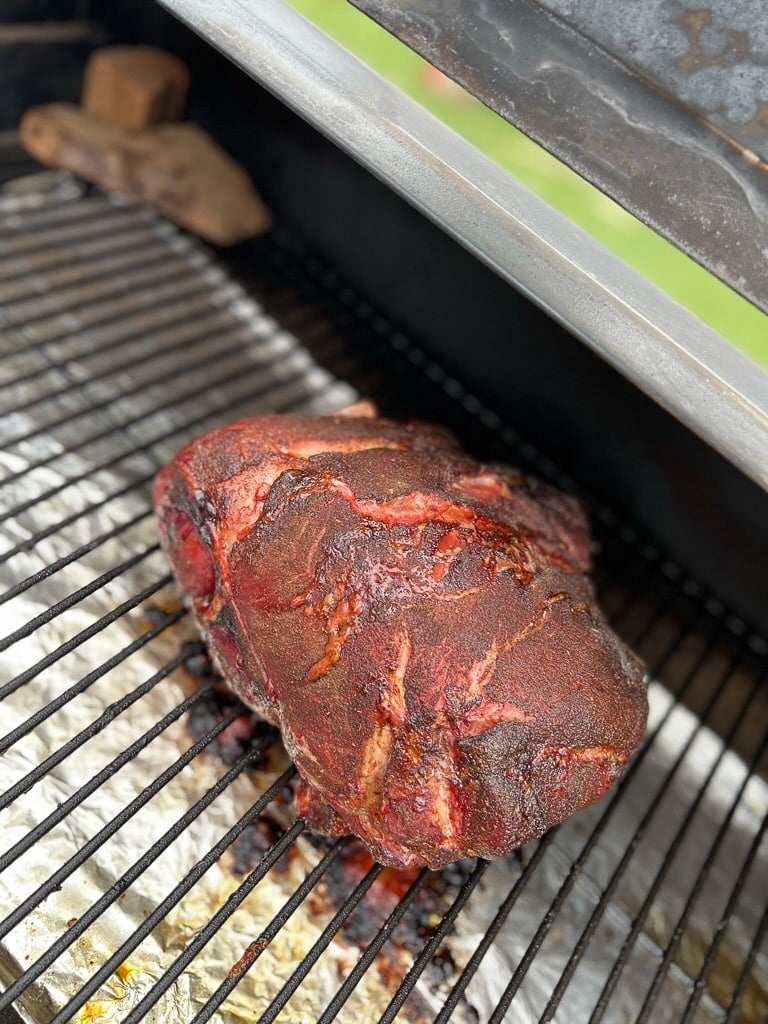
- The Wrap (The Texas Crutch): To push through the stall and help the pork retain moisture, many cooks opt to wrap the Boston Butt in butcher paper or foil once it reaches an internal temperature of around 160°F to 165°F (71°C to 74°C) and has developed a good bark.
- Butcher Paper: This breathable paper allows some steam to escape, helping to maintain a crispy bark while still accelerating the cooking process and retaining moisture.
- Aluminum Foil: Foil creates a tighter seal, steaming the meat more aggressively. This will soften the bark slightly but can speed up the cooking significantly and ensure maximum moisture retention.
Wrap the pork tightly and return it to the grill. Continue cooking until the desired internal temperature of 195°F-205°F is reached and the meat is probe-tender.
Resting and Pulling the Pork
The rest period is as critical as the cooking itself. Skipping this step will result in juices running out, leaving you with dry pork.
The Importance of Resting
Once the Boston Butt reaches your target temperature and is probe-tender (a thermometer probe should slide in and out with little to no resistance), remove it from the grill. If you wrapped it, leave it wrapped. Place the pork on a clean cutting board or in a pan, and tent it loosely with foil or place it in a dry cooler (without ice) to rest.
Allow the pork to rest for a minimum of 1 hour, but ideally 2 to 4 hours. This allows the muscle fibers to relax and reabsorb the juices, ensuring every bite is moist and flavorful. The internal temperature will also slowly drop during this time.
Pulling the Pork
After resting, unwrap the Boston Butt. If you used a bone-in cut, the bone should slide out effortlessly. Discard any large, unrendered pieces of fat.
Using two forks, gloves, or meat claws, shred the pork into bite-sized pieces. Start by pulling the larger chunks apart, then continue to shred until you achieve your desired consistency. Some people prefer larger chunks, while others like a finer shred.
You can toss the pulled pork with a small amount of its own rendered juices from the resting pan to add extra moisture and flavor. At this point, you can also mix in your favorite BBQ sauce if you prefer sauced pulled pork, or serve it on the side for guests to add as they please.
Serving Your Smoked Masterpiece
The versatility of pulled pork is one of its greatest appeals. It’s a crowd-pleaser for any occasion, from casual backyard gatherings to more formal events.
Classic Pairings
The most classic way to serve Boston Butt is as pulled pork sandwiches. Pile the shredded pork high on soft buns, perhaps with a side of coleslaw for a delightful contrast of textures and temperatures.
Other popular serving suggestions include:
- Tacos: Use pulled pork as a flavorful filling for tacos.
- Nachos: Layer pulled pork over tortilla chips with your favorite toppings for a hearty appetizer.
- Platters: Serve pulled pork as part of a larger BBQ platter with sides like macaroni and cheese, baked beans, and potato salad.
- Salads: Add a smoky dimension to your salads by topping them with pulled pork.
Reheating and Storage
Leftover pulled pork can be stored in an airtight container in the refrigerator for up to 3-4 days. To reheat, gently warm it on the stovetop, in the oven, or even back on the pellet grill at a low temperature. Adding a splash of water, broth, or BBQ sauce during reheating will help keep it moist. For longer storage, pulled pork freezes exceptionally well.
Mastering the art of cooking a Boston Butt on a pellet grill is a rewarding culinary pursuit. With a little patience, the right technique, and the exceptional smoky flavor imparted by your grill, you’ll be creating incredibly tender and delicious pulled pork that will impress your family and friends. Enjoy the journey, and savor the results of your smoky labor.
LifeOutOfTheBox is a participant in the Amazon Services LLC Associates Program, an affiliate advertising program designed to provide a means for sites to earn advertising fees by advertising and linking to Amazon.com. Amazon, the Amazon logo, AmazonSupply, and the AmazonSupply logo are trademarks of Amazon.com, Inc. or its affiliates. As an Amazon Associate we earn affiliate commissions from qualifying purchases.