
Food is an intrinsic part of any unforgettable travel experience, a vibrant thread weaving through the tapestry of local culture, history, and daily life. From savoring street food in bustling markets to indulging in gourmet cuisine at a five-star resort, culinary adventures often define our journeys. Among the myriad dishes that tell a story, the Boston Butt pork shoulder roast stands as a monument to American barbecue tradition, particularly in the Southern United States. It’s more than just a cut of meat; it’s an invitation to explore a rich culinary heritage, a cornerstone of countless family gatherings, and a testament to the art of slow cooking.
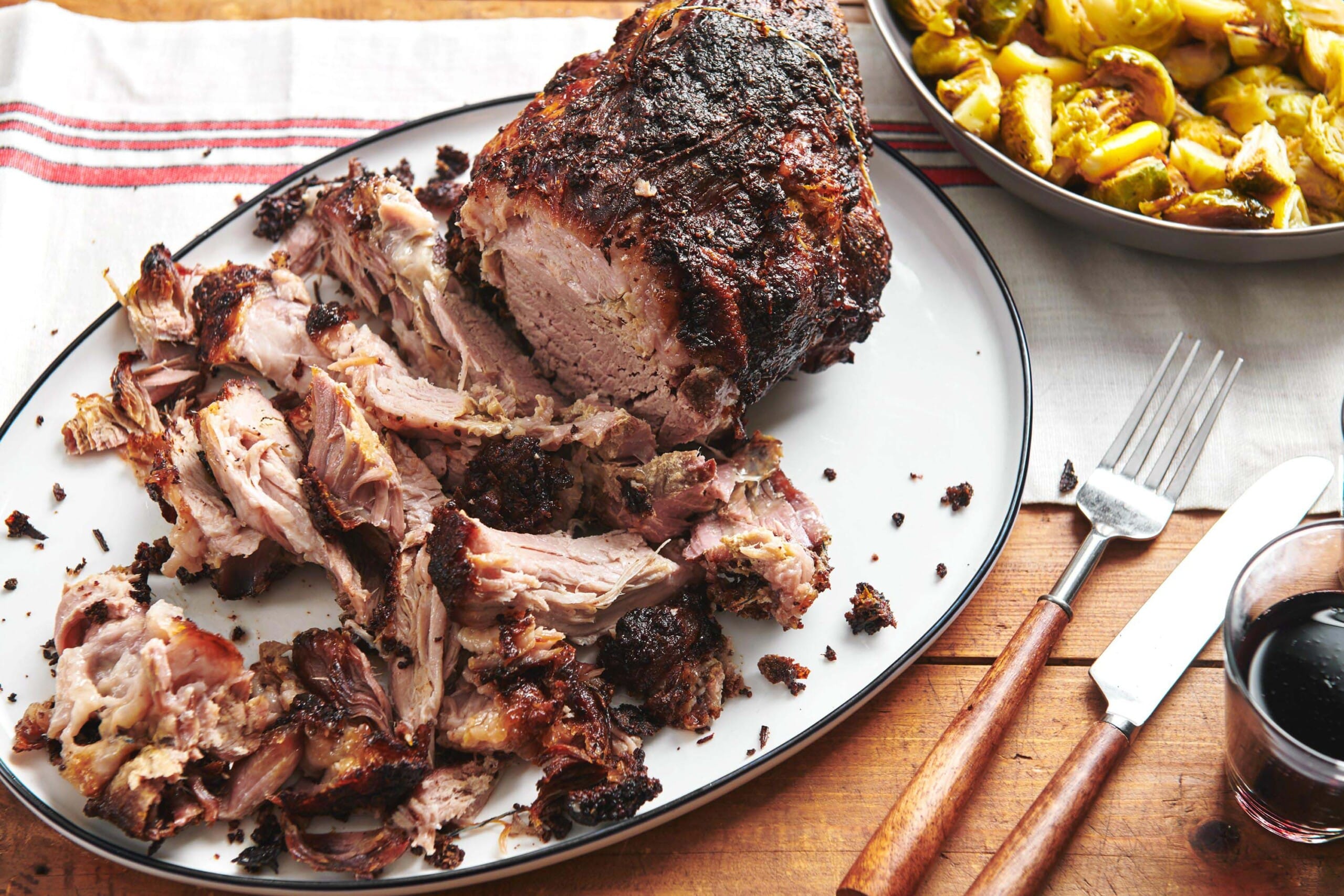
For those who cherish the memories of smoky, succulent pulled pork enjoyed during a road trip through the Carolinas or a visit to a BBQ joint in Kansas City, recreating that magic at home offers a unique way to extend the travel experience. It’s about bringing a piece of your favorite destination back into your own kitchen, transforming a simple meal into a nostalgic journey. This comprehensive guide will not only walk you through the steps of preparing a flawless Boston Butt but also connect this iconic dish to the broader themes of travel, local culture, and a lifestyle rich with authentic experiences.
The Culinary Journey: Tracing the Roots of the Boston Butt
Every dish has a story, and the Boston Butt is no exception. Understanding its origins and cultural significance adds layers of appreciation to the cooking process, transforming a meal into a historical and geographical exploration.
A Taste of American History and Culture
The peculiar name “Boston Butt” often sparks curiosity. It harks back to pre-Revolutionary War New England, specifically Boston, where butchers would pack less prized cuts of pork – primarily the upper part of the shoulder – into wooden barrels called “butts” for storage and transport. This cut, distinct from the lower shoulder (picnic ham), became synonymous with the “butt” barrels from Boston and eventually, the name stuck. While its nomenclature originates in the Northeast, its culinary heart beats loudest in the South, where it became the undisputed king of barbecue.
In Southern cuisine, the Boston Butt is the foundation of traditional pulled pork. Its generous marbling and rich connective tissue are perfectly suited for the low-and-slow cooking methods characteristic of American barbecue, yielding incredibly tender, flavorful meat that practically melts off the bone. This dish is deeply embedded in the cultural fabric of regions like the Carolinas, Memphis, and Texas, each boasting its unique style of preparation and accompanying sauces. Experiencing authentic barbecue in these regions is a key highlight for many travelers, offering a genuine taste of local life and tradition that rivals visiting famous historical landmarks. It’s a sensory attraction, a pilgrimage for food lovers, and an essential part of understanding the diverse gastronomic landscape of the United States.
From Roadside Stands to Culinary Resorts
During your travels, the Boston Butt can be discovered in a remarkable range of settings. You might stumble upon it at a rustic roadside stand in rural Alabama, served on a paper plate with a side of coleslaw, embodying the quintessential budget travel experience. Or, you could find it elevated to gourmet status at a luxurious culinary resort, perhaps as part of a chef’s special tasting menu. Many high-end hotels and resorts, recognizing the appeal of regional authenticity, feature elevated versions of classic dishes. Imagine savoring perfectly smoked pulled pork at an establishment like the Ritz-Carlton Reynolds, Lake Oconee or enjoying a sophisticated take on Southern barbecue amidst the historic charm of The Omni Grove Park Inn in Asheville, North Carolina. These experiences bridge the gap between local culture and luxury lifestyle, offering travelers the best of both worlds.
For those on extended stays or family trips, opting for accommodations with kitchen facilities – such as apartments, villas, or suites – opens up the possibility of hands-on culinary exploration. Instead of solely relying on restaurant dining, you can visit local markets, source fresh ingredients, and attempt to recreate dishes like the Boston Butt yourself. This approach not only offers a more intimate connection with the destination’s food culture but can also be a more budget-friendly way to enjoy exquisite meals, making the most of your long-term stay. It transforms your accommodation into a personal culinary workshop, adding another dimension to your travel adventures.
Crafting Your Own Travel-Inspired Feast: The Boston Butt Recipe
The true reward of appreciating a dish’s journey lies in the ability to recreate it. Mastering the Boston Butt at home is a culinary achievement that brings the essence of Southern barbecue directly to your dining table, offering a delicious taste of your travels.
Essential Ingredients and Tools for an Authentic Experience
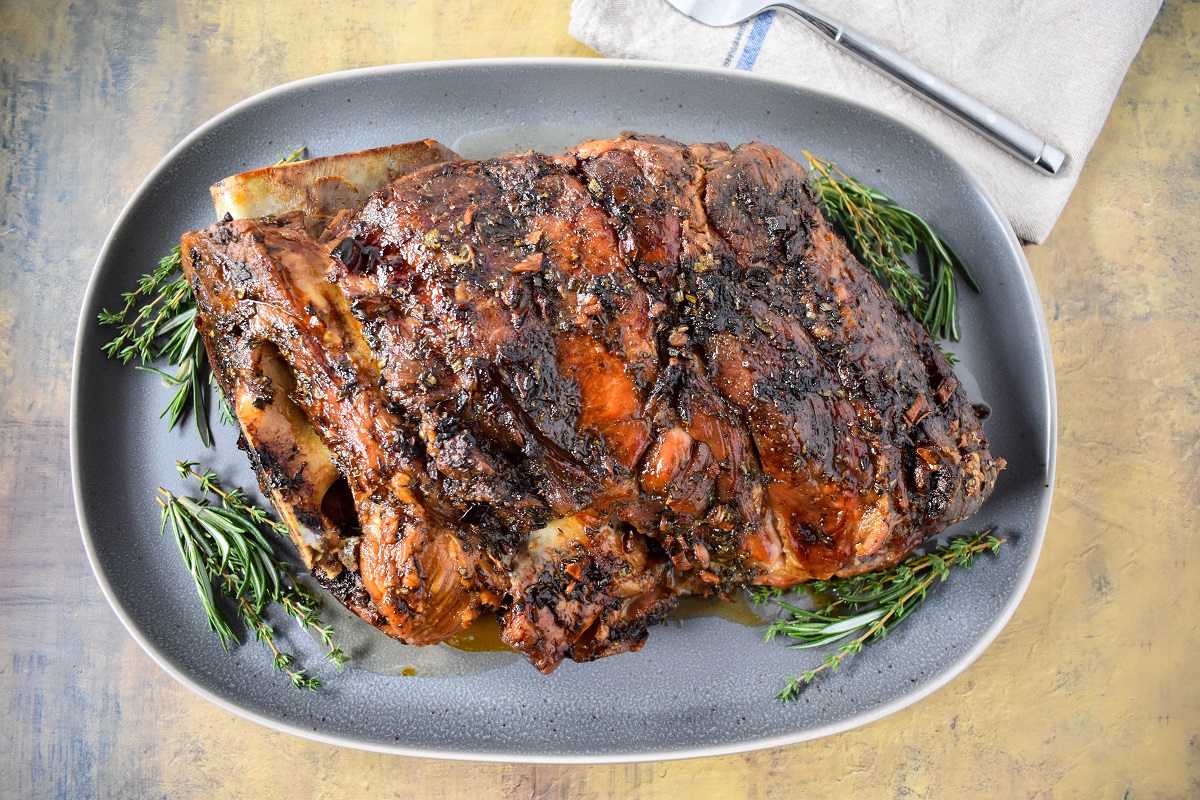
To embark on this flavorful adventure, you’ll need the right ingredients and equipment. Quality is key, as is patience – this dish thrives on slow cooking.
Ingredients:
- The Pork: A 6-8 pound Boston Butt (pork shoulder, bone-in or boneless, though bone-in often offers more flavor).
- Dry Rub: A robust blend of spices is crucial for developing that iconic bark and flavor. A good starting point includes:
- ½ cup packed light brown sugar
- ¼ cup paprika (smoked paprika for an extra layer of flavor)
- 2 tablespoons garlic powder
- 2 tablespoons onion powder
- 2 tablespoons coarse kosher salt
- 1 tablespoon black pepper
- 1 teaspoon cayenne pepper (adjust to your spice preference)
- Optional additions: mustard powder, cumin, chili powder.
- Mop/Basting Liquid (optional, but recommended for moisture):
- 1 cup apple cider vinegar
- ½ cup water or chicken broth
- 1 tablespoon Worcestershire sauce
- 1 teaspoon dry rub ingredients (optional, for extra flavor)
- For Serving:
- Your favorite barbecue sauce (consider regional styles like Carolina Vinegar Sauce or a thick, sweet Kansas City Sweet Sauce)
- Buns, coleslaw, pickles (for traditional pulled pork sandwiches).
Tools:
- Roasting Pan with Rack: Essential for air circulation around the roast.
- Instant-Read Meat Thermometer: Non-negotiable for ensuring perfect doneness and food safety.
- Aluminum Foil: For resting and the “Texas Crutch” method.
- Basting Brush (if using a mop sauce).
- Shredding Claws or Two Forks: For pulling the pork.
- Optional (but highly recommended for true BBQ flavor): A smoker (pellet, offset, kamado-style) and wood chunks (hickory, apple, pecan, or cherry are excellent choices).
Sourcing local ingredients, especially high-quality pork from a reputable butcher, can significantly enhance the flavor and authenticity of your roast. This commitment to local produce is a cornerstone of responsible tourism and a rewarding aspect of culinary exploration.
Step-by-Step Guide to a Succulent Roast
The secret to an exceptional Boston Butt lies in patience and consistent low heat.
- Preparation (The Night Before or Hours Ahead):
- Trim: Unwrap the pork shoulder and pat it thoroughly dry with paper towels. You can trim off some of the harder fat cap, but leave a good ¼ to ½ inch to help keep the meat moist during the long cook.
- Rub: In a bowl, combine all your dry rub ingredients. Apply the rub generously and evenly over the entire surface of the pork, pressing it firmly into the meat. Don’t be shy; this forms the delicious “bark.”
- Rest: Place the rubbed pork in a large pan, cover it loosely with plastic wrap, and refrigerate for at least 4 hours, or ideally, overnight. This allows the rub to penetrate the meat and start forming a crust.
- Pre-Cooking Setup:
- Remove the pork from the refrigerator about an hour before cooking to bring it closer to room temperature.
- Oven Method: Preheat your oven to a low temperature, typically between 225°F (107°C) and 275°F (135°C). The lower the temperature, the longer it takes, but the more tender and moist the result. Place the pork on a rack set inside a large roasting pan.
- Smoker Method: If using a smoker, preheat it to the same temperature range (225-275°F / 107-135°C). Add your chosen wood chunks to create a consistent, clean smoke.
- The Low and Slow Cook:
- Place the pork shoulder in your preheated oven or smoker.
- Initial Cook: Allow the pork to cook undisturbed for the first 3-5 hours to allow the bark to set. Avoid opening the oven/smoker door unnecessarily, as this causes temperature fluctuations.
- Mop (Optional): If using a mop sauce, start basting every 1-2 hours after the initial bark has formed.
- The Stall (Crucial Point): Around the 6-10 hour mark, you’ll likely encounter “the stall.” This is when the internal temperature of the pork plateaus, often between 150-170°F (65-77°C), due to evaporative cooling. Don’t panic!
- The Texas Crutch (Optional, but Recommended): To push through the stall and keep the meat moist, you can wrap the pork tightly in two layers of heavy-duty aluminum foil (or butcher paper if smoking). This traps moisture and helps the temperature rise. Return the wrapped pork to the oven or smoker.
- Target Temperature and Doneness:
- Continue cooking until the internal temperature reaches between 195°F (90°C) and 205°F (96°C) for optimal shreddability. The total cooking time can vary significantly, usually between 1.5 to 2 hours per pound, so an 8-pound butt could take 12-16 hours or even longer. Focus on temperature and tenderness, not just time. The meat should feel incredibly tender when probed with your thermometer, with little resistance.
- Resting (Do Not Skip!):
- Once the desired temperature and tenderness are reached, remove the pork from the oven/smoker. If it’s not already wrapped, wrap it tightly in foil. For even better results, wrap the foiled pork in a towel and place it in an empty cooler for at least 1-2 hours (or even up to 4 hours). This resting period allows the juices to redistribute throughout the meat, resulting in a significantly more moist and flavorful product.
- Pulling the Pork:
- Unwrap the rested pork (carefully, there will be a lot of delicious liquid). The bone, if present, should slide out easily.
- Using shredding claws or two forks, shred the pork into tender strands. Discard any large pieces of fat.
- Mix some of the accumulated juices back into the pulled pork to keep it moist and add flavor.
- Serving:
- Serve your succulent pulled pork on soft buns with coleslaw and pickles, drizzled with your favorite barbecue sauce. This is how you recreate the authentic experience you might have encountered in a cozy diner in Charleston or a lively food festival in New Orleans.
Beyond the Plate: Integrating Culinary Skills into Your Lifestyle
Cooking a Boston Butt is more than just following a recipe; it’s an immersive experience that resonates with a lifestyle of discovery and appreciation for authentic culture.
Hosting a Southern BBQ: Bringing the Destination Home
Imagine transforming your backyard or dining room into a lively Southern barbecue joint. Successfully preparing a Boston Butt empowers you to host an unforgettable gathering, bringing the warmth and flavors of a cherished travel destination directly to your home. This is a fantastic way to share your passion for travel and food with friends and family, creating new memories around a shared meal. Pair your pulled pork with classic sides like mac and cheese, collard greens, cornbread, and, of course, plenty of sweet tea or craft beers from regions renowned for their BBQ. Such events celebrate the joy of good food and good company, embodying a relaxed, experience-rich lifestyle. It’s an ideal way to relive family trips or share stories from your adventures, all while enjoying a masterpiece you created.

The Art of Slow Food: A Mindful Approach to Travel and Eating
The process of cooking a Boston Butt is a lesson in patience and the philosophy of “slow food.” This approach mirrors the growing trend of slow travel, where the emphasis is on savoring the journey, engaging deeply with local cultures, and appreciating the nuances of a destination rather than rushing from one landmark to another. By dedicating hours to coaxing tenderness and flavor from a simple cut of meat, you develop a deeper appreciation for the craft, much like spending time understanding the history behind a famous monument or observing daily life in a foreign city.
Embracing this mindful approach extends to how we seek out food experiences while traveling. Instead of defaulting to fast food or tourist traps, seek out local eateries, farmers’ markets, and even cooking classes. Imagine taking a culinary workshop in New Orleans to learn about Cajun and Creole spices, or exploring the vibrant food scene in Austin, Texas. These immersive activities provide invaluable insights into local culture and often lead to the most memorable “souvenirs” – new skills and recipes to bring home. The Boston Butt is a perfect example of how a singular dish can encapsulate a rich cultural narrative, inviting you to be an active participant in its story, both on the road and in your own kitchen.
In conclusion, cooking a Boston Butt pork shoulder roast is far more than a mere culinary task; it’s an extension of the travel experience itself. From tracing its historical roots in Boston to savoring its perfected form in the barbecue capitals of the South, every step is a journey. By mastering this iconic dish, you bring the flavors, stories, and cultural richness of diverse destinations into your home, transforming a meal into a cherished memory. Whether you’re planning your next adventure to a culinary hotspot or simply reliving past trips through the art of cooking, let the Boston Butt be your passport to an unforgettable experience, one succulent bite at a time.
LifeOutOfTheBox is a participant in the Amazon Services LLC Associates Program, an affiliate advertising program designed to provide a means for sites to earn advertising fees by advertising and linking to Amazon.com. Amazon, the Amazon logo, AmazonSupply, and the AmazonSupply logo are trademarks of Amazon.com, Inc. or its affiliates. As an Amazon Associate we earn affiliate commissions from qualifying purchases.