
There are few culinary experiences as deeply satisfying as the perfect Boston Butt Roast. This iconic cut of pork, synonymous with tender, flavorful pulled pork, isn’t just a meal; it’s a journey into the heart of American South barbecue traditions. For those of us with a passion for travel and a love for authentic local culture, learning how to prepare a Boston Butt at home is like bringing a piece of a cherished destination right into your kitchen. It’s an immersion into a lifestyle that values slow, deliberate cooking, communal feasts, and the unparalleled joy of truly delicious food.
While many might associate this dish with smoky backyard grills and dedicated pitmasters in Texas, the Carolinas, or Kansas City, the beauty of the Boston Butt lies in its versatility. You don’t need a professional smoker or years of experience to achieve succulent results. Whether you’re planning a cozy gathering with family and friends after a long road trip, or simply want to elevate your culinary skills from the comfort of your apartment or even a well-equipped vacation villa, this guide will walk you through the steps to cooking a Boston Butt roast that tastes like it came straight from a renowned BBQ festival.
This isn’t just about a recipe; it’s about understanding the heritage, the techniques, and how a simple cut of meat can embody the spirit of regional tourism and culinary experiences. So, let’s fire up our imaginations and our ovens (or smokers) and embark on this flavorful adventure.
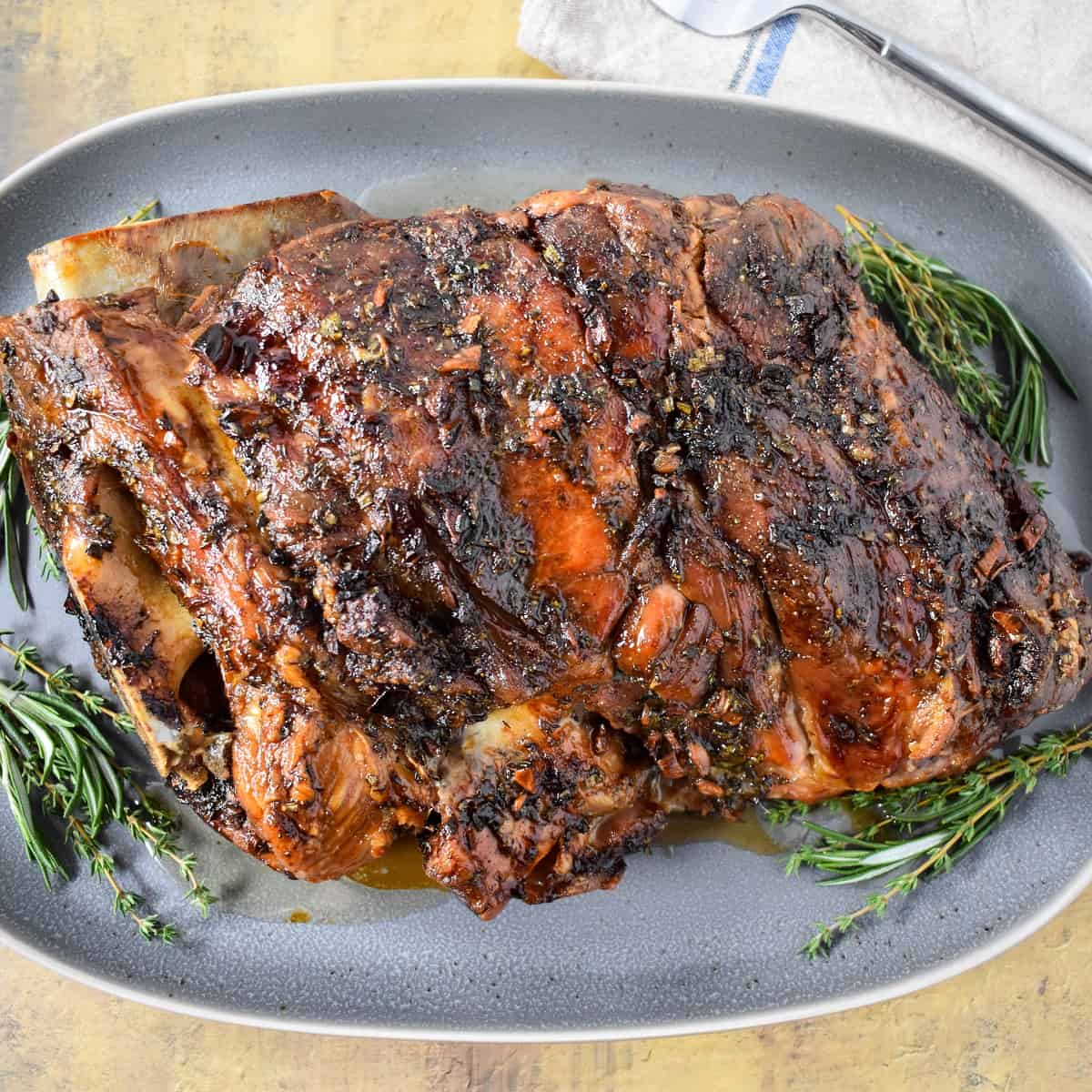
The Culinary Journey of the Boston Butt: A Taste of American Heritage
Before we dive into the specifics of cooking, let’s appreciate the rich history and unique characteristics of this beloved pork cut. Understanding its origins and regional significance adds another layer of enjoyment to the cooking process, transforming a simple meal into a tribute to American heritage.
Unpacking the Boston Butt: What Exactly Is It?
Despite its misleading name, a “Boston Butt” is not from a pig’s rear, nor is it exclusive to Boston. In fact, it’s the upper part of the pig’s shoulder, known for its rich marbling and connective tissue, which, when cooked low and slow, renders into unbelievably tender, juicy meat. The “butt” designation likely comes from a colonial-era practice in New England. Butchers in Boston would pack less-prized cuts of pork, including the shoulder, into wooden barrels called “butts” for storage and transport. Over time, this particular cut became known as the “Boston Butt.”
This cut is typically sold bone-in, which imparts even more flavor and moisture during cooking, though boneless versions are also available. Its generous fat content is a secret weapon, basting the meat from within and contributing to that melt-in-your-mouth texture that makes pulled pork so irresistible. It’s the perfect canvas for a myriad of rubs, sauces, and smoke flavors, making it a cornerstone of barbecue culture across the country.
Regional Roots and BBQ Mecca Destinations
While its name points north, the heart and soul of Boston Butt BBQ reside firmly in the American South. Each region, even individual states, boasts its own distinct style and fiercely guarded traditions:
- North Carolina: Often considered the birthplace of American barbecue, North Carolina is divided into Eastern and Lexington (Piedmont) styles. Eastern style uses the whole hog, often chopped, with a vinegar-based sauce. Lexington style, or Western North Carolina BBQ, focuses on pork shoulder (Boston Butt) with a vinegar and tomato-based sauce. Visiting Raleigh, Charlotte, or even smaller towns offers endless opportunities to sample these diverse culinary traditions.
- South Carolina: Famous for its distinctive mustard-based “Carolina Gold” sauce, particularly in the midlands region. Pulled pork cooked from a Boston Butt is a staple here, providing a unique flavor profile that’s a must-try for any food tour enthusiast. Charleston and Columbia are excellent starting points for a delicious exploration.
- Texas: While known more for its brisket, Texas BBQ also embraces pork shoulder, particularly in certain regions. The emphasis is often on dry rubs and long smoking times over wood like post oak. A trip to Austin or Dallas isn’t complete without a stop at one of their legendary smokehouses.
- Kansas City: The “BBQ Capital of the World” offers a wide variety of meats and a thick, sweet, molasses-and-tomato-based sauce. Boston Butt is a popular choice, absorbing the rich smoke and sauce wonderfully. Memphis is another pivotal BBQ city, famous for its dry rubs and competitions like the Memphis in May World Championship Barbecue Cooking Contest.
Understanding these regional nuances helps you appreciate the versatility of the Boston Butt and might even inspire your next culinary adventure. Many travelers plan entire itineraries around sampling the best barbecue, staying in charming Historic District Boutique Hotels or modern Urban Gourmet Lofts to fully immerse themselves in the local culinary scene.
Mastering the Art of Boston Butt: Bringing the Smokehouse Home
Now that we appreciate the legacy of the Boston Butt, let’s roll up our sleeves and get cooking. The goal is simple: tender, juicy, pull-apart pork with a beautiful “bark” (the flavorful crust) and a smoky essence, whether you use a smoker, an oven, or a slow cooker.
Essential Preparation: Rubs, Brines, and Patience
The foundation of a great Boston Butt begins long before it hits the heat.
- Choosing Your Butt: Select a bone-in Boston Butt, ideally 6-8 pounds. Look for good marbling – streaks of fat throughout the meat – as this translates to moisture and flavor.
- Trimming (Optional but Recommended): While a good fat cap protects the meat during long cooks, excessive fat can hinder bark formation. Trim any overly thick areas of hard fat, leaving about a ¼-inch layer.
- The Dry Rub: This is where personality comes in. A good dry rub typically contains salt, black pepper, paprika (for color and flavor), garlic powder, onion powder, brown sugar (for caramelization), and a hint of cayenne or chili powder for kick.
- Our Signature Travel-Inspired Rub:
- ¼ cup brown sugar
- ¼ cup smoked paprika
- 2 tablespoons kosher salt
- 2 tablespoons black pepper
- 1 tablespoon garlic powder
- 1 tablespoon onion powder
- 1 teaspoon cayenne pepper (adjust to your spice preference)
- 1 teaspoon dry mustard
- Application: Pat the roast dry with paper towels. Generously coat the entire surface with your chosen rub, pressing it gently to adhere. Don’t be shy; this forms the coveted “bark.”
- Our Signature Travel-Inspired Rub:
- The Overnight Rest (Crucial for Flavor): Once rubbed, place the butt on a wire rack set over a baking sheet and refrigerate for at least 8 hours, or preferably overnight. This allows the rub to penetrate the meat and the surface to dry out slightly, aiding in bark development. Think of it as a pre-trip preparation, like planning your accommodation in advance.
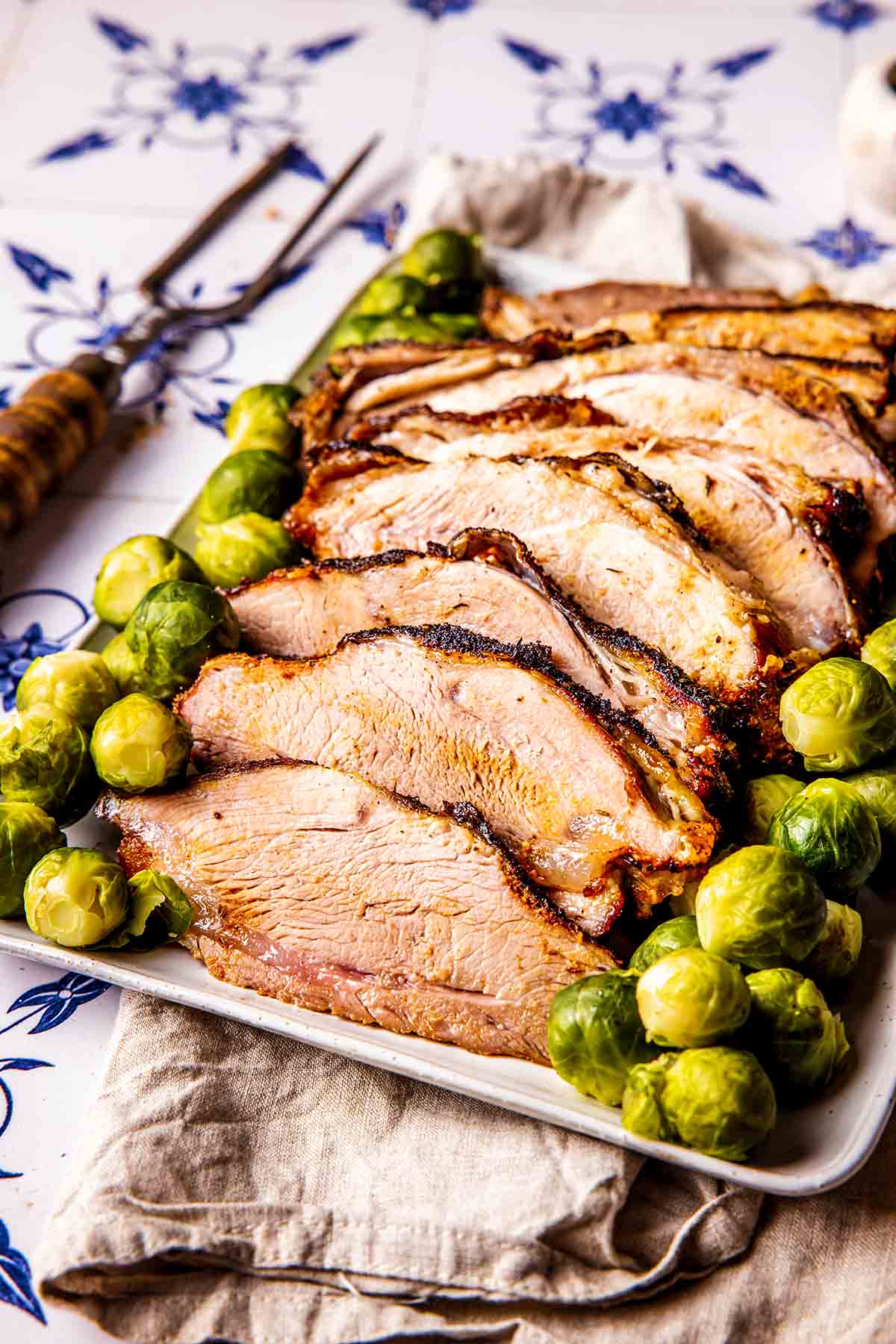
The ‘Low and Slow’ Philosophy: Methods for Success
The mantra for Boston Butt is “low and slow.” This cooking method breaks down the tough connective tissues into gelatin, resulting in that signature tender, shreddable texture.
Method 1: The Smoker (The Purist’s Choice)
This is the traditional method and arguably yields the most authentic flavor.
- Preheat Your Smoker: Aim for a consistent temperature of 225-275°F (107-135°C). Oak, hickory, and apple woods are excellent choices for pork.
- The Cook: Place the rubbed butt directly on the smoker grates. Expect roughly 1.5-2 hours per pound, but always cook to internal temperature, not time.
- The Stall: Around 150-170°F (65-77°C), the internal temperature will “stall” for several hours as moisture evaporates from the surface, cooling the meat. This is normal.
- The Wrap (Optional but Recommended): Once the bark has formed and the stall hits, many pitmasters wrap the butt tightly in butcher paper or foil. This pushes it through the stall faster and keeps the meat exceptionally moist.
- Target Temperature: Continue cooking until the internal temperature reaches 200-205°F (93-96°C) and a probe inserts with almost no resistance, “like butter.”
Method 2: The Oven (Accessible and Delicious)
Don’t have a smoker? No problem! Your oven can produce fantastic results.
- Preheat Oven: Preheat to 250-275°F (120-135°C).
- Prep: Place the rubbed butt on a wire rack set in a sturdy roasting pan. To add a smoky essence, you can place a pan with a few drops of liquid smoke and a little water at the bottom of the oven or alongside the roast.
- The Cook: Cook for approximately 2 hours per pound. For an 8-pound butt, this could be 16 hours or more.
- Moisture & Flavor: You can spritz the butt every few hours with apple cider vinegar or apple juice to keep it moist and add flavor.
- Wrap: As with smoking, wrapping in foil around the 170°F (77°C) mark will help retain moisture and expedite the cook.
- Target Temperature: Cook until it reaches 200-205°F (93-96°C) and is fork-tender.
Method 3: The Slow Cooker (Effortless for Busy Travelers)
For the ultimate set-it-and-forget-it approach, perfect for those with a bustling business stay or full day of activities planned.
- Sear (Optional): For extra flavor and color, quickly sear all sides of the rubbed butt in a hot skillet before transferring to the slow cooker.
- Liquid Base: Place the seared butt in the slow cooker. Add about ½ cup of liquid—chicken broth, apple juice, or even a bit of BBQ sauce—to the bottom.
- The Cook: Cook on low for 8-10 hours, or on high for 5-6 hours, until the meat is easily shreddable. While you won’t get a crispy bark, the tenderness and flavor will be exceptional. This method is ideal if you’re staying in hotels or suites with limited cooking facilities.
Perfecting the Pull: From Roast to Rhapsody
The journey doesn’t end when the butt comes off the heat. The final step is crucial for ultimate tenderness and flavor.
- The Rest: This is non-negotiable. Once the butt reaches its target temperature, remove it from the heat (still wrapped if you did so) and let it rest at room temperature for at least 1-2 hours. For larger butts, up to 3 hours is ideal. This allows the juices to redistribute throughout the meat, resulting in a more tender and moist product. Skipping this step is like cutting a family vacation short before visiting the main landmarks.
- The Shred: Once rested, unwrap the butt. The bone should pull out cleanly. Using two forks or bear claws, shred the pork, discarding any large pieces of fat or gristle. Mix the shredded pork with some of the accumulated juices from the pan to keep it moist and flavorful.
- Sauce It Up: Serve plain or lightly sauced with your favorite BBQ sauce. Some prefer to mix the sauce in, while others prefer to let guests add it at the table.
Integrating Boston Butt into Your Travel & Lifestyle Narrative
Cooking a Boston Butt roast at home is more than just making a meal; it’s embracing a particular approach to lifestyle and tourism that prioritizes rich experiences and shared moments.
From Food Tours to Family Feasts: Boston Butt for Every Occasion
The versatility of pulled pork made from a Boston Butt is astounding, making it a perfect fit for various travel and lifestyle scenarios:
- Culinary Guides & Experiences: Imagine a culinary world tour that starts in your kitchen. Mastering the Boston Butt is your first stamp on that passport. It’s a great dish to learn before you embark on actual food tours across the American South, allowing you to appreciate the nuances of different regional styles with a more educated palate. You’ll understand the art form when visiting a Smoky Joe’s BBQ in Nashville or a Carolina Smokehouse in Charleston.
- Family Feasts and Gatherings: A Boston Butt roast is ideal for feeding a crowd. Whether it’s a reunion, a backyard barbecue, or a holiday meal, pulled pork is universally loved and incredibly satisfying. For families planning long-term stays in villas or resorts, preparing a large roast can provide delicious leftovers for days, saving time and money on dining out.
- Budget Travel & DIY Dinners: While luxury travel might involve Michelin-starred dining, budget travel often means cooking for yourself. The Boston Butt is an economical cut of meat that stretches far, offering gourmet flavors without the gourmet price tag. It’s a fantastic meal to prepare in your vacation apartment kitchen, giving you more funds to explore attractions or other local activities.
- Business Stays and Extended Trips: For digital nomads or business travelers on extended assignments, cooking a Boston Butt in a well-equipped executive suite or serviced apartment can be a comforting taste of home. The slow cooking process means minimal active time, allowing you to focus on work while dinner prepares itself.
Where to Savor the Best: Top BBQ Destinations and Accommodation Links
Experiencing authentic pulled pork at its source is an unforgettable part of any culinary tourism itinerary. Here are a few top cities to consider for your next BBQ-focused travel adventure, along with ideas for where to find premium accommodation:
- Kansas City, Missouri: Home to legendary joints like Arthur Bryant’s and Gates Bar-B-Q. For your stay, consider the InterContinental Kansas City at the Plaza for luxury, or a cozy Airbnb in the Crossroads Arts District for a more local vibe.
- Memphis, Tennessee: Known for dry-rubbed ribs and pulled pork, with iconic places like Rendezvous and Central BBQ. The historic Peabody Memphis is a fantastic luxury option, or explore boutique hotels near Beale Street for vibrant nightlife and music.
- Austin, Texas: While famous for brisket, places like Franklin Barbecue and La Barbecue also offer incredible pork shoulder. Enjoy the vibrant Austin scene with a stay at The LINE Austin or a trendy hotel in South Congress.
- Charleston, South Carolina: Experience Carolina Gold sauce and smoky pulled pork at spots like Rodney Scott’s BBQ. Stay at The Palmetto Grand Hotel for elegance or a charming guesthouse in the Historic District.
- St. Louis, Missouri: An emerging BBQ hotspot, St. Louis has a unique style. Explore establishments like Pappy’s Smokehouse during your visit. For accommodation, downtown St. Louis offers various hotels and suites with easy access to landmarks like the Gateway Arch. Q in the Lou is a fantastic festival here.
Researching reviews and comparison sites for hotels and resorts in these BBQ havens is an essential part of planning, ensuring you have the perfect base for your culinary explorations. Many offer excellent amenities that cater to food lovers, from concierge recommendations to cooking classes.
Beyond the Plate: The Cultural Significance and Global Appeal
The Boston Butt, and the pulled pork it yields, represents more than just a delicious meal. It embodies a rich cultural significance, a symbol of hospitality, community, and the slow pace of life that allows for such culinary masterpieces. It’s a dish that brings people together, fostering conversations and creating lasting memories.
Even in our increasingly globalized world, the distinct regional styles of American barbecue, including the art of cooking a Boston Butt, maintain their unique identities. Yet, their influence has begun to spread, inspiring chefs and food enthusiasts across Europe, Asia, and beyond to experiment with low and slow cooking techniques. This reflects the global appeal of comfort food and the universal language of flavor.
Whether you’re a seasoned traveler always on the lookout for authentic local culture and cuisine, or an aspiring home cook eager to expand your repertoire, mastering the Boston Butt is a rewarding endeavor. It connects you to a storied culinary past and offers a versatile, crowd-pleasing dish that perfectly complements any lifestyle – from impromptu backyard gatherings to meticulously planned family trips.
So, arm yourself with a good rub, a patient spirit, and perhaps a guide to the nearest BBQ joint for inspiration. The journey of cooking a Boston Butt roast is one worth savoring, bite by delicious bite.
LifeOutOfTheBox is a participant in the Amazon Services LLC Associates Program, an affiliate advertising program designed to provide a means for sites to earn advertising fees by advertising and linking to Amazon.com. Amazon, the Amazon logo, AmazonSupply, and the AmazonSupply logo are trademarks of Amazon.com, Inc. or its affiliates. As an Amazon Associate we earn affiliate commissions from qualifying purchases.