
Embarking on a culinary journey can be just as enriching as exploring a new destination. While New York City is celebrated for its iconic landmarks and vibrant culture, it’s also a mecca for food lovers, particularly those with a penchant for an exceptionally cooked steak. The New York strip steak, a cut revered for its robust flavor and satisfying texture, is a staple of America’s most prestigious steakhouses. But what if you crave that quintessential steakhouse experience without leaving the comfort of your home or your cozy apartment rental during a long-term stay? Or perhaps you’re a seasoned traveler who misses the gastronomic delights of a luxury travel experience and wishes to recreate it?
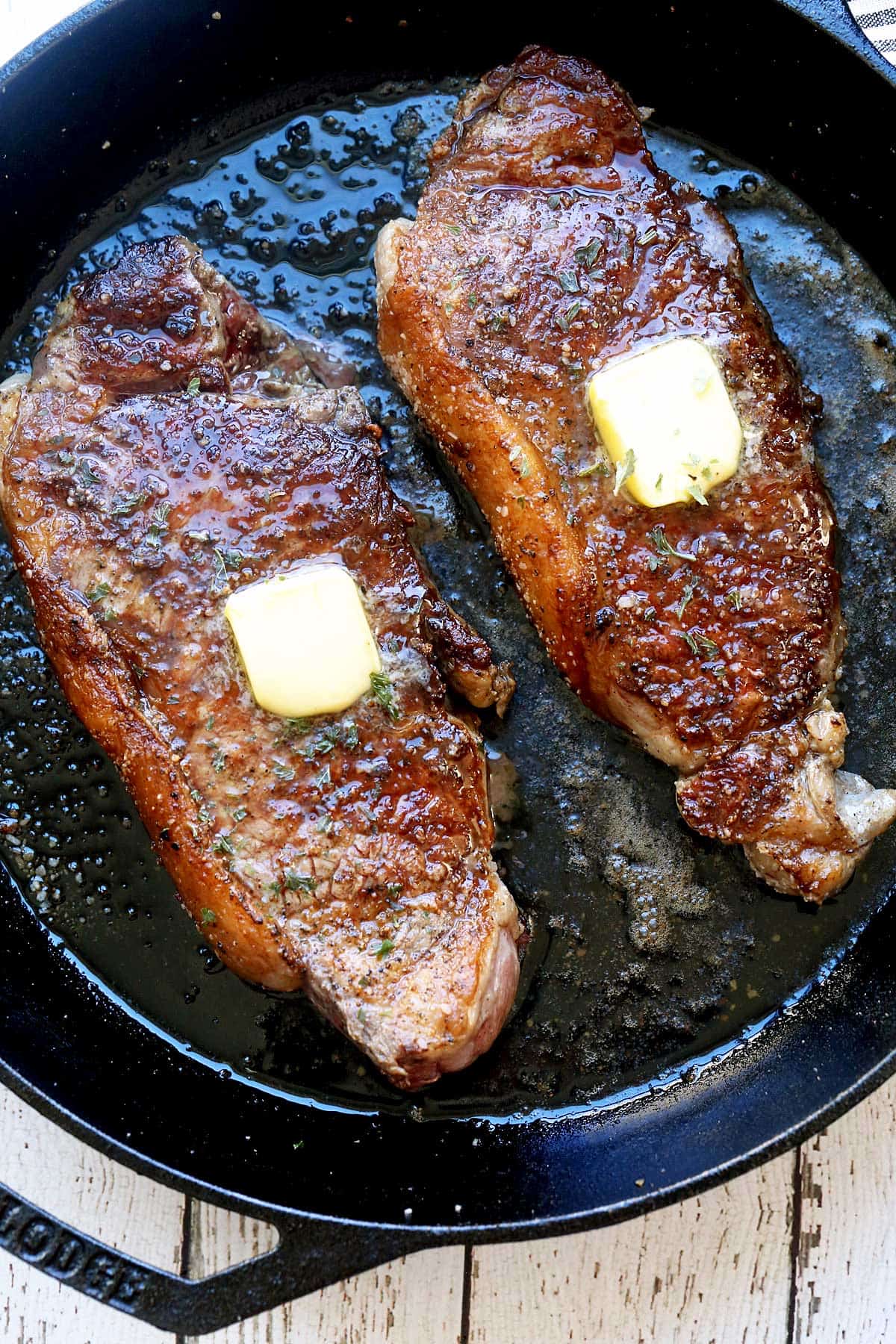
Fret not, aspiring home chefs and travel enthusiasts! Mastering the art of cooking a New York strip steak on a stove is a surprisingly accessible skill that elevates your home dining to an experience worthy of any five-star hotel or resort. This guide will walk you through the process, from selecting the perfect cut to achieving that enviable crust and juicy interior, infusing your kitchen with the spirit of New York’s finest eateries. It’s about more than just cooking; it’s about embracing a lifestyle where great food is an integral part of life’s rich tapestry, whether you’re exploring local culture abroad or savoring a quiet evening in.
The Essence of a New York Strip: Selecting Your Star Ingredient
Before you even think about firing up the stove, the foundation of a magnificent steak lies in your choice of meat. The New York strip, also known as a Kansas City strip, shell steak, or simply strip steak, is a boneless cut from the short loin. It’s prized for its fine grain, tender texture, and a generous cap of fat along one side, which renders down beautifully during cooking, infusing the meat with incredible flavor.
What Makes a New York Strip Special?
The allure of the New York strip stems from its ideal balance of tenderness and robust beefy flavor. Unlike a tenderloin, which is incredibly tender but milder in taste, or a ribeye, which is fattier and richer, the strip offers a satisfying chew and distinct beefiness that stands on its own. Its relatively uniform thickness makes it excellent for achieving an even cook, a crucial factor when searing on the stove. Look for a steak that is at least 1 to 1.5 inches thick for optimal results, allowing for a good crust without overcooking the interior. Thinner steaks are prone to cooking too quickly, making it harder to achieve a perfect medium-rare.
The quality of the marbling – the intramuscular fat streaks – is another critical indicator. Well-marbled steaks are more flavorful, juicy, and tender. While prime grade beef boasts the highest marbling, a good choice or even select grade can yield excellent results if properly cooked. For those who appreciate the finer things, seeking out dry-aged New York strips from specialty butchers can elevate the experience even further. Dry aging concentrates the beef’s flavor and tenderizes the meat, offering an unparalleled depth often found in high-end steakhouses, a definite treat for anyone accustomed to luxury travel experiences.
Sourcing the Perfect Steak
Finding the right steak is part of the adventure. While many supermarkets offer decent cuts, for an truly exceptional experience that rivals a high-end restaurant you might encounter during your travels, consider visiting a reputable local butcher. They can provide insights into the meat’s origin, aging process, and offer advice tailored to your preferences. A good butcher shop is often a cornerstone of local culture, and supporting these local businesses adds another layer of authenticity to your culinary endeavor. Engaging with local purveyors is one of the joys of immersing oneself in a new place, and that same principle applies to sourcing quality ingredients at home. When you’re looking for a steak that truly represents the quality you’d expect from a New York City eatery, don’t shy away from asking questions about where the beef comes from and how it’s been handled. This attention to detail transforms a simple meal into an experience.
Preparing for Perfection: Tools, Techniques, and Temperament
Cooking a steak isn’t just about heat; it’s about preparation, precision, and patience. Just like planning an intricate travel itinerary for a business trip or a family trip, each step contributes to the overall success.
Essential Equipment
You don’t need a professional kitchen to achieve steakhouse-quality results. A few key pieces of equipment will suffice:
- Cast Iron Skillet: This is your secret weapon. Cast iron retains heat exceptionally well and distributes it evenly, allowing you to achieve that coveted deep brown, crispy crust. A 10-inch or 12-inch skillet is ideal for one or two steaks.
- Tongs: Essential for safely flipping the steak and holding it to sear the fat cap.
- Meat Thermometer: Non-negotiable for perfectly cooked steak. An instant-read thermometer ensures you hit your desired doneness without guesswork.
- Cutting Board: A sturdy board with a juice groove is ideal for carving your steak after it rests.
- Aluminum Foil: For tenting the steak during resting.
Pre-Cooking Prep: The Foundation of Flavor
The preparation steps before the steak even touches the pan are crucial for flavor and texture.
- Bring to Room Temperature: This is perhaps the most overlooked step. Remove your steak from the refrigerator at least 30-60 minutes before cooking. A cold steak hitting a hot pan will cook unevenly, leading to an overcooked exterior and a raw interior. Bringing it to room temperature allows for more uniform cooking.
- Pat Dry: Moisture is the enemy of a good sear. Use paper towels to thoroughly pat both sides of your steak dry. Any surface moisture will steam rather than sear, preventing that delicious crust from forming.
- Season Generously: Simplicity is key for a quality steak. Coarse sea salt (like Maldon Sea Salt) and freshly cracked black pepper are your best friends. Season liberally on all sides, pressing the seasoning into the meat. Some prefer to add a touch of garlic powder or onion powder, but let the beef shine. Seasoning 15-20 minutes before cooking, or even just before cooking, works well. If you season too far in advance (e.g., hours), the salt can draw moisture out of the steak, which then needs to be re-absorbed.
The Stove-Top Sizzle: Mastering the Cook
This is where the magic happens – the transformation of raw meat into a glorious, seared masterpiece. It’s an act of culinary tourism right in your kitchen, reminiscent of the vibrant food scene in Brooklyn or Manhattan.
Achieving the Perfect Sear
The secret to a great stove-top steak is high heat.
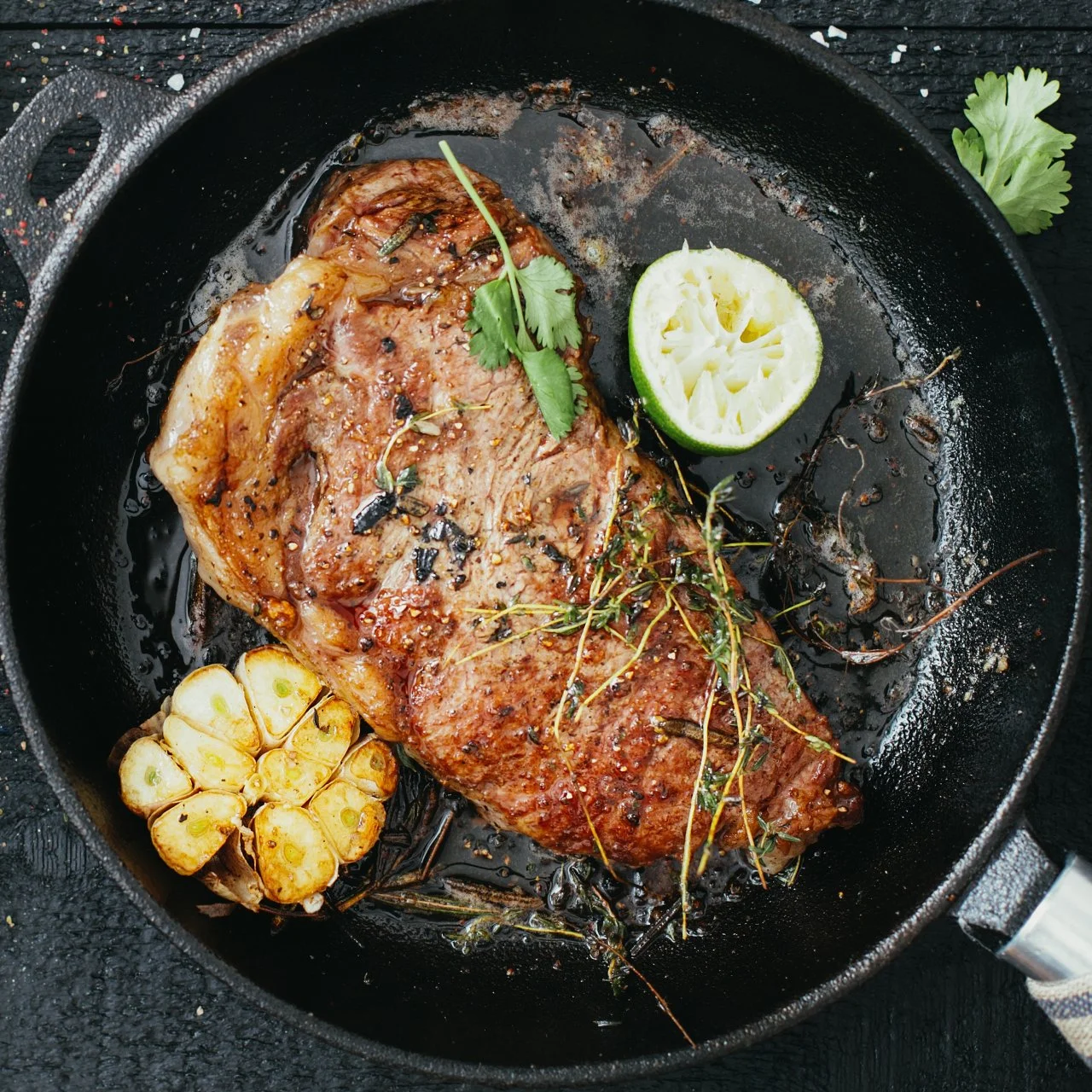
- Preheat Your Skillet: Place your cast iron skillet over medium-high to high heat. Let it preheat for 5-10 minutes until it’s smoking slightly. This ensures an intensely hot surface for an immediate sear.
- Add High Smoke Point Oil: Add a tablespoon or two of a high smoke point oil, such as grapeseed, avocado, or canola oil, to the hot skillet. Swirl to coat the bottom. Do not use butter at this stage, as it will burn.
- Sear the Steak: Carefully place your seasoned steak in the hot skillet. You should hear an immediate, satisfying sizzle. Do not move the steak for 2-3 minutes. This allows a beautiful crust to form.
- Sear the Fat Cap: If your New York strip has a thick fat cap on one side, use tongs to hold the steak on its side and render that fat for about 1-2 minutes. This adds incredible flavor and texture.
- Flip and Repeat: Flip the steak and sear the other side for another 2-3 minutes. For a really even cook, some chefs recommend flipping every minute or so, but a good initial sear on each side is crucial.
The Butter Baste Technique
Once both sides are seared, reduce the heat to medium-low. This is the stage where you introduce richness and aromatic complexity.
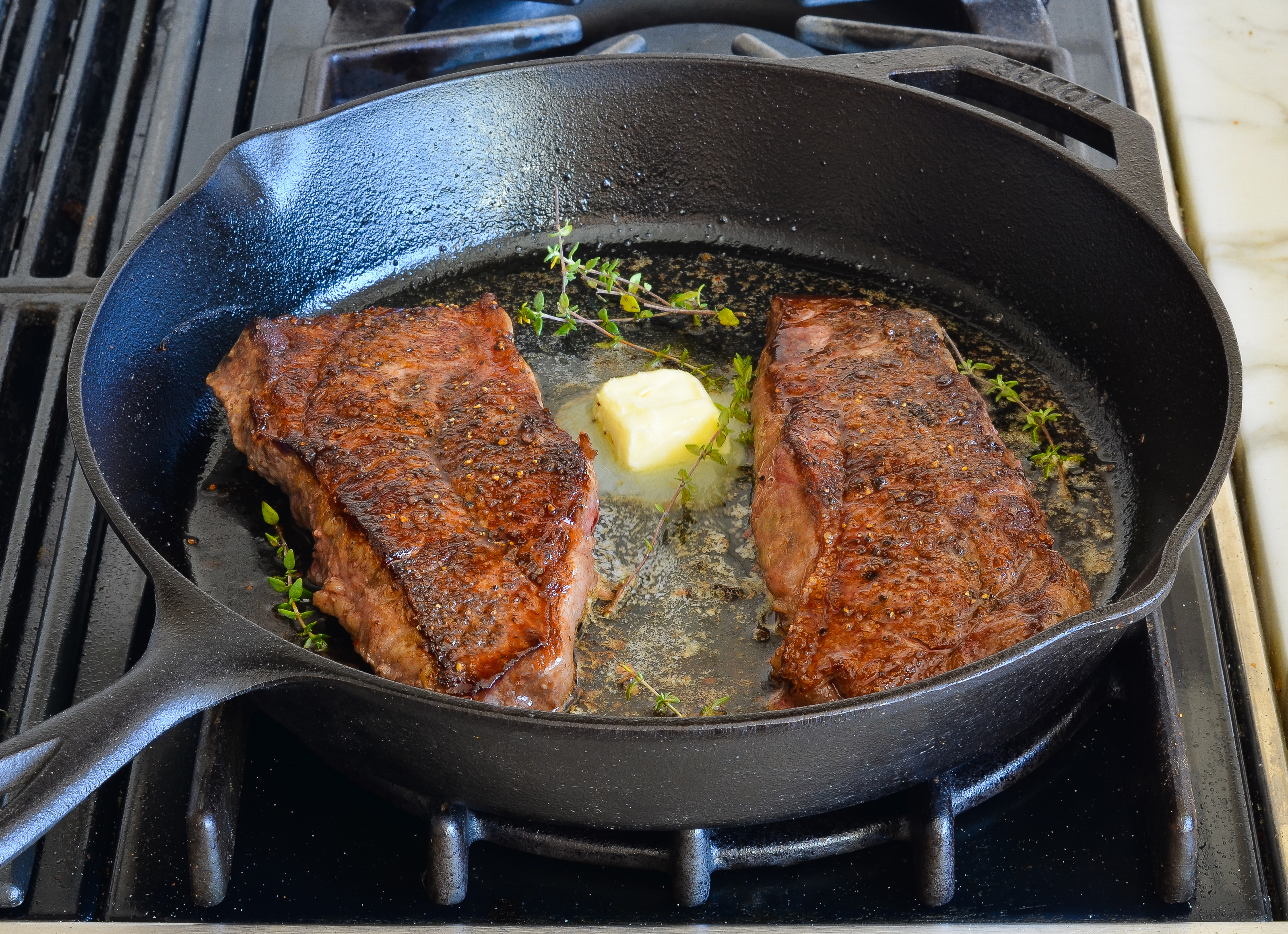
- Add Aromatics: Add 2-3 tablespoons of unsalted butter to the skillet. Alongside the butter, throw in a couple of smashed garlic cloves and a few sprigs of fresh herbs like rosemary and thyme. The aroma alone will transport you!
- Baste: As the butter melts and infuses with the aromatics, tilt the pan slightly and, using a spoon, continuously baste the melted butter and pan juices over the steak. Do this for 2-4 minutes, or until the steak reaches your desired internal temperature. This basting technique not only adds flavor but also helps to cook the steak gently and evenly.
Doneness Levels and Temperature Guide
This is where your instant-read thermometer becomes invaluable. Insert it horizontally into the thickest part of the steak, avoiding any bones (if present) or large pockets of fat. Remove the steak from the skillet when it’s about 5 degrees below your target temperature, as it will continue to cook while resting (carryover cooking).
- Rare: 120-125°F (49-52°C) – Very red, cool center.
- Medium-Rare: 130-135°F (54-57°C) – Red, warm center. (Often considered the ideal for New York strip)
- Medium: 135-140°F (57-60°C) – Pink, warm center.
- Medium-Well: 140-145°F (60-63°C) – Slightly pink center.
- Well-Done: 150°F+ (65°C+) – Little to no pink.
The Crucial Rest
Once your steak reaches the desired temperature, transfer it to a clean cutting board. Tent it loosely with aluminum foil and let it rest for 5-10 minutes. This step is non-negotiable! Resting allows the juices, which have been forced to the center of the steak by the heat, to redistribute throughout the meat. Cutting it too soon will result in a dry steak, with all those precious juices running onto your board. Patience truly is a virtue here, much like waiting for that perfect sunset view after a long day of sightseeing in Paris or Rome.
Elevating Your Steak Experience: Pairing and Presentation
Cooking the steak is only half the battle; presenting and enjoying it thoughtfully completes the experience. This is where your personal lifestyle and appreciation for the finer aspects of tourism come into play, transforming a meal into an occasion.
Classic Accompaniments
A superb New York strip deserves equally impressive side dishes. Think like a New York City steakhouse, which knows that the overall meal presentation is key to attracting tourists and locals alike.
- Creamed Spinach: A rich, savory classic that perfectly complements the steak’s robust flavor.
- Garlic Mashed Potatoes: Fluffy, buttery, and infused with garlic, these are always a crowd-pleaser.
- Roasted Asparagus or Broccolini: A simple green vegetable, lightly roasted with olive oil, salt, and pepper, adds a touch of freshness and cuts through the richness.
- Potatoes Au Gratin: For a truly decadent experience, layers of thinly sliced potatoes baked in a creamy, cheesy sauce.
Consider a simple pan sauce made from the leftover fond in the skillet. Deglaze the pan with a splash of red wine or beef broth, reduce it slightly, and swirl in a knob of butter. A touch of Worcestershire sauce can add depth. This adds another layer of flavor and elevates the dish to gourmet status, much like discovering a hidden gem during your travels.
Wine Pairings
No steakhouse experience is complete without the perfect wine pairing. A New York strip, with its hearty flavor profile, calls for a full-bodied red wine.
- Cabernet Sauvignon: This is arguably the quintessential pairing for a New York strip. Its bold tannins and notes of blackcurrant and cedar stand up beautifully to the richness of the beef. Look for wines from Napa Valley, Bordeaux, or Washington State.
- Merlot: A softer, fruitier alternative to Cabernet, still offering structure and complexity without overpowering the steak.
- Syrah/Shiraz: Known for its peppery, spicy notes and dark fruit flavors, a Syrah or Shiraz can be an exciting pairing, especially with a well-seasoned steak.
- Zinfandel: For those who prefer a more jammy, fruit-forward wine with a hint of spice, a Zinfandel can be a delightful choice.
Selecting the right wine transforms your meal into a multisensory culinary journey, adding a layer of sophistication that aligns perfectly with a discerning lifestyle.
Crafting a Memorable Meal
Think beyond just the plate. Just as a well-chosen hotel suite enhances a business stay or a resort’s amenities define a vacation, the ambiance you create at home contributes significantly to the dining experience. Set the table nicely, light some candles, and put on some background music. Whether you’re planning a romantic dinner, a celebratory meal, or simply treating yourself, cooking a New York strip steak on the stove offers a rewarding challenge and a delicious payoff. It’s an investment in your own well-being and a delightful way to explore the world of food and flavor, much like an immersive travel experience.
In essence, mastering this dish means you no longer have to wait for your next trip to New York City or a reservation at a pricey steakhouse to enjoy a world-class steak. You can bring that iconic taste and elegant lifestyle directly into your own home, making every meal an adventure. Enjoy the process, savor the results, and let your kitchen become your next great destination.
LifeOutOfTheBox is a participant in the Amazon Services LLC Associates Program, an affiliate advertising program designed to provide a means for sites to earn advertising fees by advertising and linking to Amazon.com. Amazon, the Amazon logo, AmazonSupply, and the AmazonSupply logo are trademarks of Amazon.com, Inc. or its affiliates. As an Amazon Associate we earn affiliate commissions from qualifying purchases.