
Embracing American Culinary Traditions: The Boston Butt Experience
When one considers the rich tapestry of American cuisine, few dishes evoke the same sense of comfort, tradition, and communal joy as slow-cooked pork, particularly that derived from the venerable Boston butt. This cut of pork shoulder, despite its misleading name that actually hails from how pork was once packed in barrels in New England, is the undisputed king of pulled pork. While many dream of savoring this delicacy in the heart of the Southern United States, perfected by seasoned pitmasters in smoky outdoor pits, the good news is that recreating this quintessential culinary experience in your home oven is not only feasible but surprisingly rewarding. This guide delves into the art of bringing that authentic, fall-off-the-bone goodness to your table, relatively “fast,” allowing you to explore a cherished facet of American barbecue culture from your own kitchen.
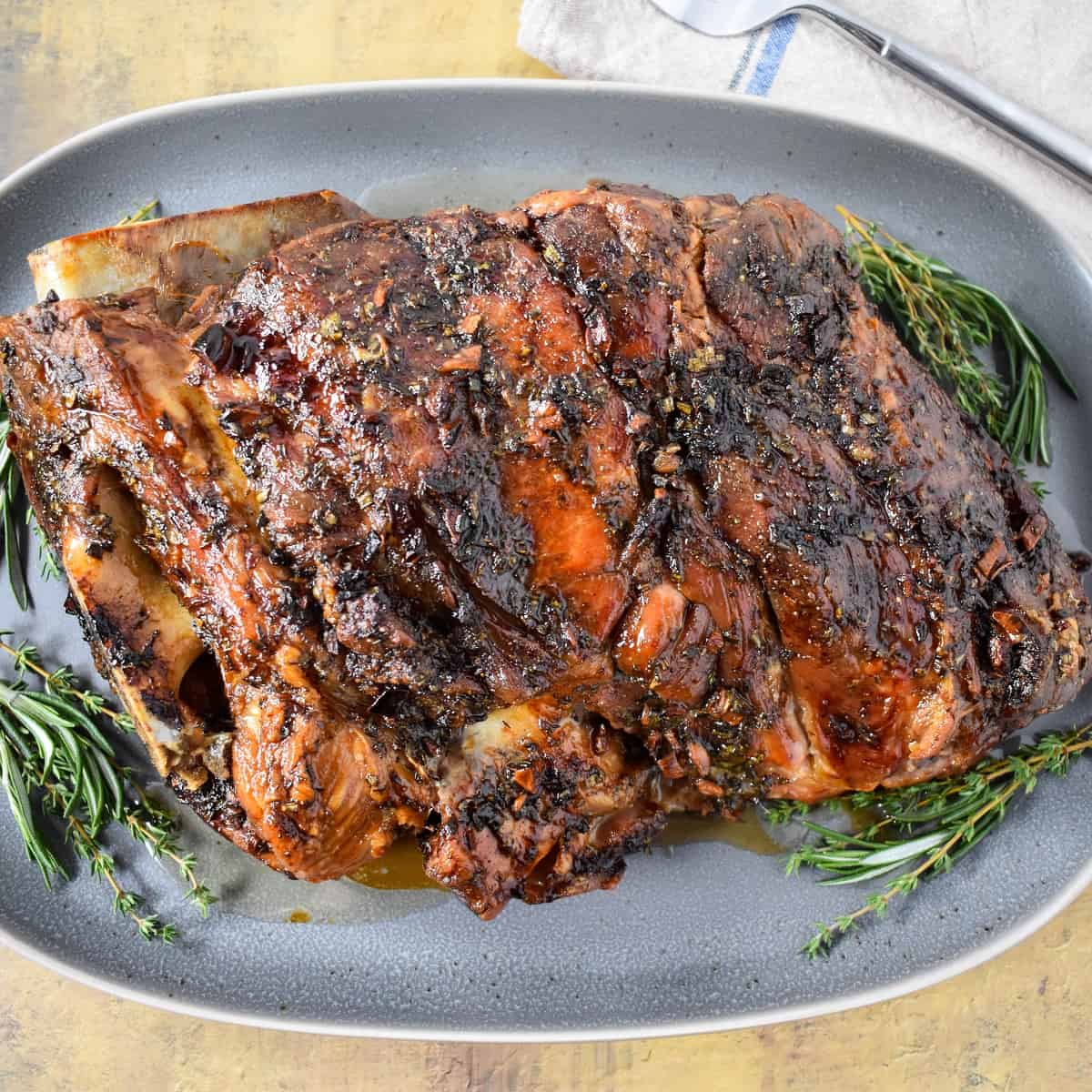
A Taste of American Barbecue Heritage
The act of cooking and consuming pulled pork from a Boston butt is more than just a meal; it’s an immersion into a significant aspect of American food culture. From the smoky nuances of Texas brisket to the vinegar-based sauces of Carolina BBQ and the sweet, tangy profiles of Kansas City ribs, barbecue is a regional dialect spoken through smoke and spice. The Boston butt, specifically, is the foundation for much of the pulled pork found across the country, celebrated for its ideal fat-to-meat ratio which renders down into incredibly tender, flavorful strands. To truly appreciate this dish is to acknowledge its journey from a humble, often overlooked cut of meat to a celebrated culinary icon, a testament to the ingenuity and patience of generations of cooks. Bringing this tradition into your home offers a direct connection to these culinary roots, transforming a simple dinner into a cultural exploration.
Why Boston Butt Is More Than Just Pork
The Boston butt is cut from the upper part of the pig’s front shoulder, encompassing both the blade bone and a good amount of intramuscular fat. This marbling is precisely what makes it perfect for slow cooking. As the connective tissues break down over hours, the fat renders, basting the meat from within, resulting in a juiciness and tenderness that is unmatched. Unlike leaner cuts that dry out easily, the Boston butt thrives under sustained heat, transforming into a succulent, shreddable marvel. Understanding this science helps appreciate why the “fast” method, while aiming for efficiency, must still respect the inherent characteristics of this magnificent cut to unlock its full potential. It’s about coaxing out its inherent deliciousness, not rushing it to an inferior outcome.
Mastering the Art of “Fast” Pulled Pork in Your Home Kitchen
The concept of cooking a Boston butt “fast” might seem contradictory to traditional barbecue wisdom, which often advocates for 12-16 hours of low-and-slow smoking. However, “fast” in this context refers to optimizing the oven cooking process to achieve tender, delicious pulled pork in significantly less time than traditional methods, without compromising flavor or texture. This approach typically involves a higher initial cooking temperature, careful moisture management, and strategic use of foil to create a braising environment within your oven. It’s about making a cherished slow-cooked meal accessible on a weeknight or for less-planned gatherings, making it a perfect example of how culinary tips can enhance your ability to enjoy global food experiences more frequently.
Essential Ingredients for Authentic Flavor
To truly capture the essence of a great Boston butt, a thoughtful approach to seasoning is paramount. Beyond the pork itself, your dry rub is the soul of the dish. While variations abound, a classic rub typically includes:
- Smoked Paprika: For color and a hint of smoky depth.
- Brown Sugar: To promote a beautiful crust (bark) and balance savory notes.
- Salt & Black Pepper: The foundation of any good seasoning.
- Garlic Powder & Onion Powder: Aromatic essentials that build a robust flavor base.
- Cayenne Pepper or Chili Powder: For a subtle kick, optional but recommended.
- Cumin: Adds an earthy, warm dimension.
Additionally, a splash of apple cider vinegar or chicken broth in the roasting pan helps maintain moisture and contributes to tenderization, providing a subtle tang that complements the richness of the pork. Don’t forget a good quality barbecue sauce for serving – whether a tangy Carolina vinegar sauce, a sweet and smoky Kansas City style, or a spicy Texas red.
The “Fast” Oven Method: Preparation Steps
Preparing your Boston butt for its oven journey is crucial for success.
- Pat Dry: Start by thoroughly patting the pork butt dry with paper towels. This allows the rub to adhere better and promotes a crispier exterior.
- Trim Fat (Optional): While much of the fat renders beautifully, you can trim off any excessively thick fat cap if desired, leaving about 1/4 to 1/2 inch.
- Apply the Rub: Generously coat the entire pork butt with your dry rub. Don’t be shy; aim for an even, thick layer. For best results, allow the seasoned butt to rest in the refrigerator for at least 2 hours, or ideally overnight, to let the flavors penetrate the meat. This marination step is key to flavor development, even in a “faster” cook.
- Preheat & Sear: Preheat your oven to a relatively high temperature, around 400-425°F (200-220°C). Some “fast” methods advocate for a brief sear in a hot pan before oven roasting to develop an initial crust and lock in juices, mimicking the initial burst of heat in a smoker. While optional, this can enhance the bark. Place the seasoned butt directly on a rack in a roasting pan, fat side up.
- Initial Roasting: Roast the butt at the higher temperature for 30-45 minutes. This initial blast of heat helps develop a flavorful crust and kick-starts the cooking process.
Low & Slow, But Quicker: The Oven Roasting Process
After the initial high-heat phase, the magic of tenderization begins with a reduction in temperature. This phase, while still shorter than traditional smoking, is where the “slow” element of this “fast” method truly shines, ensuring the collagen breaks down without drying out the meat.
Achieving That Perfect Fall-Off-The-Bone Texture
Once the initial roasting is complete, reduce the oven temperature to 275-300°F (135-150°C). This is the “low and slow” part of our “fast” method. At this point, you’ll want to add a liquid (like apple cider vinegar or chicken broth) to the bottom of the roasting pan, ensuring it’s not touching the meat, to create a moist environment. Tightly cover the roasting pan with heavy-duty aluminum foil. This creates a steamy, braising effect, critical for breaking down tough connective tissues and keeping the meat incredibly moist.
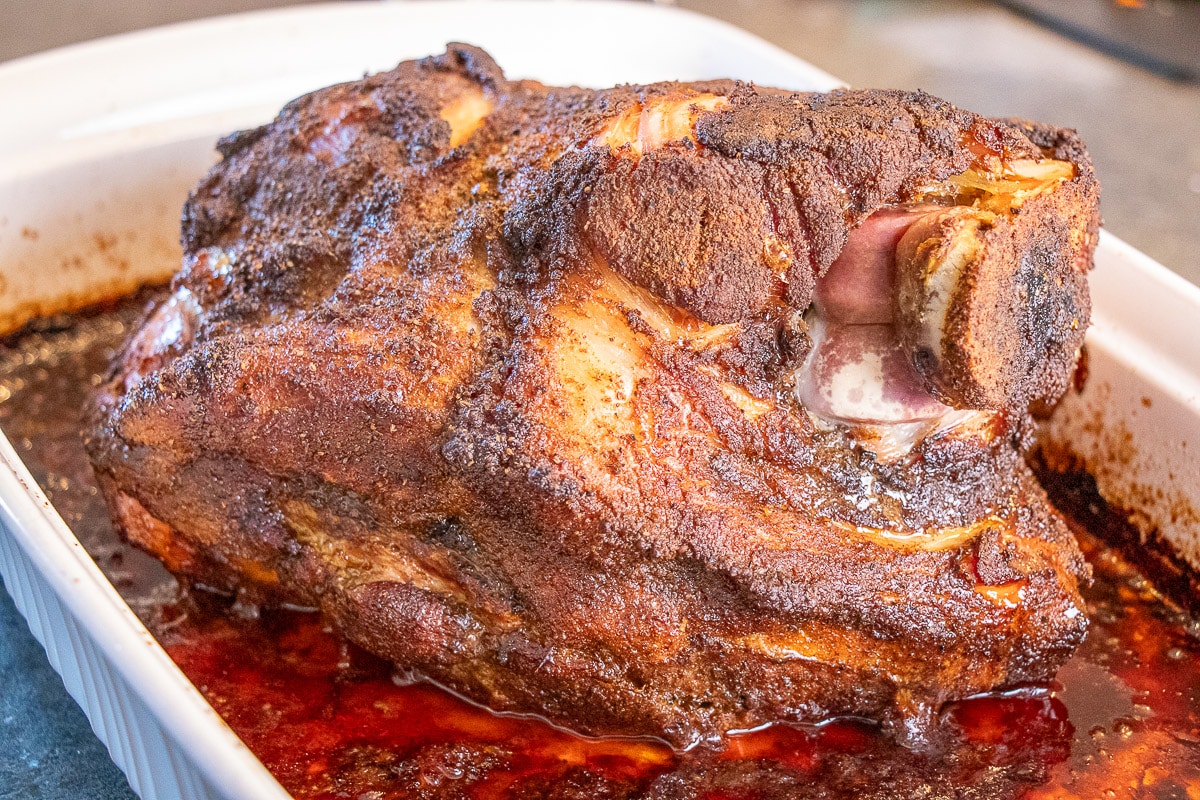
The cooking time will vary depending on the size of your Boston butt, but a good rule of thumb is 1.5 to 2 hours per pound at 275-300°F, potentially shaving off a few hours compared to very low 225°F cooks. For a 7-8 pound butt, expect approximately 10-14 hours. The goal is to reach an internal temperature of 200-205°F (93-96°C). At this temperature, the collagen has fully rendered, and the meat will be incredibly tender. Use a reliable meat thermometer inserted into the thickest part of the butt, avoiding the bone, to monitor progress. The “fast” aspect here is more about efficiency within the oven environment, not an instant meal, but certainly faster than the full overnight smoker commitment.
Rest, Shred, and Serve: The Grand Finale
Once your Boston butt reaches its target internal temperature, the journey is not quite over. The resting phase is paramount and cannot be skipped, even when aiming for “fast.”
- Resting: Remove the butt from the oven, keeping it tightly covered with foil. Let it rest on a cutting board for at least 1-2 hours. This allows the muscle fibers to relax and reabsorb juices, resulting in a significantly more tender and moist product. Skipping this step will lead to dry, less flavorful pulled pork.
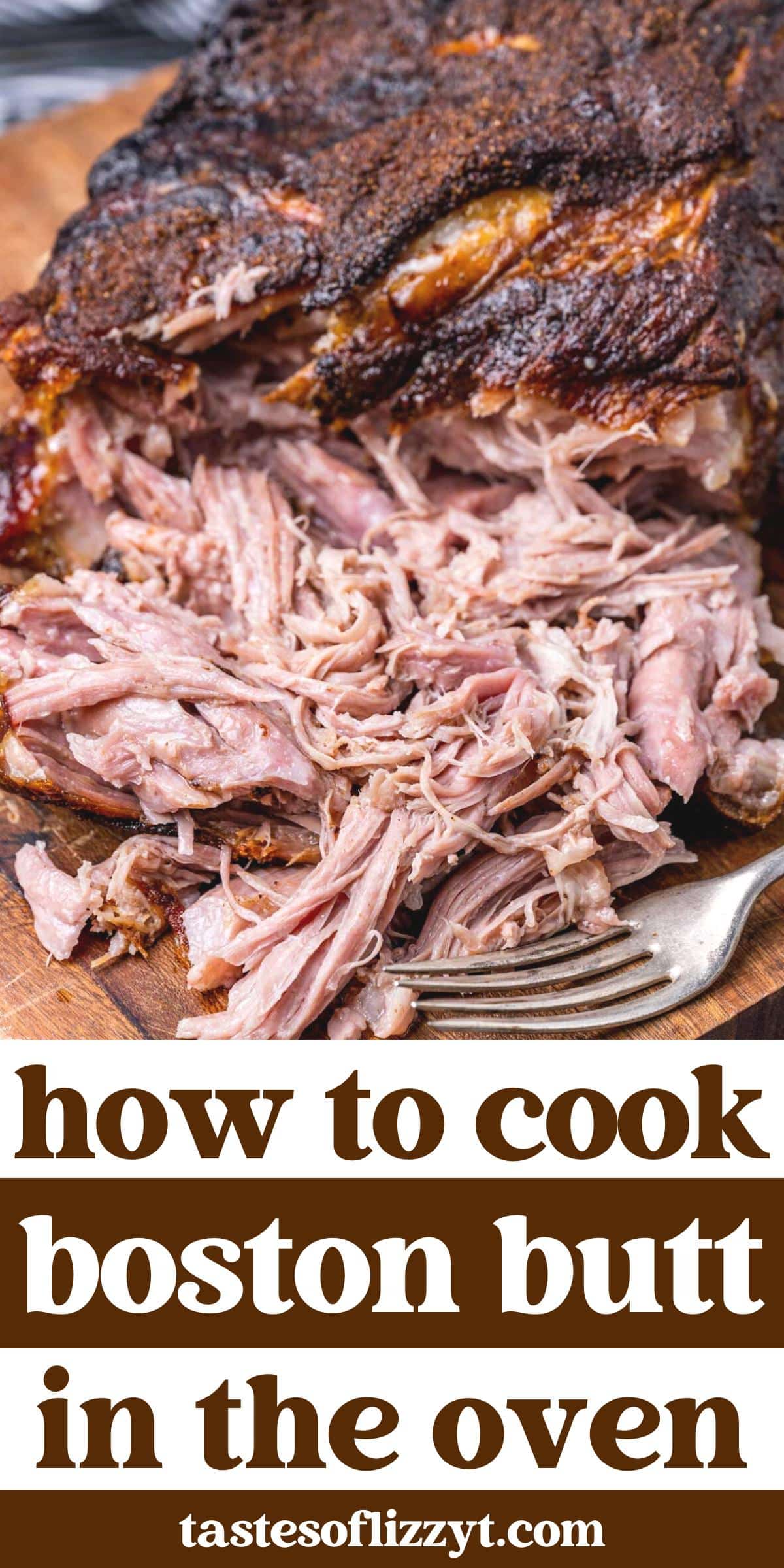
- Shredding: After resting, the meat should be so tender that it practically falls apart. Use two forks or bear claws to pull the pork apart, discarding any large pieces of fat or bone. Mix the shredded pork with the rendered juices from the roasting pan. This liquid gold is packed with flavor and moisture.
- Serving: At this stage, you can add some of your favorite barbecue sauce directly to the pork, or serve it on the side. The perfectly cooked Boston butt is now ready to be enjoyed, a testament to mastering a significant culinary experience.
Elevating Your Dining Experience: Serving Suggestions & Pairings
Pulled pork from a perfectly cooked Boston butt is incredibly versatile and forms the centerpiece of a memorable meal. This is where your culinary adventure truly comes alive, offering endless possibilities to customize your dish and complete the tourism-of-food experience.
Classic Sides to Complement Your Creation
No pulled pork feast is complete without an array of classic American side dishes. These accompaniments not only enhance the flavors but also add texture and balance to the meal, transforming it into a full sensory experience. Consider:
- Coleslaw: A creamy, tangy coleslaw provides a refreshing contrast to the rich pork.
- Cornbread: Sweet, savory, and perfect for soaking up juices.
- Macaroni and Cheese: A creamy, comforting classic that pairs wonderfully with barbecue.
- Baked Beans: Sweet and smoky baked beans are a quintessential barbecue side.
- Pickles: Dill pickles or bread and butter pickles offer a crucial acidic counterpoint that cuts through the richness of the pork.
- Potato Salad: Creamy or vinegar-based potato salad adds another layer of texture and flavor.
These sides, much like the pulled pork itself, are deeply ingrained in American culinary traditions, offering a holistic taste experience.
Beyond the Bun: Creative Ways to Enjoy
While the classic pulled pork sandwich on a brioche bun with coleslaw is undeniably delicious, don’t limit your culinary imagination. Explore other creative ways to enjoy your perfectly cooked Boston butt:
- Pulled Pork Tacos or Nachos: A fantastic way to infuse a Tex-Mex twist into your barbecue.
- Pulled Pork Pizza: Use barbecue sauce as the base, top with pulled pork, red onion, and cheese for a gourmet pizza.
- Stuffed Baked Potatoes: A hearty and satisfying meal, piling pulled pork onto a fluffy baked potato with cheese and sour cream.
- Pulled Pork Hash: Combine leftover pulled pork with diced potatoes and onions for a flavorful breakfast or brunch.
- Quesadillas or Burritos: Another excellent way to repurpose leftovers into a quick, flavorful meal.
These creative applications demonstrate the versatility of this dish and allow you to continue your culinary exploration long after the initial feast.
Bringing the Flavor Home: A Culinary Journey
Mastering the “fast” oven method for cooking Boston butt is more than just acquiring a new recipe; it’s about enriching your culinary repertoire and connecting with global food traditions. It embodies the spirit of food tourism, where the appreciation for regional delicacies extends beyond dining out to the joy of creation in one’s own space.
Recreating Regional Tastes
By understanding the basic techniques and classic flavor profiles, you can experiment with different regional barbecue styles from across America. Perhaps try a spicy rub reminiscent of Memphis, or finish your pulled pork with a tangy vinegar sauce akin to eastern North Carolina. Each subtle variation offers a new adventure for your palate, allowing you to mentally traverse the diverse culinary landscape of the United States without ever leaving your kitchen. This hands-on experience provides a deeper appreciation for the nuances that define different barbecue regions, making you a more informed and adventurous culinary traveler.
The Joy of Culinary Exploration
The beauty of cooking a Boston butt in your oven lies in its ability to democratize a once-specialized culinary art form. It allows home cooks to confidently tackle a dish often reserved for professional pitmasters or dedicated enthusiasts. This process of learning, experimenting, and ultimately succeeding in creating such a rich and flavorful meal fosters a profound sense of accomplishment. It encourages further culinary exploration, inspiring you to delve deeper into other regional dishes and cooking techniques, continually expanding your understanding and appreciation of food as a cornerstone of global culture and travel experiences. So, fire up that oven, embark on this delicious journey, and bring the authentic taste of American barbecue right to your dining table.
LifeOutOfTheBox is a participant in the Amazon Services LLC Associates Program, an affiliate advertising program designed to provide a means for sites to earn advertising fees by advertising and linking to Amazon.com. Amazon, the Amazon logo, AmazonSupply, and the AmazonSupply logo are trademarks of Amazon.com, Inc. or its affiliates. As an Amazon Associate we earn affiliate commissions from qualifying purchases.