
A Culinary Journey into Southern BBQ Tradition
Embarking on a culinary adventure is often one of the most enriching aspects of travel, and few regional cuisines offer as much depth, history, and flavor as the Southern BBQ tradition. At the heart of this gastronomic heritage lies a cut of pork that, despite its misleading name, is revered for its incredible tenderness and ability to soak up smoky, savory flavors: the Boston butt. Far from being a cut from the pig’s hindquarters or originating from the city of Boston, the Boston butt is, in fact, the upper part of the pig’s front shoulder. Its curious name is said to derive from colonial New England, where butchers would pack less prized cuts of pork into barrels called “butts” for storage and transport. This particular cut became associated with Boston, cementing its enduring, if confusing, moniker.

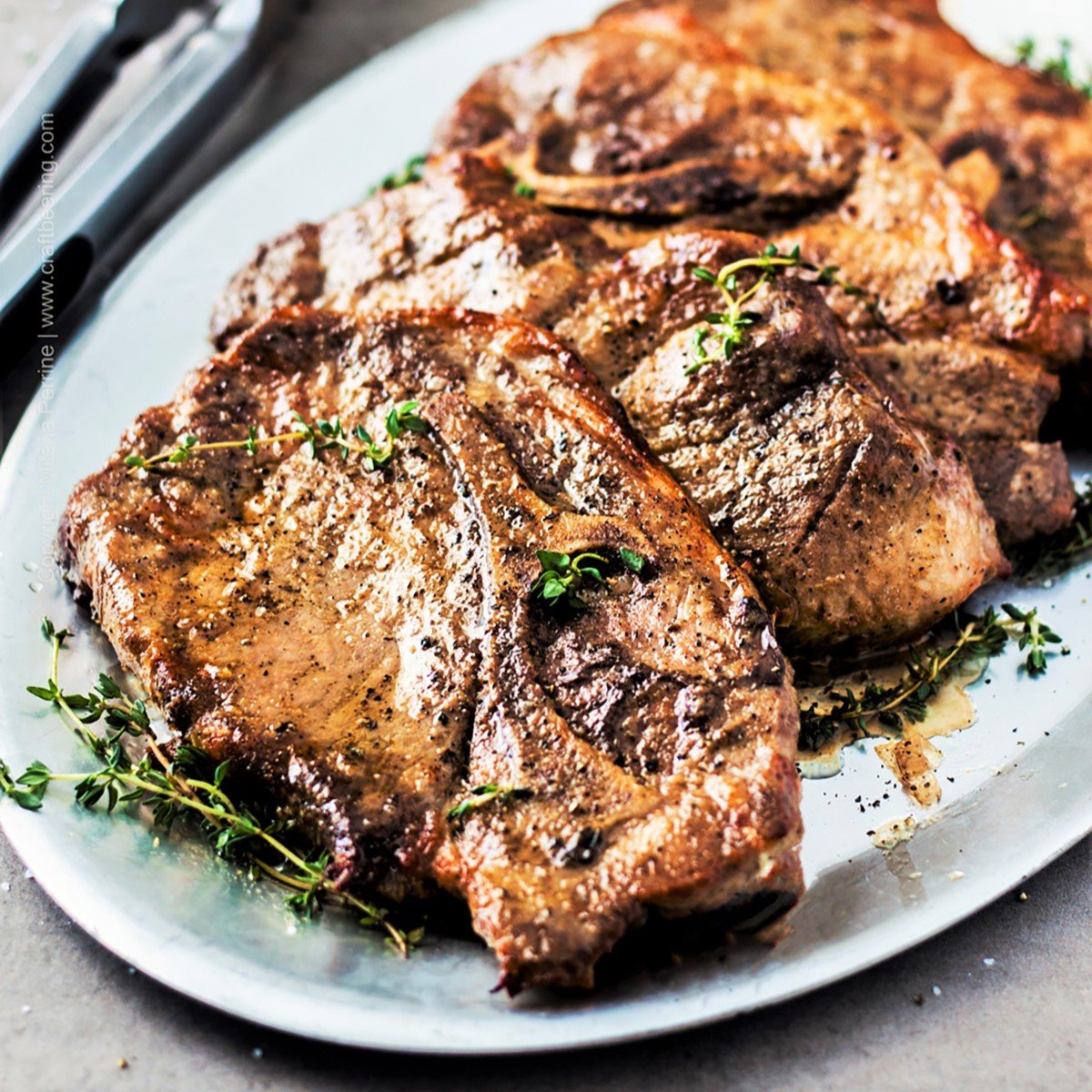
For anyone looking to truly immerse themselves in the local culture of the American South, understanding and appreciating the Boston butt is essential. It’s the foundation for pulled pork, a staple found everywhere from roadside stands to upscale eateries. However, transforming this versatile cut into a “pork steak” offers a different, equally satisfying experience. Sliced thicker and often grilled, Boston butt pork steak allows the rich marbling and robust flavor of the shoulder to shine through in a more direct, steak-like presentation, providing a delicious window into the region’s deep-seated culinary identity. Cooking it yourself, whether at home or as part of a travel experience in a rental with kitchen facilities, connects you directly to generations of pitmasters and home cooks who have perfected this art.
The Art of Preparing Boston Butt Pork Steak
Mastering the Boston butt pork steak is a rewarding endeavor that taps into the soul of Southern cooking. It’s a dish that celebrates patience, flavor, and the community spirit inherent in traditional BBQ.
Selecting Your Cut
The journey begins with selecting the right Boston butt. Look for a bone-in cut if possible, as the bone contributes to flavor and moisture during cooking. A good Boston butt should have a healthy amount of marbling—streaks of fat interspersed throughout the lean muscle—which is crucial for tenderness and flavor. A fat cap on one side is also desirable, as it renders down, self-basting the meat as it cooks. When purchasing from a butcher, you can ask them to slice the Boston butt into steaks, typically ¾ to 1 inch thick. If you buy a whole butt, ensure your knife is sharp, as slicing through the tough connective tissue and fat requires precision.
Essential Seasonings and Rubs
The backbone of any great pork steak is the seasoning. Southern BBQ is famous for its dry rubs, a complex blend of spices that penetrate the meat, creating a flavorful crust during cooking. A classic dry rub for Boston butt pork steak will typically include brown sugar (for caramelization and sweetness), paprika (for color and mild pepperiness), cayenne pepper (for a kick, adjustable to taste), garlic powder, onion powder, salt, and black pepper. Some regional variations might add cumin, mustard powder, or even coffee grounds for depth.
Before applying the rub, pat the pork steaks dry with paper towels. This helps the rub adhere better and promotes a superior crust. Generously coat all sides of the steak, pressing the rub into the meat. For best results, allow the seasoned steaks to rest in the refrigerator for at least an hour, or ideally overnight, to let the flavors meld and absorb.
Marinating for Flavor Depth
While dry rubs are paramount, some enthusiasts opt for a brief marinade to add an extra layer of moisture and flavor. A simple vinegar-based marinade, common in Carolina BBQ, can tenderize the meat slightly and infuse it with a tangy zest that complements the richness of pork. You might combine apple cider vinegar with a touch of Worcestershire sauce, a minced garlic clove, and a pinch of your dry rub. Limit marinating time to a few hours for steaks, as too much acidity can begin to “cook” the meat. Remember, the goal is enhancement, not overpowering the natural pork flavor or the dry rub.
Mastering the Cooking Process for Tenderness
The true magic of Boston butt pork steak unfolds during the cooking phase, where low and slow methods transform a tough cut into a remarkably tender, flavorful experience.

Grilling for Authenticity
For an authentic Southern BBQ experience, grilling is the preferred method, especially over indirect heat with wood smoke. A charcoal grill or a dedicated smoker allows you to impart that quintessential smoky flavor. If using a charcoal grill, arrange coals on one side for indirect cooking. Add a few wood chunks—Hickory or Oak are traditional choices—to the hot coals to create smoke. Maintain a grill temperature around 275-300°F (135-150°C). Place the seasoned pork steaks on the side opposite the coals, close the lid, and let them cook slowly.
The cooking time will vary depending on steak thickness and grill temperature, but anticipate 2-4 hours. You’re aiming for an internal temperature of 195-205°F (90-96°C) for optimum shreddability, though for a steak-like texture, you might pull them off slightly sooner, around 180-190°F (82-88°C), when they are incredibly tender but still sliceable. Towards the end of the cooking process, if desired, you can move the steaks directly over the heat for a quick sear, developing a crispy crust.
Oven-Roasting for Home Cooks
Don’t have a smoker or a grill? An oven can still produce fantastic Boston butt pork steaks. Preheat your oven to a low temperature, typically 275-300°F (135-150°C). Place the seasoned steaks on a wire rack set over a baking sheet. This allows air to circulate around the meat and helps prevent the bottom from steaming. Cook for 3-5 hours, or until the internal temperature reaches the desired range of 180-205°F (82-96°C). For added moisture and flavor, you can place a pan of water on the bottom rack of your oven to create a humid environment. To mimic a smoky flavor, a tiny amount of liquid smoke can be added to the rub or a marinade, but use sparingly.
The Importance of Resting
Once your Boston butt pork steaks have reached their ideal temperature and tenderness, resist the urge to cut into them immediately. This is perhaps one of the most critical steps in ensuring juicy, flavorful meat. Transfer the steaks to a cutting board, tent them loosely with foil, and let them rest for at least 15-20 minutes. This allows the juices, which have been pushed to the center of the meat during cooking, to redistribute throughout the steak, resulting in a more succulent and tender bite.
Pairing and Enjoying Your Boston Butt Pork Steak
Savoring Boston butt pork steak is about more than just the meat; it’s about the entire culinary tableau that accompanies it, drawing you deeper into the local flavors and traditions.
Classic Southern Sides
To truly complete the experience, serve your pork steak with a selection of classic Southern sides. Creamy macaroni and cheese, slow-cooked collard greens simmered with ham hocks, sweet and tangy coleslaw, and fluffy cornbread are all perfect companions. These sides aren’t just fillers; they are integral to the meal, providing textural and flavor contrasts that elevate the entire dish and speak to the comforting, hearty nature of Southern cuisine. A visit to any local BBQ joint will confirm the importance of these pairings.
Regional Sauce Variations
The world of BBQ sauces is as diverse as the regions they hail from, and choosing the right sauce for your Boston butt pork steak can transform the experience. In Kansas City, you’ll find thick, sweet, and smoky tomato-based sauces. Head to Memphis, and dry rubs often take precedence, with sauce served on the side, or a thinner, vinegar-based option. In the Carolinas, particularly eastern North Carolina, a thin, pungent vinegar-and-pepper sauce reigns supreme, while South Carolina offers a unique mustard-based sauce. Experiment with different regional sauces to discover your preference, or serve a few options to allow guests to customize their meal, echoing the diverse BBQ landscape of the South.
Serving Suggestions
Presenting your Boston butt pork steak can be as simple as slicing it against the grain and arranging it on a plate with your chosen sides. For a more casual, authentic feel, consider serving it family-style, allowing everyone to help themselves. Garnishes like fresh parsley, a sprinkle of smoked paprika, or a dollop of fresh coleslaw on the side add visual appeal and freshness.
Beyond the Plate: The Cultural Significance
The act of cooking and sharing Boston butt pork steak transcends mere sustenance; it’s a social ritual, a cornerstone of local culture, and a testament to regional identity across the American South. BBQ is deeply embedded in community gatherings, from backyard parties and church picnics to major festivals celebrating the craft. It’s a culinary art form passed down through generations, with secret family rub recipes and smoking techniques fiercely guarded and proudly shared.
When you prepare a Boston butt pork steak, you’re not just cooking a meal; you’re participating in a rich tradition that emphasizes hospitality, communal enjoyment, and a deep appreciation for slow, deliberate cooking. For travelers, exploring the nuances of BBQ in different cities like Charleston, Austin, or Nashville offers an invaluable insight into the local lifestyle and pride. Each locale boasts its unique spin on this cherished dish, inviting visitors to embark on their own delicious discovery tours. Understanding how to cook this iconic cut allows you to bring a piece of that rich, flavorful culture directly into your home, or to savor it with new appreciation during your travels.
LifeOutOfTheBox is a participant in the Amazon Services LLC Associates Program, an affiliate advertising program designed to provide a means for sites to earn advertising fees by advertising and linking to Amazon.com. Amazon, the Amazon logo, AmazonSupply, and the AmazonSupply logo are trademarks of Amazon.com, Inc. or its affiliates. As an Amazon Associate we earn affiliate commissions from qualifying purchases.