
The Allure of Florida Lobster: A Culinary Gem
Florida, renowned for its vibrant culture, stunning coastlines, and unique ecosystems, offers a culinary landscape as diverse as its natural beauty. Among its most treasured gastronomic delights is the exquisite Florida lobster, a seafood delicacy that captures the essence of the Sunshine State‘s bountiful waters. Unlike its northern counterparts, the Florida lobster offers a distinct flavor and texture, making it a must-try for any visitor looking to immerse themselves in local cuisine. Understanding how to properly prepare these succulent tails at home or in a vacation rental can transform a simple meal into an unforgettable part of your Florida experience, truly connecting you with the heart of its coastal heritage.
Understanding the Spiny Lobster vs. Maine Lobster
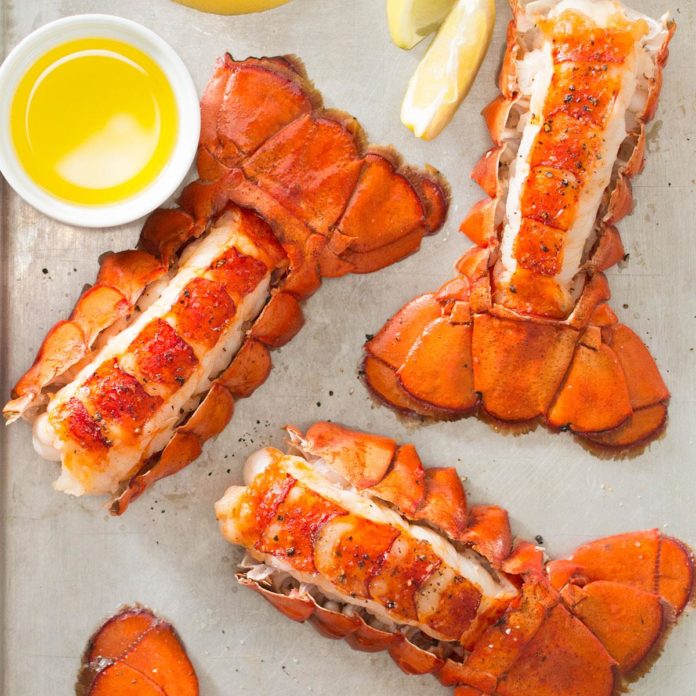
Often, when people hear “lobster,” their minds default to the classic Maine lobster (Homarus americanus), characterized by its large claws and deep-sea habitat. However, the Florida lobster is actually a species of spiny lobster (Panulirus argus). The most striking difference, visually, is the absence of large claws; spiny lobsters have long, prominent antennae and spiny exoskeletons, primarily using their tails for movement.
Beyond appearance, the culinary distinction is equally significant. Maine lobster meat, found in both claws and tail, is often described as sweet, tender, and somewhat briny. In contrast, the Florida spiny lobster offers meat almost exclusively in its tail, known for its firmer texture and milder, sweeter flavor. This robust texture makes Florida lobster tails incredibly versatile, standing up well to various cooking methods from grilling to broiling without losing their integrity. For those exploring the unique culinary offerings of Florida, appreciating this distinction is the first step to truly savoring the local delicacy.
Sourcing the Freshest Catch in Florida
The key to an exceptional Florida lobster dish begins with sourcing the freshest possible tails. For visitors, this often means venturing beyond the supermarket to local seafood markets or even directly from fishermen if the opportunity arises. Cities like Key West, Islamorada, and along the Gulf of Mexico and Atlantic Ocean coasts are prime locations for acquiring premium spiny lobster.
When purchasing, look for tails that are firm to the touch, with a clean, ocean-like smell rather than a strong, fishy odor. If buying whole, live lobsters, ensure they are lively and active. The peak season for Florida lobster typically runs from August through March, with a special “mini-season” in July that attracts recreational divers. During these times, the availability and freshness are at their best. Engaging with local fishmongers can provide invaluable insights into the day’s catch, sustainable practices, and even tips on preparation, further enriching your local food experience.
Essential Preparation: Getting Your Lobster Tails Ready
Proper preparation is paramount for unlocking the full potential of Florida lobster tails. Even the freshest catch can be underwhelming if not handled correctly before cooking. These preliminary steps ensure the meat remains tender, flavorful, and easy to enjoy.
Thawing and Cleaning
If you’ve purchased frozen Florida lobster tails, slow thawing is crucial. The best method is to transfer them from the freezer to the refrigerator 24 hours before you plan to cook them. This gradual thawing helps maintain the integrity of the meat, preventing it from becoming tough. If you’re short on time, a quicker method involves placing the sealed tails in a bowl of cold water, changing the water every 30 minutes until thawed. Avoid using hot water, as this can begin to cook the lobster and affect its texture.
Once thawed, give the tails a quick rinse under cold running water. While spiny lobsters are generally quite clean, this rinse helps remove any lingering debris. Pat them thoroughly dry with paper towels. Excess moisture can steam the lobster rather than sear or broil it, which can impact the final texture and browning.
Butterfly Cut for Optimal Flavor
The butterfly cut is the most popular and recommended method for preparing Florida lobster tails, particularly when grilling, broiling, or baking. This technique not only makes for a stunning presentation but also allows marinades and seasonings to penetrate the meat more effectively, and ensures even cooking.
To butterfly a lobster tail:
- Shell Side Up: Place the lobster tail on a cutting board, shell side up.
- Cut Down the Middle: Using sharp kitchen shears, carefully cut lengthwise down the center of the hard top shell, from the thickest end almost to the tail fin. Be careful not to cut through the bottom shell or the meat entirely.
- Open the Shell: Gently pry the shell open with your fingers.
- Loosen the Meat: Carefully run your thumb or a spoon underneath the raw meat to loosen it from the bottom shell, taking care not to detach it at the tail end.
- Lift and Rest: Gently lift the loosened meat up through the cut in the shell and let it rest on top of the shell. The shell will form a cradle for the meat.
- Score (Optional): For thicker tails, you can make a shallow score down the center of the lifted meat. This helps prevent curling during cooking and ensures more even heat distribution.
This butterfly presentation ensures the exposed meat can be seasoned beautifully, and the shell protects the underside from overcooking while adding a beautiful aesthetic to your plate.
Masterful Cooking Techniques for Florida Lobster Tails
With your Florida lobster tails expertly prepped, it’s time to transform them into a delectable meal. Each cooking method offers a slightly different nuance in texture and flavor, catering to various preferences and culinary setups, whether you’re at a Miami high-rise or a quaint rental in the Florida Keys.
Grilling to Perfection
Grilling Florida lobster tails imparts a smoky flavor and a beautiful char, making it a favorite for outdoor gatherings. This method is particularly suitable for butterfly-cut tails.
- Preheat Grill: Preheat your grill to medium-high heat (around 400°F / 200°C).
- Prepare Tails: Brush the exposed lobster meat with olive oil or melted butter, and season generously with salt, black pepper, garlic powder, and a squeeze of fresh lime juice. For an extra kick, consider a light dusting of Old Bay seasoning.
- Grill Meat Side Down First: Place the tails meat-side down directly on the grill grates for 2-3 minutes to get a nice sear and char.
- Flip and Finish: Flip the tails so they are shell-side down. Continue grilling for another 5-8 minutes, or until the meat is opaque and firm, with an internal temperature of 140-145°F (60-63°C). Baste with additional melted butter or a citrus-herb mixture during this phase.
The shell acts as a natural insulator, preventing the delicate meat from drying out while it cooks.

Broiling for a Golden Finish
Broiling is an excellent indoor alternative to grilling, producing a wonderfully caramelized crust and tender interior. It’s quick, efficient, and requires minimal cleanup, perfect for a vacation kitchen.
- Preheat Broiler: Position an oven rack about 6 inches from the broiler element and preheat your broiler to high.
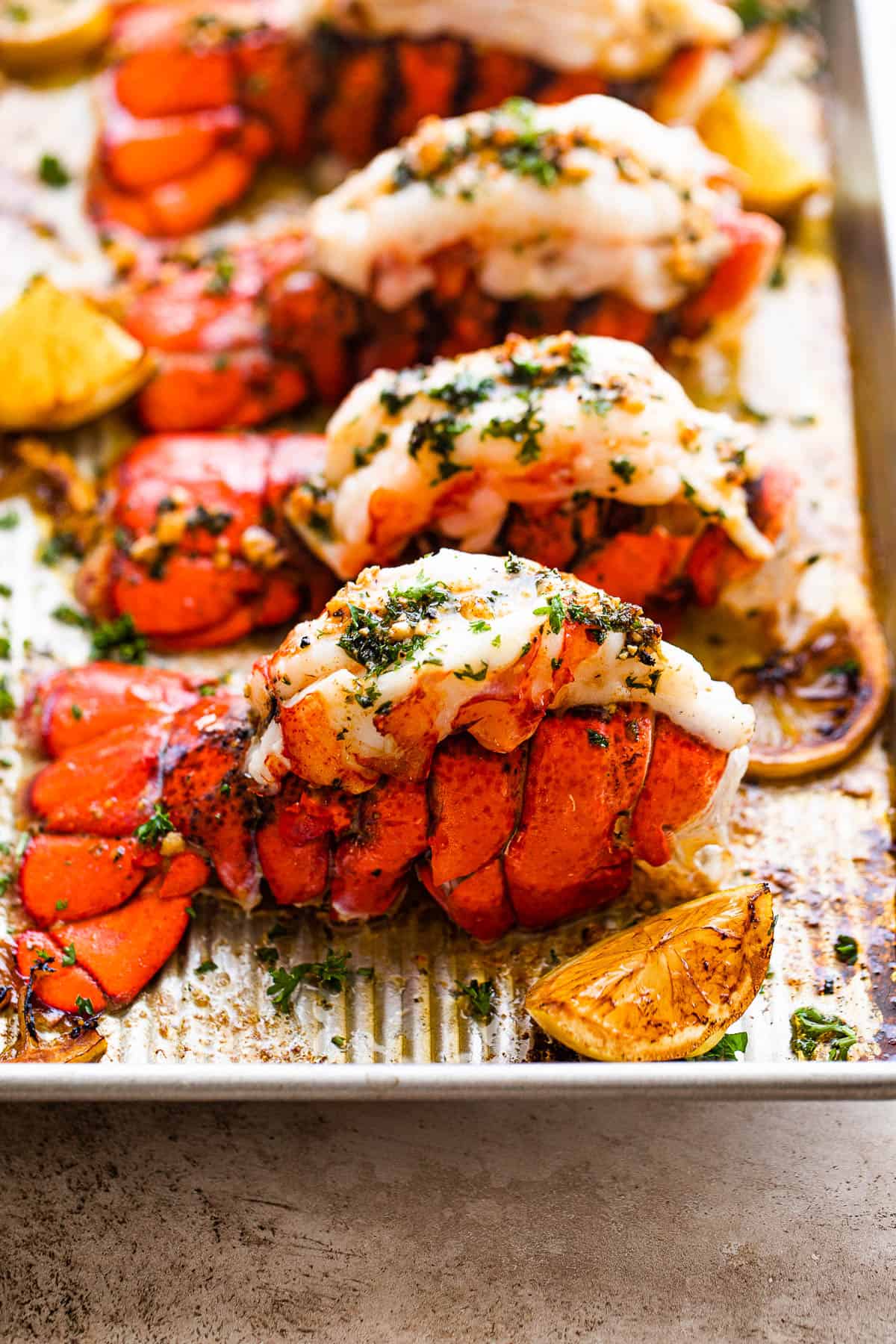
- Prepare Tails: Place the butterfly-cut lobster tails, shell-side down, on a baking sheet. Brush the exposed meat generously with melted butter (garlic butter is highly recommended), lemon juice, and desired seasonings.
- Broil: Broil for 8-12 minutes, depending on the size of the tails. Keep a close eye on them to prevent burning. The meat should turn opaque and firm, with a beautiful golden-brown top.
- Check Doneness: Use an instant-read thermometer to ensure the internal temperature reaches 140-145°F (60-63°C).
Steaming for Tender Results
Steaming is a gentle cooking method that yields incredibly tender and succulent lobster meat, preserving its natural sweetness.
- Set up Steamer: Fill a large pot with about 2 inches of water. Place a steamer basket inside, ensuring the water does not touch the basket. Add aromatics like lemon slices, bay leaves, or a splash of white wine to the water for extra flavor.
- Bring to Boil: Bring the water to a rolling boil.
- Steam Tails: Place the lobster tails (you can steam them whole or butterfly them) in the steamer basket. Cover the pot tightly.
- Cook Time: Steam for 6-10 minutes for smaller tails (4-6 ounces) and 10-15 minutes for larger ones (8-10 ounces), or until the shells turn bright red and the meat is opaque.
- Remove: Carefully remove the tails and serve immediately.
Boiling: A Classic Approach
While often associated with whole lobsters, boiling is also a perfectly valid and simple way to cook Florida lobster tails, especially if you prefer a straightforward preparation.
- Boil Water: Fill a large pot with water, ensuring enough to fully submerge the lobster tails. Add a generous amount of salt (about 2 tablespoons per quart of water) to mimic seawater, and optionally a lemon wedge or two. Bring the water to a rolling boil.
- Add Tails: Carefully add the lobster tails to the boiling water.
- Cook Time: Boil for 5-8 minutes, depending on the size, or until the shells are bright red and the meat is opaque and tender.
- Drain: Use tongs to remove the tails from the boiling water and drain them well. You can then split them lengthwise for easier access to the meat.
Pairing and Presentation: Enhancing Your Culinary Experience
The act of cooking Florida lobster tails is an experience in itself, but serving them thoughtfully elevates the entire meal, turning it into a true highlight of your Florida gastronomic journey.
Classic Butter Dipping
No lobster meal is complete without a side of melted butter for dipping. Clarified butter (ghee) is often preferred as it lacks milk solids, preventing it from burning and offering a purer flavor. Enhance your melted butter with:
- Garlic Butter: Sauté minced garlic in butter until fragrant before melting.
- Lemon Herb Butter: Add fresh lemon juice, chopped parsley, chives, or tarragon to melted butter.
- Spicy Butter: A pinch of cayenne pepper or red pepper flakes can add a subtle kick.
Complementary Sides and Sauces
While lobster is undoubtedly the star, well-chosen accompaniments can balance and enhance the flavors.
- Corn on the Cob: A Florida staple, sweet corn steamed or grilled with butter is a perfect match.
- Grilled Asparagus or Broccolini: Lightly seasoned and grilled vegetables offer a healthy and flavorful counterpoint.
- Lemon-Garlic Rice: A simple rice pilaf infused with lemon and garlic provides a delicate base.
- Coleslaw or Green Salad: A fresh, crisp salad with a light vinaigrette can cut through the richness of the lobster.
- Key Lime Sauce: For a truly Floridian twist, a creamy Key lime butter sauce can offer a delightful tangy brightness.
Wine Pairings from the Sunshine State
Pairing your freshly cooked Florida lobster with the right beverage can significantly elevate the dining experience. While Florida isn’t traditionally known for its wine production, its climate supports some unique varietals, and the state’s vibrant culinary scene ensures access to excellent wines.
- Crisp White Wines: A classic pairing, a dry Sauvignon Blanc or a light-bodied Pinot Grigio complements the lobster’s sweetness without overpowering it.
- Chardonnay (unoaked or lightly oaked): An unoaked or lightly oaked Chardonnay can provide a pleasant richness that harmonizes with the buttery notes of the lobster.
- Sparkling Wine: A dry sparkling wine, such as a Prosecco or a Brut Champagne, offers a refreshing acidity that cleanses the palate.
- Local Craft Beer: For beer enthusiasts, a light Florida-brewed pale ale or a crisp lager can also be a delightful choice, especially on a warm evening.
Celebrating Florida’s Seafood Culture
Cooking and enjoying Florida lobster tails is more than just preparing a meal; it’s an engagement with Florida’s deep-rooted seafood culture, reflecting the state’s unique connection to its marine environment and the traditions passed down through generations of fishermen and chefs.
Seasonal Availability and Local Festivals
The availability of Florida lobster is deeply tied to its natural life cycle and regulated by state fishing laws. The commercial season typically runs from August 6th to March 31st, providing ample opportunity to enjoy fresh catch during cooler months. However, the true fervor surrounds the “mini-season” for recreational lobster hunters, which occurs on the last Wednesday and Thursday of July, just before the commercial season opens. This two-day event draws thousands of enthusiasts, particularly to the Florida Keys, creating a festive atmosphere around the hunt for these prized crustaceans.
Beyond direct sourcing, many Florida communities host seafood festivals that celebrate the bounty of the Atlantic Ocean and the Gulf of Mexico. These events often feature fresh lobster dishes, cooking demonstrations, live music, and opportunities to learn about local marine life and conservation efforts. Attending one of these festivals, such as the Florida Keys Lobsterfest in Key West or similar events in coastal towns, offers an authentic taste of Florida’s vibrant seafood culture and a chance to truly appreciate the journey of your meal from the ocean to your plate.
Sustainable Practices and Responsible Consumption
As with any natural resource, the sustainability of Florida lobster is a critical concern. Florida implements strict regulations to ensure the long-term health of its spiny lobster populations. These measures include minimum and maximum size limits, closed seasons to protect breeding lobsters, and gear restrictions.
When sourcing your Florida lobster, choosing reputable suppliers who adhere to these regulations is essential. Many local markets and seafood purveyors proudly display their commitment to sustainable fishing practices. By supporting these businesses and understanding the seasonal nature of lobster fishing, you contribute to the responsible consumption of this valuable resource, ensuring that future generations can continue to enjoy the culinary delights of Florida lobster. Embracing these practices is not just about environmental stewardship; it’s an integral part of experiencing Florida’s unique local culture and the sustainable lifestyle it champions.
LifeOutOfTheBox is a participant in the Amazon Services LLC Associates Program, an affiliate advertising program designed to provide a means for sites to earn advertising fees by advertising and linking to Amazon.com. Amazon, the Amazon logo, AmazonSupply, and the AmazonSupply logo are trademarks of Amazon.com, Inc. or its affiliates. As an Amazon Associate we earn affiliate commissions from qualifying purchases.