
The sizzle of a perfectly grilled steak is an invitation to a culinary journey, a sensory experience that transcends the ordinary. Among the pantheon of premium cuts, the New York Strip stands out—a testament to rich flavor, tender texture, and satisfying heft. Often found on the menus of the most exclusive steakhouses in metropolises like New York City or served as a centerpiece in luxury resort dining rooms, mastering the art of grilling this iconic cut at home allows you to recreate a gourmet experience, infusing your lifestyle with a touch of travel-inspired culinary excellence.
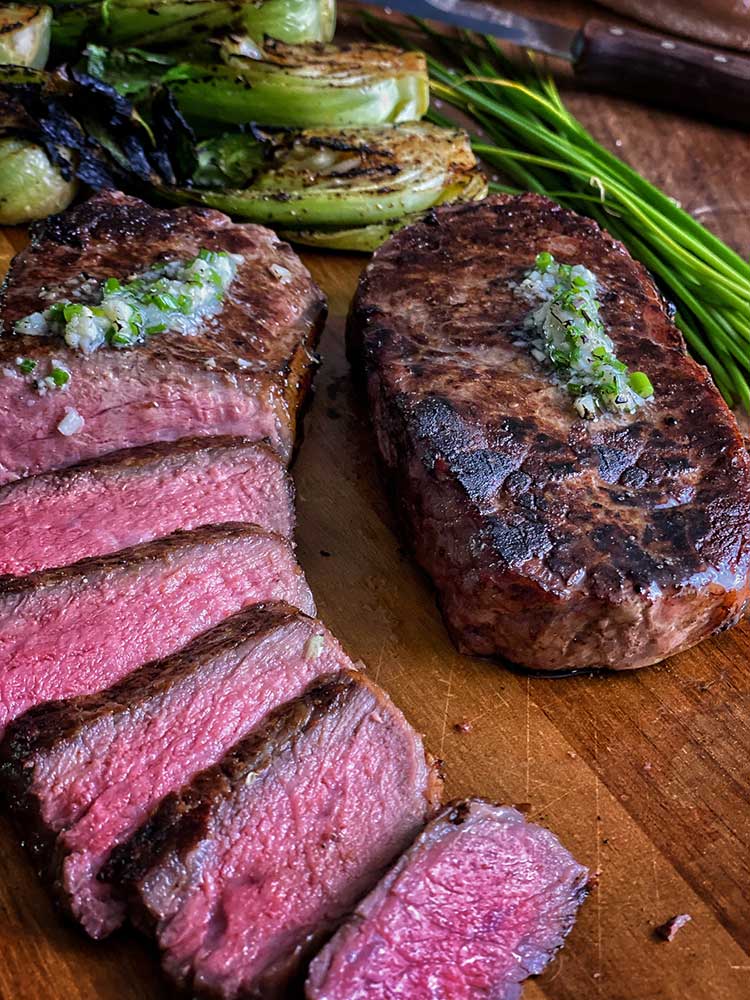
For enthusiasts of both fine dining and unforgettable travel, the pursuit of culinary perfection is a lifelong quest. Whether you’re reminiscing about a memorable meal enjoyed during an Italian escape or planning a sophisticated dinner party inspired by a grand tour through France, knowing how to flawlessly prepare a New York Strip on the grill elevates the everyday into an event. This guide will walk you through every step, from selecting the finest cut to achieving that coveted perfect sear, ensuring your next meal is nothing short of extraordinary.
The Allure of the New York Strip: A Culinary Journey
The New York Strip, also known as a Kansas City Strip, Ambassador Steak, or Club Steak, holds a revered place in culinary traditions worldwide. Its appeal lies in its ideal balance of tenderness and robust beefy flavor, thanks to its origin from the short loin, an area of the cow that doesn’t get much exercise. This cut often features a satisfying fat cap along one side, which, when rendered down on the grill, imparts incredible juiciness and flavor.
From the bustling markets of Tokyo where premium Wagyu versions are meticulously prepared, to the rustic charm of a Tuscan villa where simpler, yet equally flavorful, cuts are grilled over open flames, the appreciation for a well-cooked steak is universal. Understanding the characteristics of the New York Strip is the first step in replicating that world-class dining experience in your own backyard or perhaps at a luxurious Airbnb with a dedicated outdoor kitchen during your travels.
Understanding the Cut: From Butcher to Backyard
Selecting the right New York Strip is paramount. Look for steaks that are 1 to 1.5 inches thick; this thickness allows for a beautiful sear on the exterior while maintaining a juicy, tender interior. Thinner steaks tend to cook too quickly, making it difficult to achieve a proper crust without overcooking. Thicker cuts, while impressive, can be more challenging to cook evenly without specialized techniques like reverse searing.
Maturity and Marbling: The quality of beef significantly impacts the final result. Seek out cuts with good marbling – those tiny flecks of fat interspersed throughout the lean meat. Marbling melts during cooking, basting the meat from within, resulting in a more flavorful and tender steak. USDA Prime or Choice grades are excellent indicators of quality. If you’re fortunate enough to encounter locally sourced, pasture-fed beef during your travels, those unique flavor profiles can offer an even richer experience, reminiscent of the authentic farm-to-table movements you might find in destinations like Provence or the Australian outback.
Freshness and Color: A fresh New York Strip should have a bright, cherry-red color. Avoid cuts that appear dull, brownish, or have excessive liquid in the packaging, as these can indicate older meat. Engaging with a local butcher, a common practice in many European and Asian markets, can provide invaluable insights and access to the best cuts, often accompanied by tips passed down through generations. This is a subtle yet significant part of the tourism experience, connecting you to local culture and traditions.
Mastering the Grill: Techniques for Perfection
Grilling a New York Strip is an art form, but one that is entirely attainable with the right techniques and a bit of practice. The goal is to achieve a flavorful, caramelized crust on the outside while maintaining the desired doneness and juiciness on the inside. This balance is often the hallmark of a truly memorable steak, whether it’s served at a Michelin-starred restaurant in Paris or enjoyed casually at a beachside resort in the Caribbean.
Essential Preparations: Seasoning and Temperature
Proper preparation sets the stage for success. Think of it as preparing for an important trip – the more planning you do upfront, the smoother the journey.
Bringing to Room Temperature: Remove the steaks from the refrigerator at least 30-60 minutes before grilling. This allows the meat to come closer to room temperature, ensuring more even cooking. A cold steak hitting a hot grill will cook unevenly, often resulting in a grey band of overcooked meat just beneath the surface. This simple step is often overlooked but is crucial for a consistent cook throughout.
Seasoning: A New York Strip is robust enough to stand on its own with minimal seasoning, allowing its natural beefy flavor to shine.
- Salt: Coarsely ground kosher salt or sea salt is ideal. Apply it liberally to all sides of the steak. Salt not only adds flavor but also helps to draw out moisture from the surface, creating a better sear. For optimal results, season the steak at least 40 minutes before grilling, or just before placing it on the grill. If you season somewhere in between, the salt will draw out moisture, but won’t have enough time to reabsorb, potentially leading to a drier surface.
- Pepper: Freshly cracked black pepper adds a wonderful aromatic spice.
- Optional Enhancements: While not strictly necessary, some chefs like to add a thin layer of olive oil or a neutral high-smoke-point oil (like canola or grapeseed) to the steak before seasoning. This helps the seasonings adhere and can contribute to a better sear. You might also consider garlic powder, onion powder, or a touch of paprika if you desire more complex flavors, perhaps inspired by the spice blends encountered during a culinary tour of Morocco.
Preheating the Grill: This is non-negotiable for a perfect sear. You want your grill screaming hot.
- Gas Grill: Turn all burners to high and close the lid for 10-15 minutes. The grates should be smoking hot.
- Charcoal Grill: Arrange your coals for direct high heat. Once the coals are glowing red and covered with a light grey ash, they are ready. Position the grate low enough to get maximum heat.
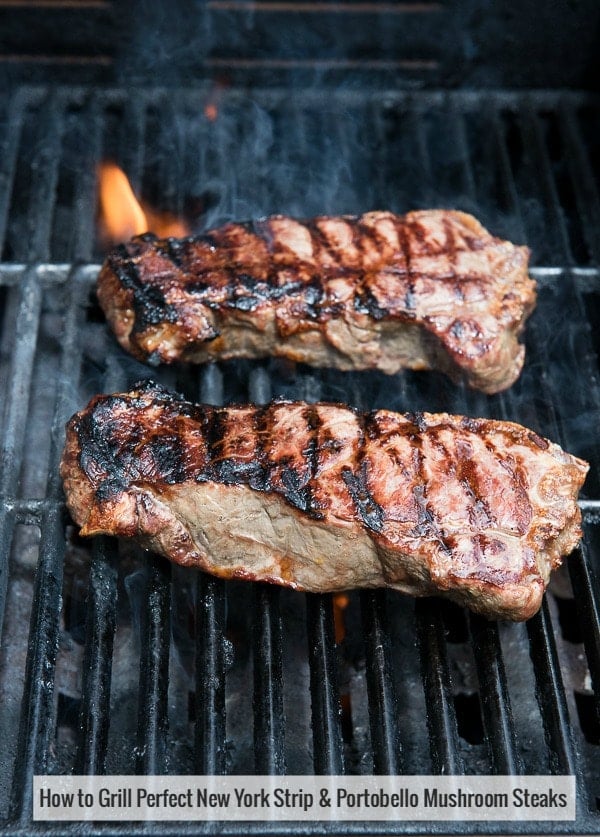
A hot grill ensures that the steak sears quickly upon contact, forming a beautiful crust through the Maillard reaction—a chemical process that browns food and creates complex flavors.
The Art of Grilling: Searing, Flipping, and Resting
Now comes the moment of truth, the dance between fire and meat that transforms a raw cut into a culinary masterpiece.
Grilling the Steak:
- Clean and Oil Grates: Before placing the steak, use a stiff wire brush to clean any residue from the grates. Then, using tongs, wipe the hot grates with an oil-soaked paper towel. This prevents sticking and contributes to a beautiful sear.
- Sear First: Place the seasoned steaks directly over the hottest part of the grill. You want that intense initial heat to create a deep brown crust. Don’t touch or move the steak for the first 2-3 minutes. Resist the urge to peek or move it; patience is key here.
- Crosshatch Marks (Optional): For those iconic crosshatch grill marks, after 2-3 minutes, rotate the steak 45 degrees without flipping it, and continue cooking for another 2-3 minutes.
- Flip: After the first side has developed a gorgeous crust (approximately 4-6 minutes total, depending on thickness and grill temperature), flip the steak to the other side.
- Cook to Desired Doneness: Continue grilling on the second side, flipping occasionally if needed to ensure even cooking, until your desired internal temperature is reached. For a 1-inch thick steak cooked to medium-rare, this might take another 4-6 minutes. For a 1.5-inch steak, it could be 6-9 minutes per side.
- Rare: 120-125°F (49-52°C) – Cool red center
- Medium-Rare: 130-135°F (54-57°C) – Warm red center
- Medium: 135-140°F (57-60°C) – Warm pink center
- Medium-Well: 140-145°F (60-63°C) – Slightly pink center
- Well-Done: 150°F+ (66°C+) – Little to no pink
- Use a Meat Thermometer: This is your most reliable tool. Insert it into the thickest part of the steak, avoiding any bones or fat pockets. Remove the steak from the grill when it’s about 5°F (3°C) below your target temperature, as it will continue to cook during resting.
The Crucial Rest: This step is as important as the grilling itself. Once the steak is cooked to your liking, transfer it to a cutting board or platter and tent it loosely with aluminum foil. Let it rest for 5-10 minutes. During this time, the muscle fibers relax, allowing the juices to redistribute evenly throughout the steak. Skipping this step will result in juices flowing out when you cut, leaving you with a drier, less flavorful steak. Imagine the disappointment of a poorly packed suitcase on a long journey – the rest ensures everything settles perfectly.
Slicing and Serving: Once rested, slice the New York Strip against the grain. This shortens the muscle fibers, making each bite incredibly tender. Serve immediately.
Beyond the Grill: Perfect Pairings and the Lifestyle Experience
A perfectly grilled New York Strip is a star in its own right, but its brilliance can be amplified by thoughtful accompaniments. The entire experience—from selecting the cut to the final plating—contributes to a lifestyle that celebrates quality, flavor, and the joy of creation. This is where your personal touch and perhaps influences from your global travels can truly shine.
Complementary Sides and Sauces
Consider sides that offer a contrast in texture or flavor, enhancing the steak without overwhelming it.
- Classic Potato Dishes: Creamy mashed potatoes, crispy roasted potatoes, or a baked potato with all the fixings are timeless choices. Imagine a potato gratin inspired by a ski trip to the Swiss Alps, or simple herb-roasted potatoes reminiscent of a rustic meal in the French countryside.
- Fresh Vegetables: A vibrant green salad with a light vinaigrette, grilled asparagus, creamed spinach, or sautéed mushrooms provide freshness and balance. Perhaps heirloom tomatoes and basil from a local market you visited in Italy.
- Bread: Crusty bread is perfect for soaking up any delicious juices.
Sauces (Optional): While a well-cooked New York Strip often needs no adornment, a complementary sauce can elevate the dish further.
- Herb Butter: A simple pat of herb butter (parsley, chives, garlic) melting over the hot steak is pure luxury.
- Béarnaise or Hollandaise: Rich and decadent, these classic French sauces are perfect for special occasions.
- Chimichurri: A vibrant, zesty Argentinian herb sauce offers a delightful counterpoint, especially if you’re drawing inspiration from South American grilling traditions.
- Red Wine Reduction: A sophisticated sauce that can be made ahead of time, adding depth and elegance.
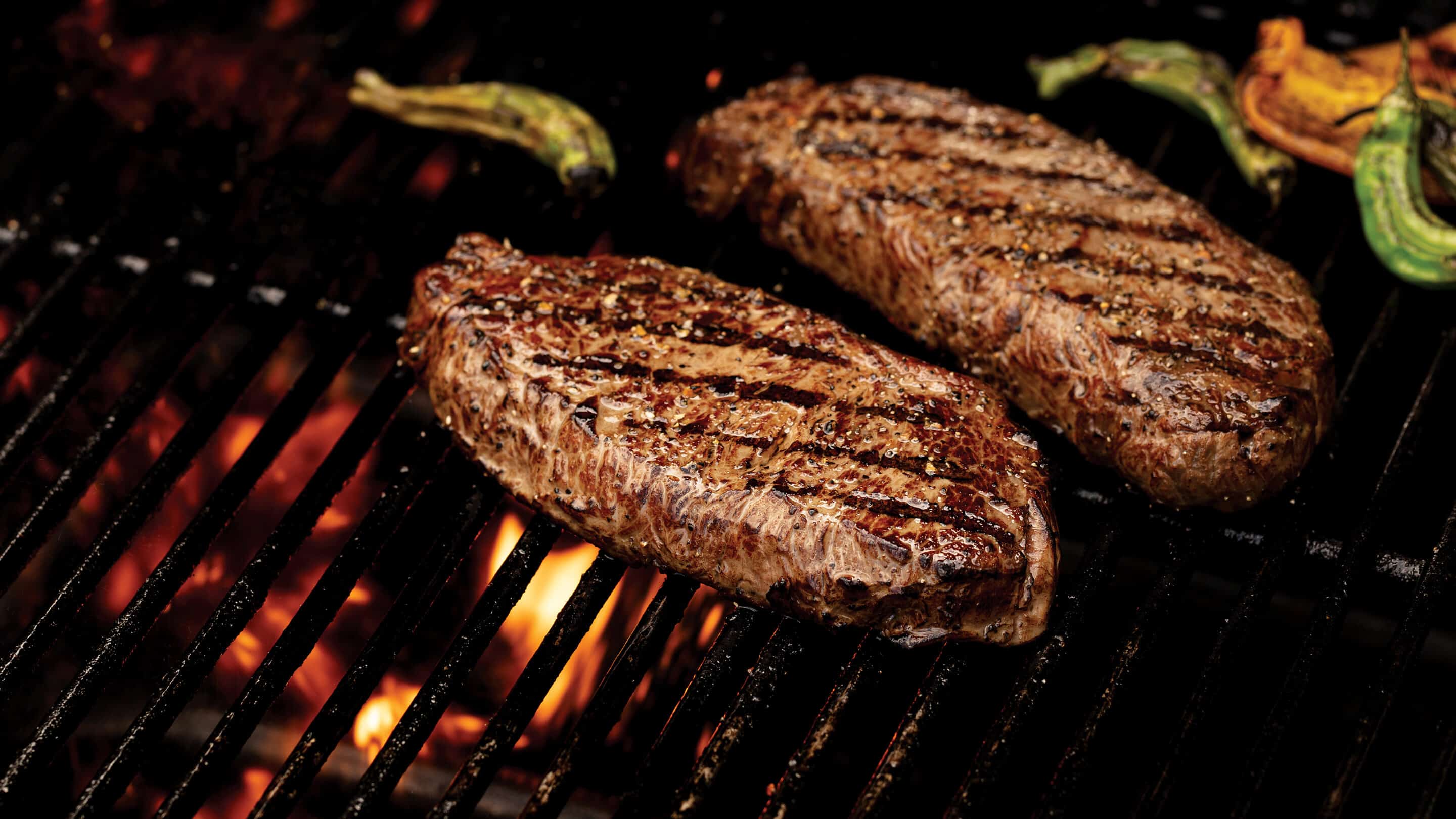
Elevating Your Dining Experience: A Traveler’s Perspective
Cooking a New York Strip on the grill isn’t just about preparing a meal; it’s about crafting an experience. It’s an extension of the broader lifestyle embraced by those who appreciate the finer things, whether that’s exploring new travel destinations or indulging in gourmet pleasures at home.
Setting the Scene: Consider the ambiance. Dining al fresco on a warm evening, perhaps on the patio of a beautiful villa or a private balcony overlooking a stunning landscape, adds an element of luxury travel to your home dining. Even indoors, a thoughtfully set table with elegant tableware, soft lighting, and perhaps some background music from a destination you adore can transform the meal into an event. Imagine recreating the charm of a cozy trattoria in Rome or the sophisticated elegance of a London dining room.
Wine Pairing: A robust red wine is the classic companion for steak. A Cabernet Sauvignon, Merlot, or a Syrah from a renowned wine region like Napa Valley or Bordeaux will perfectly complement the rich flavors of the beef. If you’re a traveler who enjoys exploring local vineyards, this is an excellent opportunity to uncork a bottle brought back from a memorable trip.
Sharing the Experience: Food is often best when shared. Whether it’s with family, friends, or a loved one, the act of preparing and enjoying a meal together fosters connection and creates lasting memories. This echoes the shared experiences of travel, from exploring ancient landmarks to discovering hidden gems in bustling city centers.
Mastering the grilled New York Strip is more than just a culinary skill; it’s an investment in a richer, more flavorful lifestyle. It empowers you to recreate the gourmet dining experiences you might encounter on your travels, bringing a taste of the world directly to your plate. By following these steps, you’re not just cooking a steak; you’re crafting a memory, a moment of indulgence that celebrates the intersection of exceptional food, thoughtful preparation, and the adventurous spirit that defines a life well-lived. So fire up your grill, embrace the sizzle, and prepare to embark on a delicious journey right from your own home.
LifeOutOfTheBox is a participant in the Amazon Services LLC Associates Program, an affiliate advertising program designed to provide a means for sites to earn advertising fees by advertising and linking to Amazon.com. Amazon, the Amazon logo, AmazonSupply, and the AmazonSupply logo are trademarks of Amazon.com, Inc. or its affiliates. As an Amazon Associate we earn affiliate commissions from qualifying purchases.