
Navigating the process of establishing a Limited Liability Company (LLC) in the Lone Star State is a strategic move for entrepreneurs and investors looking to protect their personal assets while conducting business. A Texas LLC offers a compelling blend of operational flexibility and limited liability, making it a popular choice for a wide range of ventures. This guide will walk you through the essential steps, considerations, and best practices for successfully forming your Texas LLC.
Understanding the Texas LLC Framework
An LLC is a hybrid business structure that combines the pass-through taxation of a partnership or sole proprietorship with the limited liability of a corporation. In Texas, this structure is governed by the Texas Business Organizations Code. The primary advantage is that the business’s debts and liabilities are generally separate from the personal assets of its owners, known as members. This means that if the LLC incurs debt or faces a lawsuit, the members’ personal property, such as their homes or savings accounts, is typically protected.
Key Benefits of a Texas LLC
- Limited Liability Protection: As mentioned, this is the cornerstone benefit. Your personal assets remain shielded from business-related debts and legal actions.
- Pass-Through Taxation: Unless you elect to be taxed as a corporation, an LLC’s profits and losses are passed through directly to the members’ personal income tax returns. This avoids the “double taxation” often associated with C-corporations, where the corporation pays taxes on its profits, and then shareholders pay taxes again on dividends.
- Flexibility in Management: Texas LLCs can be managed by their members (member-managed) or by appointed managers (manager-managed). This allows for tailored operational structures that fit the specific needs of the business.
- Operational Simplicity: Compared to corporations, LLCs generally have fewer formal administrative requirements, such as mandatory annual meetings or extensive record-keeping obligations.
- Credibility: Operating as an LLC can lend an air of professionalism and legitimacy to your business, which can be attractive to customers, suppliers, and potential investors.
Choosing the Right Business Name
The name of your Texas LLC is crucial. It not only identifies your business but also must comply with specific state naming requirements.
- Uniqueness: Your chosen name must be distinguishable from other business entities already registered with the Texas Secretary of State. You can check for name availability on the Secretary of State’s website.
- Required Designations: The name must include a designator indicating that it is a limited liability company. Common options in Texas include “Limited Liability Company,” “LLC,” or “L.L.C.”
- Prohibited Words: Avoid using words that are prohibited by state law, such as “Bank,” “Trust,” “Insured,” “Cooperative,” or “Investment Company,” unless you meet specific regulatory requirements.
- Domain Name Availability: While not a legal requirement for formation, it’s wise to check if a corresponding domain name is available for your business website.
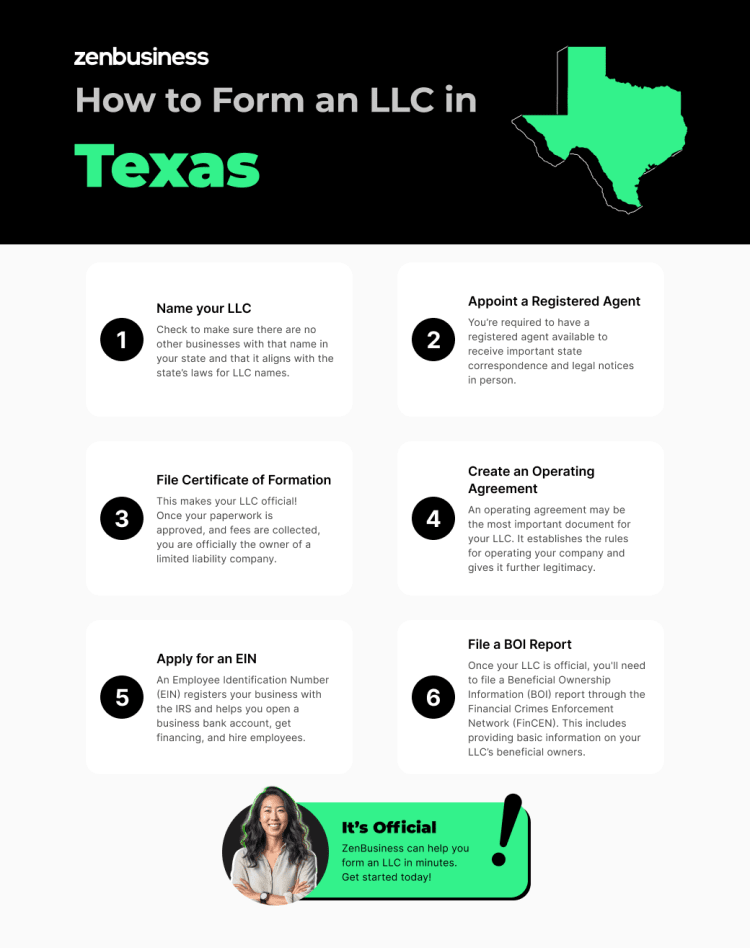
Steps to Form Your Texas LLC
Forming a Texas LLC involves several distinct steps, each requiring careful attention to detail.
1. Appoint a Registered Agent
A registered agent is an individual or business entity designated to receive official legal and tax documents on behalf of your LLC. This agent must have a physical street address within Texas (not a P.O. Box) and be available during normal business hours.
- Who can be a Registered Agent?
- An individual resident of Texas.
- A Texas domestic business entity or a foreign entity authorized to do business in Texas.
- The LLC itself, provided it has an office in Texas.
- Importance: Failing to maintain a registered agent can lead to the administrative dissolution of your LLC.
- Professional Services: Many entrepreneurs opt to use a professional registered agent service for a fee, ensuring compliance and providing a layer of privacy by keeping their personal address out of public records.
2. File the Certificate of Formation
This is the primary document that officially creates your LLC with the state. The Certificate of Formation (often referred to as the Articles of Organization in other states) must be filed with the Texas Secretary of State.
- Required Information: The certificate typically requires:
- The name of the LLC.
- The name and physical address of the registered agent.
- The principal office street address of the LLC in Texas.
- The name and mailing address of the organizer(s).
- The duration of the LLC (if not perpetual).
- Filing Fee: There is a filing fee associated with submitting the Certificate of Formation. You can find the current fee schedule on the Texas Secretary of State website.
- Filing Method: You can file online through the Secretary of State’s portal, by mail, or in person. Online filing is generally the quickest method.

3. Create an Operating Agreement
While not a mandatory filing requirement with the state, an Operating Agreement is a critical internal document that outlines the ownership structure, operating procedures, and member responsibilities of your LLC. It acts as the governing document for your business.
- Purpose: It clarifies how the LLC will be managed, how profits and losses will be distributed, how new members can join or existing members can leave, and how disputes will be resolved.
- Flexibility: For single-member LLCs, an Operating Agreement may seem less critical, but it’s still advisable for establishing the separation between personal and business affairs. For multi-member LLCs, it’s essential for defining roles and expectations.
- Key Provisions:
- Member names and contributions.
- Distribution of profits and losses.
- Voting rights and procedures.
- Management structure (member-managed vs. manager-managed).
- Procedures for adding or removing members.
- Dissolution provisions.
- Legal Advice: It is highly recommended to consult with a legal professional to draft a comprehensive Operating Agreement that aligns with your specific business goals and Texas law.
4. Obtain an Employer Identification Number (EIN)
An Employer Identification Number (EIN), also known as a Federal Tax Identification Number, is a unique nine-digit number issued by the Internal Revenue Service (IRS) to businesses operating in the United States.
- When is it Needed? You will generally need an EIN if your LLC plans to hire employees, operates as a corporation or partnership for tax purposes, or files excise tax returns. Many banks also require an EIN to open a business bank account.
- How to Apply: Applying for an EIN is a free process and can be done online directly through the IRS website.
- Sole Member LLCs: If your LLC is a single-member LLC and you do not plan to hire employees or elect to be taxed as a corporation, you may not technically need an EIN, as the IRS will use your Social Security number for tax purposes. However, obtaining one is still often beneficial for business banking and general professional practice.
Ongoing Compliance and Operational Considerations
Forming the LLC is just the first step. Maintaining compliance and operating efficiently are crucial for the long-term success of your business.
1. Business Bank Account
Separating your personal and business finances is paramount for maintaining the limited liability protection offered by your LLC. Open a dedicated business bank account in the name of your LLC. This requires your Certificate of Formation and EIN.
2. State and Federal Tax Obligations
- Federal Taxes: As mentioned, most Texas LLCs are taxed as disregarded entities (for single-member LLCs) or partnerships (for multi-member LLCs). This means profits and losses are reported on the members’ personal tax returns. However, you can elect to have your LLC taxed as an S-corporation or C-corporation if it makes financial sense for your business. Consult with a tax advisor to determine the best tax election.
- State Taxes: Texas does not have a state income tax. However, businesses may be subject to other state taxes, such as:
- Texas Franchise Tax: Most businesses operating in Texas, including LLCs, are subject to the Texas Franchise Tax if they have more than $1.23 million in annual revenue. This is a privilege tax based on a business’s apportioned taxable margin.
- Sales and Use Tax: If your business sells tangible personal property or certain taxable services in Texas, you will need to register with the Texas Comptroller of Public Accounts for sales and use tax collection.
- Other Local Taxes: Depending on your industry and location, you may be subject to additional local taxes.
3. Annual Reports and Fees
Unlike many other states, Texas does not require LLCs to file an annual report. However, LLCs subject to the Texas Franchise Tax must file a Franchise Tax Report annually, even if no tax is due. Failure to file can result in penalties and interest.
4. Maintaining Records
While not as stringent as corporate record-keeping, it’s good practice to maintain organized records of your LLC’s financial transactions, legal documents, and meeting minutes (if applicable). This is essential for tax purposes and can be invaluable if legal disputes arise.
Conclusion
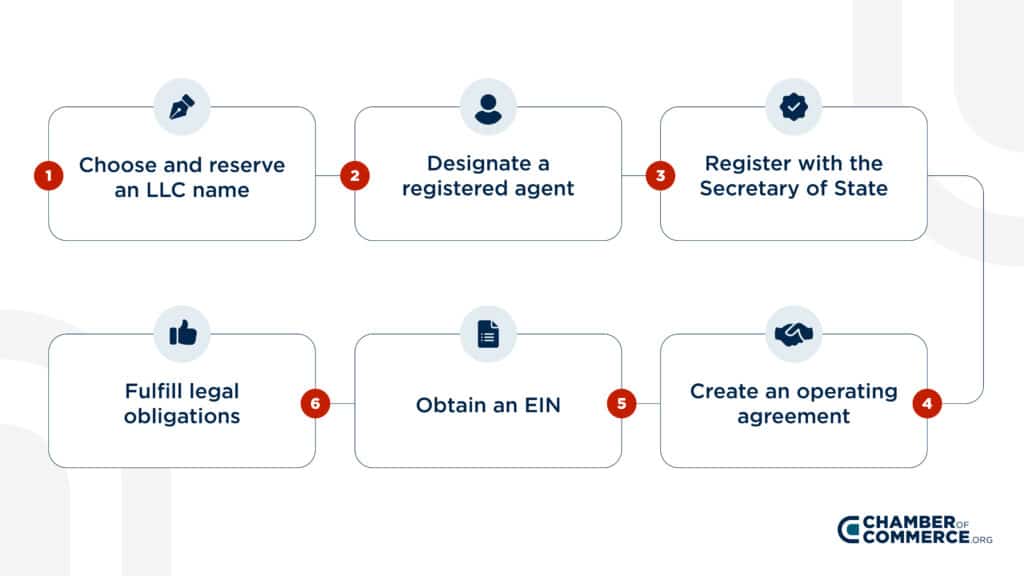
Forming a Texas LLC is a straightforward yet critical process that lays the foundation for a protected and flexible business venture. By carefully selecting your business name, appointing a registered agent, filing the necessary formation documents, and establishing a robust Operating Agreement, you can establish a strong legal structure for your enterprise. Remember that ongoing compliance with state and federal tax laws, along with maintaining sound business practices, will ensure the continued success and longevity of your Texas LLC. Consulting with legal and tax professionals throughout the formation and operational phases is highly recommended to navigate the complexities and optimize your business’s structure.
LifeOutOfTheBox is a participant in the Amazon Services LLC Associates Program, an affiliate advertising program designed to provide a means for sites to earn advertising fees by advertising and linking to Amazon.com. Amazon, the Amazon logo, AmazonSupply, and the AmazonSupply logo are trademarks of Amazon.com, Inc. or its affiliates. As an Amazon Associate we earn affiliate commissions from qualifying purchases.