
The vast expanse of Texas, a state renowned for its rich history, diverse landscapes, and vibrant culture, offers a unique blend of opportunities for both residents and visitors. From the bustling streets of Dallas to the serene beauty of the Texas Hill Country, it’s a place that inspires a sense of permanence and future planning. While the allure of Texas often conjures images of sprawling ranches, iconic landmarks, and world-class culinary experiences, understanding the legal frameworks that govern asset protection and estate planning within the state is equally crucial for long-term security and peace of mind. This guide delves into the process of creating a trust in Texas, a powerful tool for managing and distributing your assets according to your wishes.
Understanding the Fundamentals of Trusts in Texas
At its core, a trust is a legal arrangement where one party, the grantor (also known as the settlor or trustor), transfers assets to another party, the trustee, to hold and manage for the benefit of a third party, the beneficiary. This arrangement offers significant advantages, particularly in terms of probate avoidance, asset protection, and providing for loved ones. In Texas, the creation and administration of trusts are governed by specific state laws, ensuring that these legal structures function effectively and uphold the intentions of the grantor.
What is a Trust?
A trust is essentially a fiduciary relationship. The grantor entrusts their assets to the trustee, who has a legal obligation to act in the best interests of the beneficiary. This relationship is established through a legal document called a trust agreement or declaration of trust. The trust agreement outlines the terms of the trust, including who the beneficiaries are, how the assets should be managed and distributed, and the powers and responsibilities of the trustee.
Why Create a Trust in Texas?
The decision to create a trust in Texas can stem from a variety of motivations, all centered around ensuring the responsible management and future of your assets.
-
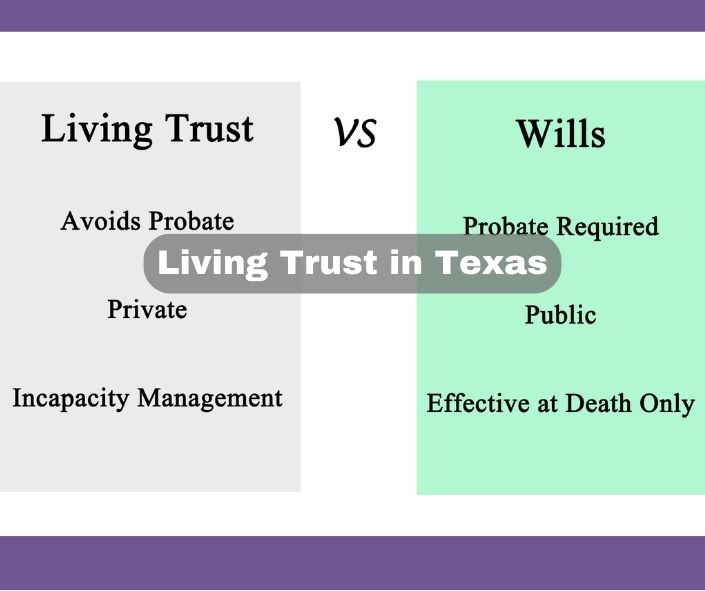
Probate Avoidance: One of the most significant benefits of a trust is that assets held within it typically bypass the probate process. Probate is the legal procedure of validating a will and distributing the deceased’s assets, which can be time-consuming, expensive, and public. By transferring assets into a trust, you can ensure a smoother and more private transition of wealth to your beneficiaries. This is particularly beneficial for those who own property in Texas or have significant holdings they wish to pass on efficiently.
-
Asset Protection: Certain types of trusts can offer a degree of protection for your assets against creditors, lawsuits, and other unforeseen financial challenges. This can be especially relevant for individuals in professions with higher liability risks or those who wish to safeguard their wealth for future generations.
-
Estate Planning and Control: Trusts provide a structured way to dictate how your assets are managed and distributed, both during your lifetime and after your death. You can specify conditions for distributions, provide for minor children or individuals with special needs, and even ensure that your assets are used for specific purposes, such as funding education or supporting charitable causes. This level of control is invaluable for comprehensive estate planning.
-
Privacy: Unlike wills, which become public records during probate, trusts are private documents. The details of your assets and beneficiaries remain confidential.
-
Incapacity Planning: A trust can designate a successor trustee to manage your assets if you become incapacitated and are unable to do so yourself. This ensures that your financial affairs are handled according to your wishes without the need for a court-appointed guardianship.
Types of Trusts Available in Texas
Texas law recognizes various types of trusts, each suited to different needs and objectives. Understanding these distinctions is crucial when deciding which type of trust best aligns with your estate planning goals.
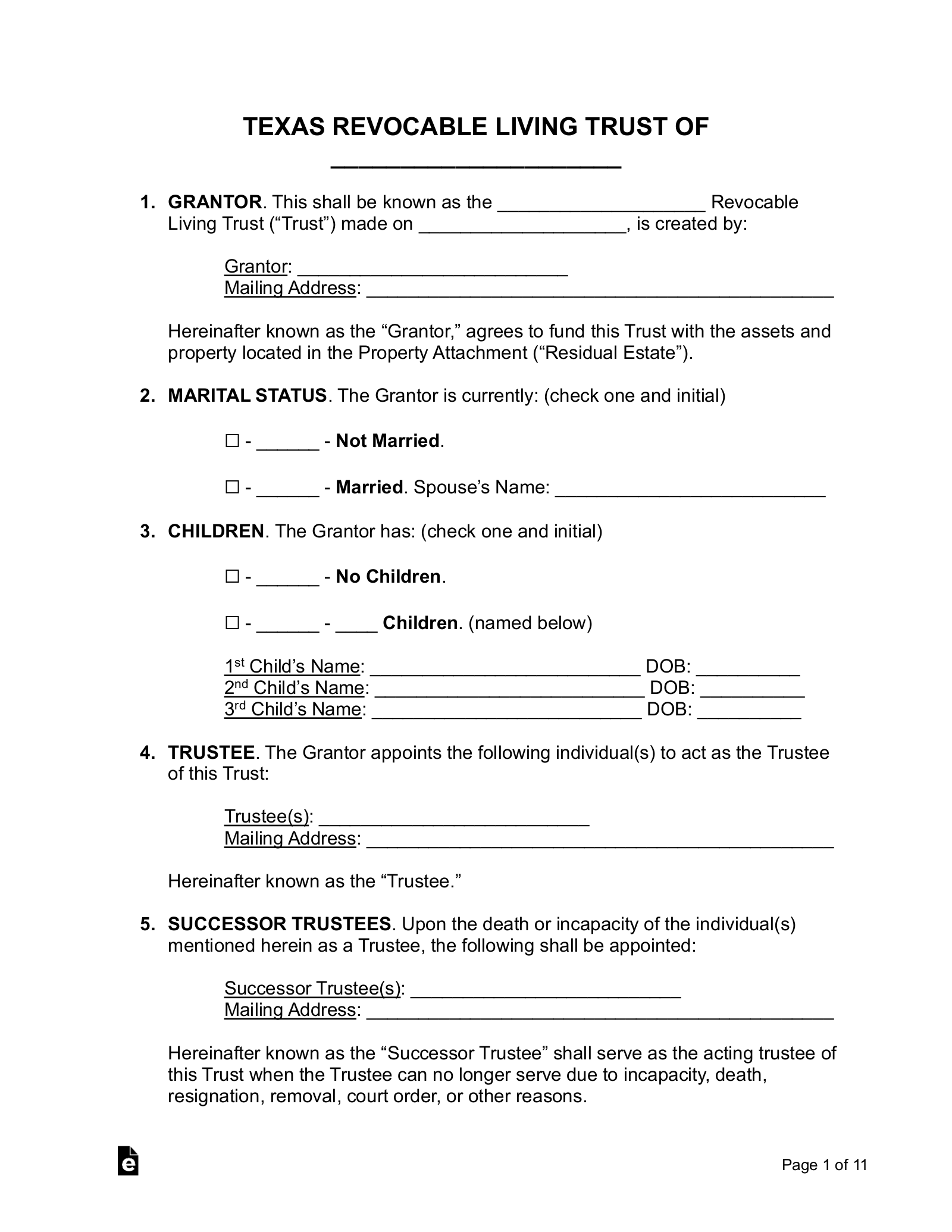
Revocable Living Trusts
A revocable living trust, often simply called a living trust, is established during the grantor’s lifetime. The grantor typically serves as the initial trustee and retains the right to amend or revoke the trust at any time.
-
Flexibility: The primary advantage of a revocable living trust is its flexibility. You can change beneficiaries, alter distribution terms, or even dissolve the trust entirely if your circumstances change.
-
Management During Life: It allows for seamless management of assets if you become incapacitated. Your designated successor trustee can step in without delay.
-
Probate Avoidance: Assets titled in the name of the revocable living trust at the time of your death avoid probate.
-
Tax Implications: While revocable trusts offer many benefits, they generally do not provide significant tax advantages during the grantor’s lifetime, as the grantor still controls the assets and any income generated is typically taxed to the grantor.
Irrevocable Trusts
In contrast to revocable trusts, irrevocable trusts generally cannot be amended or revoked by the grantor once established. This lack of flexibility comes with significant advantages, particularly in terms of asset protection and tax benefits.
-
Asset Protection: Because the grantor relinquishes control over the assets, irrevocable trusts can shield those assets from creditors and lawsuits. This can be a powerful tool for safeguarding wealth.
-
Estate Tax Reduction: Depending on the type of irrevocable trust, it can be structured to remove assets from the grantor’s taxable estate, potentially reducing estate tax liabilities for heirs.
-
Specific Purposes: Irrevocable trusts are often used for charitable giving, special needs planning, or to provide for beneficiaries in a controlled manner over a long period. Examples include:
- Irrevocable Life Insurance Trusts (ILITs): Used to own life insurance policies, removing the death benefit from the grantor’s taxable estate.
- Charitable Trusts: Allowing for philanthropic giving while potentially providing income to the grantor or beneficiaries.
- Special Needs Trusts: Designed to provide for individuals with disabilities without jeopardizing their eligibility for government benefits.
Steps to Creating a Trust in Texas
Creating a trust in Texas involves a systematic process that ensures legal compliance and the accurate reflection of your intentions. While it’s a straightforward process with proper guidance, it’s highly recommended to consult with an experienced estate planning attorney to navigate the complexities.
1. Define Your Goals and Objectives
The first and most critical step is to clearly articulate what you hope to achieve with your trust. Consider the following questions:
-
What assets will you place in the trust? This could include real estate, bank accounts, investments, personal property, or any other valuable assets.
-
Who do you want to benefit from the trust? These are your beneficiaries. You can name individuals, charities, or even other trusts.
-
When and how should the beneficiaries receive the assets? Should they receive them outright, in installments, or upon reaching a certain age or meeting specific conditions?
-
Who will manage the trust? This is your trustee. You can appoint yourself, a family member, a friend, or a professional trustee.
-
What happens if you become incapacitated? Designating a successor trustee is crucial.
-
What are your concerns regarding asset protection or estate taxes?
2. Choose the Right Type of Trust
Based on your defined goals, you’ll need to select the most appropriate type of trust.
-
For maximum flexibility and to avoid probate for your primary residence in Austin or your vacation home in Galveston, a Revocable Living Trust is often a good choice.
-
If your primary concerns are asset protection, reducing estate taxes, or providing for a special needs beneficiary, an Irrevocable Trust might be more suitable. Your attorney will guide you through the specific nuances of irrevocable trusts like qualified personal residence trusts (QPRTs) or grantor retained annuity trusts (GRATs).
3. Select Your Trustee(s)
The trustee plays a vital role in managing and distributing trust assets. Consider their trustworthiness, financial acumen, and ability to fulfill the responsibilities outlined in the trust document.
-
Individual Trustees: Family members or trusted friends can serve as trustees. Ensure they are capable and understand their fiduciary duties.
-
Corporate Trustees: Banks or trust companies can act as professional trustees. They offer expertise and impartiality but may come with higher fees.
You must also name a Successor Trustee who will take over if the initial trustee is unable or unwilling to serve.
4. Draft the Trust Agreement
This is the legal document that formally establishes your trust. It must be meticulously drafted to reflect your intentions accurately and comply with Texas law. An experienced Texas estate planning attorney will:
- Clearly identify the grantor, trustee(s), and beneficiaries.
- Describe the assets being transferred into the trust.
- Outline the powers and duties of the trustee.
- Specify the terms and conditions for asset distribution.
- Name successor trustees and outline the process for their appointment.
- Include any specific provisions related to asset protection, special needs, or charitable giving.
5. Fund the Trust
Creating the trust document is only the first step; the trust must be “funded” for it to be effective. This means retitling the assets you wish to be part of the trust from your individual name to the name of the trust.
-
Real Estate: A new deed must be prepared and recorded with the county clerk’s office, transferring ownership from you to the trust. For example, your property at The Woodlands would need a new deed.
-
Financial Accounts: Bank accounts, investment accounts, and brokerage accounts need to be retitled in the name of the trust.
-
Other Assets: This includes vehicles, business interests, and valuable personal property.
The process of funding can vary depending on the asset. Your attorney will provide specific instructions. For instance, transferring ownership of a valuable collection of Texas art to the trust requires careful documentation.

6. Maintain and Review Your Trust
A trust is not a static document. Life circumstances change, laws evolve, and your wishes may be updated.
-
Regular Reviews: It’s advisable to review your trust periodically, especially after major life events such as marriage, divorce, the birth of a child, or a significant change in your financial situation.
-
Amendments: If you have a revocable living trust, you can amend it to reflect these changes. For irrevocable trusts, amendments are generally not possible, highlighting the importance of careful initial planning.
By diligently following these steps and seeking professional legal advice, you can effectively create a trust in Texas that serves as a robust foundation for your financial future and the well-being of your loved ones. Whether you’re planning a leisurely retirement in San Antonio or ensuring the legacy of your family’s Texas heritage, a trust provides a powerful and flexible solution.
LifeOutOfTheBox is a participant in the Amazon Services LLC Associates Program, an affiliate advertising program designed to provide a means for sites to earn advertising fees by advertising and linking to Amazon.com. Amazon, the Amazon logo, AmazonSupply, and the AmazonSupply logo are trademarks of Amazon.com, Inc. or its affiliates. As an Amazon Associate we earn affiliate commissions from qualifying purchases.