
Navigating the complexities of life means making informed decisions that safeguard your future and the well-being of your loved ones. Among the most crucial steps in responsible lifestyle planning is establishing a comprehensive estate plan, with a Last Will and Testament as its cornerstone. For residents of the Sunshine State, understanding “How To Create A Will In Florida” is not merely a legal formality but a fundamental aspect of proactive personal management, ensuring your legacy and intentions are clearly documented and legally binding. A well-crafted Florida will provides clarity, peace of mind, and control over your assets and dependents, reflecting a thoughtful approach to life’s ultimate transitions.
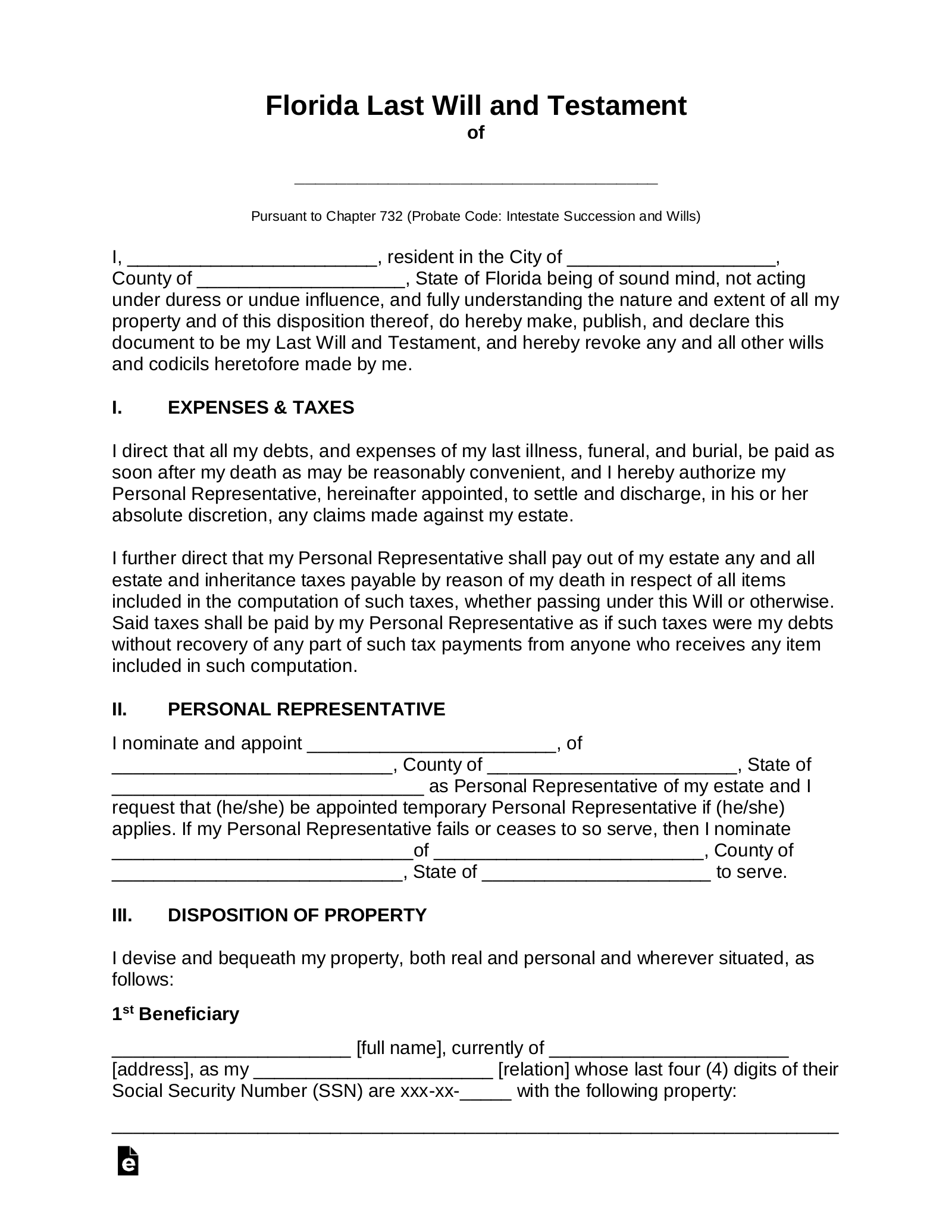
The Importance of Estate Planning in Your Lifestyle
Estate planning is far more than just preparing for death; it’s about making deliberate choices now that profoundly impact your lifestyle and that of your family for years to come. A Last Will and Testament is a declaration of your wishes regarding the distribution of your assets, the care of minor children, and the management of your estate after your passing. Without a valid will, these critical decisions are left to the state’s intestacy laws, which may not align with your desires or the unique needs of your family. Embracing estate planning as an essential part of your lifestyle signifies a commitment to responsibility, foresight, and care for those you cherish most.
Why a Florida Will is Crucial
In Florida, the absence of a will means your estate will be subject to the state’s intestacy statutes. These laws dictate how your property is divided among your surviving relatives, potentially leading to outcomes you would have explicitly avoided. For instance, if you have a spouse and children, your spouse might not inherit everything, or if you have no close relatives, your assets could even escheat to the state. Furthermore, without a will, a court will appoint a personal representative (executor) for your estate, and this individual might not be someone you would have chosen.
A valid Florida will empowers you to:
- Designate beneficiaries: You decide who inherits your property, including specific assets or percentages of your estate. This control ensures your hard-earned wealth benefits those you intend.
- Appoint a personal representative: You choose who will manage your estate, pay debts, and distribute assets according to your wishes. This person should be trustworthy and capable of handling administrative tasks.
- Nominate guardians for minor children: Perhaps the most vital provision for parents, a will allows you to name guardians to raise your children if both parents pass away. Without this, a court makes the decision, which might not align with your family values or preferred caregivers.
- Make specific bequests: You can leave particular items (e.g., jewelry, family heirlooms, sentimental possessions) to specific individuals.
- Provide for pets: Many wills include provisions for the care of beloved pets, ensuring they are looked after.
- Potentially minimize probate disputes: A clear, unambiguous will can reduce the likelihood of family disagreements and challenges to your estate.
- Simplify the probate process: While a will doesn’t avoid probate in Florida, it provides clear instructions, often streamlining the process and reducing administrative burdens.
Understanding these benefits highlights why creating a will is not just a legal obligation but a profound act of personal and familial responsibility, crucial for any thoughtful lifestyle plan.
Key Components of a Valid Florida Will
To be legally recognized in Florida, a will must meet specific statutory requirements. Adhering to these requirements ensures your document stands up in court and your wishes are honored.
Designating Beneficiaries
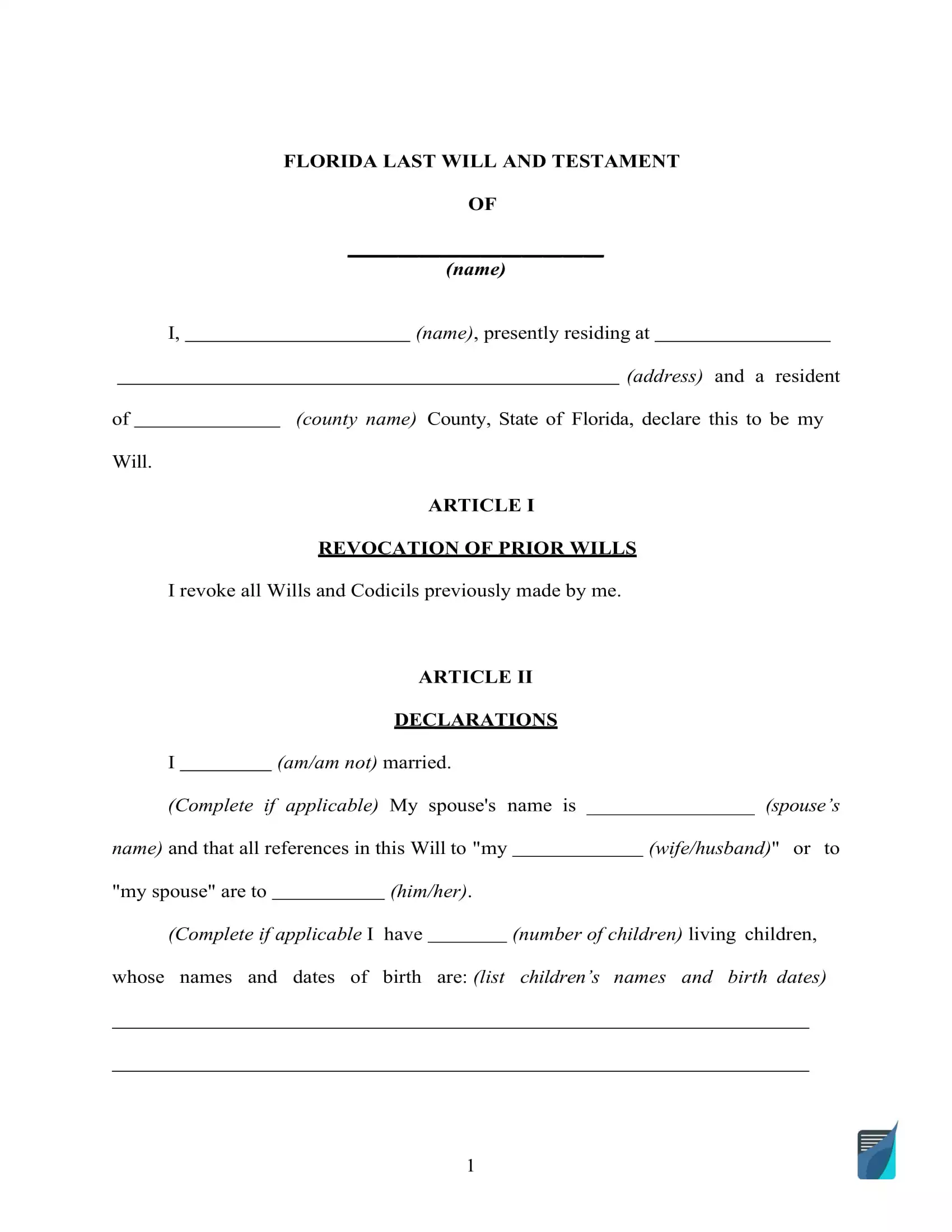
This section is where you specify who will receive your assets. You can designate individuals, charities, or other entities. It’s crucial to be precise with names and relationships to avoid confusion. You should also consider contingent beneficiaries, who would inherit if your primary beneficiaries predecease you. For example, if you leave your entire estate to your spouse, you might name your children as contingent beneficiaries if your spouse passes before you. Clearly outlining these provisions is vital for ensuring your assets are distributed exactly as you envision, supporting the financial well-being and lifestyle of your chosen heirs.
Appointing a Personal Representative
The personal representative (also known as an executor) is the individual or entity responsible for carrying out the terms of your will and overseeing the probate process. This role involves significant duties, including gathering assets, paying debts and taxes, and distributing property to beneficiaries. When selecting a personal representative, consider someone who is:
- Trustworthy: They will handle your financial affairs.
- Organized: The role involves administrative tasks and record-keeping.
- Willing to serve: It can be a time-consuming responsibility.
- A resident of Florida or a close relative: Florida law requires a personal representative to be either a Florida resident or a relative within certain degrees of kinship, unless they are a bank or trust company authorized to do business in Florida.
You should also name an alternate personal representative in case your primary choice is unable or unwilling to serve. This thoughtful selection is a key part of your lifestyle planning, ensuring your final affairs are managed effectively and ethically.
Guardianship for Minor Children
For parents of minor children, this is arguably the most critical provision in a will. You can nominate individuals to serve as legal guardians for your children should you and the other parent pass away. This nomination, while subject to court approval, carries significant weight and is usually respected by the court unless there’s a compelling reason not to. Choosing guardians involves careful consideration of individuals who share your values, can provide a stable environment, and are willing and capable of taking on such a profound responsibility. This decision is central to your children’s future lifestyle and upbringing, embodying your parental care beyond your lifetime.
Steps to Creating Your Florida Will
Creating a valid will in Florida involves several important steps, best approached with careful planning and professional insight.
Seek Professional Guidance
While it’s possible to create a will using online templates or software, for most individuals, especially those with significant assets, complex family dynamics, or specific wishes, consulting with a qualified Florida estate planning attorney is highly recommended. An attorney can:
- Ensure legal compliance: They understand Florida statutes and can draft a will that meets all requirements, preventing common pitfalls that could invalidate the document.
- Offer personalized advice: They can help you think through all aspects of your estate, identify potential issues, and structure your will to achieve your specific goals.
- Integrate with other estate planning tools: A will is often part of a broader estate plan that might include trusts, powers of attorney, and healthcare directives. An attorney can help you create a cohesive plan.
- Minimize tax implications: For larger estates, an attorney can advise on strategies to potentially reduce estate taxes.
Investing in professional legal advice for your will is an investment in your peace of mind and the secure future of your loved ones, a testament to a well-managed lifestyle.
Gather Necessary Information
Before drafting your will, you’ll need to compile comprehensive information about your assets, liabilities, and family structure. This includes:
- List of assets: Bank accounts, investment portfolios, real estate (including your Florida home and any other properties), vehicles, valuable personal property, business interests, and intellectual property.
- List of liabilities: Mortgages, loans, credit card debts, and other financial obligations.
- Beneficiary information: Full legal names, addresses, and relationships of all individuals or organizations you wish to name as beneficiaries.
- Personal Representative information: Full legal names and addresses of your chosen personal representative and alternates.
- Guardian information: Full legal names and addresses of your chosen guardians for minor children and alternates.
- Existing documents: Any prior wills, trusts, or related estate planning documents.
Having this information organized will make the drafting process more efficient and accurate, ensuring your will accurately reflects your current financial and personal situation, a hallmark of organized lifestyle planning.
Execution and Witness Requirements
In Florida, for a will to be valid, it must be:
- In writing: Oral (nuncupative) wills are generally not recognized.
- Signed by the testator: The person making the will (testator) must sign the will at the end. If the testator cannot sign, another person may sign on their behalf in the testator’s presence and at their direction.
- Witnessed by two individuals: Two competent witnesses must sign the will in the presence of the testator and in the presence of each other. These witnesses should not be beneficiaries of the will, as their inheritance could be jeopardized.
- Dated: While not strictly required by statute, dating the will is good practice to establish its recency.
Adhering to these strict execution requirements is non-negotiable for a will’s validity in Florida. A properly executed will ensures your final lifestyle decisions are legally enforceable.
Updating and Reviewing Your Will
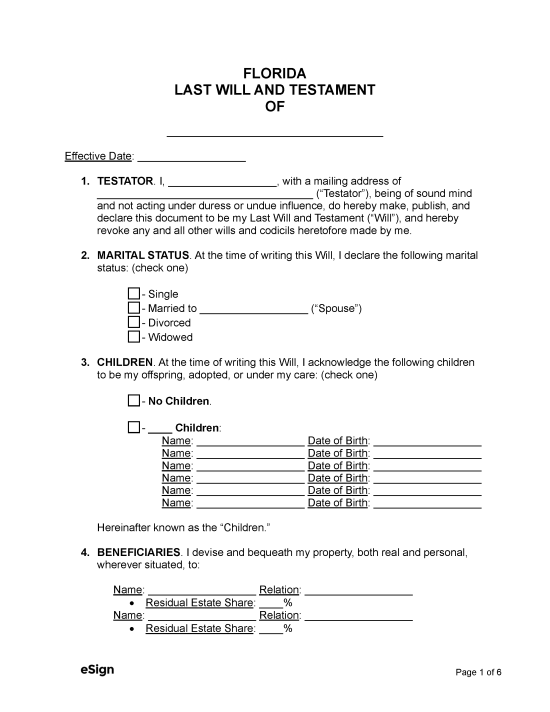
A will is not a static document; it’s a living part of your lifestyle plan that should evolve as your life does. Significant life events warrant a review and potential update to your will:
- Marriage or divorce: These events drastically change who may inherit from your estate.
- Birth or adoption of children/grandchildren: You may want to include new family members.
- Death of a beneficiary, personal representative, or guardian: You’ll need to name replacements.
- Significant changes in assets or liabilities: Acquiring or selling major property, or taking on substantial debt, may necessitate changes.
- Moving to a new state: While a will validly executed in another state is generally recognized in Florida, it’s always wise to have it reviewed by a Florida attorney to ensure it aligns with local laws and provides the most effective outcomes.
- Changes in your wishes: Your priorities and preferences may simply change over time.
- Changes in Florida law: Estate laws can be amended, potentially impacting your existing will.
Regularly reviewing your will, ideally every three to five years or after any major life event, is a critical component of responsible lifestyle management. It ensures your document remains current, accurately reflects your intentions, and provides the most effective protection for your legacy and loved ones. By taking the time to create and maintain a will, you demonstrate a thoughtful approach to life, securing your family’s future and your peace of mind.
LifeOutOfTheBox is a participant in the Amazon Services LLC Associates Program, an affiliate advertising program designed to provide a means for sites to earn advertising fees by advertising and linking to Amazon.com. Amazon, the Amazon logo, AmazonSupply, and the AmazonSupply logo are trademarks of Amazon.com, Inc. or its affiliates. As an Amazon Associate we earn affiliate commissions from qualifying purchases.