
While the allure of the Sunflower State might typically bring to mind wide-open prairies, charming small towns, and perhaps a road trip down historic Route 66, there’s a growing entrepreneurial spirit within Kansas. For those looking to establish a business presence, whether it’s a burgeoning travel agency specializing in Kansas adventures, a boutique hotel tucked away in a scenic locale, or a unique tourism experience celebrating local culture, forming a Limited Liability Company (LLC) is a foundational step. This guide will walk you through the process of creating an LLC in Kansas, ensuring your venture is legally sound and ready to flourish.
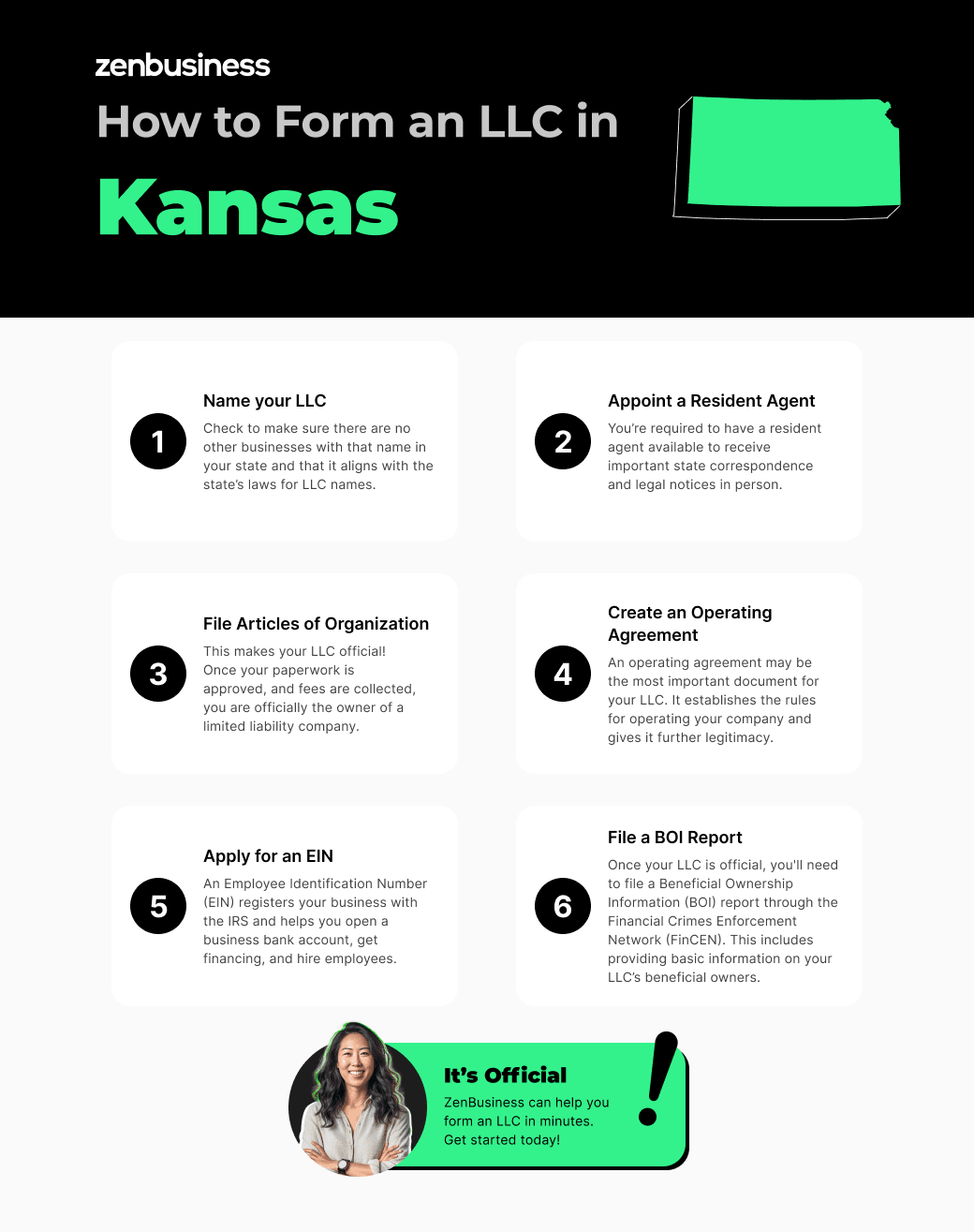
Understanding the LLC and Its Benefits for Your Kansas Venture
Before diving into the procedural steps, it’s crucial to understand what an LLC is and why it’s an advantageous business structure, especially for entities operating within the travel, hospitality, and tourism sectors that Kansas has to offer. An LLC, or Limited Liability Company, is a hybrid business structure that combines the pass-through taxation of a partnership or sole proprietorship with the limited liability of a corporation.
The Power of Limited Liability
Perhaps the most significant advantage of an LLC is limited liability. This means that the personal assets of the owners (called “members”) are protected from business debts and lawsuits. If your travel company, for instance, were to face litigation related to a booking mishap or a client’s injury during an excursion, your personal savings, home, or car would generally be shielded. This is a critical consideration for any business, but particularly for those in the service industry where potential liabilities can arise. Imagine a scenario where a guest at your newly opened boutique hotel in Wichita experiences an issue; your personal assets would remain separate from any potential claims.
Pass-Through Taxation
Another key benefit is pass-through taxation. Unlike traditional corporations, LLCs are not taxed as separate entities. Instead, the profits and losses of the LLC are “passed through” to the individual members, who then report them on their personal income tax returns. This avoids the “double taxation” that C-corporations face, where profits are taxed at the corporate level and again when distributed to shareholders. This can simplify your tax obligations and potentially lead to a lower overall tax burden, allowing more capital to be reinvested in your business, perhaps to upgrade amenities at your resort near the Flint Hills or expand your tour offerings in Kansas City, Kansas.
Flexibility and Simplicity
LLCs offer considerable flexibility in management structure and operational procedures. They are generally simpler to set up and maintain than corporations, with fewer formal requirements like mandatory annual meetings or extensive record-keeping. This allows entrepreneurs in Kansas to focus their energy on growing their business, whether it’s managing bookings for unique accommodations like the Eldridge Hotel or developing new cultural tours in Lawrence.
Step-by-Step Guide to Forming Your Kansas LLC
Now, let’s get down to the practical steps involved in establishing your LLC in the Sunflower State. The process is overseen by the Kansas Secretary of State’s office.
1. Choose a Unique Name for Your Kansas LLC
The first, and often most enjoyable, step is selecting a name for your LLC. This name must be distinguishable from any other registered business entity in Kansas. It’s crucial to ensure your chosen name is available before you proceed.
Checking Name Availability
You can check the availability of your desired business name on the Kansas Secretary of State’s website. This search is essential to avoid name conflicts and potential rejections of your filing. Remember to also consider if the corresponding domain name for your website is available, especially if your business will have a significant online presence, such as offering booking services for villas or vacation apartments.
Name Requirements
Your LLC name must include the words “Limited Liability Company” or one of its acceptable abbreviations: “LLC” or “L.L.C.” It cannot contain words that might be misleading about the nature of your business (e.g., implying you are a bank if you are not). For a tourism-focused business, you might consider names that reflect the spirit of Kansas, perhaps incorporating elements of its landscape or history.
2. Appoint a Registered Agent in Kansas
Every LLC operating in Kansas is required to have a registered agent. This is an individual or a business entity located within Kansas designated to receive official legal and government correspondence on behalf of your LLC. This includes service of process (e.g., if your business is sued), tax notices, and other important legal documents.
Who Can Be a Registered Agent?
The registered agent must have a physical street address in Kansas (a P.O. Box is not sufficient) and be available during normal business hours to accept deliveries. You can choose to be your own registered agent if you meet these requirements and have a consistent business address in Kansas. Alternatively, you can hire a commercial registered agent service, which is often recommended for convenience and to ensure you don’t miss crucial communications, especially if you are frequently traveling for your business, perhaps scouting new destinations for your tour guides.
Importance of a Reliable Registered Agent
A reliable registered agent is vital for maintaining your LLC’s good standing with the state. Failure to have a registered agent or to keep their contact information up-to-date can lead to administrative dissolution of your LLC.
3. File the Articles of Organization

This is the official document that formally creates your LLC with the state of Kansas. The Articles of Organization (sometimes referred to as a Certificate of Formation) are filed with the Kansas Secretary of State.
Key Information Required
The Articles of Organization typically require the following information:
- LLC Name: The registered name of your business.
- Registered Agent Information: The name and physical address of your registered agent in Kansas.
- Principal Office Address: The main business address of your LLC in Kansas. This can be the same as your registered agent’s address if you use a commercial service or if your home office is in Kansas.
- Management Structure: You’ll need to indicate whether the LLC will be managed by its members or by appointed managers.
- Organizer’s Name and Address: The name and address of the person filing the document. This is typically the individual forming the LLC.
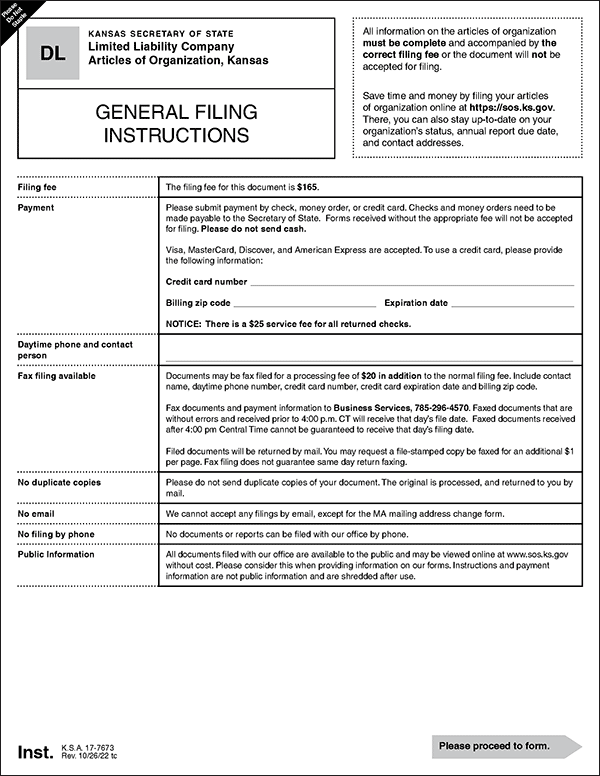
You can file the Articles of Organization online through the Kansas Secretary of State’s website or by mail. There is a filing fee associated with this process, which is subject to change. It’s advisable to check the current fee schedule on their official website.
4. Create an Operating Agreement
While not legally required by the state of Kansas for LLCs, an Operating Agreement is a crucial internal document that governs how your LLC will be run. It’s essentially the rulebook for your business and is highly recommended for all LLCs, regardless of size or number of members.
What an Operating Agreement Covers
A comprehensive Operating Agreement typically outlines:
- Member Contributions: How much capital each member is contributing to the business.
- Profit and Loss Distribution: How profits and losses will be allocated among members.
- Voting Rights: The voting power of each member.
- Management Duties: The responsibilities of members or managers.
- Membership Changes: Procedures for admitting new members or for members to leave the LLC.
- Dissolution Procedures: How the LLC will be dissolved if necessary.
Having a well-defined Operating Agreement can prevent disputes among members and clearly define roles and responsibilities, which is especially important for a business that might involve travel and diverse operational needs, from managing accommodations to coordinating experiences.
5. Obtain an Employer Identification Number (EIN)
If your LLC plans to hire employees, operate as a corporation for tax purposes, or file certain tax returns, you will need an Employer Identification Number (EIN) from the Internal Revenue Service (IRS). This is also known as a Federal Tax Identification Number.
How to Get an EIN
You can apply for an EIN online through the IRS website. The application is free, and you will receive your EIN immediately upon approval. It’s recommended to obtain an EIN even if not strictly required, as it can be useful for opening business bank accounts and establishing business credit. This is a crucial step for any business looking to expand its operations, perhaps by opening multiple hotel properties or offering a wide range of luxury travel packages.
Ongoing Compliance and Best Practices
Once your LLC is established, there are ongoing compliance requirements and best practices to ensure your business remains in good standing and continues to thrive.
Annual Reports and Fees
Kansas requires LLCs to file an annual report and pay a fee to the Secretary of State. This report provides an update on your business’s information and is essential for maintaining active status. Failure to file can lead to administrative dissolution.
Business Bank Account
It is highly recommended to open a separate business bank account for your LLC. This not only simplifies financial record-keeping but also reinforces the separation between your personal and business finances, further protecting your limited liability.
Business Licenses and Permits
Depending on the nature of your business and its location within Kansas, you may need to obtain various federal, state, and local licenses or permits. For example, a restaurant operating within a hotel in Topeka would require specific food service permits, while a tour operator might need permits related to transportation or guiding. Researching these requirements for your specific business activities is crucial.
Insurance
Adequate business insurance is vital, especially in industries like hospitality and tourism. Consider general liability insurance, professional liability insurance (errors and omissions), and property insurance to protect your assets and your business from unforeseen events. This is particularly important if your business involves managing properties like villas or if you are offering adventure tourism experiences in areas like the Ozarks.
Forming an LLC in Kansas is a strategic move for entrepreneurs looking to establish a legally protected and flexible business structure. By carefully following these steps and adhering to ongoing compliance, you can lay a strong foundation for your venture, whether it’s to showcase the unique attractions of Kansas, provide exceptional accommodation experiences, or contribute to the vibrant tourism landscape of the Sunflower State.
LifeOutOfTheBox is a participant in the Amazon Services LLC Associates Program, an affiliate advertising program designed to provide a means for sites to earn advertising fees by advertising and linking to Amazon.com. Amazon, the Amazon logo, AmazonSupply, and the AmazonSupply logo are trademarks of Amazon.com, Inc. or its affiliates. As an Amazon Associate we earn affiliate commissions from qualifying purchases.