
The New York Steak, also known as a strip steak or Kansas City strip, is a celebrated cut of beef, prized for its rich flavor, tender texture, and satisfying chew. While often enjoyed in the finest steakhouses across cities like New York City and Las Vegas, mastering the art of preparing this premium cut at home can elevate any culinary experience, making it a highlight of local food culture and culinary tourism. This guide delves into the nuances of selecting, preparing, and most importantly, perfectly cutting a New York steak, ensuring you can replicate the restaurant-quality experience in your own kitchen.
Selecting the Perfect New York Steak
The journey to a magnificent steak begins with a wise selection. The quality of the beef directly impacts the final taste and tenderness, and understanding a few key indicators will guide you toward the best choice.
Grade and Marbling
The United States Department of Agriculture (USDA) grades beef based on quality, with Prime being the highest, followed by Choice and Select. For the best flavor and tenderness, opt for USDA Prime or at least USDA Choice. Marbling, the flecks of fat distributed throughout the lean muscle, is crucial. Look for a steak with abundant, fine marbling, as this intramuscular fat melts during cooking, basting the meat from within and contributing significantly to juiciness and flavor. A steak with a uniform, rich red color, firm texture, and a good thickness (at least 1.5 inches) is ideal.
Source and Aging
The provenance of your steak can also be an indicator of quality. Many consumers seek out steaks from reputable butchers or specific regions known for exceptional cattle ranching, such as Argentina or select ranches in the American West. Dry-aged or wet-aged beef often offers a more intense, complex flavor profile due to enzymatic breakdown of connective tissues and moisture evaporation. While dry-aged steaks can be more expensive, the distinct nutty and savory notes are highly sought after by connoisseurs.
Thickness Matters
The thickness of the New York steak is a critical factor in achieving the desired internal temperature without overcooking the exterior. A steak that is too thin will cook too quickly, often leading to a dry and unevenly cooked result. Aim for a cut that is at least 1.5 inches thick, allowing for a beautiful sear on the outside while maintaining a succulent, medium-rare interior. This thickness is particularly important for achieving the perfect contrast between a caramelized crust and a tender, pink center, a hallmark of a well-prepared steak.
Preparation: The Foundation for a Flawless Cut
Before any cutting takes place, proper preparation is paramount. This stage ensures the steak is ready to be cooked to perfection, which in turn makes the final cutting process more rewarding.
Bringing to Room Temperature
One of the most fundamental steps is allowing the steak to come to room temperature before cooking. Remove the steak from the refrigerator at least 30-60 minutes before you plan to cook it. This allows the steak to cook more evenly. A cold steak will cook unevenly, with the outside potentially overcooking before the center reaches the desired temperature. This consistency in temperature throughout the cut is key to a superior dining experience.
Patting Dry
Moisture is the enemy of a good sear. Before seasoning, thoroughly pat the steak dry on all sides with paper towels. This removes surface moisture, which can steam the steak rather than sear it. A dry surface allows for the Maillard reaction, the complex chemical process responsible for the delicious brown crust that forms on seared meats, adding depth of flavor and an appealing texture. This step is crucial for achieving that restaurant-quality exterior.
Seasoning Generously

Seasoning is not just about adding salt and pepper; it’s about enhancing the natural flavor of the beef. A simple yet effective seasoning for a New York steak involves coarse sea salt and freshly cracked black pepper. Apply it liberally to all sides of the steak just before cooking. Some chefs advocate for seasoning well in advance, but for a New York steak, a generous application just before it hits the heat is often preferred to prevent the salt from drawing out too much moisture prematurely.
The Art of Cooking: Achieving the Perfect Doneness
The way a steak is cooked directly influences how it should be cut. The ideal internal temperature dictates the texture and moisture content, making the slicing process more forgiving and the result more enjoyable.
Pan-Searing and Grilling
The most popular methods for cooking a New York steak are pan-searing in a cast-iron skillet or grilling over high heat. Both methods aim to achieve a beautiful, caramelized crust and a perfectly cooked interior. For pan-searing, a screaming hot skillet with a high smoke-point oil (like canola or grapeseed) is essential. For grilling, direct heat from a well-maintained grill provides excellent searing capabilities. The goal is to achieve a deep brown crust while keeping the inside tender and juicy.
Resting is Non-Negotiable
After cooking, it is absolutely imperative to let the steak rest. Transfer the cooked steak to a cutting board and let it sit, uncovered, for at least 5-10 minutes. This crucial step allows the juices, which have been driven to the center during cooking, to redistribute throughout the meat. If you cut into the steak immediately, these flavorful juices will run out onto the board, resulting in a drier, less succulent steak. A well-rested steak is a juicy steak.
The Technique: How To Cut A New York Steak
With the steak perfectly cooked and rested, the final step is to slice it correctly to maximize its enjoyment. The grain of the meat is the key determinant of the proper cutting technique.
Identifying the Grain
The “grain” of the meat refers to the direction in which the muscle fibers are aligned. Observe the steak carefully; you will see lines running in a particular direction. This is the grain. The principle of cutting against the grain is fundamental in meat preparation. It shortens the muscle fibers, making the meat significantly more tender and easier to chew. Cutting with the grain would leave long, tough strands of muscle, resulting in a chewy, less pleasant bite.
Slicing Against the Grain
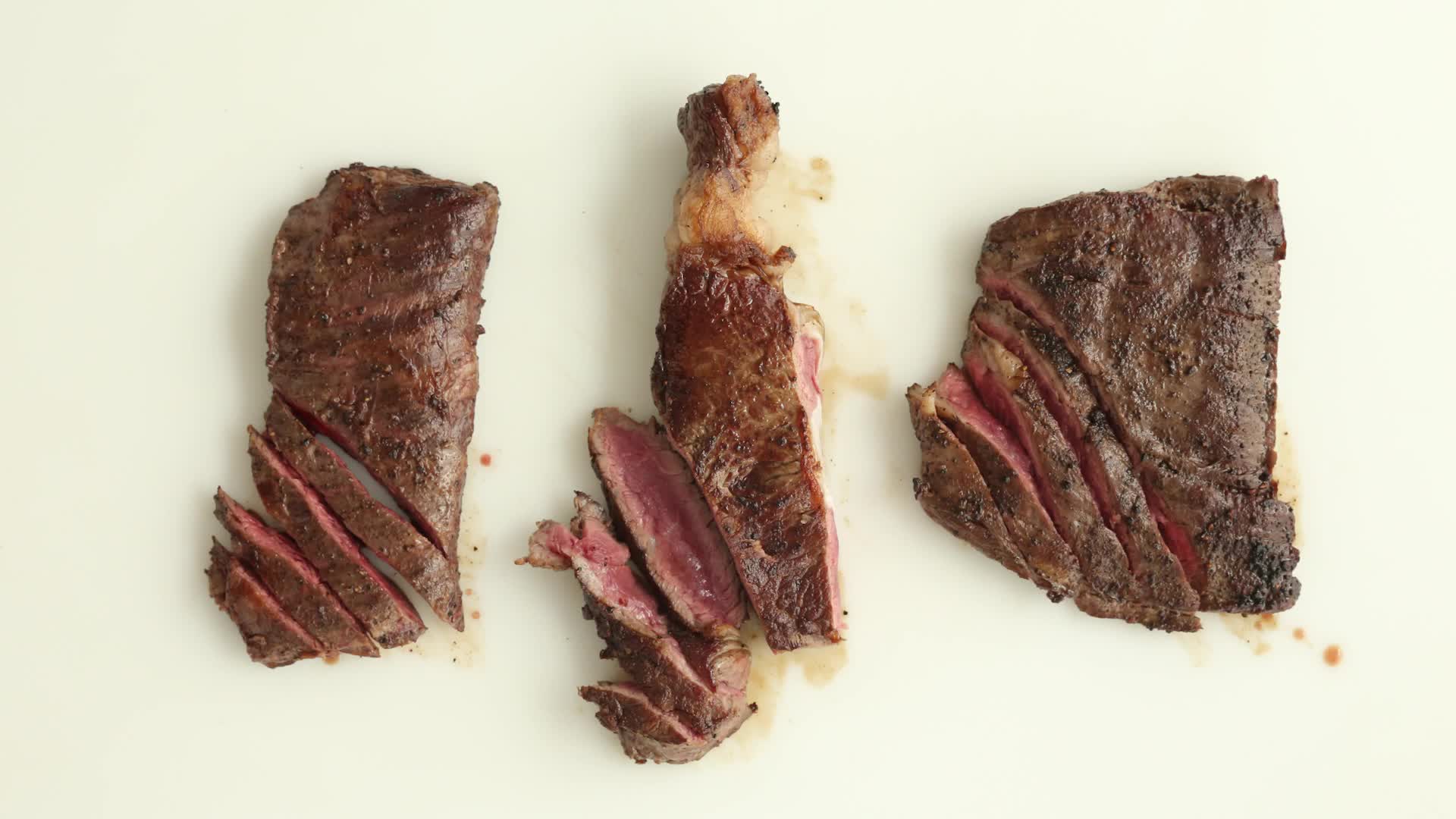
Once you have identified the grain, position your knife perpendicular to it. This means you will be cutting across the direction of the muscle fibers. Start at one end of the steak and make smooth, deliberate cuts. Avoid sawing motions, which can tear the meat. Use a sharp knife – a very sharp chef’s knife or a dedicated carving knife is ideal. A dull knife will crush the fibers, leading to a less appealing texture and unnecessary moisture loss.
Slice Thickness and Presentation
The ideal thickness for slicing a New York steak is a matter of personal preference, but typically ranges from 1/4 to 1/2 inch. Thinner slices are often preferred for sharing or for dishes where bite-sized pieces are desired, while thicker slices can offer a more substantial mouthfeel. Arrange the slices on a warm plate, fanning them out to showcase the beautiful interior color and the juicy texture. A final sprinkle of flaky sea salt, like Maldon Sea Salt, can add a delightful textural contrast and a burst of flavor.

Serving Suggestions
A perfectly cut New York steak can be enjoyed in various ways. It is a star on its own, complemented by simple side dishes such as roasted Asparagus, creamy mashed potatoes, or a fresh garden salad. It can also be the foundation for more elaborate dishes, sliced and served over pasta, incorporated into a flavorful stir-fry, or even used in a sophisticated sandwich. The versatility of this cut, when prepared and sliced correctly, makes it a staple for any home cook looking to impress. Whether you’re dining in Chicago or enjoying a quiet evening at home, mastering the New York steak ensures a memorable culinary journey.
LifeOutOfTheBox is a participant in the Amazon Services LLC Associates Program, an affiliate advertising program designed to provide a means for sites to earn advertising fees by advertising and linking to Amazon.com. Amazon, the Amazon logo, AmazonSupply, and the AmazonSupply logo are trademarks of Amazon.com, Inc. or its affiliates. As an Amazon Associate we earn affiliate commissions from qualifying purchases.