
For the intrepid culinary tourist, understanding the foundational techniques behind regional delicacies offers a profound connection to a destination. Few cuts of meat embody the spirit of hearty, traditional cooking quite like the Boston butt. Often mistaken for the hindquarter, this cut is actually from the upper part of a hog’s shoulder, a staple in slow-cooking and barbecue traditions, particularly across the American South. While many travelers savor perfectly smoked pulled pork at local eateries, learning to debone a Boston butt yourself unlocks a deeper appreciation for the craft and allows you to recreate those cherished flavors long after your journey ends. This guide isn’t just about butchery; it’s about embarking on a culinary skill-building adventure that enhances your understanding of global food culture.
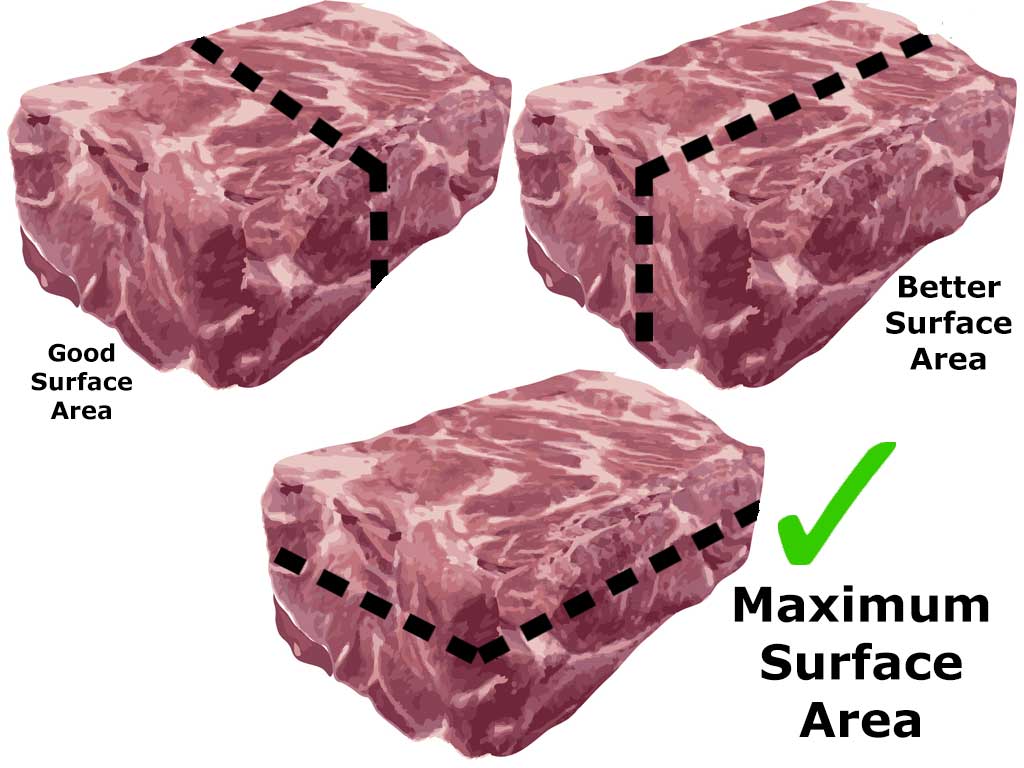
Embracing Regional Flavors: The Significance of the Boston Butt in Culinary Tourism
The Boston butt is more than just a piece of pork; it’s a cornerstone of numerous regional cuisines, carrying a rich history that resonates with food travelers. Its fatty marbling and connective tissue make it ideal for low-and-slow cooking methods, yielding incredibly tender and flavorful results that are central to many cultural culinary identities.
Unpacking the “Boston Butt”: A Naming Anomaly
The name “Boston butt” itself is a fascinating historical tidbit often shared during food tours or culinary discussions. It originated in colonial New England, specifically Boston, where butchers would pack less valuable cuts of pork, like the shoulder, into barrels called “butts.” This method of storage and transport distinguished it from other cuts, eventually lending its peculiar name to the primal cut itself. So, when you’re enjoying pulled pork in North Carolina or Tennessee, you’re engaging with a piece of meat whose nomenclature tells a tale of early American trade and butchery practices, a narrative often explored by those interested in the historical dimensions of local foodways.
The Heart of Barbecue Culture
Travelers exploring the barbecue trails of Texas, Kansas City, or the Carolinas will quickly discover the omnipresence of the Boston butt. It is the undisputed king for crafting succulent pulled pork, a dish that defines much of Southern American barbecue. Learning to debone it is not merely a practical skill; it’s an immersion into the very essence of this culinary tradition. It offers a hands-on connection to the meticulous preparation that precedes the smoky, tender results that draw visitors from around the globe. Engaging with this process, whether through a cooking class in Charleston or by observing a pitmaster in Memphis, deepens a traveler’s appreciation for the commitment to flavor and technique inherent in these cultures.
Preparing for the Culinary Craft: Tools and Techniques for the Home Chef
Before delving into the delicate art of deboning, every culinary enthusiast, whether at home or recreating a travel experience, needs the right tools and a solid understanding of kitchen safety. This preparation ensures efficiency and preserves the quality of your valuable cut.
Essential Gear for the Home Chef and Traveler
While traveling, you might find yourself in a local market, inspired to cook. Having the right tools, or knowing what to look for, is crucial. For deboning a Boston butt, a few key items are indispensable:
- Sharp Boning Knife: This is your primary tool. A flexible, sharp boning knife (6-inch blade is ideal) allows for precision cuts around bones and through connective tissue. The flexibility helps navigate contours. Investing in a good quality knife is akin to a traveler investing in reliable luggage – it makes the journey smoother.
- Cutting Board: A large, sturdy cutting board (preferably non-slip) provides a safe and stable surface. Plastic or wood are both suitable, but ensure it’s large enough to accommodate the entire cut.
- Gloves (Optional but Recommended): For better grip and hygiene, especially if you’re not accustomed to handling large cuts of meat, food-grade gloves can be very helpful.
- Paper Towels or Clean Cloths: Essential for keeping your hands and work surface clean and dry, preventing slips and cross-contamination.
- Container for Trimmings: Have a bowl ready for the bones, fat, and other trimmings. These aren’t waste; they’re valuable for making stocks and broths, an economical practice often observed in local kitchens worldwide.
Safety First: A Tourist’s Guide to Kitchen Preparedness
Just as a traveler ensures personal safety and plans routes, kitchen safety is paramount when working with sharp knives and raw meat.
- Sharpen Your Knife: A dull knife is more dangerous than a sharp one, as it requires more force and is prone to slipping.
- Stable Work Surface: Ensure your cutting board is stable and won’t slide. A damp cloth underneath can help prevent movement.
- Maintain a Clean Area: Keep your workspace clear of clutter. A focused approach is key, mirroring the careful observation often needed when navigating a new city.
- Hygiene: Wash hands thoroughly before and after handling raw pork. Sanitize your cutting board and tools immediately after use to prevent bacterial contamination. This mirrors the respect for local health standards a responsible traveler embodies.
The Art of Deboning: A Step-by-Step Journey
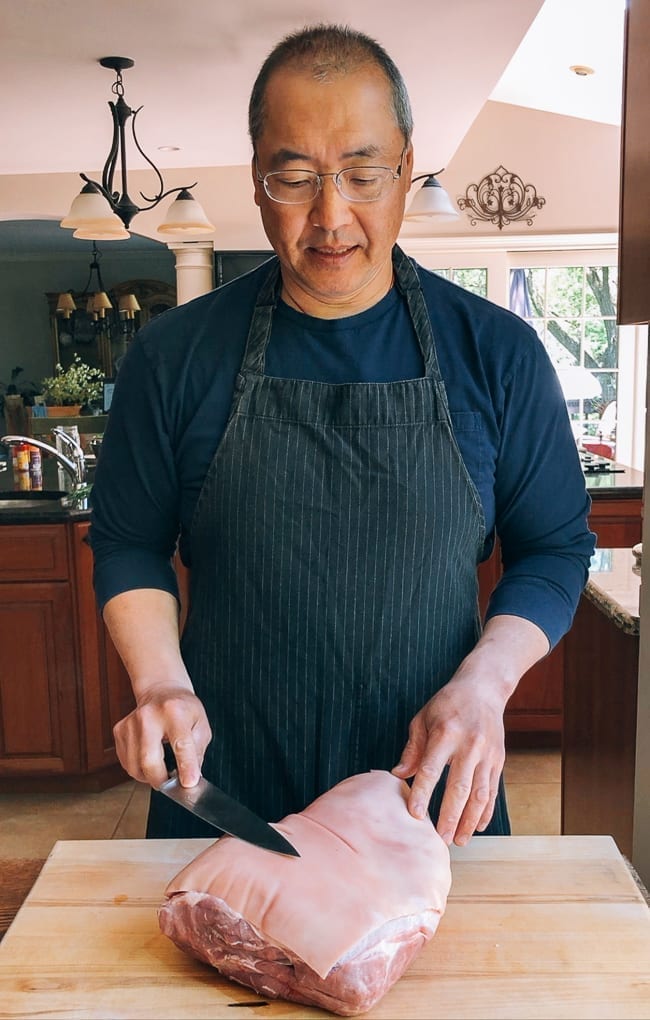
Deboning a Boston butt is a rewarding skill that transforms a primal cut into versatile meat ready for countless culinary applications. It’s a hands-on experience that deepens appreciation for the work involved in preparing traditional dishes often encountered during travel.
Locating the Seams: The Butcher’s Secret
The Boston butt typically contains a single, prominent blade bone (scapula) and sometimes a portion of the humerus. Your goal is to separate the meat from these bones with minimal waste.
- Examine the Butt: Place the butt on your cutting board, fat side up or down, depending on what gives you the best angle. Identify the large, flat blade bone. You’ll often see a ridge or seam where the bone is closest to the surface.
- Initial Incision: Make a shallow incision along the length of the blade bone. Use your knife to feel the bone’s surface as you go. This exploratory cut is like finding your way in a new city – start broad, then refine your path.
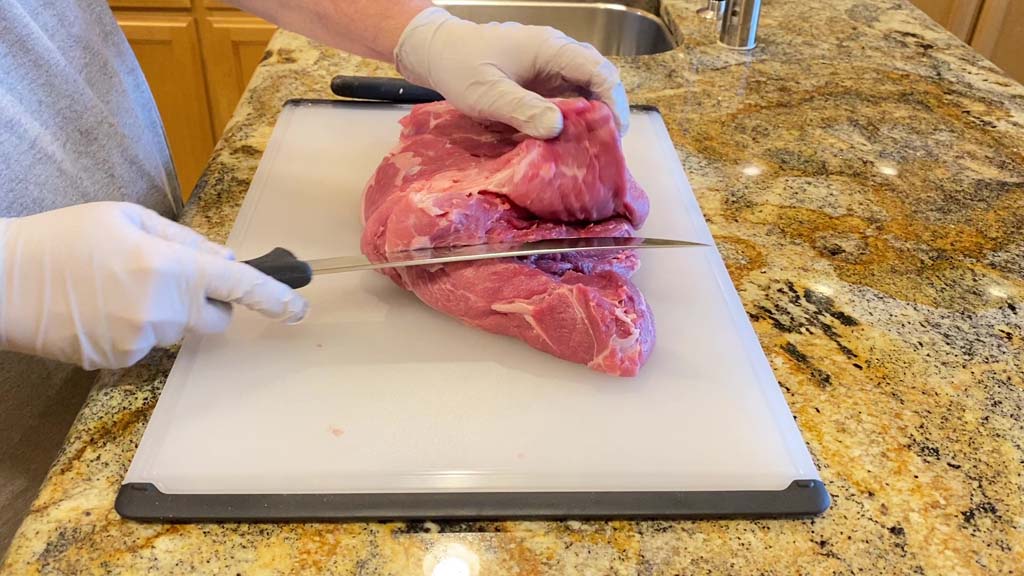
- Follow the Bone: Begin carefully slicing the meat away from the bone. Keep your knife blade pressed against the bone, using short, precise strokes. The idea is to “scrape” the meat off the bone, leaving as little as possible behind.
Precision Cuts for Perfect Pork
Working around the bone requires patience and a good feel for the meat’s structure.
- Work Around the Blade Bone: Continue to follow the contours of the blade bone. You’ll notice natural “seams” of connective tissue that help guide your knife. These seams are the meat’s natural divisions, similar to how local infrastructure guides visitors.
- Separate the Muscles: The Boston butt is comprised of several distinct muscle groups. As you debone, you might find these naturally separating. This is a good thing, as it allows for more even cooking later.
- Address Any Attached Bones: If there’s a small section of the humerus (arm bone) attached, follow the same technique, carefully cutting around it until it’s freed.
- Freeing the Bone: Once you’ve cut all around the bone, you should be able to wiggle it free. Clean off any remaining meat attached to the bone, adding it to your main pile. The goal is a clean bone and a large, boneless piece of pork shoulder.
Maximizing Yield: Bones for Broth, Meat for Memories
A true culinary tourist understands that every part of the ingredient has value.
- The Deboned Meat: You now have a boneless Boston butt, ready for seasoning and slow-cooking. This is your canvas for creating authentic pulled pork, carnitas, or any other slow-cooked pork dish inspired by your travels.
- The Bones: Do not discard the bones! These are packed with flavor. Roast them in the oven until nicely browned, then simmer them with vegetables and herbs to create a rich, flavorful pork stock. This stock can be used as a base for soups, stews, or braising liquids, echoing the nose-to-tail philosophy often found in traditional and sustainable food cultures globally.
- Fat and Trimmings: Trim off excess hard fat, but don’t remove all of it, as some fat contributes significantly to moisture and flavor during cooking. These trimmings can also be rendered down for lard or added to your stock pot.
Beyond the Deboning: Experiencing Global Pork Traditions
Having mastered the art of deboning, the world of pork cookery truly opens up, inviting you to explore diverse culinary traditions and recreate travel memories through flavor.
From Carolina Pulled Pork to Filipino Lechon: Diverse Preparations
The deboned Boston butt is incredibly versatile. In the Southern United States, it’s synonymous with pulled pork, often smoked for hours over wood and dressed with vinegar-based sauces in Eastern Carolina or thicker, tomato-based sauces further west. A trip through Richmond or Atlanta will showcase myriad regional variations.
Beyond barbecue, the deboned shoulder is perfect for:
- Carnitas: A staple of Mexican cuisine. After slow-cooking until tender, the pork is often fried or broiled until crispy, offering a delightful textural contrast. Experiencing authentic carnitas in Mexico City or Oaxaca is a highlight for many food travelers.
- Lechon Kawali: While whole roasted pig (Lechon) is a famous dish in the Philippines, Lechon Kawali uses pork belly or shoulder, boiled until tender, then deep-fried until gloriously crispy, often served with a vinegar dipping sauce.
- Pernil: A traditional slow-roasted pork shoulder, popular in Puerto Rico and other Caribbean nations, often marinated with garlic, oregano, and sour orange.
Incorporating Deboned Pork into Travel-Inspired Dishes
The ability to debone a Boston butt empowers you to transform your kitchen into a global culinary hub. Did you savor a memorable pork stew in Budapest or a succulent pork roast in Lisbon? With your newly acquired skill, you can source the right cut of meat and confidently prepare it, allowing the flavors to transport you back to those cherished destinations. This hands-on engagement with food preparation is a unique form of travel, a way to keep the spirit of exploration alive, one delicious meal at a time. It’s a testament to how culinary skills can enrich our understanding and enjoyment of the world’s diverse food landscapes.
LifeOutOfTheBox is a participant in the Amazon Services LLC Associates Program, an affiliate advertising program designed to provide a means for sites to earn advertising fees by advertising and linking to Amazon.com. Amazon, the Amazon logo, AmazonSupply, and the AmazonSupply logo are trademarks of Amazon.com, Inc. or its affiliates. As an Amazon Associate we earn affiliate commissions from qualifying purchases.