
Embarking on the path to divorce can feel like navigating uncharted territory, a profound life change that reshapes one’s personal landscape. In the Golden State, often celebrated for its vibrant lifestyle, iconic landmarks, and diverse destinations, the legal process of dissolving a marriage carries its own unique set of considerations. While the journey through divorce is inherently personal and challenging, it also presents an unexpected opportunity to redefine one’s lifestyle, explore new accommodations, and even embark on transformative travel experiences. This guide aims to demystify the process of divorce in California, weaving in practical advice with insights on how to envision and build a fulfilling new chapter centered around personal well-being, mindful living, and the enriching possibilities of travel.
Navigating the Journey: From Separation to New Horizons
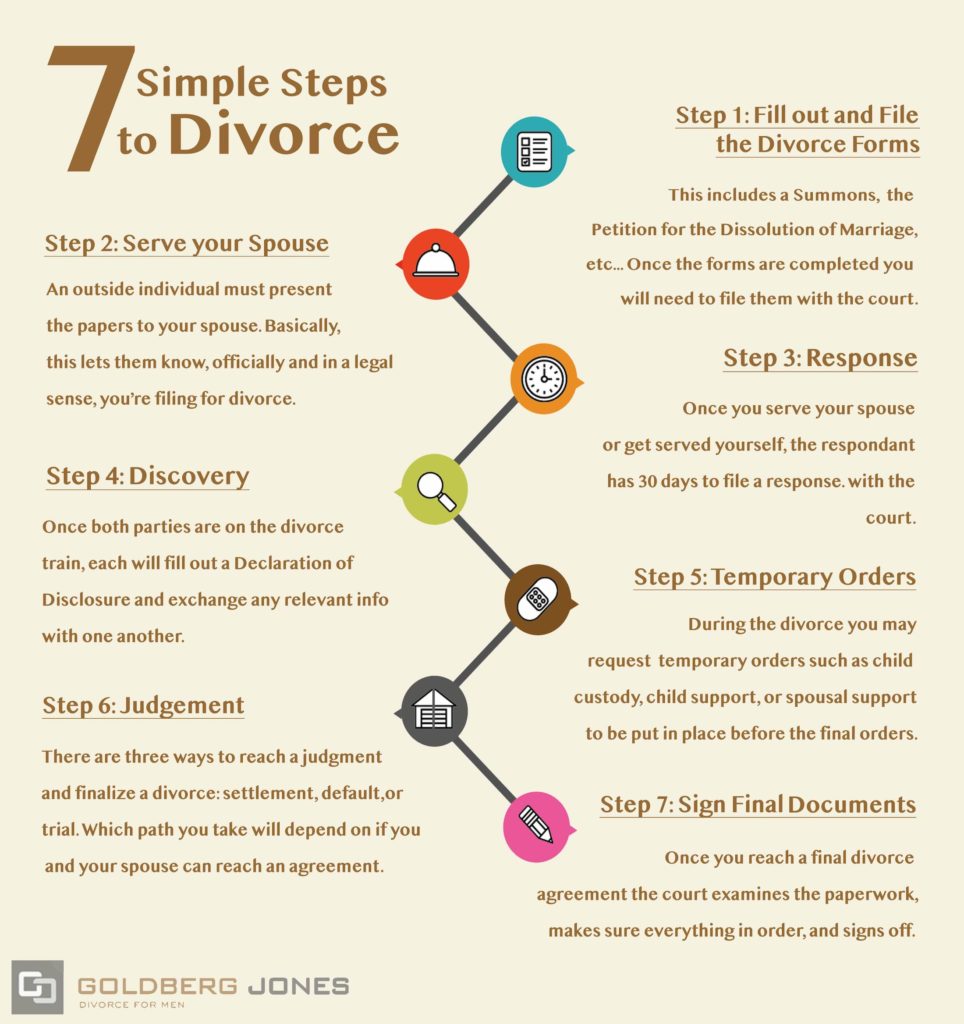
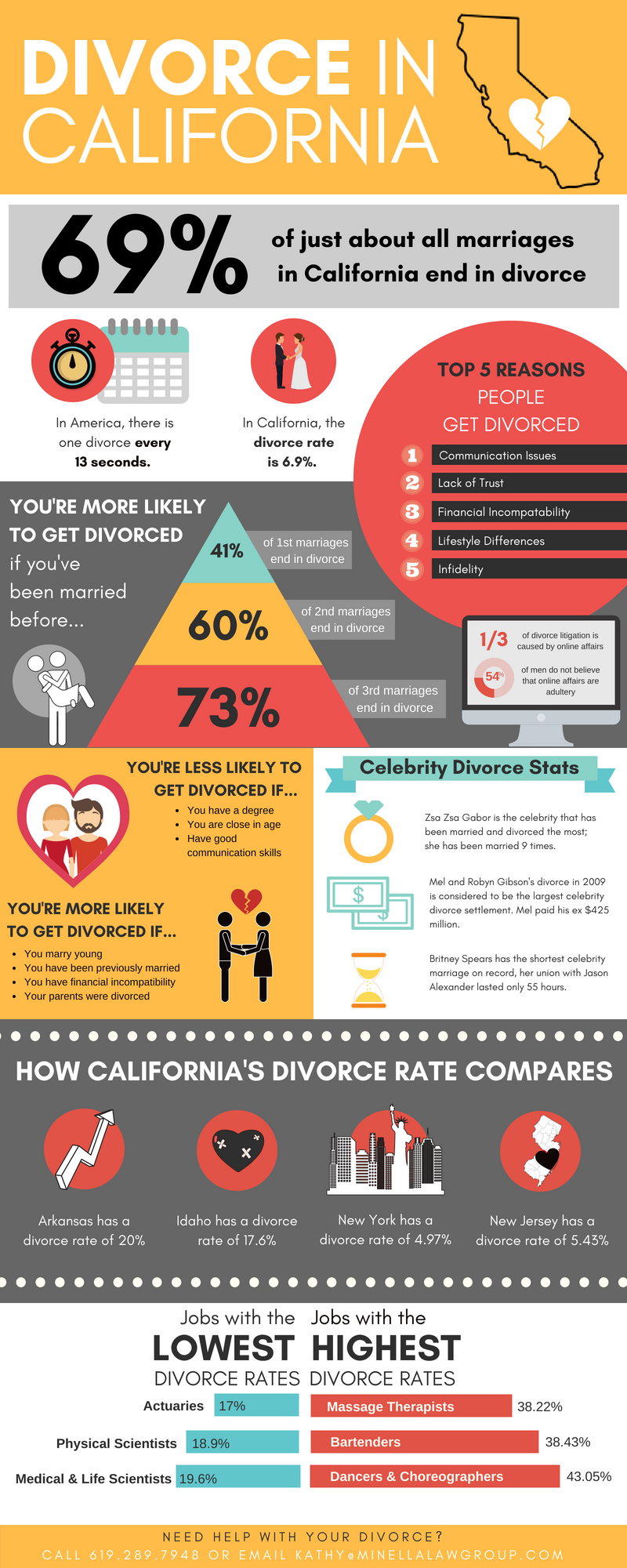
Divorce in California is officially termed the “dissolution of marriage.” It is a no-fault state, meaning that neither party needs to prove fault for the marriage’s breakdown. The primary ground for divorce is “irreconcilable differences” that have led to the irremediable breakdown of the marriage. This legal framework, while seemingly straightforward, involves a series of steps that require careful attention to detail, emotional resilience, and often, professional guidance.
Understanding the Golden State’s Legal Landscape
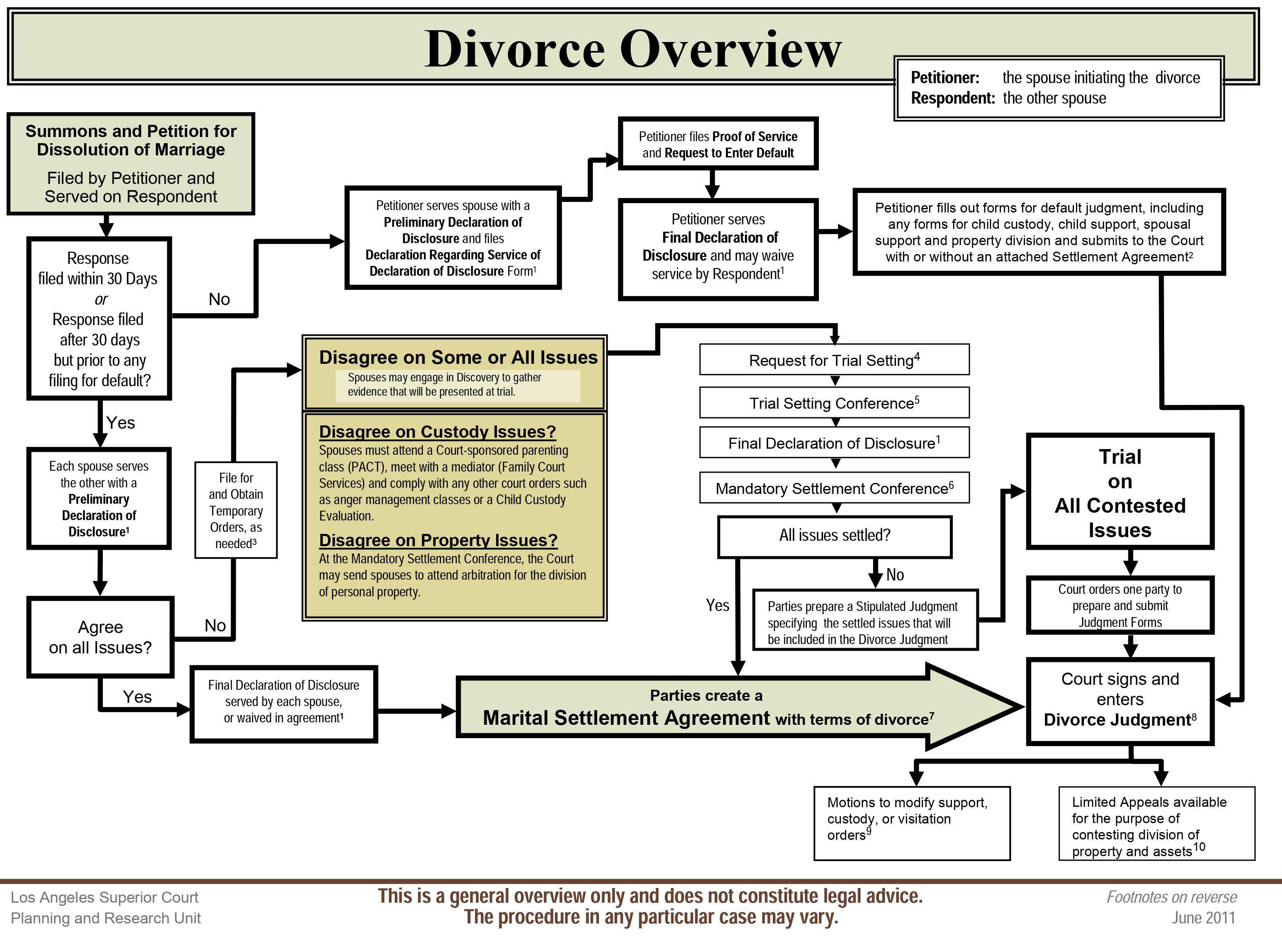
The legal process begins with filing a Petition for Dissolution of Marriage. To file for divorce in California, one spouse must have been a resident of the state for at least six months and a resident of the county where the petition is filed for at least three months. This residency requirement is crucial and ensures the state has jurisdiction over the case. Once the petition is filed, it must be legally served to the other spouse, who then has a specific timeframe to respond.
The timeline for a divorce in California is also a significant factor. There is a mandatory six-month waiting period from the date the petition is served or the date the other party appears in court (whichever comes first) before the divorce can be finalized. This period is designed to allow couples time to reflect and potentially reconcile, although it is often used for the practical and legal aspects of negotiating settlement agreements. During this time, couples address critical issues such as child custody and visitation, child support, spousal support (alimony), and the division of community property and debts.
California is a community property state, which means that all assets and debts acquired during the marriage, from the date of marriage to the date of separation, are considered equally owned by both spouses and are subject to a 50/50 division. This can be one of the most complex and contentious aspects of a divorce, often requiring detailed financial disclosures, valuations of assets like real estate or businesses, and careful negotiation. Separate property, defined as assets owned before marriage, received as gifts or inheritance, or acquired after the date of separation, generally remains with the individual owner. Navigating these financial waters often necessitates the expertise of legal professionals, who can help ensure a fair and equitable settlement that aligns with California law.
Beyond the financial aspects, child custody and support are paramount concerns when children are involved. California courts prioritize the “best interests of the child” when making custody determinations. This can involve establishing legal custody (who makes decisions about the child’s upbringing) and physical custody (where the child lives). Agreements can range from sole custody to various forms of joint custody, with detailed parenting plans outlining visitation schedules, holiday arrangements, and communication protocols. Child support is calculated based on a statewide guideline formula, taking into account each parent’s income, the amount of time children spend with each parent, and other factors. These arrangements often require ongoing adjustments as children grow and circumstances change, highlighting the need for flexible and adaptable planning.
The Emotional Roadmap: Preparing for Change
Beyond the legalities, divorce is a profoundly emotional journey. It can bring feelings of grief, loss, anger, and uncertainty, often mirroring the experience of mourning. Acknowledging and processing these emotions is a vital part of navigating the transition. Seeking support from therapists, counselors, support groups, or trusted friends and family can provide an invaluable emotional roadmap during this challenging time. Many find solace in focusing on personal growth and self-care, recognizing that building emotional resilience is as important as managing legal paperwork.
This period of transition also presents an opportunity for introspection about one’s future lifestyle. What kind of daily routine do you envision? What activities bring you joy? How can you create a life that feels authentic and fulfilling? For some, this might mean re-evaluating career paths, pursuing long-held hobbies, or engaging more deeply with community. For others, it could involve a conscious decision to travel more, explore new destinations, or invest in experiences that align with a renewed sense of purpose. The emotional work done during divorce lays the groundwork for a more intentional and joyful future.
Reimagining Your Lifestyle: Accommodation and New Beginnings
One of the most immediate and tangible impacts of divorce is the change in living arrangements. Whether one spouse moves out of the family home or both decide to seek new residences, the question of accommodation becomes central. This period of transition offers a unique chance to redefine your living space and curate a lifestyle that perfectly suits your independent future.
Finding Your New Home: From Temporary Stays to Permanent Residences
During the initial stages of separation, temporary accommodation might be necessary. This could involve staying with family or friends, or for those seeking more privacy and independence, exploring short-term rental options. Many individuals opt for extended stays in serviced apartments or even boutique hotels that offer comforts and amenities while searching for a more permanent solution. Cities across California, from the bustling metropolis of Los Angeles to the serene coastal communities of Santa Barbara or Carmel-by-the-Sea, offer a diverse range of temporary housing options. These temporary solutions can provide a much-needed sense of stability and a neutral space to process the changes, offering time to reflect on future needs without the pressure of an immediate long-term commitment.
When it comes to permanent residences, the choice of a new home is a powerful statement of a new beginning. For some, this might mean downsizing to a cozy apartment in a vibrant urban center like San Francisco or San Diego, embracing walkability and easy access to cultural attractions. Others might seek the tranquility of a suburban home, perhaps in Orange County or Pasadena, to create a stable environment for children. The type of accommodation chosen often reflects a new desired lifestyle—whether it’s a minimalist approach, a focus on sustainable living, or the indulgence of a luxury villa that symbolizes independence and success. Online booking platforms and local real estate guides can be invaluable resources during this search, offering insights into neighborhoods, property types, and rental or purchase prices. Taking the time to explore different communities and envision life in a new setting can transform the daunting task of moving into an exciting exploration of possibilities.
Curating a New Chapter: Lifestyle Choices Post-Divorce
With a new living space comes the opportunity to consciously curate a new lifestyle. This period is not merely about recovering from a difficult experience but about actively building a future tailored to individual desires. It’s a chance to pursue a “lifestyle” that aligns with your true self, whether that involves a focus on wellness, a passion for the arts, or an adventurous spirit.
For many, this means re-evaluating finances to accommodate new priorities. Budget travel might become a new way to explore the world without breaking the bank, perhaps through backpacking trips to Yosemite National Park or exploring the local culture of Napa Valley through vineyard tours and culinary experiences. Conversely, some might find renewed financial independence allows for luxury travel, indulging in stays at opulent resorts like the Ritz-Carlton in Laguna Beach or a lavish Four Seasons property in Beverly Hills.
Family trips, if children are involved, take on new meaning. They become opportunities to create fresh memories and establish new traditions, fostering a sense of stability and joy during a time of change. Exploring child-friendly attractions like Disneyland Resort in Anaheim or Universal Studios Hollywood can be therapeutic for both parents and children, offering a respite from the stresses of adjustment. Even business stays, once potentially shared, become solo ventures, allowing for focused work and perhaps a chance to explore a city’s tourism offerings after hours. The choices made about how to spend time, where to live, and how to travel become building blocks for a future that is uniquely yours, reflecting a journey of self-discovery and empowerment.
Embracing New Destinations: Travel as a Path to Renewal
Divorce, while marking an end, is also a powerful catalyst for new beginnings. One of the most transformative ways to embrace this fresh start is through travel. It offers an escape, a new perspective, and an opportunity to reconnect with oneself, far from the familiar routines and memories. California itself, with its unparalleled diversity, offers countless opportunities for healing, adventure, and self-discovery.
California’s Therapeutic Vistas: Landmarks and Local Culture
The sheer breadth of California’s natural beauty and cultural richness makes it an ideal place for reflection and rejuvenation. A solo road trip along the iconic Pacific Coast Highway offers breathtaking ocean views, with stops at dramatic points like Big Sur and charming towns like Monterey. This journey can symbolize the winding path of life, with unexpected turns and beautiful vistas emerging around every corner. For those seeking spiritual renewal, the quiet majesty of Joshua Tree National Park’s unique desert landscape offers a profound sense of peace and perspective, far removed from the complexities of legal proceedings.
Cities like San Francisco provide a rich tapestry of experiences. A walk across the Golden Gate Bridge can symbolize stepping into a new phase of life, while exploring vibrant neighborhoods like Fisherman’s Wharf or taking a ferry to Alcatraz Island offers a sense of historical immersion and urban adventure. The local culture, from the bustling markets of the Ferry Building Marketplace to the eclectic art scene, can be a wonderful distraction and a source of inspiration. Similarly, Los Angeles offers a myriad of distractions and opportunities for growth. From the artistic treasures of The Getty Center to the star-gazing wonders of Griffith Observatory, these landmarks and attractions serve not just as tourist spots, but as settings for personal reflection and new experiences. Even a simple day trip to the beaches of Malibu or Venice Beach can provide a therapeutic dose of sun and sea, a reminder of the vast, beautiful world beyond one’s immediate challenges.
Planning Your Solo Adventure or Family Escape: Post-Divorce Travel Tips
Post-divorce travel, whether a solo adventure or an escape with children, requires thoughtful planning. For solo travelers, focusing on destinations that offer safety, a welcoming atmosphere, and opportunities for personal enrichment is key. California offers numerous retreats and wellness resorts, such as those nestled in Sonoma County or near Lake Tahoe, providing ideal settings for introspection and healing. Consider a guided tour or a group activity to meet new people and experience new things in a supportive environment. Booking a stay at a luxury hotel, perhaps a Hyatt Regency with its comprehensive amenities, can offer a sense of pampering and comfort during a time when self-care is paramount.
When traveling with children, the goal is often to create positive new memories and maintain a sense of normalcy amidst change. Planning trips to destinations like San Diego, known for its family-friendly attractions like the San Diego Zoo and beautiful beaches, can be highly beneficial. Opt for accommodations that offer suites or multiple rooms to ensure comfort and privacy for everyone, perhaps a family-oriented resort with engaging kids’ programs. Detailed planning, including clear communication with the co-parent about travel dates and itineraries, is essential to ensure smooth and stress-free trips. Travel guides focused on family trips can offer invaluable tips on everything from booking flights to finding child-friendly activities, making the experience enjoyable for all.
Ultimately, divorce in California is a complex process that extends far beyond legal documents. It is a profound life transition, an intricate journey that, while challenging, opens doors to self-discovery, reinvention, and the exciting prospect of a new, intentionally designed lifestyle. By carefully navigating the legal landscape, embracing emotional healing, thoughtfully curating new living arrangements, and leveraging the power of travel, individuals can transform the ending of one chapter into the vibrant beginning of another, full of promise, purpose, and enriching experiences.
LifeOutOfTheBox is a participant in the Amazon Services LLC Associates Program, an affiliate advertising program designed to provide a means for sites to earn advertising fees by advertising and linking to Amazon.com. Amazon, the Amazon logo, AmazonSupply, and the AmazonSupply logo are trademarks of Amazon.com, Inc. or its affiliates. As an Amazon Associate we earn affiliate commissions from qualifying purchases.