
The ability to meticulously cite sources is a cornerstone of academic integrity and effective scholarly communication. When undertaking research, whether for a travel guide, a historical analysis of a landmark, or an exploration of local culture, understanding and implementing a consistent citation style is paramount. The Chicago Manual of Style (CMOS) offers two distinct systems for citation: the notes-bibliography system and the author-date system. This guide will focus on the notes-bibliography system, which is particularly prevalent in the humanities, including fields such as history, art history, and literature – disciplines that often intersect with the exploration of travel, landmarks, and tourism. Mastering this system ensures your work is credible, allows readers to easily trace your sources, and upholds the standards of scholarly discourse.
Understanding the Notes-Bibliography System
The notes-bibliography system, as its name suggests, relies on two primary components: footnotes or endnotes (collectively referred to as “notes”) and a bibliography. Notes are used within the text to cite specific sources, providing detailed publication information and page numbers where applicable. These notes are typically numbered consecutively and appear either at the bottom of each page (footnotes) or at the end of the document (endnotes). The bibliography, on the other hand, is a comprehensive list of all sources cited in the notes, presented alphabetically by author’s last name at the end of the work. This dual approach offers both immediate source identification within the text and a consolidated reference for further research.
The Role of Notes in the Text
When you quote directly from a source, paraphrase an idea, or synthesize information from a publication, a corresponding note number should be inserted into your text immediately following the relevant sentence or phrase. For instance, when discussing the architectural marvels of Rome, you might cite a book detailing its historical development. The note will provide the specific details of that book, allowing a reader to locate the original information.
Formatting Notes
The first time a source is cited in a note, it requires full bibliographic information. Subsequent citations of the same source can be shortened.
First Reference Format (Book):
- Author’s First Name Last Name, Title of Book (Place of Publication: Publisher, Year of Publication), page number.
Example:
- Mary Beard, SPQR: A History of Ancient Rome (New York: Liveright Publishing Corporation, 2015), 45.
Subsequent Reference Format (Book):
- Author’s Last Name, Shortened Title of Book, page number.
Example:
- Beard, SPQR, 112.
First Reference Format (Article in a Journal):
- Author’s First Name Last Name, “Title of Article,” Title of Journal Volume, no. Issue (Year of Publication): page numbers.
Example:
- John Smith, “The Evolution of Venetian Gondolas,” Journal of Maritime History 15, no. 2 (2018): 23-25.
Subsequent Reference Format (Article in a Journal):
- Author’s Last Name, “Shortened Title of Article,” page number.
Example:
- Smith, “Venetian Gondolas,” 24.
First Reference Format (Website):
- Author’s First Name Last Name (if available), “Title of Web Page,” Title of Website, publication date or last modified date, accessed Date Month Year, URL.
Example:
- National Park Service, “History of Yellowstone National Park,” accessed October 26, 2023, https://www.nps.gov/yell/learn/historyculture/index.htm.
Subsequent Reference Format (Website):
- Author’s Last Name, “Shortened Title of Web Page.”
Example:
- National Park Service, “History of Yellowstone.”
It is crucial to maintain consistency in formatting, including punctuation, capitalization, and the use of italics for titles of books and journals.
The Bibliography: A Comprehensive Overview
The bibliography serves as a definitive list of all the sources you have cited in your notes. Unlike the notes, which can be truncated for subsequent references, the bibliography entry for each source must be complete and presented in full. The primary purpose of the bibliography is to provide readers with a complete bibliographic record, enabling them to locate and consult the original sources themselves. This is especially valuable for travelers researching destinations or for those delving into the history of specific landmarks.

Formatting Bibliography Entries
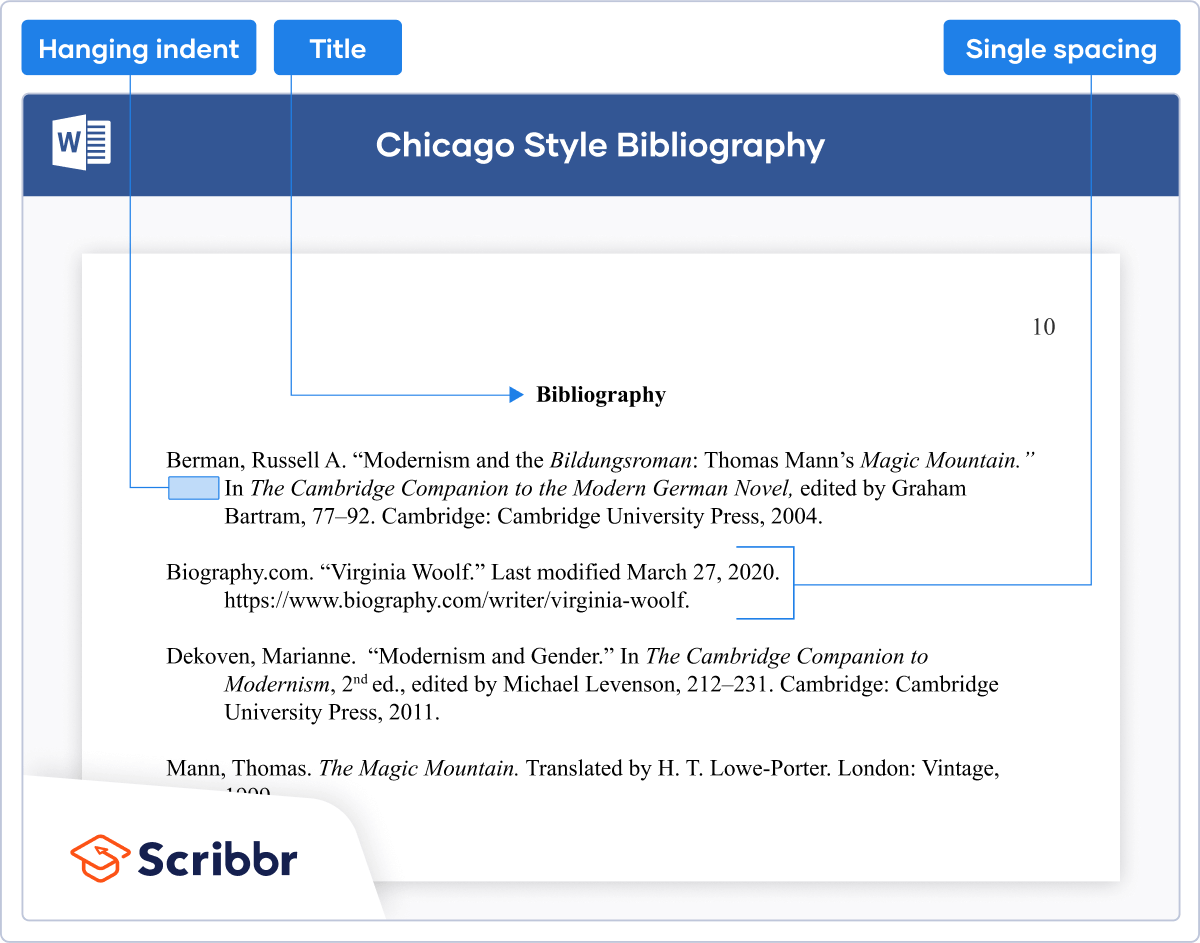
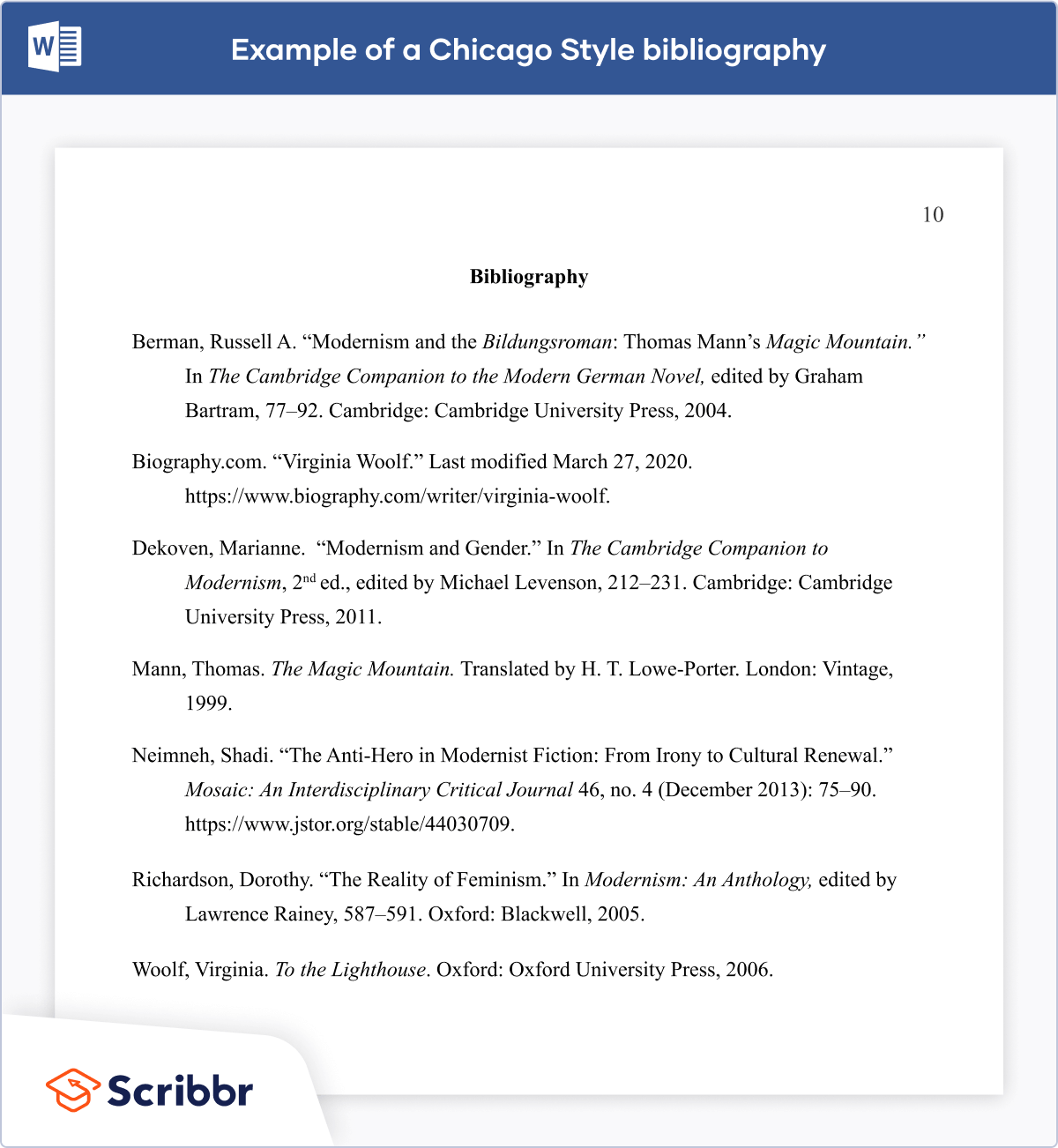
The bibliography entries are arranged alphabetically by the author’s last name. The formatting for bibliography entries is very similar to the first reference in the notes, but with some key distinctions, notably the order of the author’s name and the use of hanging indents.
Bibliography Format (Book):
Author’s Last Name, First Name. Title of Book. Place of Publication: Publisher, Year of Publication.
Example:
Beard, Mary. SPQR: A History of Ancient Rome. New York: Liveright Publishing Corporation, 2015.
Bibliography Format (Article in a Journal):
Author’s Last Name, First Name. “Title of Article.” Title of Journal Volume, no. Issue (Year of Publication): page numbers.
Example:
Smith, John. “The Evolution of Venetian Gondolas.” Journal of Maritime History 15, no. 2 (2018): 23-25.
Bibliography Format (Website):
Author’s Last Name, First Name (if available). “Title of Web Page.” Title of Website. Publication date or last modified date. Accessed Date Month Year. URL.
Example:
National Park Service. “History of Yellowstone National Park.” Accessed October 26, 2023. https://www.nps.gov/yell/learn/historyculture/index.htm.
Key Differences Between Notes and Bibliography:
- Author’s Name Order: In notes, the author’s first name comes first. In the bibliography, the author’s last name comes first.
- Punctuation: Notes often use commas to separate elements, while bibliography entries may use periods.
- Hanging Indent: Bibliography entries typically use a hanging indent, where the first line of each entry is flush with the left margin, and subsequent lines are indented. This makes it easier to scan the list by author’s last name.
Citing Diverse Source Types in Tourism and Travel Research
When researching for travel guides, exploring local cultures, or documenting historical landmarks, you will encounter a wide array of source materials. Each type requires specific formatting within the Chicago style.
Books
Books remain a primary source for in-depth information. Whether it’s a historical account of Machu Picchu or a culinary exploration of Thailand, accurately citing books is essential.
- Single Author: As shown above.
- Two or Three Authors: List all authors in the order they appear on the title page.
- Note (first reference): Author One First Name Last Name, Author Two First Name Last Name, and Author Three First Name Last Name, Title of Book (Place: Publisher, Year), page.
- Bibliography: Last Name, First Name, Last Name, First Name, and Last Name, First Name. Title of Book. Place: Publisher, Year.
- More Than Three Authors: List the first author followed by “et al.” (and others).
- Note (first reference): Author One First Name Last Name et al., Title of Book (Place: Publisher, Year), page.
- Bibliography: Last Name, First Name, et al. Title of Book. Place: Publisher, Year.
- Edited Volumes:
- Note (first reference): Editor’s First Name Last Name, ed., Title of Book (Place: Publisher, Year), page.
- Bibliography: Last Name, First Name, ed. Title of Book. Place: Publisher, Year.
- Chapters in Edited Volumes:
- Note (first reference): Author of Chapter First Name Last Name, “Title of Chapter,” in Title of Book, ed. Editor’s First Name Last Name (Place: Publisher, Year), page.
- Bibliography: Last Name, First Name. “Title of Chapter.” In Title of Book, edited by Editor’s First Name Last Name, page range. Place: Publisher, Year.
Articles and Periodicals
Journals, magazines, and newspapers are invaluable for current information, reviews, and specialized analyses related to destinations and experiences.
- Magazine Articles:
- Note (first reference): Author’s First Name Last Name, “Title of Article,” Title of Magazine, Month Day, Year, page.
- Bibliography: Last Name, First Name. “Title of Article.” Title of Magazine, Month Day, Year.
- Newspaper Articles:
- Note (first reference): Author’s First Name Last Name, “Title of Article,” Title of Newspaper, Month Day, Year, edition (if applicable), page.
- Bibliography: Last Name, First Name. “Title of Article.” Title of Newspaper, Month Day, Year.
Online Sources
The internet is a vast repository of travel information, from official tourism websites to blogs and online encyclopedias.
- Websites with Known Authors: As shown above.
- Websites without Authors: If no author is listed, begin with the title of the specific page or document.
- Note (first reference): “Title of Web Page,” Title of Website, publication date or last modified date, accessed Date Month Year, URL.
- Bibliography: “Title of Web Page.” Title of Website. Publication date or last modified date. Accessed Date Month Year. URL.
- Social Media: While less common in formal academic work, citing social media can be relevant for contemporary travel trends or discussions. Use descriptive titles and provide access dates and URLs.
Visual and Multimedia Sources
When discussing attractions like the Eiffel Tower or the Great Wall of China, images and videos are often crucial.
- Photographs:
- Note (first reference): Photographer’s First Name Last Name, Title of Photograph (if applicable), Date (if known), Medium, Dimensions, Collection (if applicable), Location of Collection.
- Bibliography: Last Name, First Name. Title of Photograph. Date. Medium. Collection, Location of Collection.
- Videos (e.g., documentaries, YouTube):
- Note (first reference): Title of Video, directed by Director’s First Name Last Name (if known), Videodisc or Distributor, Year.
- Bibliography: Title of Video. Directed by Director’s First Name Last Name. Videodisc or Distributor, Year.
Common Pitfalls and Best Practices
- Consistency is Key: The most critical aspect of any citation style is unwavering consistency. Ensure that the formatting for every note and bibliography entry adheres strictly to the chosen style.
- Accuracy: Double-check all names, titles, dates, and page numbers. Errors in citation can undermine your credibility.
- Completeness: Ensure every source cited in the notes is listed in the bibliography, and vice versa.
- Clarity: The goal of citation is to guide your reader. Make sure your notes and bibliography are clear and easy to navigate.
- Consult the Manual: For complex or unusual source types, always refer to the latest edition of The Chicago Manual of Style or its online resources.
By diligently applying the principles of the Chicago style’s notes-bibliography system, your research on travel, landmarks, and cultural experiences will be grounded in academic rigor, offering readers a clear path to the sources that inform your insights and discoveries. This attention to detail not only enhances the scholarly value of your work but also enriches the reader’s journey through the information you present.
LifeOutOfTheBox is a participant in the Amazon Services LLC Associates Program, an affiliate advertising program designed to provide a means for sites to earn advertising fees by advertising and linking to Amazon.com. Amazon, the Amazon logo, AmazonSupply, and the AmazonSupply logo are trademarks of Amazon.com, Inc. or its affiliates. As an Amazon Associate we earn affiliate commissions from qualifying purchases.