
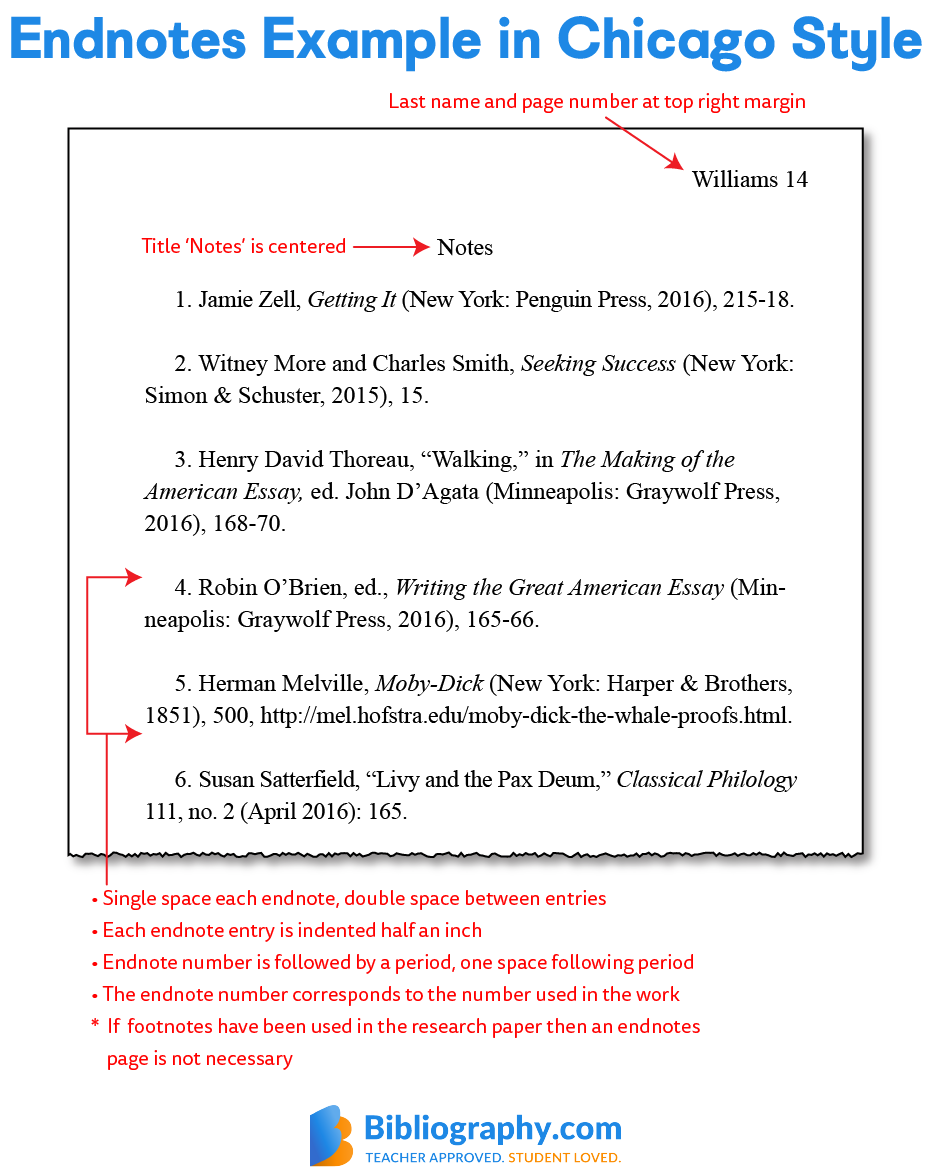
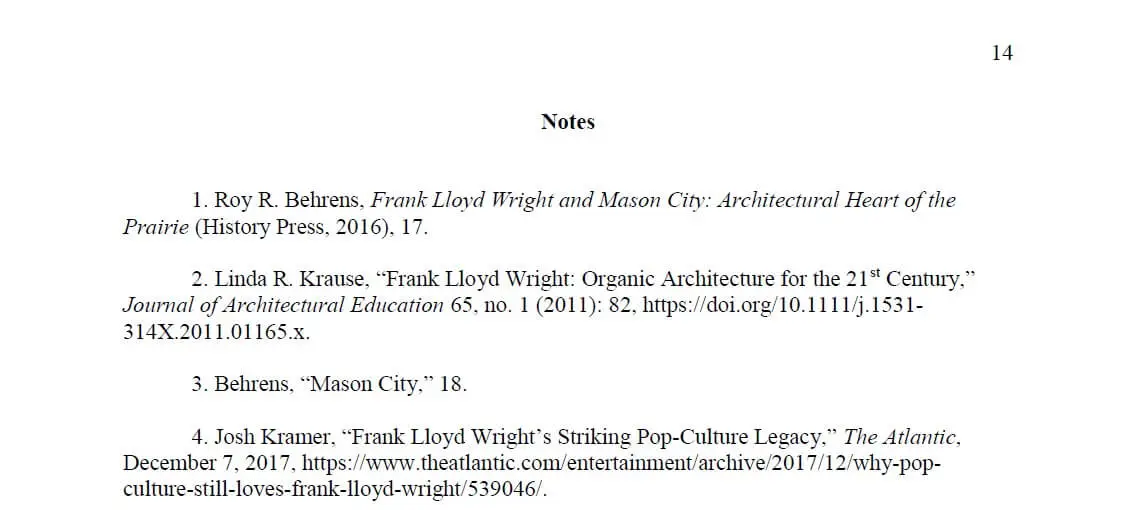
The question of “how to do Chicago endnotes” might initially seem obscure, suggesting a need for specific bibliographic or academic formatting within a travel context. However, when considering the broader scope of [Tourism] and local culture, the term “endnotes” can be reinterpreted metaphorically. In this sense, “Chicago endnotes” refers to the rich, often less obvious, details and experiences that elevate a visit from a superficial tour to a deep, resonant engagement with the city’s soul. These are the personal observations, the serendipitous discoveries, the echoes of history heard in quiet corners, and the nuanced understanding gained from delving beyond the surface-level attractions. This guide aims to equip travelers with the mindset and methods to uncover and appreciate these invaluable “endnotes” of their Chicago adventure.
Unearthing the Layers: Beyond the Magnificence
While Chicago boasts iconic landmarks like the Art Institute of Chicago and the Cloud Gate sculpture in Millennium Park, its true essence lies in the stories woven into its fabric, often unseen by the casual observer. To truly “do Chicago endnotes” is to actively seek out these narratives.
Architectural Whispers: Stories in Stone and Steel
Chicago’s skyline is a testament to its architectural prowess and resilience. Beyond admiring the towering structures from afar, engaging with their history and design provides profound insights.
The Birth of the Skyscraper
Begin by understanding the city’s pivotal role in the development of the skyscraper. A guided architectural boat tour on the Chicago River is an excellent starting point. Narrators often recount tales of the architects who dared to dream upwards, the innovations in steel-frame construction that made it possible, and the historical events, such as the Great Chicago Fire of 1871, that spurred this architectural revolution. These tours provide context for structures like the Home Insurance Building (considered the first skyscraper) and the historic buildings of the Loop.
Hidden Courtyards and Interior Grandeur
Many of Chicago’s most celebrated buildings, like the Tribune Tower and the Rookery Building, possess stunning interiors and hidden courtyards that offer a glimpse into their past lives and design philosophies. Seek out opportunities for interior tours, or simply take the time to explore the public spaces within these architectural gems. The intricate tile work, the soaring atriums, and the echoes of past occupants all contribute to the city’s narrative.
Neighborhood Narratives
The architectural narrative extends far beyond the downtown core. Explore neighborhoods like Wicker Park or Lincoln Park to discover unique residential architectural styles, from Victorian homes to classic two-flat buildings, each telling a story of immigration, community development, and evolving urban life.
The Culinary Mosaic: Tastes of Tradition and Innovation
Chicago’s food scene is a vibrant reflection of its diverse population and history. While sampling a classic Chicago-style deep-dish pizza or a Chicago-style hot dog is a must, the “endnotes” lie in exploring the deeper culinary traditions and contemporary innovations.
Neighborhood Kitchens
Venture into ethnic enclaves like Pilsen for authentic Mexican cuisine, Chinatown for Cantonese delights, or Argyle Street (sometimes called “Little Vietnam”) for a remarkable array of Vietnamese flavors. These establishments are often family-run, preserving recipes passed down through generations, and offer a taste of the cultural heritage that has shaped Chicago. Engaging with the owners or staff can provide invaluable insights into the origins of their dishes and their community’s history.
The Legacy of the Stockyards
The history of Chicago’s meatpacking industry, centered around the former Union Stock Yards, has profoundly influenced its culinary identity. While the industry has largely moved on, its legacy can still be explored. Visiting the former site, now a public park, and learning about its impact through historical markers or local lore adds a significant dimension to understanding Chicago’s working-class roots and its economic evolution.
Modern Culinary Artisans
Beyond tradition, Chicago is a hub for culinary innovation. Seek out restaurants that are pushing boundaries with local ingredients, creative flavor combinations, and unique dining experiences. These establishments often have a strong connection to local farmers and suppliers, further embedding their dishes within the regional context.
Cultural Resonance: Echoes of Art, Music, and Activism
Chicago’s cultural landscape is rich with contributions that have shaped American art, music, and social movements. The “endnotes” here are found in the lesser-known venues, the local artists, and the historical sites of significant cultural events.
Blues and Jazz Roots
While the Green Mill Cocktail Lounge is a famous jazz haunt, explore smaller, local clubs in neighborhoods like the South Side to experience the authentic heart of Chicago’s legendary blues and jazz scenes. Attending a performance at a less-touristed venue allows for a more intimate connection with the music and the musicians, often accompanied by stories of the genre’s evolution in the city.
Literary Landmarks and Artistic Hubs
Chicago has a rich literary history, having been home to influential writers and publishers. Seek out independent bookstores, literary landmarks, or organizations dedicated to literary arts. Similarly, explore smaller art galleries and studios beyond the major museums to discover emerging artists and gain a broader understanding of the city’s creative pulse. The Poetry Foundation is a fantastic example of an institution dedicated to fostering literary engagement.
Sites of Social Change
Chicago has been a crucible for social and labor movements. Research and visit sites associated with key historical events, such as the Haymarket Affair, or learn about the activism that has shaped the city’s social fabric. Understanding these movements adds a critical layer to comprehending Chicago’s identity as a place of both progress and struggle.
Engaging the Senses: Experiencing the Unseen
To truly capture the “endnotes” of Chicago, one must engage all senses and adopt a posture of curiosity and openness.
Wandering with Intent: The Art of Serendipity
While structured tours have their place, allowing for unstructured exploration is crucial for discovering unexpected delights.
Neighborhood Ambles
Dedicate time to simply walk through different neighborhoods without a fixed agenda. Observe the street art, the local businesses, the interactions between residents, and the unique architectural details that differentiate one area from another. This unhurried approach allows for serendipitous encounters and observations that guidebooks often miss.
Public Transportation as a Lens
Using Chicago’s extensive public transportation system, particularly the CTA ‘L’ trains, offers a unique perspective on the city’s geography and its diverse communities. Observe the changing demographics, the architectural styles, and the daily rhythms of life as you traverse different parts of the city.
Conversations and Connections: Humanizing the Experience
The most profound “endnotes” often come from interactions with the people who call Chicago home.
Engaging with Locals
Strike up conversations with shopkeepers, bartenders, park-goers, or fellow travelers. Ask for recommendations, inquire about their favorite aspects of the city, or simply listen to their stories. These personal exchanges humanize the experience and provide insights that no amount of reading can replicate.

Local Events and Gatherings
Check local listings for community events, farmers’ markets, street festivals, or free concerts in parks. Participating in these local gatherings offers a direct immersion into the city’s contemporary culture and provides opportunities for authentic interaction. The Maxwell Street Market, while changed from its historical roots, still offers a vibrant glimpse into local commerce and culture.
By adopting this approach – seeking the stories behind the structures, savoring the diverse flavors of its kitchens, understanding the resonance of its cultural heritage, and engaging directly with its people and spaces – visitors can move beyond a superficial understanding of Chicago. They can truly “do Chicago endnotes,” creating a travel experience that is rich, layered, and profoundly memorable, filled with the unique details that make this American metropolis so captivating.
LifeOutOfTheBox is a participant in the Amazon Services LLC Associates Program, an affiliate advertising program designed to provide a means for sites to earn advertising fees by advertising and linking to Amazon.com. Amazon, the Amazon logo, AmazonSupply, and the AmazonSupply logo are trademarks of Amazon.com, Inc. or its affiliates. As an Amazon Associate we earn affiliate commissions from qualifying purchases.