
When embarking on a journey to understand and appreciate the rich tapestry of local culture, explore vibrant food scenes, and engage in unforgettable activities, proper documentation is paramount. Just as a well-planned itinerary ensures you experience the best a city like Chicago has to offer, a rigorous approach to citing your sources adds depth and credibility to your explorations and observations. This guide focuses on Chicago Style in-text citations, a crucial element for anyone writing about Chicago’s unique offerings. Whether you are a seasoned traveler documenting your adventures, a student researching the history of the Magnificent Mile, or a food enthusiast detailing the nuances of a deep-dish pizza recipe, mastering in-text citations ensures your work is both informative and ethically sound.

Understanding the Basics of Chicago Style
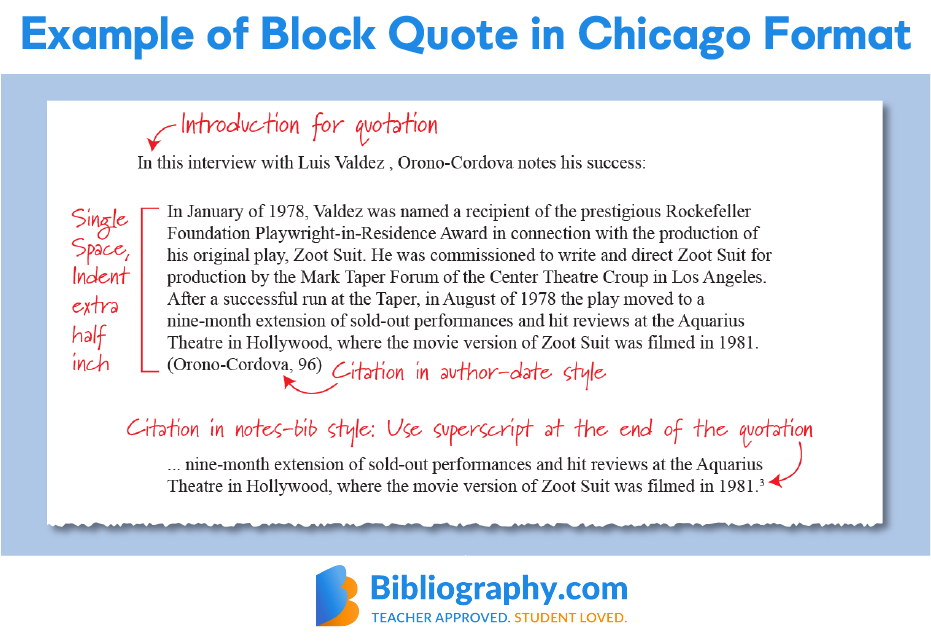
The Chicago Manual of Style (CMOS) offers two primary systems for in-text citation: the notes and bibliography system and the author-date system. For most travel writing, food blogs, and cultural explorations, the notes and bibliography system is often preferred due to its less intrusive nature within the narrative. This system uses superscript numbers within the text that correspond to either footnotes at the bottom of the page or endnotes at the conclusion of the document. The author-date system, while also valid, can sometimes interrupt the flow of descriptive prose about a particular Chicago attraction or culinary experience. This guide will primarily focus on the notes and bibliography system, as it is more commonly encountered and applicable to the tourism niche.
The Notes and Bibliography System
In this system, every piece of information taken from an external source—whether a direct quote, a paraphrase, or a statistic about the Art Institute of Chicago—must be followed by a superscript Arabic numeral. This numeral serves as a reference point for a corresponding note.
- Superscript Numbers: These are placed immediately after the final punctuation of the sentence or clause containing the borrowed information. If the information is integrated into the sentence, the number follows the word or phrase being referenced. For instance, if discussing the history of the Navy Pier, and a specific fact is drawn from a book, the citation would look like this: “The Navy Pier originally opened in 1916 to serve as a shipping and recreation facility¹.”
- Footnotes vs. Endnotes: Footnotes appear at the bottom of the page where the citation is made, offering immediate context to the reader. Endnotes are compiled at the end of the article or document. Both serve the same purpose: to provide detailed source information. For online travel blogs or articles, endnotes are often more practical.
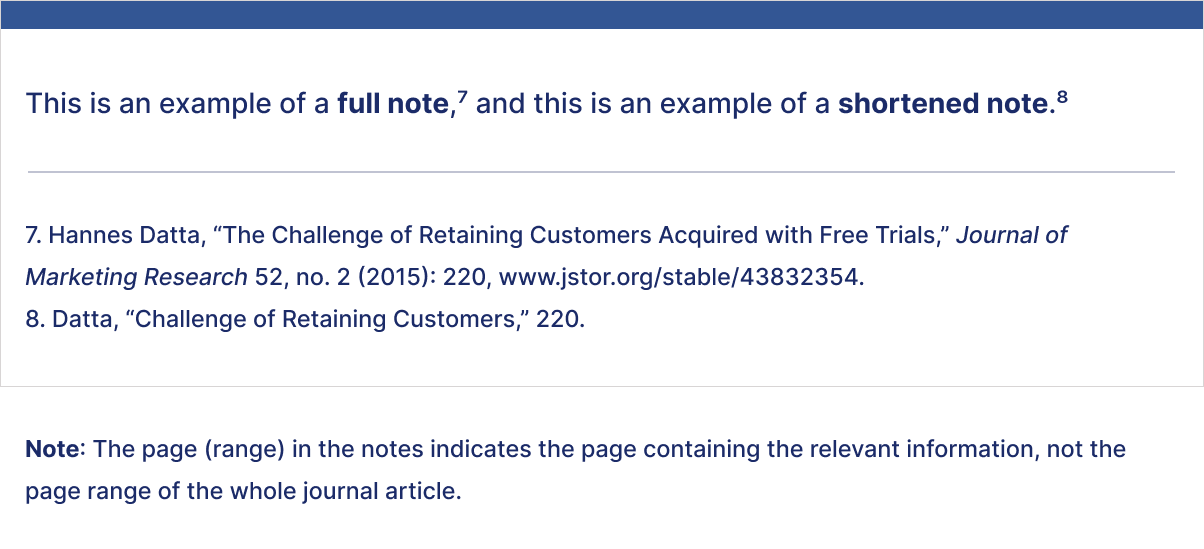
- The First Note: The first time a particular source is cited, the note will contain full bibliographic information. This includes the author’s name, the title of the work (italicized for books and articles, in quotation marks for chapters or essays), publication details (city, publisher, year), and the specific page number(s) referenced. For example:
- Annabel Smith, Windswept City: A History of Chicago (Chicago: University of Chicago Press, 2020), 45.
- Subsequent Notes: For any subsequent citations of the same source, a shortened note format is used. This typically includes the author’s last name, a shortened version of the title (if necessary to distinguish from other works by the same author), and the page number(s). For instance:
- Smith, Windswept City, 78.
If only one work by an author is cited, subsequent notes can sometimes be even shorter, just using the author’s last name and page number: - Smith, 112.
- Smith, Windswept City, 78.
The Bibliography
Alongside the notes, the Chicago Style also requires a bibliography at the end of the work. This is an alphabetical list of all sources cited in the notes. The bibliography entries are formatted similarly to the first footnote, but with the author’s last name appearing first. This allows readers to easily identify and locate the sources used for further reading.
- Format Consistency: While notes offer some flexibility in shortening subsequent citations, the bibliography must be complete and consistent for every entry.
- Alphabetical Order: Entries are listed alphabetically by the author’s last name. If a source has no author, it is alphabetized by the first significant word in the title.
- Example Bibliography Entry:
Smith, Annabel. Windswept City: A History of Chicago. Chicago: University of Chicago Press, 2020.
Citing Specific Types of Sources in Chicago Style
The nuances of Chicago Style extend to various types of sources commonly encountered when documenting travel, food, and cultural experiences in Chicago.
Books
Books are a cornerstone of research and provide in-depth information about Chicago’s history, culture, and culinary traditions.
- Single Author:
- Note: 1. John Doe, The Culinary Soul of Chicago (New York: Foodie Books, 2022), 15.
- Bibliography: Doe, John. The Culinary Soul of Chicago. New York: Foodie Books, 2022.
- Two or Three Authors: List all authors in the note and bibliography.
- Note: 2. Jane Smith and Robert Jones, Architecture of the Windy City (Chicago: Urban Press, 2019), 88.
- Bibliography: Smith, Jane, and Robert Jones. Architecture of the Windy City. Chicago: Urban Press, 2019.
- More Than Three Authors: In the note, list the first author followed by “et al.” (and others). In the bibliography, list all authors.
- Note: 3. Michael Brown et al., Exploring Lincoln Park Zoo (Chicago: Nature Publications, 2021), 34.
- Bibliography: Brown, Michael, Sarah Lee, David Green, and Emily White. Exploring Lincoln Park Zoo. Chicago: Nature Publications, 2021.
- Edited Book:
- Note: 4. Maria Garcia, ed., A Taste of Illinois (Chicago: State Culinary Society, 2018), 210.
- Bibliography: Garcia, Maria, ed. A Taste of Illinois. Chicago: State Culinary Society, 2018.
- Chapter in an Edited Book:
- Note: 5. Paul Davis, “The Rise of Chicago Blues,” in American Music Histories, ed. Emily White (New York: Harmony Press, 2017), 155.
- Bibliography: Davis, Paul. “The Rise of Chicago Blues.” In American Music Histories, edited by Emily White, 150–75. New York: Harmony Press, 2017.
Websites and Online Articles
In the digital age, a significant portion of travel and cultural information is found online. Citing these sources accurately is vital.
- Web Article with Author:
- Note: 6. Sarah Miller, “Best Chicago Neighborhoods for Foodies,” ExploreChicago.com, October 15, 2023, https://www.explorechicago.com/articles/neighborhoods-foodies.
- Bibliography: Miller, Sarah. “Best Chicago Neighborhoods for Foodies.” ExploreChicago.com, October 15, 2023. https://www.explorechicago.com/articles/neighborhoods-foodies.
- Web Page without Author: If no author is listed, start with the title of the page.
- Note: 7. “History of the Bean Sculpture,” Cloud Gate Official Site, accessed November 1, 2023, https://www.cloudgatesite.com/history.
- Bibliography: “History of the Bean Sculpture.” Cloud Gate Official Site. Accessed November 1, 2023. https://www.cloudgatesite.com/history.
- Online Journal Article:
- Note: 8. David Chen, “The Evolution of Chicago Architecture in the 20th Century,” Journal of Urban Design 15, no. 2 (2020): 210, https://doi.org/10.1080/12345678.2020.1234567.
- Bibliography: Chen, David. “The Evolution of Chicago Architecture in the 20th Century.” Journal of Urban Design 15, no. 2 (2020): 205–225. https://doi.org/10.1080/12345678.2020.1234567.
Interviews
Personal interviews can offer unique insights into local culture and experiences, but they require careful citation.
- Personal Interview:
- Note: 9. Interview with Maria Rodriguez, Chicago, October 20, 2023.
- Bibliography: Rodriguez, Maria. Interview by author. Chicago, October 20, 2023.
- Note: It is important to get permission from the interviewee to cite their words.
Citing Specific Chicago Tourism Elements
Applying Chicago Style to specific tourism elements ensures that your descriptive accounts of experiences in Chicago are well-supported.
Attractions and Landmarks
When referencing information about a specific attraction, such as the Shedd Aquarium or the historic Water Tower, you will cite the source from which you obtained that information, not the attraction itself.
- Example: If you learned about the construction date of the Willis Tower from a historical society’s website, you would cite that website.
- Note: 10. “Willis Tower Facts,” Chicagoland History Society, accessed November 1, 2023, https://www.chicagohistory.org/willis-tower.
- Bibliography: “Willis Tower Facts.” Chicagoland History Society. Accessed November 1, 2023. https://www.chicagohistory.org/willis-tower.
Food and Restaurants
When discussing a particular dish, a restaurant review, or the history of a specific Chicago food item, cite the source of your information. This could be a cookbook, a food blog, a newspaper article, or an interview with a chef.
- Example: Discussing the origins of the Chicago-style hot dog.
- Note: 11. Chicago Culinary Institute, Guide to Local Delicacies (Chicago: Local Flavors Press, 2019), 55.
- Bibliography: Chicago Culinary Institute. Guide to Local Delicacies. Chicago: Local Flavors Press, 2019.
Local Culture and Events
Information about local traditions, festivals like the Taste of Chicago, or specific cultural movements should be attributed to their original sources.
- Example: Citing an article about the history of the Second City improvisational theatre.
- Note: 12. Emily Carter, “The Legacy of Second City Comedy,” Chicago Theatre Review, July 20, 2022, https://www.chicagotheatrereview.com/second-city-legacy.
- Bibliography: Carter, Emily. “The Legacy of Second City Comedy.” Chicago Theatre Review, July 20, 2022. https://www.chicagotheatrereview.com/second-city-legacy.
The Author-Date System: A Brief Overview
While less common in narrative travel writing, the author-date system is another valid option within the Chicago Manual of Style. It uses parenthetical citations within the text, typically including the author’s last name and the publication year.
- In-Text Citation: (Smith 2022, 45)
- Reference List: A reference list, alphabetized by author, would be provided at the end, containing full bibliographic details.
Smith, Annabel. 2022. Windswept City: A History of Chicago. Chicago: University of Chicago Press.
Choosing between the notes and bibliography system and the author-date system often depends on the publication venue, the intended audience, and personal preference. However, regardless of the chosen system, adherence to the guidelines ensures academic integrity and enhances the credibility of your written explorations of Chicago. Mastering these citation practices will elevate your travel narratives, food critiques, and cultural analyses from mere personal accounts to well-researched and verifiable pieces.
LifeOutOfTheBox is a participant in the Amazon Services LLC Associates Program, an affiliate advertising program designed to provide a means for sites to earn advertising fees by advertising and linking to Amazon.com. Amazon, the Amazon logo, AmazonSupply, and the AmazonSupply logo are trademarks of Amazon.com, Inc. or its affiliates. As an Amazon Associate we earn affiliate commissions from qualifying purchases.