
The Texas Two-Step is more than just a dance; it’s a cultural cornerstone of the Lone Star State, a rhythmic expression deeply woven into the fabric of Texas life. Whether you find yourself at a bustling honky-tonk in Austin, a lively dance hall in Fort Worth, or even a friendly gathering in a small Texas town, the Two-Step is likely to be the heartbeat of the evening. It’s a dance that embodies the spirit of Texas itself – welcoming, energetic, and with a touch of down-home charm.
This guide aims to demystify the Texas Two-Step, breaking down its fundamental steps and offering insights into its cultural significance. From the basic footwork to the subtle nuances that make it so enjoyable, we’ll equip you with the knowledge to confidently step onto the dance floor and join the fun. Learning the Texas Two-Step is an accessible and rewarding experience, offering a unique way to connect with the rich heritage of Texas and its vibrant social scene.
The Foundation: Understanding the Rhythm and Basic Steps
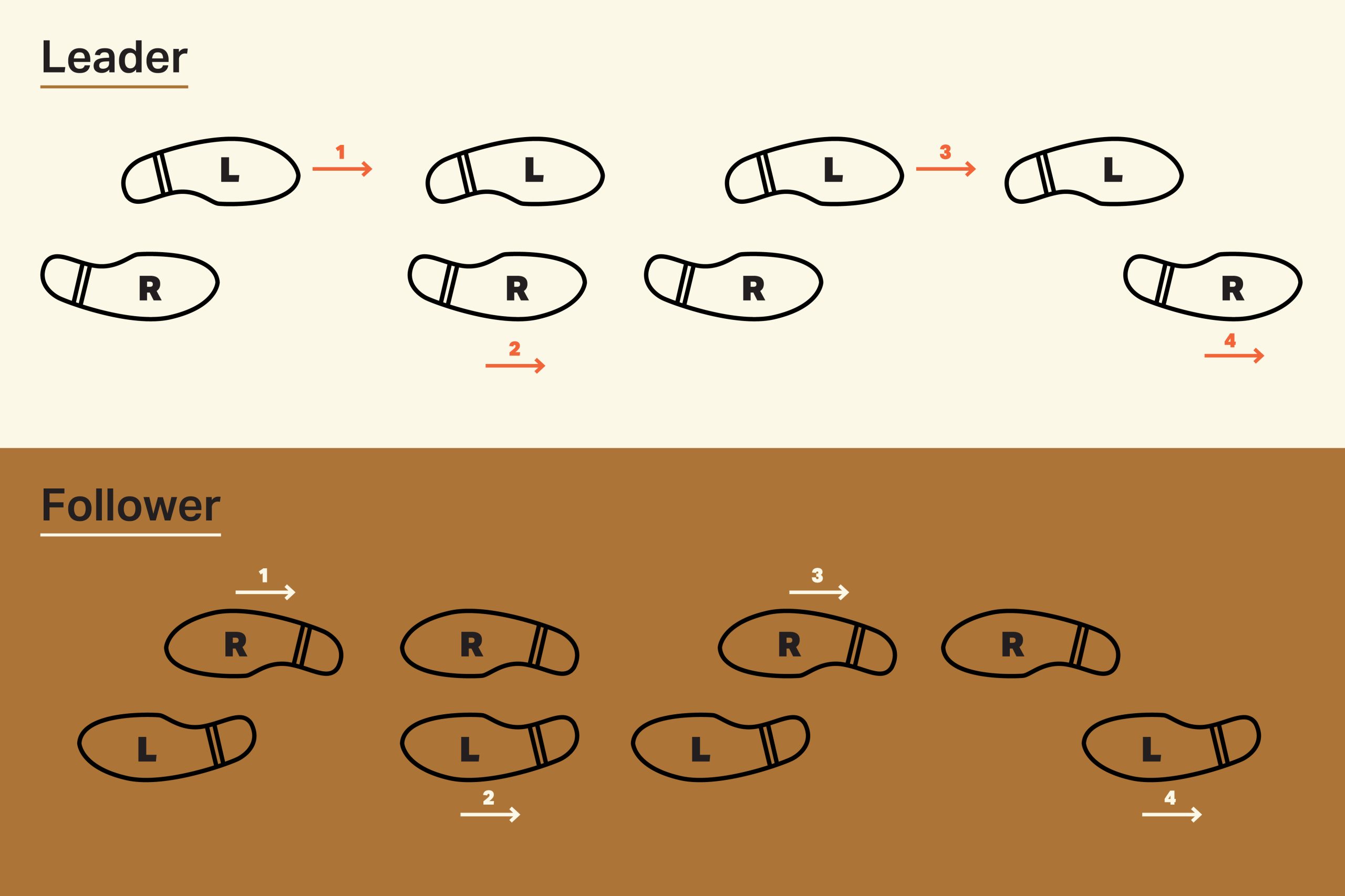
At its core, the Texas Two-Step is a dance for couples characterized by its simple yet distinct rhythmic pattern: a quick-quick-slow-slow cadence. This rhythm is the bedrock upon which all variations and embellishments are built. Understanding and feeling this pulse is the first and most crucial step to mastering the dance.
The Count: Deconstructing the Rhythm
The rhythm of the Texas Two-Step is most commonly counted as “1, 2, 3, 4.” However, it’s essential to understand how these counts translate into steps. The pattern is typically executed as:
- Count 1: A quick step.
- Count 2: Another quick step.
- Count 3: A slow step.
- Count 4: Another slow step.
This quick-quick-slow-slow pattern is repeated continuously, forming the continuous flow of the dance. The “quick” steps are shorter and faster, while the “slow” steps are longer and more deliberate. Think of it as a forward-and-back motion, or a side-to-side movement, depending on the variation, always adhering to the quick-quick-slow-slow timing.
The Basic Forward and Back Step
This is the most fundamental sequence of the Texas Two-Step and is the perfect starting point for beginners. It involves a forward movement for the leader and a backward movement for the follower, with each step corresponding to the rhythm.
For the Leader (typically the person on the inside of the turn):
- Count 1: Step forward with your left foot.
- Count 2: Step forward with your right foot.
- Count 3: Step back with your left foot, preparing to shift weight.
- Count 4: Step back with your right foot, bringing your feet together or slightly apart.
For the Follower (typically the person on the outside of the turn):
- Count 1: Step backward with your right foot.
- Count 2: Step backward with your left foot.
- Count 3: Step forward with your right foot, preparing to shift weight.
- Count 4: Step forward with your left foot, bringing your feet together or slightly apart.
The key here is to maintain a smooth, continuous motion. The transition between the quick steps and the slow steps should be fluid, not jerky. Imagine gliding across the floor rather than stomping.
The Basic Side Step
While the forward and back step is the foundation, the side step is equally important and often used interchangeably or in conjunction with the forward and back movement, especially when navigating the dance floor or performing turns.
For the Leader:
- Count 1: Step to the side with your left foot.
- Count 2: Bring your right foot to meet your left, or step slightly forward with your right foot.
- Count 3: Step to the side with your left foot again.
- Count 4: Bring your right foot to meet your left, or step slightly forward with your right foot.
For the Follower:
- Count 1: Step to the side with your right foot.
- Count 2: Bring your left foot to meet your right, or step slightly backward with your left foot.
- Count 3: Step to the side with your right foot again.
- Count 4: Bring your left foot to meet your right, or step slightly backward with your left foot.
Again, the emphasis is on maintaining the quick-quick-slow-slow rhythm. The side steps allow for lateral movement, which is crucial for partner interaction and for moving around other dancers on a crowded dance floor.
Mastering the Connection and Lead/Follow Dynamics
The Texas Two-Step is a partner dance, and its success hinges on the communication between the leader and the follower. This communication isn’t verbal; it’s a subtle interplay of body weight, frame, and gentle pressure that allows for seamless execution of the steps and the initiation of turns and variations.
The Importance of the Frame
The “frame” refers to the posture and connection established between partners. A good frame is firm yet relaxed, providing a stable base for communication.
- Leader: Maintain an upright posture, with your shoulders back and your core engaged. Your frame extends through your arms to your partner. You initiate movement by shifting your own weight and applying gentle pressure through your hands and arms.
- Follower: Mirror the leader’s posture, maintaining a relaxed but responsive connection. You follow the lead by responding to the pressure and direction cues from the leader’s frame. Avoid tensing up, as this can hinder your ability to follow.
The connection should feel natural and comfortable, allowing for intuitive responses to the leader’s cues. It’s not about brute force; it’s about subtle signals.

The Art of Leading
Leading in the Texas Two-Step involves clearly communicating your intended movement to your partner. This is primarily done through:
- Weight Transfer: Shifting your body weight in the direction you want to move.
- Body Momentum: Gently leaning or turning your torso to signal a turn.
- Hand and Arm Pressure: Applying subtle pressure to guide your partner’s direction.
A good leader makes their intentions clear without being abrupt. The goal is to make the follower feel confident in their ability to follow the lead.
The Skill of Following
Following is an active process, not a passive one. A good follower is attentive to the leader’s cues and ready to respond.
- Listen with Your Body: Pay close attention to the leader’s weight shifts and body movements.
- Maintain Your Frame: Stay connected and responsive to the leader’s cues.
- Anticipate (Slightly): With practice, you’ll begin to anticipate the leader’s next move, making the dance feel even smoother. However, avoid guessing; wait for the clear lead.
The interplay between leading and following is what makes the Texas Two-Step a dynamic and engaging dance.
Adding Flair: Turns and Variations
Once you’ve mastered the basic forward-back and side steps, you can begin to explore the many turns and variations that add personality and flair to the Texas Two-Step. These variations are built upon the fundamental quick-quick-slow-slow rhythm, adding a rotational or directional element.
The Basic Turn for Followers
This is perhaps the most common and enjoyable variation. The leader initiates a turn for the follower, typically a full 360-degree rotation.
- Leader’s Role: As you execute the basic steps, you’ll subtly turn your body and guide your partner with your frame, encouraging them to rotate. The lead for the turn is often initiated during the “slow” steps.
- Follower’s Role: As the leader begins to turn, you’ll shift your weight and allow your body to pivot. Maintain your frame and allow the leader’s guidance to facilitate your turn. You’ll generally take smaller, quicker steps to complete the rotation within the four-count rhythm.
The Promenade
The promenade is a beautiful traveling step that allows the couple to move across the dance floor together.
- Leader’s Role: Initiate a step to the side and forward, bringing your partner into a side-by-side dancing position. You’ll continue to move in a forward-sideways direction, typically with a slight turn of your body.
- Follower’s Role: Mirror the leader’s movement, stepping alongside them. The steps will feel similar to the side step, but with a forward momentum as a unit.
Incorporating the C-B-C (Country-Boy-Country) Variation
This is a slightly more advanced but very popular variation. It involves a slightly different footwork pattern that creates a distinctive look.
- Leader’s Role:
- Count 1: Step forward left.
- Count 2: Step right in front of left.
- Count 3: Step left to the side.
- Count 4: Step right to the side, bringing feet together.
- Follower’s Role:
- Count 1: Step back right.
- Count 2: Step left behind right.
- Count 3: Step right to the side.
- Count 4: Step left to the side, bringing feet together.
This variation adds a subtle flair and a different feel to the dance, and it can be seamlessly integrated with the basic steps.
Where to Experience the Texas Two-Step
The best way to truly learn and appreciate the Texas Two-Step is to immerse yourself in the local culture where it thrives. Texas offers numerous venues that celebrate this dance.
Honky-Tonks and Dance Halls
These are the heartlands of the Texas Two-Step. From legendary establishments to more modern venues, you’ll find ample opportunities to practice and observe.
- The Stockyards National Historic District in Fort Worth: Home to iconic venues like the Billy Bob’s Texas, often called the “World’s Largest Honky Tonk,” this area is a must-visit for any enthusiast.
- Gruene Hall in Gruene: A historic dance hall that has hosted countless legendary musicians and dancers. It’s a quintessential Texas experience.
- The Broken Spoke in Austin: Another renowned honky-tonk that offers dance lessons and a lively atmosphere for Texas Two-Step enthusiasts.
Dance Lessons and Social Dance Events
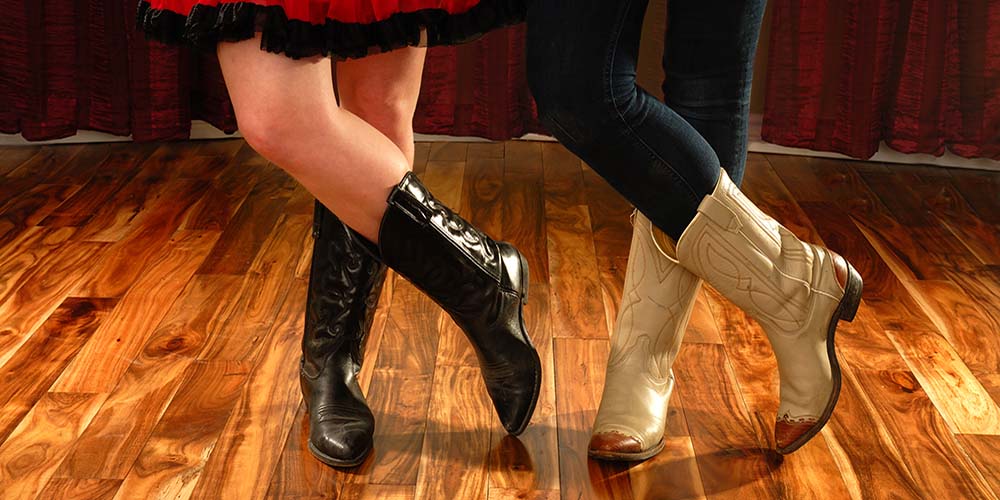
Many cities across Texas offer dedicated Texas Two-Step lessons. These are invaluable for beginners looking to learn the correct technique and etiquette. Look for social dance events, often held in community centers or dance studios, where you can practice in a supportive environment with other dancers.
Festivals and Community Gatherings
Keep an eye out for local festivals, rodeos, and community events. The Texas Two-Step is often a central part of these celebrations, offering a chance to witness and participate in authentic Texas culture.
Embracing the Texas Two-Step is an invitation to engage with the spirit of Texas on a deeper level. It’s a dance that fosters connection, joy, and a shared experience that transcends words. So, put on your dancing boots, find a willing partner, and step onto the dance floor – the Texas Two-Step awaits!
LifeOutOfTheBox is a participant in the Amazon Services LLC Associates Program, an affiliate advertising program designed to provide a means for sites to earn advertising fees by advertising and linking to Amazon.com. Amazon, the Amazon logo, AmazonSupply, and the AmazonSupply logo are trademarks of Amazon.com, Inc. or its affiliates. As an Amazon Associate we earn affiliate commissions from qualifying purchases.