
The archipelago of Hawaii, situated in the heart of the Pacific Ocean, offers a unique intersection of tropical relaxation and sophisticated island living. For travelers visiting this 50th state of the United States, understanding how to dress is less about following a rigid set of rules and more about embracing a lifestyle that values comfort, respect for local culture, and preparedness for a diverse range of microclimates. Whether you are checking into a high-end resort in Wailea or embarking on a rugged backpacking trip across the Big Island, your wardrobe should reflect the “Aloha Spirit”—a blend of warmth, ease, and vibrant energy.
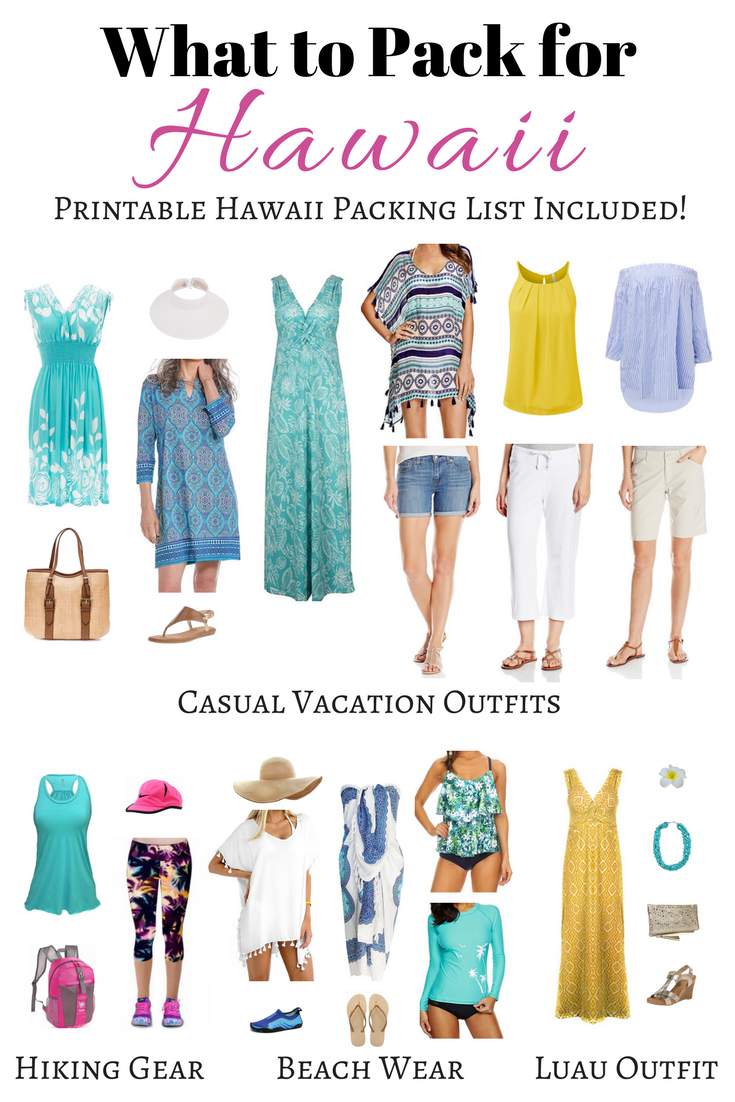
The Daily Island Uniform: Embracing Casual Lifestyle
In the islands, the lifestyle is inherently casual. The transition from a morning coffee in Honolulu to a midday stroll along Waikiki beach requires clothing that is breathable and versatile. The goal is to look put-together without appearing over-dressed or uncomfortable in the humidity.
The Legend of the Aloha Shirt
The Aloha shirt is the cornerstone of Hawaiian fashion. Far from being a mere tourist souvenir, it is a staple for locals and visitors alike. When selecting an Aloha shirt, look for authentic prints that tell a story of the islands’ flora and fauna. High-quality cotton or rayon fabrics are preferred for their cooling properties. In professional settings or upscale dinners, “reverse print” shirts—where the pattern appears muted—are particularly popular. Wearing an Aloha shirt is a lifestyle choice that signals you are in harmony with the local pace of life.
Footwear Fundamentals: The “Slippah” Culture
In Hawaii, footwear is often an afterthought, yet it is culturally significant. Flip-flops, known locally as “slippahs,” are the standard for almost every daytime activity. From a quick trip to the grocery store to a casual lunch at the North Shore, slippahs are the ultimate lifestyle accessory. However, it is a crucial custom to remove your shoes before entering someone’s home. For more active days exploring Pearl Harbor or walking through the Ala Moana Center, a pair of comfortable walking sandals or lightweight sneakers is recommended.
Daytime Basics for Island Exploration
For women, sundresses in natural fibers like linen or silk are ideal for navigating the streets of Oahu. These pieces transition seamlessly from a morning visit to Diamond Head to a casual afternoon tea. For men, tailored shorts in neutral tones paired with a high-quality t-shirt or a linen button-down provide a clean, relaxed aesthetic. The key is to avoid heavy denim or synthetic fabrics that trap heat.
Luxury vs. Budget: Tailoring Your Wardrobe to Your Stay
The lifestyle you choose in the islands—whether it is a luxury retreat or a budget-conscious adventure—will significantly dictate your packing list. Each island and resort area has its own unwritten dress code.
High-End Resort Chic in Wailea and Kapalua
If your itinerary includes a stay at the Four Seasons Resort Maui at Wailea or the luxury enclaves of Kapalua, the dress code leans toward “Resort Elegant.” During the day, high-end swimwear paired with designer cover-ups and wide-brimmed hats is standard. As the sun sets, the lifestyle shifts toward sophistication. Women often opt for maxi dresses or elegant jumpsuits, while men wear pressed trousers and high-quality leather loafers (no socks required). This is the time to showcase refined tropical fashion that complements the manicured gardens and oceanfront vistas.
Practical and Versatile Budget Packing
For the budget traveler exploring the lush landscapes of Kauai or the quiet shores of Molokai, functionality is the priority. When staying in hostels or vacation rentals, focus on a “mix-and-match” wardrobe. Quick-dry fabrics are essential, especially if you plan on doing laundry in small sinks or at local laundromats. A lifestyle of adventure means your clothes will likely get dusty from the red dirt of Kauai or damp from the frequent rain showers in Hilo. Choose darker colors or patterns that hide wear and tear.
Family-Friendly Lifestyle Fashion
Traveling with family often requires a balance of sun protection and ease of movement. For children, UV-protective rash guards are a must for long days at Aulani, A Disney Resort & Spa or the calm waters of Hanalei Bay. Families often enjoy coordinating—though not necessarily matching—outfits in bright, tropical colors for professional photo sessions on the beach, a popular activity for those looking to capture their Hawaiian lifestyle memories.
Dressing for Diverse Terrain and Microclimates

One of the most common mistakes travelers make is assuming Hawaii is always hot. The islands host a staggering variety of microclimates, from tropical rainforests to sub-alpine tundras.
Conquering the Heights of Haleakala and Mauna Kea
A visit to Haleakala National Park on Maui to watch the sunrise is a transformative experience, but it is also a cold one. Temperatures at the summit can drop to freezing, even when it is 80 degrees at sea level. A lifestyle of exploration requires layering: a thermal base, a fleece mid-layer, and a wind-resistant jacket are necessary. Similarly, if you are visiting the astronomical observatories on Mauna Kea, heavy winter gear is non-negotiable.
Rainforest Readiness and Volcanic Trails
Exploring Hawaii Volcanoes National Park requires sturdy, closed-toe hiking boots with good traction to navigate jagged lava rock. In the wetter regions like the Kauai interior or the road to Hana, a lightweight, breathable rain shell is essential. The humidity in these areas means you will want fabrics that wick moisture away from the skin to keep you comfortable during long treks.
Beach-to-Bistro Transitions
The Hawaiian lifestyle often moves directly from the sand to the table. Most beachside cafes are perfectly fine with guests wearing swimwear, provided they have a proper cover-up and footwear. For women, a sarong (known locally as a pareo) is the ultimate multi-purpose tool—it can be a towel, a skirt, or a dress. For men, boardshorts that look like traditional shorts are a versatile choice that allows for a quick dip in the ocean followed by a lunch in town.
Business and Special Occasion Attire in the Tropics
Even in paradise, there are times when the lifestyle calls for a more formal approach. Whether attending a business conference or a destination wedding, tropical etiquette is key.
Island Business Casual
For those on a business trip, the standard “Mainland” suit is rarely seen. Instead, Hawaii business casual usually consists of a high-quality Aloha shirt tucked into dress slacks or chinos. For women, a professional sheath dress or a blouse with a skirt is appropriate. In the most formal corporate environments in Honolulu, men might wear a light-colored blazer, but ties are almost never required. The goal is to project professionalism while acknowledging the tropical climate.
Destination Weddings and Lu’aus
Attending a wedding at the Grand Hyatt Kauai Resort and Spa or a similar venue often calls for “Island Formal.” For men, this means a long-sleeved dress shirt (linen is a great choice) with dress pants. For women, a cocktail-length dress in a floral print or a soft pastel works beautifully. If you are attending a traditional Lu’au, the vibe is more relaxed. This is the perfect time to break out your most vibrant tropical prints. Do not forget that many Lu’aus take place on grass or sand, so wedges or flat sandals are far more practical than stilettos.
The Role of Accessories and Jewelry
To truly embrace the local lifestyle, consider incorporating island-inspired accessories. A simple orchid behind the ear (left side for married/taken, right side for single) is a classic touch. Local jewelry made from Tahiti pearls, Koa wood, or shells adds an authentic flair to any outfit. However, avoid wearing plastic or cheap imitation leis; if you are given a fresh flower lei, wear it with pride and never remove it in front of the person who gave it to you.
Sustainable Fashion and Cultural Respect
As the United States moves toward more sustainable travel practices, the Hawaiian lifestyle has also seen a shift toward “Slow Fashion” and environmental consciousness.
Reef-Safe and Eco-Friendly Choices
When choosing your beachwear, consider brands that use recycled ocean plastics. Furthermore, what you wear on your skin is just as important as the clothes themselves. Many regions in Hawaii have banned sunscreens containing chemicals that harm coral reefs. Opt for mineral-based sunscreens and consider wearing long-sleeved rash guards to minimize the need for topical products altogether.

Respecting the Land and the People
Dressing appropriately is also a sign of respect for the “Aina” (the land). When visiting sacred sites or local neighborhoods away from the tourist hubs of Waikiki, it is polite to dress more conservatively. Avoid walking through residential areas in just a bikini or swim trunks. Covering up shows that you value the local community and the culture that makes Hawaii such a sought-after destination.
In conclusion, dressing for Hawaii is about finding the sweet spot between tropical utility and personal style. By packing breathable fabrics, versatile layers, and a few key “Island Elegant” pieces, you can move through every facet of the Hawaiian lifestyle—from the luxury resorts of Maui to the hidden valleys of Lanai—with confidence and ease. The best outfit you can wear in the islands is one that allows you to fully engage with the beauty of the environment and the warmth of the people.
LifeOutOfTheBox is a participant in the Amazon Services LLC Associates Program, an affiliate advertising program designed to provide a means for sites to earn advertising fees by advertising and linking to Amazon.com. Amazon, the Amazon logo, AmazonSupply, and the AmazonSupply logo are trademarks of Amazon.com, Inc. or its affiliates. As an Amazon Associate we earn affiliate commissions from qualifying purchases.