
The New York City Marathon is more than just a race; it’s a global pilgrimage for runners, a vibrant celebration of human endurance, and an unparalleled way to experience the iconic streets of New York City. Each year, thousands flock to the starting line, eager to conquer 26.2 miles that wind through five distinct boroughs, culminating in the triumphant finish at Central Park. For many, crossing that finish line is a lifelong dream, but the journey to participation begins long before race day. Securing an entry into this prestigious event is a strategic endeavor, requiring planning, understanding the various pathways, and often, a bit of luck. This guide will demystify the process, offering a comprehensive roadmap for aspiring marathoners aiming to make their mark on the NYC Marathon.

Navigating the Entry Pathways
The New York Road Runners (NYRR) meticulously manages the NYC Marathon entry process, offering several distinct routes to secure a spot. Understanding these options is crucial for planning your application strategy. Each pathway has its own criteria, deadlines, and considerations, so it’s essential to align your chosen method with your personal circumstances and timeline.
General Lottery System
The most common and widely accessible method for entering the NYC Marathon is through the general lottery. This system is designed to offer a fair chance to a broad spectrum of runners from around the world.
The Application Window and Selection Process
The general lottery typically opens in late January or early February and remains open for several weeks. Runners create a profile on the NYRR website and submit their application. This is a random drawing, meaning all valid entries have an equal chance of being selected. Historically, the odds of selection can be competitive, given the immense global interest in the race. Notifications of acceptance or rejection are usually sent out in late February or early March. It is vital to meet the application deadlines to be considered.
Guaranteed Entry Programs
For runners who prefer a more assured path or have a strong connection to the event, NYRR offers various guaranteed entry programs. These options often involve a commitment to fundraising or meeting specific performance standards.
Time Qualifying Standards
For seasoned runners who have demonstrated consistent performance in previous marathons, meeting the time qualifying standards is a direct route to guaranteed entry. These standards are rigorous and vary by age and gender, reflecting the elite nature of participants who achieve them. Runners must submit proof of their qualifying race, which needs to have been run within a specific timeframe and at an officially certified course. These standards are published annually by NYRR and are typically demanding, requiring dedicated training and race experience.
Charity Partners and Fundraising
Participating in the NYC Marathon as a charity runner is a popular and impactful way to secure a guaranteed entry while supporting a cause you believe in. Numerous non-profit organizations partner with the marathon, each with its own fundraising minimum. By committing to raise a certain amount of money for a chosen charity, you can often bypass the lottery and gain direct entry. This option is ideal for those who are passionate about a particular cause and are motivated to leverage their running efforts for social good. The fundraising requirements can vary significantly between charities, so it’s important to research and select an organization that resonates with you and whose fundraising goals are achievable.
International Tour Operators
For runners outside the United States, NYRR partners with official international tour operators. These authorized companies package race entry with travel and accommodation, providing a seamless experience for overseas participants. Purchasing a travel package through one of these operators guarantees your entry into the marathon. This is a convenient option for international runners who may find the logistics of booking flights and accommodation separately challenging.
Preparing for Your Marathon Journey
Securing your entry is a monumental first step, but the true preparation for the New York City Marathon begins once that acceptance notification arrives. This involves a multi-faceted approach encompassing physical training, mental conditioning, and logistical planning to ensure you are ready to perform at your best on race day.

The Training Regimen
A successful marathon requires a dedicated and structured training plan. This isn’t just about logging miles; it’s about building endurance, strength, and resilience.
Building Mileage and Endurance
The cornerstone of marathon training is gradually increasing your weekly mileage. A typical plan involves a progression of long runs, mid-week runs, and recovery runs. The long run is paramount, steadily increasing in distance over several months to prepare your body for the demands of 26.2 miles. It’s crucial to listen to your body, incorporate rest days, and avoid overtraining, which can lead to injury. Many runners follow established marathon training plans, often tailored to their experience level, whether they are first-time marathoners or seasoned athletes aiming for a personal best.
Strength Training and Cross-Training
Beyond running, incorporating strength training is vital for preventing injuries and improving running efficiency. Exercises that target the core, legs, and glutes can significantly enhance your performance. Cross-training activities such as swimming, cycling, or yoga can also be beneficial, providing a cardiovascular workout without the repetitive impact of running, and aiding in active recovery.
Race Day Logistics and Strategy
Even with rigorous training, a well-thought-out race day strategy can make a significant difference. This involves everything from pacing to nutrition and navigating the unique course of the NYC Marathon.
Pacing and Course Knowledge
Understanding the NYC Marathon course is a significant advantage. The race famously begins on Staten Island, crossing the Verrazzano-Narrows Bridge before heading into Brooklyn, Queens, The Bronx, and finally Manhattan with its iconic finish in Central Park. Each borough presents its own challenges and characteristics, from the initial climb over the bridge to the rolling hills of Brooklyn and the relentless push through Manhattan. Developing a pacing strategy that accounts for the course’s elevation changes and the sheer energy of the crowds is essential. Many runners aim for a negative split (running the second half faster than the first) or an even split, but adapting this based on how the race unfolds is key.
Nutrition and Hydration
Proper fueling before and during the marathon is critical for maintaining energy levels and preventing “hitting the wall.” Runners need to practice their race-day nutrition strategy during their long training runs, experimenting with gels, chews, and other carbohydrate sources to see what works best for their digestive system. On race day, diligently consuming fuel and staying hydrated at the aid stations provided along the course is non-negotiable.
Experiencing the [NYC Marathon]
The New York City Marathon offers an immersive experience that extends beyond the 26.2 miles. It’s an opportunity to witness the city come alive in a way that few other events can replicate.
Spectator Experience and Support
For those not running, the NYC Marathon is a spectacular event to witness. The course is lined with millions of enthusiastic spectators, creating an electric atmosphere that propels runners forward. Key viewing spots can be found throughout all five boroughs, each offering a unique perspective of the race. From the cheering crowds in Brooklyn to the energy of First Avenue in Manhattan, the support is unwavering. Arrive early to secure a good vantage point and be prepared for crowds and some street closures, especially in areas close to the finish line.
Post-Race Celebration and Recovery
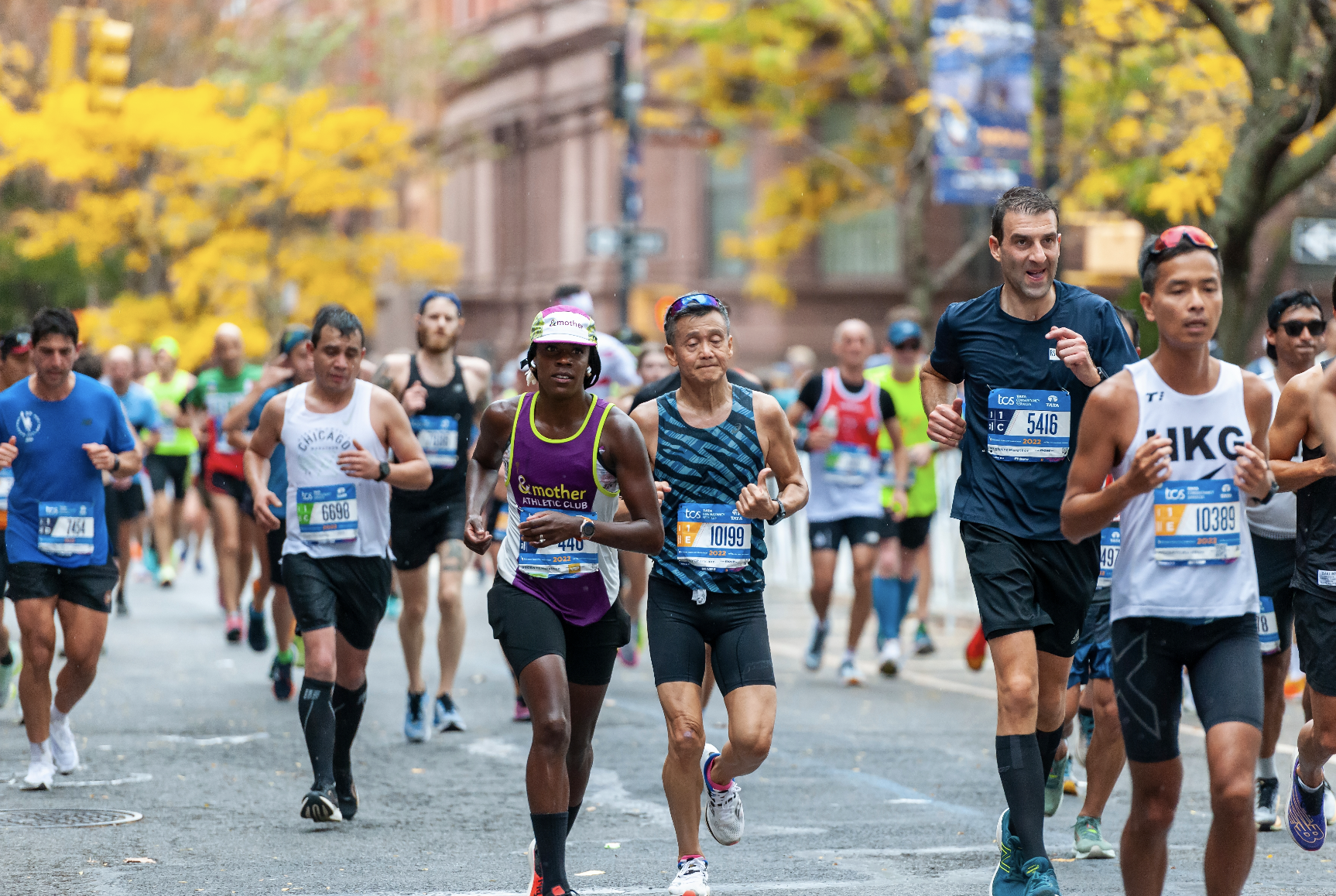
Crossing the finish line in Central Park is an emotional and triumphant moment. After the race, runners receive their medals, a tangible symbol of their achievement. The post-race area provides recovery services, including medical assistance and a gathering point for family and friends. Many runners opt to stay in New York City for a few days to recover and celebrate their accomplishment, perhaps enjoying a well-deserved meal at one of the city’s many renowned restaurants or exploring some of its iconic landmarks. The sense of accomplishment and the shared experience with thousands of other runners create lasting memories.
LifeOutOfTheBox is a participant in the Amazon Services LLC Associates Program, an affiliate advertising program designed to provide a means for sites to earn advertising fees by advertising and linking to Amazon.com. Amazon, the Amazon logo, AmazonSupply, and the AmazonSupply logo are trademarks of Amazon.com, Inc. or its affiliates. As an Amazon Associate we earn affiliate commissions from qualifying purchases.