
Navigating the complexities of tenant-landlord law in California can be an arduous journey, particularly when faced with the difficult decision to evict someone. Whether you’re a seasoned property owner managing multiple accommodation units or a first-time landlord renting out a spare room for a long-term stay, understanding the intricate legal framework is paramount. California’s tenant protections are among the strongest in the United States, designed to safeguard renters from arbitrary displacement, making the eviction process a nuanced and often lengthy endeavor. This guide aims to demystify the steps involved, offering a clear roadmap for landlords to legally and effectively regain possession of their property, all while operating within the confines of the law. From initial notice requirements to securing a writ of possession, each stage demands precision, adherence to strict deadlines, and often, professional legal guidance. Ignoring any procedural detail can lead to significant delays, financial losses, and even legal setbacks, underscoring the importance of meticulous preparation and execution. For those involved in tourism or lifestyle businesses that include accommodation, ensuring proper management of rental properties is crucial for business continuity and reputation.
Understanding Eviction in California: Navigating Tenant Protections
Before a landlord can even contemplate serving an eviction notice, it is essential to grasp the fundamental principles governing tenant-landlord relationships in California. The state’s robust legal framework prioritizes tenant rights, introducing several layers of protection that landlords must acknowledge and respect. This legal landscape is not static; it evolves, with new legislation often impacting existing procedures. One of the most significant pieces of legislation for landlords and tenants alike is the Tenant Protection Act of 2019, also known as AB 1482. This act introduced statewide rent control and just cause eviction requirements, fundamentally altering how landlords can manage their properties across the state, even in areas without local rent control ordinances.
The Landscape of California Tenant Rights
California’s commitment to tenant protections is evident in its various laws and local ordinances. Beyond statewide legislation like the Tenant Protection Act of 2019, many cities and counties have their own, often more stringent, rent control and eviction control laws. Major urban centers such as Los Angeles, San Francisco, Oakland, Santa Monica, and Berkeley are notable examples where local regulations significantly influence the eviction process. These local laws can specify lower rent increase caps, impose stricter just cause requirements, and offer additional tenant relocation assistance. Therefore, a landlord must not only be aware of state laws but also thoroughly research and understand any local ordinances that apply to their specific property location. Failing to comply with both state and local regulations can render an eviction invalid, leading to costly delays and potential counter-lawsuits from tenants. Understanding these rights is not just a legal obligation but also a critical aspect of responsible property accommodation management.
Just Cause Eviction: At-Fault vs. No-Fault Reasons
One of the cornerstones of California’s tenant protection laws, particularly under the Tenant Protection Act of 2019, is the requirement for “just cause” eviction. This means a landlord cannot evict a tenant without a valid, legally recognized reason. Just cause evictions are generally categorized into two types: at-fault and no-fault.
At-Fault Just Cause Evictions occur when a tenant has violated the terms of their lease agreement or engaged in specific problematic behavior. Common examples include:
- Non-payment of Rent: This is perhaps the most frequent reason for eviction. Tenants are legally obligated to pay rent on time, and failure to do so is a direct breach of their lease.
- Breach of a Material Lease Term: This encompasses violations beyond rent, such as unauthorized pets, subletting without permission, or damaging the property.
- Nuisance: This includes behavior that substantially interferes with the comfort, safety, or enjoyment of other tenants or neighbors, or creates a health hazard.
- Waste: Significant damage to the property beyond normal wear and tear.
- Criminal Activity: Engaging in illegal activities on the premises.
- Refusal to Renew a Lease with Similar Terms: If a tenant refuses to sign a new lease that is substantially similar to the expired one.
No-Fault Just Cause Evictions occur when the landlord wishes to regain possession of the property for specific, legally permissible reasons that are not the tenant’s fault. In these cases, tenants are often entitled to relocation assistance. Examples include:
- Owner Move-In: The landlord, or a specified family member (spouse, domestic partner, children, grandchildren, parents, or grandparents), intends to move into the unit as their primary residence.
- Withdrawal from the Rental Market: The landlord intends to permanently remove the unit from the rental market.
- Compliance with a Government Order: The property must be vacated to comply with a government or court order requiring the property to be vacated, due to health and safety concerns, or to facilitate substantial rehabilitation.
- Demolition: The landlord plans to demolish the rental unit.
It is crucial for landlords to correctly identify the just cause for eviction and ensure it is legally defensible, as mischaracterizing the reason or lacking sufficient evidence can lead to an eviction being challenged and denied.
The Critical First Step: Serving Proper Notice
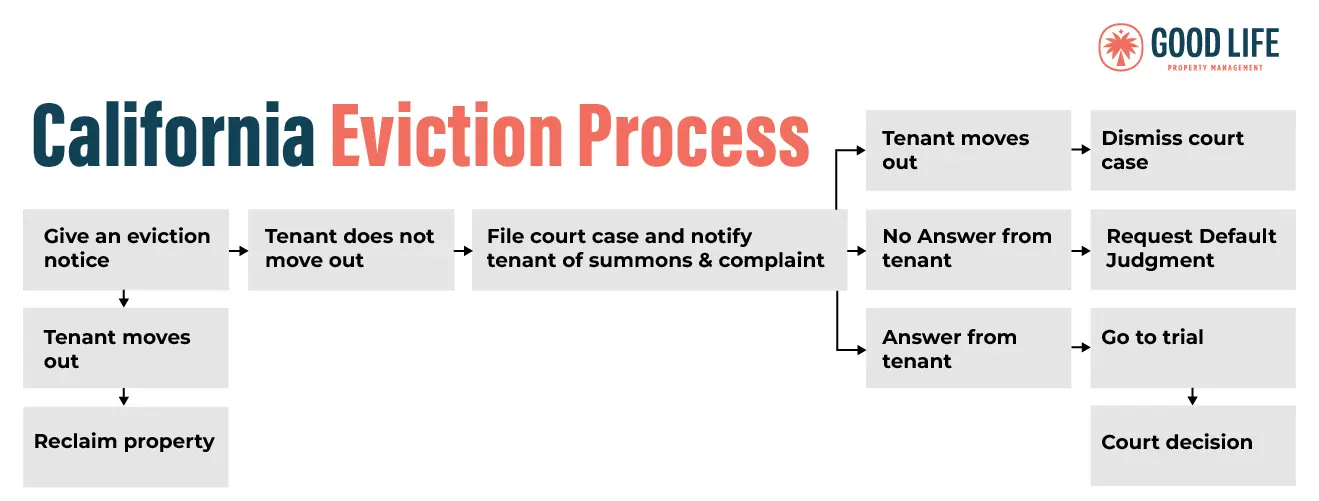
Once a landlord has identified a valid just cause for eviction, the next critical step is to serve the tenant with a formal, written notice. This notice is not a termination of tenancy itself but rather a prerequisite, informing the tenant of the breach and giving them an opportunity to remedy the situation or vacate the premises. The type of notice required depends entirely on the reason for eviction. Adhering to the specific requirements for each notice type, including content, timing, and method of service, is non-negotiable. Any error in this stage can invalidate the entire eviction process, forcing the landlord to start over. This initial phase sets the tone for the entire legal proceeding, emphasizing the importance of meticulous attention to detail for anyone managing accommodation properties.
Types of Eviction Notices and Their Applications
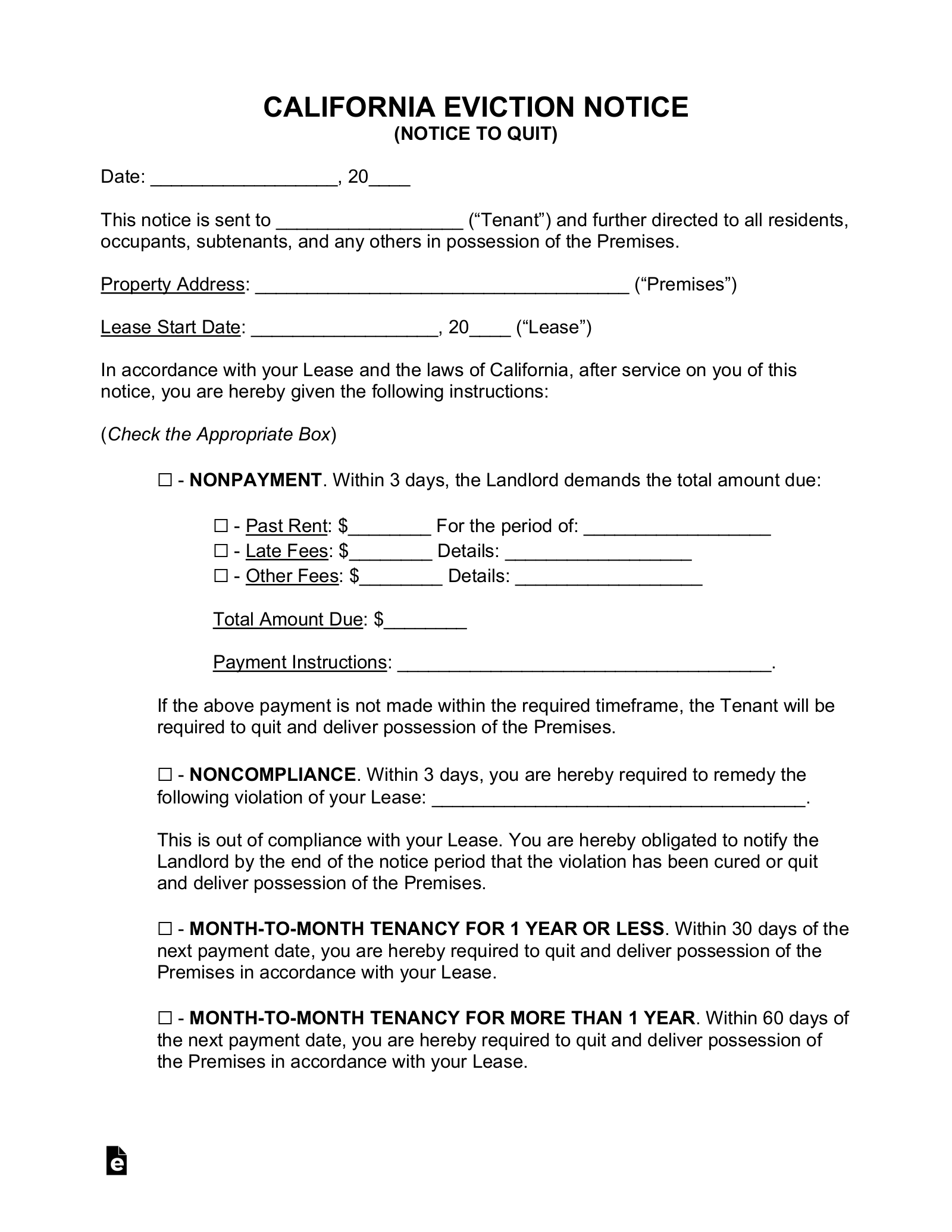
California law specifies several types of notices, each tailored to different eviction scenarios:
- 3-Day Notice to Pay Rent or Quit: This is used when a tenant has failed to pay rent. It demands that the tenant pay the overdue rent within three calendar days or vacate the property. The notice must specify the exact amount of rent due, the period for which it is due, and the name and address of the person to whom the rent should be paid.
- 3-Day Notice to Perform Covenants or Quit: This notice is served when a tenant has violated a term of the lease other than non-payment of rent, and the violation is curable. Examples include unauthorized pets, excessive noise, or minor property damage. It gives the tenant three calendar days to correct the breach or vacate the property. The notice must clearly describe the violation and state what actions the tenant must take to cure it.
- 3-Day Notice to Quit: This is a non-curable notice used for severe lease violations that cannot be remedied. This includes serious breaches such as engaging in illegal activity on the premises, causing substantial damage to the property, or creating a severe nuisance. This notice does not offer the tenant an opportunity to fix the problem; it simply demands they vacate within three calendar days.
- 30-Day or 60-Day Notice to Quit: These notices are typically used for “no-fault” evictions or for terminating a month-to-month tenancy without cause in areas not covered by just cause eviction laws (or when a just cause eviction is based on a “no-fault” reason).
- A 30-Day Notice to Quit is generally used for tenancies where the tenant has resided in the property for less than one year.
- A 60-Day Notice to Quit is required for tenancies where the tenant has resided in the property for one year or more.
- It is crucial to remember that in jurisdictions with just cause eviction ordinances (including statewide under AB 1482), these notices can only be used if there is a just cause (even if it’s no-fault, like owner move-in) and specific relocation assistance might be required.
- 90-Day Notice to Quit: This extended notice period is specifically required for tenants participating in the Section 8 housing choice voucher program. Landlords must provide a 90-day notice when terminating the tenancy, even if the reason is at-fault.
Each notice must be precisely drafted, containing specific information required by law, and landlords must strictly adhere to the designated notice periods.
Ensuring Valid Service of Notice
Beyond drafting the correct notice, the method of serving the notice to the tenant is equally critical. Improper service can invalidate the notice, forcing the landlord to restart the process and potentially face delays. California law outlines three primary methods for valid service:
- Personal Service: The notice is physically handed directly to the tenant. This is the preferred method as it provides the strongest proof of service.
- Substituted Service: If the tenant is not home or avoids personal service, the notice can be left with a person of suitable age and discretion at the tenant’s residence or usual place of business. A copy must also be mailed to the tenant via first-class mail.
- Post and Mail: If neither personal nor substituted service is possible after diligent attempts, the notice can be conspicuously posted on the property (e.g., on the front door) and a copy mailed to the tenant via first-class mail.
For substituted service and post and mail, the three-day (or other specified) notice period does not begin until the day after both the posting/leaving and the mailing have occurred. It is highly recommended that landlords keep detailed records of service, including the date, time, and method, and ideally have a neutral third party (like a process server) perform the service to avoid accusations of bias or improper procedure.
Initiating the Legal Process: The Unlawful Detainer Lawsuit
If a tenant fails to comply with the demands of the eviction notice (e.g., pays rent, cures the breach, or vacates the property) within the specified timeframe, the landlord must then initiate a formal legal proceeding called an Unlawful Detainer (UD) lawsuit. This is the only legal way to evict a tenant in California and regain possession of the property. Self-help evictions, such as changing locks, removing the tenant’s belongings, or shutting off utilities, are illegal and can lead to severe penalties for the landlord. This phase transitions from a notice to an actual lawsuit, a critical juncture for any landlord of accommodation seeking to protect their investment.
Filing the Complaint and Serving the Summons
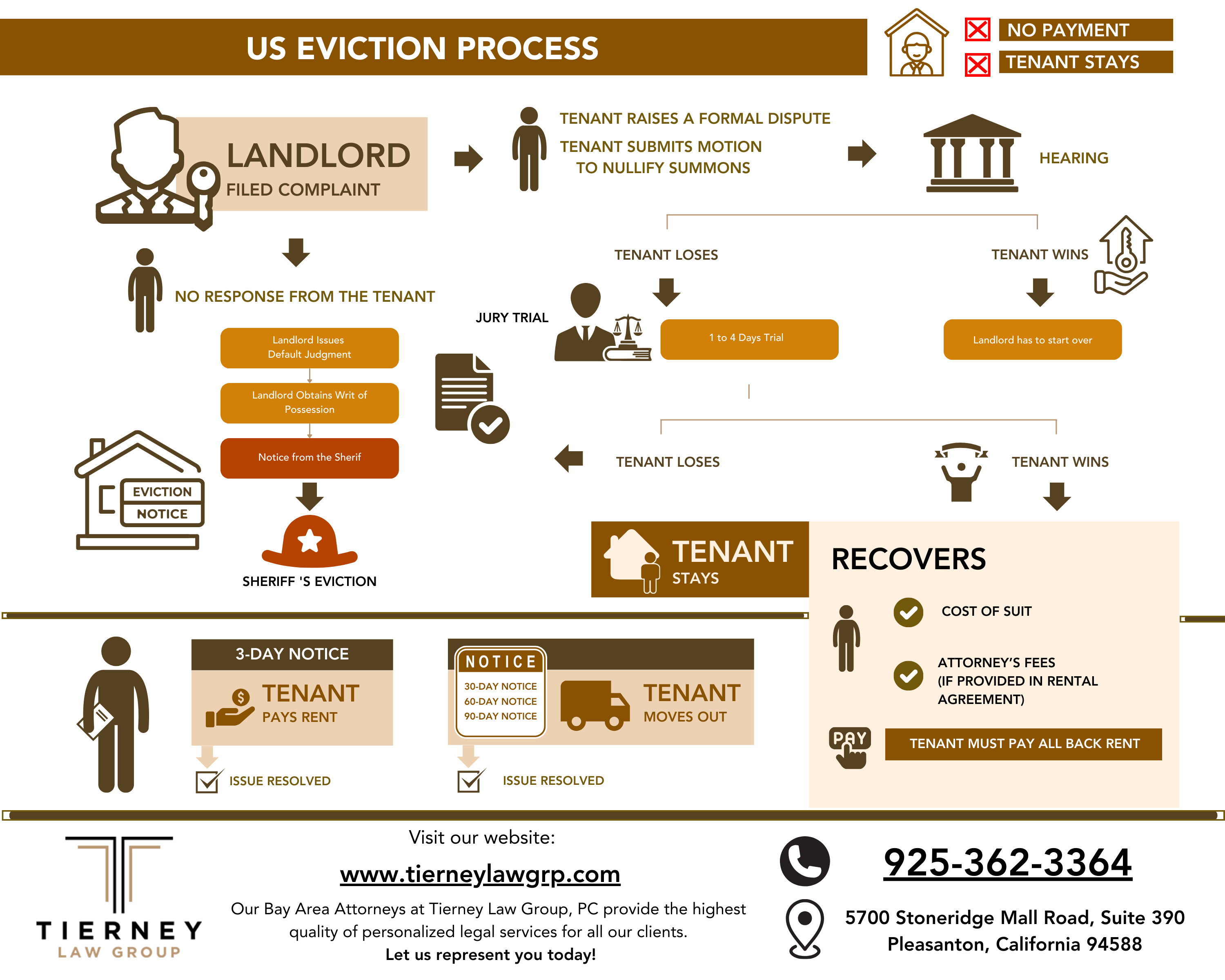
The Unlawful Detainer lawsuit begins when the landlord, or their attorney, files an Unlawful Detainer Complaint with the superior court in the county where the rental property is located. The Complaint details the reasons for eviction, the history of the tenancy, the notice served, and the relief sought (possession of the property, unpaid rent, damages, etc.).
Once the Complaint is filed, the court clerk issues a Summons. Both the Summons and the Complaint must then be formally served on the tenant. Similar to the initial eviction notice, proper service of the Summons and Complaint is crucial. This must typically be done by a registered process server, the sheriff, or a disinterested party over the age of 18. The methods of service are generally similar to those for eviction notices, with personal service being the most effective. The tenant usually has five calendar days to respond to the Summons and Complaint if served personally (excluding court holidays and weekends). This tight deadline underscores the expedited nature of UD actions.
Tenant Response and Potential Outcomes
Upon receiving the Summons and Complaint, the tenant has several options for response:
- Answer: The most common response, where the tenant formally responds to each allegation in the Complaint, presents their defenses, and may raise counterclaims.
- Demurrer: The tenant argues that even if all the facts in the Complaint are true, they do not constitute a legal basis for eviction.
- Motion to Quash Service: The tenant argues that the Summons and Complaint were not properly served. If successful, the landlord would have to re-serve the documents, delaying the process.
If the tenant fails to file a timely response, the landlord can request a Default Judgment. This means the court rules in favor of the landlord by default, without a trial, and the landlord can then proceed to obtain a Writ of Possession. However, if the tenant files an Answer, the case will proceed to trial.
From Trial to Enforcement: Securing a Writ of Possession
Should the tenant file an Answer, the Unlawful Detainer lawsuit will move through the court system, culminating in either a settlement or a trial. This phase determines the legal right to the property’s possession and can be the most time-consuming and emotionally taxing part of the eviction process, emphasizing the importance of legal expertise in accommodation disputes.
Preparing for Trial and Seeking a Judgment
Unlawful Detainer cases are expedited civil actions in California courts. Before trial, there might be limited discovery, where both sides exchange information and evidence. Landlords must be prepared to present all relevant documentation, including the lease agreement, all notices served, proof of service, rent ledgers, photographs of damage, and any other evidence supporting their claim for eviction. Tenants, in turn, may present defenses such as retaliatory eviction, discrimination, improper notice, habitability issues, or that the landlord accepted rent after the notice expired (which can sometimes waive the notice).
Many UD cases are settled before trial through negotiation or mediation. If a settlement is reached, it typically results in a stipulated judgment, where both parties agree to terms, such as a move-out date and payment arrangements. If no settlement is reached, the case proceeds to trial. Unlawful Detainer trials can be heard by a judge or, less commonly, by a jury. After hearing all evidence and arguments, the court will issue a judgment. If the judgment is in favor of the landlord, it will confirm their right to possession of the property and often award them unpaid rent and court costs.
The Final Stage: Sheriff Enforcement and Lockout
Even with a judgment in hand, a landlord cannot physically remove a tenant themselves. The final, legally authorized step to regain possession of the property is through the enforcement of a Writ of Possession by the county sheriff.
After receiving a judgment for possession, the landlord must request the court to issue a Writ of Possession. This document is a court order directing the sheriff to remove the tenant from the property. The landlord then delivers the Writ to the local county sheriff’s department for enforcement. The sheriff’s department will typically post a “Notice to Vacate” on the tenant’s door, giving the tenant a final five-day warning to move out voluntarily. If the tenant still fails to vacate within these five days, the sheriff will return to the property and physically remove the tenant and their belongings, changing the locks (this is known as a “lockout”). This is the only legal way to force a tenant to leave the premises. Any attempt by the landlord to bypass the sheriff and engage in self-help eviction tactics will result in severe legal consequences.
Beyond the Eviction: Essential Post-Procedure Considerations
The eviction process doesn’t simply end when the tenant leaves the property. Landlords have ongoing legal obligations and practical considerations even after the lockout. Addressing these final steps correctly helps to prevent future legal challenges and ensures a clean transition for the property, especially relevant for those managing accommodation properties for new occupants or future long-term stay guests.
Managing Security Deposits and Abandoned Property
California law has strict rules regarding the handling of a tenant’s security deposit. Within 21 calendar days after the tenant vacates the property, the landlord must either return the full security deposit or provide the tenant with an itemized statement detailing any deductions for unpaid rent, cleaning, or damages beyond normal wear and tear. Any remaining portion of the deposit, along with receipts for deductions, must also be sent to the tenant within this 21-day period. Failure to comply can result in the landlord forfeiting their right to withhold any portion of the deposit and potentially being liable for statutory damages.
If a tenant leaves personal property behind after a lockout, the landlord cannot simply dispose of it. California law requires landlords to follow specific procedures for handling abandoned property. The landlord must provide the former tenant with written notice, typically by certified mail, describing the abandoned property and stating where it can be claimed. The tenant generally has 15-18 days to reclaim their belongings. If the estimated value of the property is below a certain threshold (currently $700), the landlord can dispose of it or keep it if the tenant doesn’t claim it. If the value exceeds the threshold, the landlord must sell the property at a public auction and can deduct costs from the sale proceeds. Any remaining funds must be turned over to the county treasurer.
The Importance of Legal Counsel and Avoiding Common Pitfalls
Given the intricate and often unforgiving nature of California’s eviction laws, seeking experienced legal counsel is not merely advisable but often essential. An attorney specializing in landlord-tenant law can guide landlords through each stage, ensure compliance with all state and local regulations, draft accurate notices and court documents, and represent them in court. This expertise can prevent costly mistakes, expedite the process, and ultimately save the landlord time, money, and stress.
Common pitfalls landlords often encounter include:
- Improper Notice: Errors in the content, timing, or service of the initial eviction notice.
- Illegal Self-Help Eviction: Attempting to remove a tenant without a court order and sheriff enforcement.
- Failure to Comply with Local Ordinances: Overlooking specific rent control or just cause eviction laws unique to the city or county.
- Retaliation or Discrimination: Evicting a tenant for exercising their legal rights or based on a protected characteristic can lead to severe penalties.
- Inadequate Documentation: Lack of clear records for rent payments, communication with the tenant, or property condition.
Eviction in California is a strictly regulated legal process, designed to protect tenant rights while providing a structured pathway for landlords to regain their property when necessary. By understanding the laws, meticulously following each step, and seeking professional guidance, landlords can navigate this challenging terrain effectively and legally. This meticulous approach ensures not only compliance but also the smooth operation and management of valuable accommodation assets in a competitive market like California.
LifeOutOfTheBox is a participant in the Amazon Services LLC Associates Program, an affiliate advertising program designed to provide a means for sites to earn advertising fees by advertising and linking to Amazon.com. Amazon, the Amazon logo, AmazonSupply, and the AmazonSupply logo are trademarks of Amazon.com, Inc. or its affiliates. As an Amazon Associate we earn affiliate commissions from qualifying purchases.