
Navigating the vibrant landscapes and bustling cities of California offers an unparalleled experience, whether you’re embarking on a scenic road trip along the Pacific Coast Highway, exploring the iconic attractions of Los Angeles, or immersing yourself in the cultural tapestry of San Francisco. For residents and long-term visitors alike, maintaining a valid driver’s license is not just a legal requirement but a fundamental aspect of enjoying the freedom and flexibility that comes with personal transportation. A valid license is your key to accessing everything from hidden natural gems to world-class hotels and resorts, ensuring seamless travel and unforgettable adventures.
The California Department of Motor Vehicles, commonly known as the DMV, oversees the process of driver’s license issuance and renewal. While the thought of dealing with government agencies can sometimes feel daunting, extending your California driver’s license is a straightforward process designed to be as convenient as possible for eligible individuals. This comprehensive guide will walk you through everything you need to know, from eligibility requirements and step-by-step instructions to essential documents and special considerations, ensuring you remain road-ready to explore all that the Golden State has to offer. Understanding these procedures is crucial for anyone planning to drive, rent a car for travel, or simply use their license as a primary form of identification for various accommodation bookings or lifestyle activities across the United States.
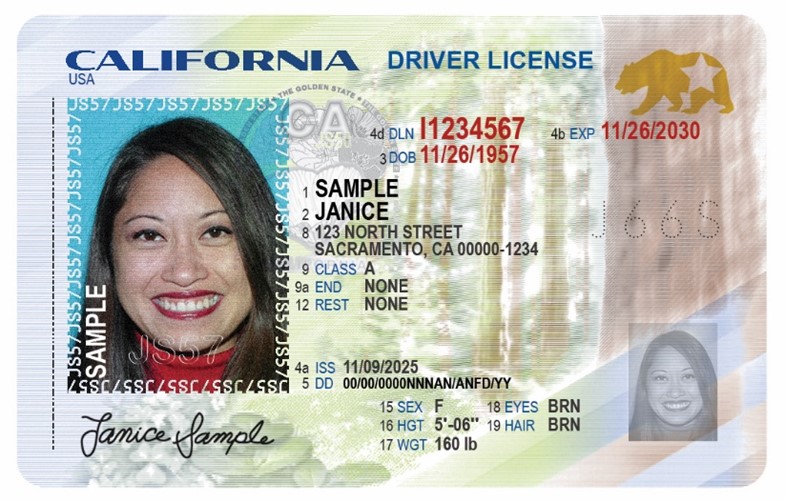
Understanding California Driver’s License Renewal Eligibility
Before you begin the renewal process, it’s essential to determine your eligibility, as this will dictate whether you can renew online, by mail, or if an in-person visit to a DMV office is required. The DMV typically sends out a renewal notice about two months before your license expires, providing crucial information about your eligibility and the available renewal methods. This notice is a vital piece of communication that helps drivers plan their next steps, preventing any lapse in their driving privileges that could interrupt travel plans or daily routines.
Who Qualifies for Online or Mail Renewal?
The convenience of renewing your driver’s license online or by mail is a significant advantage for many California residents, particularly those who lead busy lives or are traveling within the United States when their renewal is due. You are generally eligible for these remote renewal options if you meet specific criteria:
- No Changes to Personal Information: Your name, address, and physical description must be the same as what is currently on file with the DMV. Any changes, such as a new address due to moving to a different city like San Diego or a name change, would typically necessitate an in-person visit.
- No Previous Online/Mail Renewals for a Certain Period: The DMV generally allows two consecutive renewals by mail or online. After two remote renewals, you will likely be required to visit a DMV office for an in-person renewal, which often includes a new photograph and a vision test. This ensures that the physical details on your license remain up-to-date and accurate.
- Age Requirements: If you are under 70 years old, you are usually eligible for remote renewal. Drivers 70 years or older are typically required to renew in person to undergo a vision test and possibly a knowledge test, reflecting the DMV’s commitment to road safety for older adults.
- Clean Driving Record: Your license should not be suspended, revoked, or on probation. Any issues with your driving record will likely prevent remote renewal and require an in-person consultation with the DMV.
- Not a First-Time REAL ID Applicant: If you are applying for a REAL ID compliant driver’s license for the first time, you must complete the process in person at a DMV office, even if you could otherwise renew remotely. The REAL ID requires enhanced verification of identity and residency, making an in-person appearance mandatory.
Meeting these conditions simplifies the renewal process, allowing you to quickly update your license and continue with your travel plans, whether it’s an extended stay at a resort in Palm Springs or a business trip requiring car rental.
When In-Person Renewal is Mandatory
While remote renewal offers considerable convenience, certain situations necessitate a visit to a DMV field office. These requirements are in place to ensure the accuracy and security of your driver’s license and to maintain public safety on California’s roads.
- First-Time REAL ID Application: As mentioned, if you’re upgrading to a REAL ID for the first time, an in-person visit is non-negotiable. This involves presenting original documents for identity, residency, and social security verification. The REAL ID is crucial for air travel within the United States and accessing federal facilities starting in May 2025, making it an important consideration for many travelers.
- Drivers Age 70 and Older: For enhanced safety and to ensure continued driving competency, individuals aged 70 and above must renew their license in person. This typically includes a mandatory vision test and may also require a written knowledge test.
- Changes to Personal Information: Any changes to your name (e.g., due to marriage or legal change), gender, or physical description require an in-person visit to update your record and have a new photo taken. This ensures your license accurately reflects your current identity.
- License Expired for an Extended Period: If your license has been expired for more than a certain period (e.g., often exceeding 90 days or one year, depending on specific DMV policy), you may be required to restart the application process, which includes an in-person visit, knowledge test, and potentially a driving test.
- Suspended, Revoked, or Probational License: Drivers with a problematic driving history must address these issues in person with the DMV to reinstate or renew their license.
- Refused Remote Renewal by DMV: In some cases, the DMV may determine that an in-person visit is necessary for reasons not explicitly listed, often indicated in your renewal notice.
Planning for an in-person visit, especially if you’re traveling, means factoring in travel time to the DMV office, potential wait times, and making an appointment, which is highly recommended to minimize delays. The DMV website provides a convenient appointment scheduling tool for offices across California, from Sacramento to San Diego.
The Step-by-Step Process for Renewing Your California Driver’s License
Once you’ve determined your eligibility, the next step is to execute the renewal process. The DMV offers multiple avenues to extend your license, each designed with different levels of convenience and specific requirements in mind. Choosing the right method based on your eligibility and personal circumstances can save you time and effort, ensuring a smooth transition to your newly renewed license.
Renewing Online: Convenience at Your Fingertips
For eligible individuals, renewing your California driver’s license online is the quickest and most convenient option. It allows you to complete the entire process from the comfort of your home, a hotel room during your travels, or any location with internet access, avoiding the need to visit a physical DMV office.
- Receive Your Renewal Notice: The DMV will mail a renewal notice (form DL 44) to your address on file approximately two months before your license expires. This notice will indicate if you are eligible for online renewal.
- Access the DMV Online Portal: Visit the official California DMV website and navigate to the online driver’s license renewal section. You will need your driver’s license number, date of birth, and the last four digits of your Social Security number to log in.
- Complete the Online Application: Follow the prompts to fill out the electronic renewal application. This typically involves confirming your personal information, answering a few eligibility questions, and self-certifying your vision (unless you are 70 or older, in which case an in-person vision test is required).
- Pay the Renewal Fee: The system will guide you through the payment process. You can typically use a credit or debit card for the renewal fee. Be sure to check the current fee schedule on the DMV website, as fees can change.
- Receive Confirmation: Upon successful completion and payment, you will receive a confirmation message or email. Your new license card will be mailed to your address on file within a few weeks. You may receive a temporary paper license via email that you can print and use until your permanent card arrives, valid for a specific period (e.g., 60-90 days). This temporary license is especially useful for those who might need to rent a car or use their license for identification while waiting for the permanent card.
Renewing by Mail: Traditional and Reliable
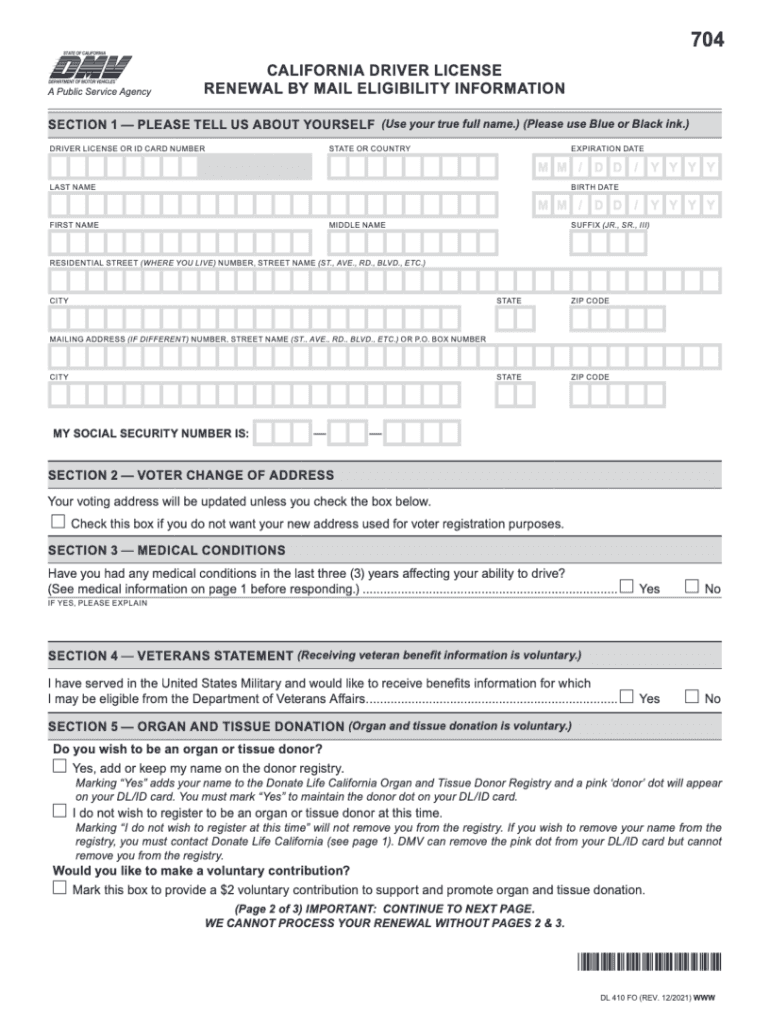
Renewing by mail is another remote option for those eligible, particularly useful if you prefer a physical paper trail or if online access is not readily available. This method offers a reliable alternative to online renewal, especially for those who might be on an extended vacation or living in areas with limited internet connectivity.
- Receive and Review Your Renewal Notice: Just like with online renewal, the DMV will send you a paper renewal notice (DL 44 form). This form will clearly state if you are eligible to renew by mail and will contain a scannable barcode unique to your license.
- Fill Out the DL 44 Form: Carefully read and complete all sections of the DL 44 form. This includes verifying your personal information, providing your signature, and answering medical questions. If you need to make any corrections or updates, refer to the instructions provided, as some changes might still require an in-person visit.
- Include Payment: Enclose a check or money order payable to the DMV for the appropriate renewal fee. Do not send cash through the mail. Write your driver’s license number on your check or money order to ensure it’s correctly applied.
- Mail Your Application: Place the completed DL 44 form and your payment in the provided return envelope (if included) or a standard envelope and mail it to the address specified on the form.
- Wait for Your New License: Similar to online renewal, your renewed license card will be mailed to you within a few weeks after the DMV processes your application. Keep your previous license and any proof of mailing until your new card arrives.
In-Person Renewal: When You Need to Visit the DMV
For those situations where remote renewal isn’t an option, an in-person visit to a DMV field office is required. While it may seem less convenient, making an appointment can significantly reduce your wait time, making the process much more manageable.
- Schedule an Appointment: It is highly recommended to schedule an appointment online through the DMV website. This can save you hours of waiting time, especially at popular locations in cities like San Francisco or Oakland.
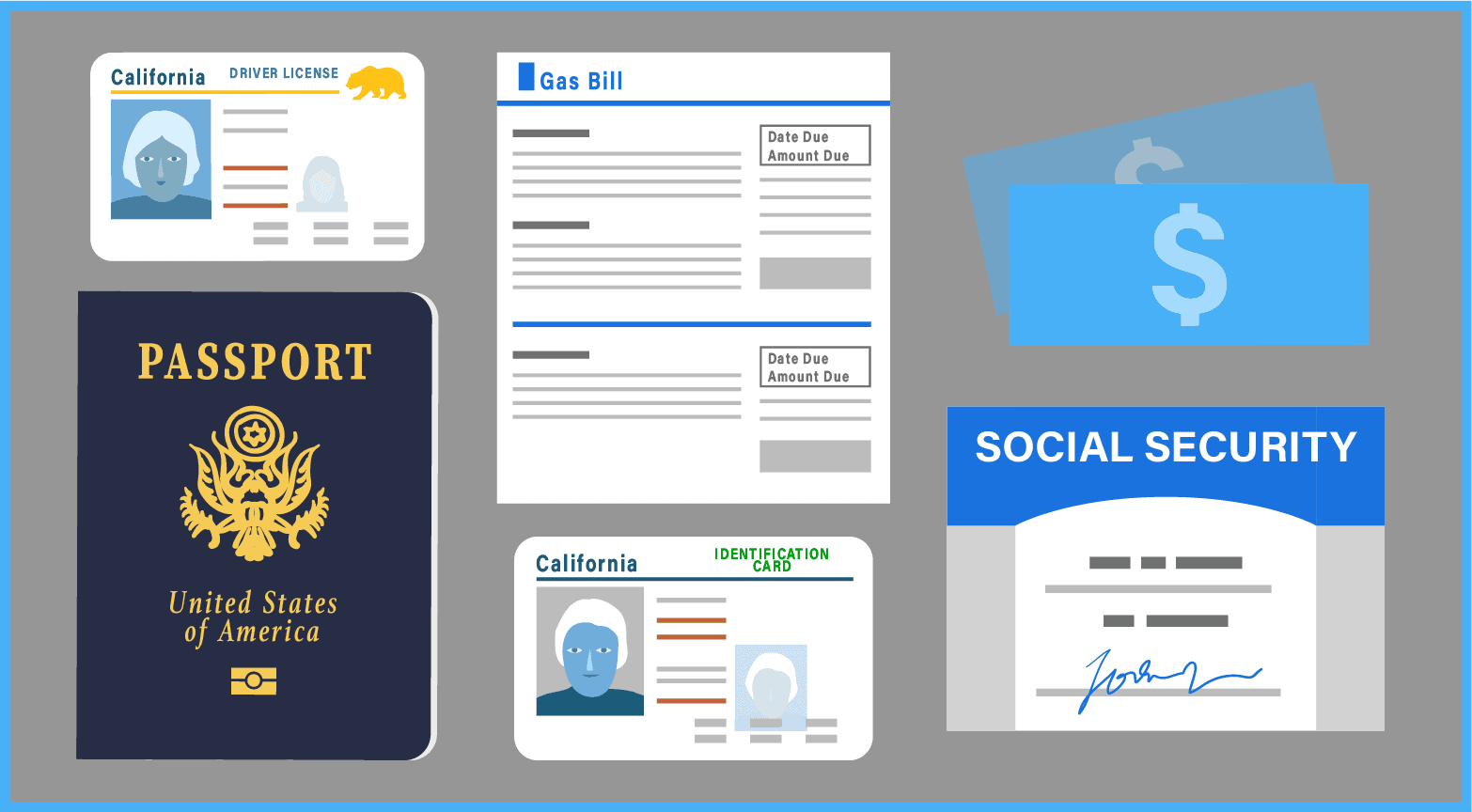
- Gather Required Documents: Prepare all necessary documents before your visit. This is especially crucial for REAL ID applicants, who will need proof of identity (e.g., U.S. passport, birth certificate), proof of Social Security number, and two proofs of California residency (e.g., utility bills, rental agreement for a long-term accommodation). For standard renewals, your renewal notice and existing license may suffice, but always bring additional identification if you have it.
- Visit the DMV Office: Arrive at your scheduled appointment time with all your documents. You will typically be required to:
- Submit Your Application: Present your renewal notice (DL 44 form, if you received one) or complete a new application.
- Pass a Vision Test: All in-person renewals require a vision test to ensure you meet the minimum visual acuity standards for driving.
- Take a New Photo: A new photograph will be taken for your updated license, so it’s a good idea to be prepared for this.
- Provide Fingerprints: Your thumbprint will be taken for identification purposes.
- Pay the Renewal Fee: Pay the required fee at the counter.
- Knowledge Test (If Required): If you are 70 or older, if your license has been expired for an extended period, or if the DMV deems it necessary, you may be required to pass a written knowledge test.
- Receive Temporary License: After successful completion, you will receive a temporary paper license that is valid until your permanent card arrives in the mail, usually within a few weeks. This temporary license is acceptable for driving and as identification within California.
Essential Documents and Fees for Renewal
Understanding the documentation and financial aspects of driver’s license renewal is key to a hassle-free experience. Preparing these items in advance will streamline your application, regardless of whether you renew online, by mail, or in person.
Required Identification and Proof of Residency
The documents you’ll need vary depending on your renewal method and if you are applying for a REAL ID.
- For Standard (Non-REAL ID) Renewals: Typically, your existing California driver’s license and the renewal notice (DL 44) are sufficient. You might not need additional proof of residency if your address hasn’t changed.
- For First-Time REAL ID Applications: This requires more extensive documentation to comply with federal security standards. You will need:
- Proof of Identity: An original or certified document such as a U.S. birth certificate, valid U.S. passport, or permanent resident card.
- Proof of Social Security Number (SSN): Your Social Security card, W-2 form, or a pay stub with your SSN.
- Two Proofs of California Residency: These can include utility bills (gas, electric, water), a rental or lease agreement (particularly useful for those on long-term accommodation bookings), mortgage statements, bank statements, or vehicle registration.
- Proof of Name Change (If Applicable): Marriage certificate, divorce decree, or court order showing a legal name change.
- For In-Person Renewals (General): Always bring your existing driver’s license and your renewal notice. Even if not specifically required, having a secondary form of identification (like a passport) can be beneficial.
It’s crucial to present original documents for REAL ID applications; photocopies are generally not accepted. The DMV website provides a comprehensive checklist of acceptable documents for a REAL ID, which is highly recommended to review before your visit.
Understanding Renewal Fees and Payment Options
The fee for renewing a non-commercial Class C California driver’s license is subject to change, so always verify the current amount on the official DMV website or your renewal notice.
- Current Fee: As of the last update, the fee for a standard driver’s license renewal is typically around $39. However, this can fluctuate, and specific license types (e.g., commercial licenses, motorcycle endorsements) may have different fees.
- Payment Options:
- Online: Credit cards (Visa, Mastercard, Discover, American Express) and debit cards are accepted.
- By Mail: Check or money order payable to the DMV. Do not send cash.
- In Person: Cash, checks, money orders, debit cards, and credit cards are usually accepted at DMV field offices.
Be aware that additional fees may apply for certain services, such as replacing a lost or stolen license, or for special endorsements. Always budget for the correct amount to avoid delays in processing your renewal.
Special Considerations for Travelers and Long-Term Visitors
For those who frequently travel, work remotely, or are on extended stays in California, understanding specific renewal scenarios is paramount. A valid driver’s license is not just for driving; it’s a primary form of identification crucial for booking hotels, accessing tourist attractions, and even sometimes for business-related travel.
Out-of-State Renewals and Military Personnel
- Out-of-State Residents: If you are a California resident temporarily living or traveling outside the state when your license expires, you might still be able to renew by mail or online, provided you meet the general eligibility requirements. Ensure your mailing address on file with the DMV is current or make arrangements for your new license to be sent to a trusted California address. Some specific situations may allow for an extension if you cannot return to [California](https://lifeoutofthebox.com/california] in time.
- Military Personnel: Members of the U.S. Armed Forces deployed outside California may have special provisions for renewing their driver’s license. The DMV often grants extensions for active-duty military personnel and their dependents, allowing their licenses to remain valid for a specified period after their return to the state, even if expired. It’s crucial to consult the DMV website for the most up-to-date information regarding military waivers and extensions. These provisions are particularly helpful for those serving abroad, ensuring they maintain their driving privileges without needing to return to California solely for renewal.
International Drivers and California Residency
- International Visitors: Tourists and visitors with a valid driver’s license from their home country can generally drive in California for a limited period (e.g., up to one year) without obtaining a California license. An International Driving Permit (IDP) is recommended as a translation of their foreign license but is not a substitute for it. For longer stays or if they become a California resident (e.g., by establishing residency for work or long-term accommodation), they will eventually need to apply for a California driver’s license, which is a new application process, not a renewal.
- Establishing Residency: If you are a visitor or immigrant who has established residency in California, you are generally required to obtain a California driver’s license within 10 days of establishing residency. This involves taking a knowledge test, vision test, and possibly a driving test, similar to a first-time driver, and presenting comprehensive proof of identity and residency, including documents like utility bills from a new apartment or a lease agreement for a villa in Napa Valley. This is a critical step for anyone planning an extended lifestyle in the state.
Maintaining Your Driving Privileges and Exploring California Safely
A valid driver’s license is more than just a piece of plastic; it’s an emblem of your freedom and responsibility on the road. For residents and travelers exploring California, maintaining an up-to-date license is paramount for seamless journeys, whether you’re navigating the urban sprawl of San Jose, venturing into the majestic landscapes of Yosemite National Park, or enjoying the coastal drives towards Santa Barbara. An expired license can lead to fines, difficulties with car rentals, and even issues with identification at hotels or other travel-related services.
Proactive management of your driver’s license renewal ensures that your adventures across California’s diverse attractions remain uninterrupted. Always keep an eye on your expiration date and respond promptly to renewal notices from the DMV. Utilizing the online tools and resources provided by the DMV can make the process quick and efficient, freeing you up to focus on planning your next great California experience.
In conclusion, extending your driver’s license in California is a manageable task once you understand the eligibility requirements and procedural steps. By staying informed and preparing ahead of time, you can ensure your driving privileges are continuously valid, allowing you to fully embrace the vibrant lifestyle, stunning landmarks, and unparalleled travel opportunities that the Golden State offers, from its world-renowned tourism destinations to its luxurious accommodation options. Drive safely, and enjoy every mile of your California journey!
LifeOutOfTheBox is a participant in the Amazon Services LLC Associates Program, an affiliate advertising program designed to provide a means for sites to earn advertising fees by advertising and linking to Amazon.com. Amazon, the Amazon logo, AmazonSupply, and the AmazonSupply logo are trademarks of Amazon.com, Inc. or its affiliates. As an Amazon Associate we earn affiliate commissions from qualifying purchases.