
Navigating the tax landscape of any state can seem like a daunting task, but understanding the specifics of taxation in Texas is crucial for both residents and visitors. Unlike many other states, Texas does not impose a state income tax. This is a significant draw for individuals and businesses alike, contributing to the state’s robust economic growth. However, this absence of income tax is compensated for by other forms of taxation, primarily sales and property taxes, which play a vital role in funding state and local services. This guide will delve into the intricacies of these taxes, providing clarity and practical insights for anyone looking to understand their tax obligations or advantages within the Lone Star State.
Understanding Texas Sales and Use Tax
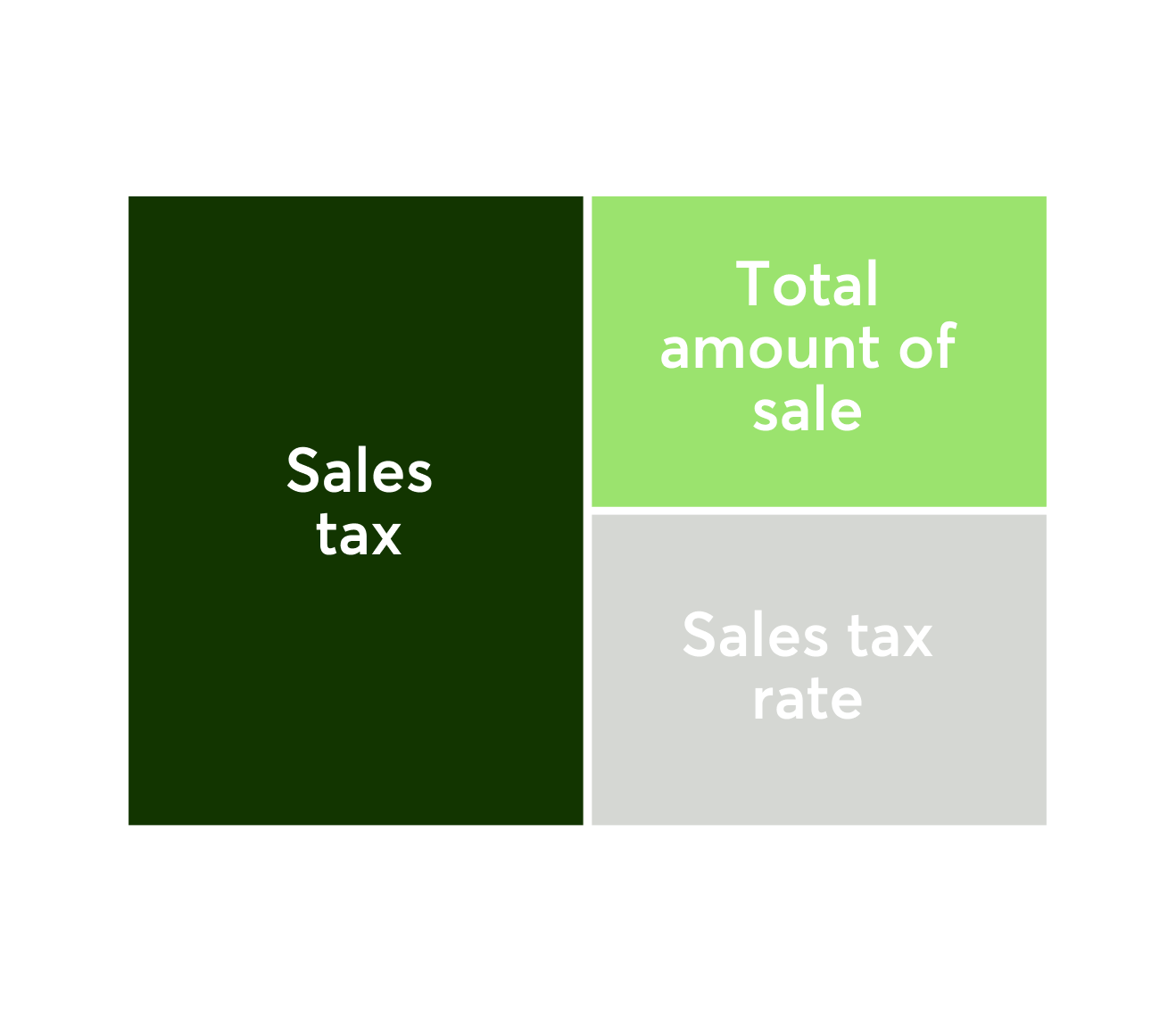
The cornerstone of Texas state revenue, aside from oil and gas severance taxes, is its sales and use tax. This tax applies to the retail sale of most tangible personal property and some services. For travelers, this means that purchases made within Texas will generally be subject to this tax, impacting the overall cost of goods and experiences.
State and Local Components
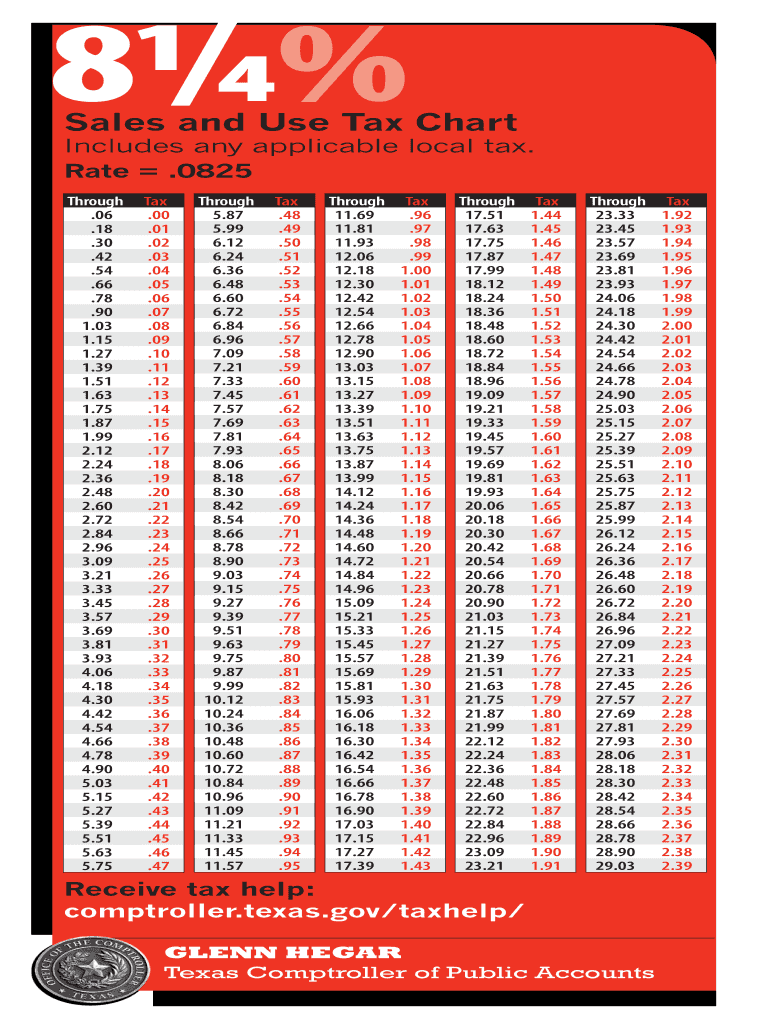
The state sales tax rate in Texas is currently 6.25%. However, this is not the final figure you’ll see on your receipt. Local taxing jurisdictions, including cities, counties, and special districts, are authorized to impose their own local sales and use taxes. These local rates can vary significantly, and when combined with the state rate, the total sales tax rate can reach up to 8.25% in some areas.
For instance, a purchase in Dallas might have a different total sales tax rate than one in Houston, even though both are major economic hubs. The combined rate is a sum of the state rate, the city rate, and any applicable metropolitan transit authority or special district taxes. It is essential to be aware of the specific local rates where you are shopping or enjoying services, as this will affect your total expenditure.
Taxable vs. Exempt Goods and Services
While most tangible goods are taxable, Texas does provide exemptions for certain necessities and services. Understanding these exemptions can lead to savings, particularly for longer stays or frequent visitors.
- Exemptions: Groceries (unprepared food for home consumption), prescription drugs, and certain medical devices are generally exempt from sales tax. Additionally, many services are not subject to sales tax, such as most professional services, repair services on real property, and educational services.
- Taxable Services: Certain services are taxable, which is an important distinction for travelers. These include amusement and recreation services, hotel occupancy, vehicle repair and maintenance, and telecommunication services. When booking accommodations at a resort or enjoying entertainment in San Antonio, expect these services to carry a sales tax burden.
- Prepared Food: While unprepared food is exempt, prepared food, such as that purchased at a restaurant or from a food truck, is generally taxable. This means dining out in Texas will include a sales tax on your meal.
Use Tax: The Complement to Sales Tax
Texas also imposes a use tax. This tax is designed to complement the sales tax and applies to tangible personal property that is purchased outside of Texas for use, storage, or consumption within the state, on which Texas sales tax was not paid. This is particularly relevant for online purchases or items brought into Texas from other states. The use tax rate is the same as the sales tax rate in the jurisdiction where the item is used. For example, if you purchase a souvenir online from a retailer in another state and have it shipped to your hotel in Austin, and sales tax wasn’t collected at the time of purchase, you may owe use tax to the state of Texas.
Property Tax in Texas
Property tax is a significant source of revenue for local governments in Texas, funding essential services such as public schools, law enforcement, and local infrastructure. Unlike sales tax, which primarily affects consumers, property tax is a burden on property owners.
How Property Tax is Assessed
In Texas, property taxes are levied on real property (land and buildings) and, in some cases, personal property. The amount of property tax you pay is determined by three main factors:
- Appraised Value: The county appraisal district determines the market value of your property. This appraisal is typically done annually.
- Assessed Value: For homesteads, there is a limit on how much the appraised value can increase each year (10% plus the value of new improvements), known as the homestead cap. This means your taxable value might be lower than the market value.
- Tax Rate (Millage Rate): Local taxing units (school districts, cities, counties, etc.) set their own tax rates. These rates are expressed in dollars per $100 of taxable value.
Property Tax Exemptions

Several property tax exemptions are available in Texas, which can reduce the taxable value of your property.
- Homestead Exemption: This is the most common exemption for homeowners. It reduces the appraised value of your primary residence by a set amount.
- Over-65 Exemption: Homeowners aged 65 or older can qualify for an additional exemption.
- Disability Exemption: Individuals with a qualifying disability can also receive an exemption.
- Veteran Exemptions: Disabled veterans and surviving spouses of disabled veterans may be eligible for various exemptions.
Understanding these exemptions is crucial for property owners to minimize their tax liability. For those considering purchasing property or renting long-term in Texas, researching the property tax rates and available exemptions in specific localities is a wise financial step.
Hotel Occupancy Tax (HOT)
For visitors staying in hotels, motels, and other lodging establishments, the Hotel Occupancy Tax (HOT) is a relevant consideration. This tax is levied on the rental of rooms in hotels and similar lodging facilities.
Structure of HOT
The Texas Hotel Occupancy Tax has two components: a state portion and a local portion.
- State Tax: The state HOT rate is 6%.
- Local Tax: Cities and counties are authorized to impose their own HOT rates, which can vary. The combined state and local rate cannot exceed 15%. This means that when booking a room at a boutique hotel in a popular tourist destination like Galveston, the total occupancy tax can be substantial.
Purpose of HOT Revenue
The revenue generated from the Hotel Occupancy Tax is specifically earmarked for promoting tourism and the hotel industry. A portion of the state HOT is used to fund the Texas Tourism Division, which works to attract visitors and promote the state as a travel destination. Local HOT revenues are typically used by cities and counties for tourism-related purposes, such as funding local convention and visitor bureaus, advertising attractions, and supporting cultural events. This makes HOT a vital tool for economic development within the state’s hospitality sector.
Navigating Tax Implications for Travelers and Businesses
The unique tax structure of Texas presents both opportunities and considerations for different groups.
For Tourists and Short-Term Visitors
- Sales Tax on Purchases: Be mindful of the sales tax on goods and services. While Texas does not tax income, the sales tax rate can add up, especially for significant purchases or during extensive travel. Researching the specific sales tax rates in popular destinations like Fort Worth or El Paso can help in budgeting.
- Hotel Occupancy Tax: Factor in the HOT when booking accommodations. This tax can significantly increase the cost of a hotel stay, particularly in major cities or tourist hotspots.
- No State Income Tax: The absence of state income tax is a major benefit. Visitors from states with high income taxes might find Texas an attractive place to visit or even establish a temporary base for extended trips.
For Long-Term Stays and Property Owners
- Property Tax Responsibility: If you are considering a long-term rental or purchasing property, understanding local property tax rates and the homestead exemption process is paramount. These taxes can be a significant recurring expense.
- Use Tax on Remote Purchases: Be aware of the use tax obligation on items purchased out-of-state for use in Texas without paying Texas sales tax.
For Businesses Operating in Texas
- Sales and Use Tax Collection: Businesses operating in Texas are responsible for collecting and remitting sales tax on taxable sales. Understanding which goods and services are taxable and at what rate is essential for compliance.
- No Income Tax Advantage: The lack of state income tax is a significant advantage for businesses, reducing overhead costs and potentially attracting investment. However, businesses must still comply with other state and federal tax regulations.
- Property Tax for Businesses: Businesses that own property in Texas are subject to property taxes, which are a considerable operating expense.
In conclusion, while Texas offers the appealing advantage of no state income tax, its reliance on sales, use, and property taxes means that a thorough understanding of these levies is crucial. Whether you are a tourist enjoying the vibrant culture of Texas, a business owner setting up operations, or a long-term resident, comprehending these tax mechanisms will allow for better financial planning and compliance. The key lies in recognizing that the absence of one tax is often offset by others, and awareness is the first step to navigating the financial landscape of the Lone Star State effectively.
LifeOutOfTheBox is a participant in the Amazon Services LLC Associates Program, an affiliate advertising program designed to provide a means for sites to earn advertising fees by advertising and linking to Amazon.com. Amazon, the Amazon logo, AmazonSupply, and the AmazonSupply logo are trademarks of Amazon.com, Inc. or its affiliates. As an Amazon Associate we earn affiliate commissions from qualifying purchases.