
Florida, renowned as the Sunshine State, draws millions of visitors annually with its pristine beaches, vibrant cities, and world-class attractions. From the theme parks of Orlando to the Art Deco splendor of Miami Beach, and the serene beauty of the Florida Keys, the state offers an unparalleled travel experience. However, even in such an idyllic setting, consumer issues can occasionally arise. Whether you’re a resident or a traveler enjoying a vacation, understanding how to address a dispute with a local business is crucial for safeguarding your rights and ensuring a fair resolution.
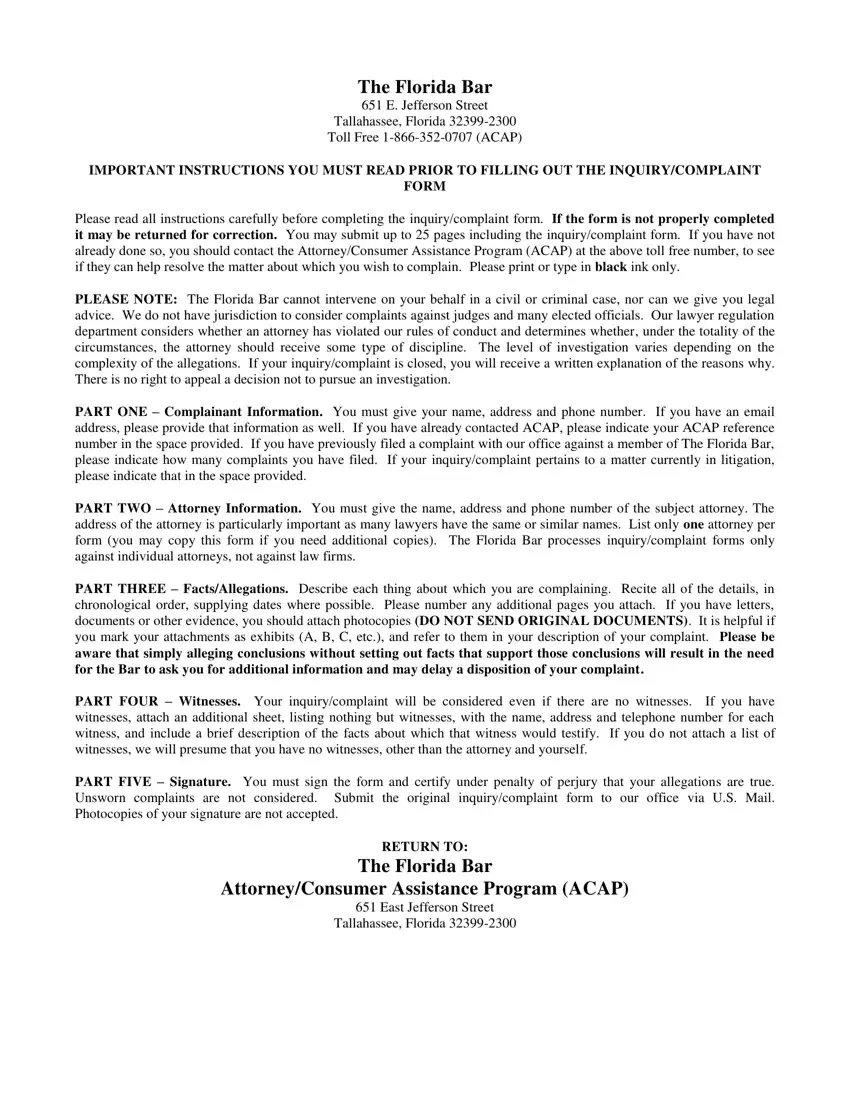
Navigating the complexities of consumer protection can be daunting, especially when you’re unfamiliar with local regulations or dealing with the frustrations of a negative experience. This comprehensive guide is designed to empower you with the knowledge and steps necessary to effectively file a complaint against a business in Florida, ensuring that your voice is heard and appropriate action can be taken.
Understanding Your Consumer Rights in the Sunshine State
Every consumer, whether purchasing a souvenir, booking a hotel, renting a car, or dining out, is entitled to certain protections. These rights are fundamental to a fair marketplace and are particularly important for travelers who might be in an unfamiliar environment.
Why Consumer Protection Matters for Travelers
For visitors to Florida, consumer protection takes on added significance. Issues with travel-related businesses—such as misrepresented hotel amenities, unexpected charges from a rental car company, a cancelled tour without proper refund, or dissatisfaction with an attraction’s service—can significantly impact a vacation experience. Knowing your rights ensures you aren’t taken advantage of and provides a pathway to recourse should problems occur. It’s about ensuring transparency, fairness, and accountability from the businesses you interact with.
Key Regulatory Bodies in Florida
Florida has a robust framework for consumer protection, primarily overseen by state and federal agencies. Understanding which body handles what type of complaint is the first step toward resolution. The primary state agency is the Florida Department of Agriculture and Consumer Services, which fields a wide array of consumer grievances. Beyond this, industry-specific regulations exist, particularly relevant to travel and hospitality, and federal agencies may also have jurisdiction depending on the nature of the business or complaint.
Initial Steps Before Filing a Formal Complaint
Before you escalate your issue to a governmental agency or third-party mediator, there are crucial preliminary steps that can often resolve the matter quickly and efficiently. These steps also build a strong foundation for any formal complaint you might eventually file.
Direct Communication with the Business
The most straightforward and often most effective first step is to communicate directly with the business. Many issues stem from misunderstandings or isolated incidents that management is keen to rectify to preserve their reputation.
- Identify the problem clearly: Be specific about what went wrong, including dates, times, and specific individuals involved if possible.
- Gather relevant documentation: Have your receipts, booking confirmations, contracts, emails, photos, or any other proof readily available.
- Contact the right person: Start with front-line staff, but if the issue isn’t resolved, ask to speak with a manager or owner.
- State your desired resolution: Clearly articulate what you expect as a solution, whether it’s a refund, a credit, a replacement service, or an apology.
- Maintain a calm and professional demeanor: While frustrating, an emotional approach can hinder resolution.
Always document your communications, including the date, time, who you spoke with, what was discussed, and any promises made. This record will be invaluable if further action is needed.
Gathering Essential Information
Should direct communication fail, the strength of your formal complaint will hinge on the thoroughness of your documentation. Before proceeding, ensure you have:
- Proof of purchase: Receipts, invoices, booking confirmations.
- Dates and times: When the incident occurred, when you contacted the business, etc.
- Names of employees involved: If applicable.
- Detailed description of the problem: What happened, the specific product or service, the financial loss or inconvenience.
- Evidence: Photos, videos, emails, written correspondence, witness statements.
- Desired resolution: What outcome you are seeking.
The more comprehensive your evidence, the stronger your case will be with any regulatory body.
When to Escalate
You should consider escalating your complaint if:
- The business is unresponsive to your attempts at communication.
- The business refuses to acknowledge the problem or denies responsibility without justification.
- The proposed resolution is unsatisfactory or unfair.
- You suspect fraudulent activity or a systemic issue that impacts other consumers.
At this point, it’s time to turn to external channels designed to mediate or enforce consumer rights.
Official Avenues for Filing a Complaint in Florida
Once you’ve exhausted direct communication, several official bodies are equipped to help you address your complaint. The most suitable agency depends on the nature of the business and the specific issue.
The Florida Department of Agriculture and Consumer Services (FDACS)
This is the primary state agency for consumer protection in Florida. The FDACS mediates complaints, investigates deceptive and unfair trade practices, and provides consumer education. They handle a broad range of issues, from pricing discrepancies to issues with services, and are often the first point of contact for general consumer complaints.
How to File: You can file a complaint online through their official website, by mail, or by phone. The online portal is usually the most efficient method, guiding you through the required information and documentation.
The Better Business Bureau (BBB)
While not a government agency, the Better Business Bureau is a non-profit organization that helps resolve disputes between consumers and businesses. Businesses often strive to maintain a good BBB rating, making them more inclined to resolve complaints filed through this channel. The BBB facilitates mediation and works to achieve a mutually agreeable solution.
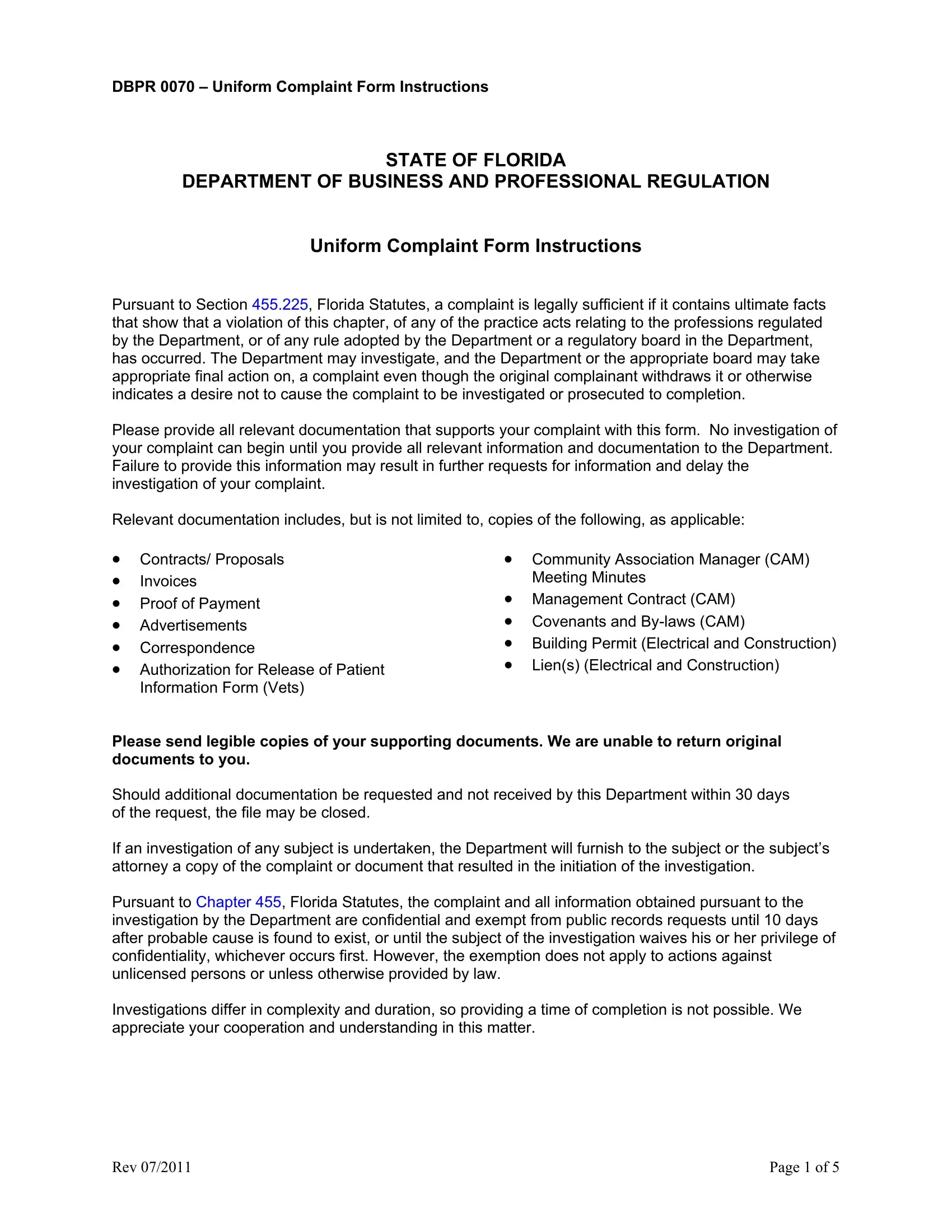
How to File: Complaints can be filed online through the BBB website for the specific region in Florida where the business is located.
Federal Agencies (for Specific Industries)
Certain types of businesses fall under federal jurisdiction. For travelers, these are particularly relevant:
- Department of Transportation (DOT): For complaints against airlines concerning baggage, flight delays, cancellations, discrimination, or advertising.
- Federal Trade Commission (FTC): For broader issues like fraud, identity theft, or deceptive marketing practices that may cross state lines.
If your complaint pertains to these areas, filing directly with the relevant federal agency can be more effective.
Attorney General’s Office
The Florida Attorney General’s Office primarily handles larger patterns of fraud, scams, or unfair and deceptive trade practices that affect a significant number of consumers. While they may not intervene in individual disputes, reporting severe or systemic issues to their office is vital, as it can contribute to broader investigations and enforcement actions.
How to File: Complaints can typically be submitted through the Attorney General’s website.
Industry-Specific Complaints for Travelers
Given the focus on travel, understanding specific channels for common travel-related complaints is highly beneficial.
Airlines and Transportation
If you encounter issues with an airline (e.g., lost luggage, denied boarding, significant delays, misrepresentation of fares), the U.S. Department of Transportation (DOT) is the authoritative body. For rental cars, problems might include hidden fees, vehicle damage disputes, or poor service. Initially, complain to the rental company’s corporate office. If unresolved, FDACS or the BBB can assist.
Hotels and Accommodation Providers
Complaints regarding hotels, motels, resorts, or other lodging often involve issues like cleanliness, undisclosed fees, booking discrepancies, or failure to deliver promised amenities. First, contact hotel management or the corporate office. If they are unresponsive or uncooperative, FDACS or the BBB are appropriate next steps. Ensure you have photos or video evidence if the complaint relates to the physical condition of the property.
Tour Operators and Attractions
Whether it’s a theme park, a guided tour, or a local excursion, issues can range from misrepresentation of services to safety concerns or unfair cancellation policies. Contact the tour operator or attraction’s customer service. If the matter remains unresolved, file a complaint with FDACS. For larger attractions or chains, the BBB can also be a valuable resource.
Vacation Rentals and Timeshares
Vacation rentals (e.g., through platforms like Airbnb or VRBO) and timeshares have unique complaint mechanisms. For rentals, first communicate with the host/owner and the booking platform’s customer service. If issues persist, FDACS or the BBB might be necessary. Timeshare complaints, often complex, can sometimes involve specialized consumer protection groups or legal counsel, in addition to FDACS, due to the contractual nature.
What to Expect After Filing a Complaint
Filing a formal complaint is a process, and understanding what happens next can help manage your expectations.
The Investigation Process
Once you file a complaint with FDACS or another agency, they typically:
- Review your submission: They assess the details and documentation provided.
- Contact the business: The agency will usually notify the business of the complaint and request their response or action.
- Mediation: Many agencies, particularly FDACS and the BBB, aim to mediate a resolution between you and the business.
- Investigation: For more serious or systemic issues, the agency may conduct a full investigation, which can involve collecting more evidence, interviewing witnesses, and reviewing business practices.
This process can take time, sometimes several weeks or even months, depending on the complexity of the case and the responsiveness of the parties involved.
Potential Outcomes
The outcome of your complaint can vary:
- Resolution: The business may offer a refund, credit, apology, or rectify the service.
- Mediation success: A mutually agreeable solution is reached through the agency’s efforts.
- Enforcement action: In cases of severe or repeated violations, agencies might issue warnings, fines, or take legal action against the business.
- No resolution: Not all complaints lead to your desired outcome. The agency might find insufficient evidence, or the business may refuse to cooperate, even with mediation. In such cases, you might explore small claims court or legal advice.

Managing Expectations
It’s important to approach the complaint process with realistic expectations. While agencies strive for fairness, they cannot guarantee a specific outcome, especially a full refund or punitive damages. Their primary goal is to facilitate resolution and ensure compliance with consumer protection laws. Be patient, provide all requested information promptly, and keep an open mind to possible compromises.
In conclusion, while Florida offers an abundance of incredible experiences for travelers, being prepared for potential consumer issues is a smart practice. By understanding your rights, diligently documenting your experiences, and utilizing the appropriate channels for filing a complaint, you can effectively advocate for yourself and ensure that your interactions with businesses in the Sunshine State remain fair and transparent.
LifeOutOfTheBox is a participant in the Amazon Services LLC Associates Program, an affiliate advertising program designed to provide a means for sites to earn advertising fees by advertising and linking to Amazon.com. Amazon, the Amazon logo, AmazonSupply, and the AmazonSupply logo are trademarks of Amazon.com, Inc. or its affiliates. As an Amazon Associate we earn affiliate commissions from qualifying purchases.