
Navigating an accommodation dispute can be a frustrating experience, especially when you feel wronged by a property owner, hotel, or vacation rental host. From unexpected charges to unfulfilled amenities, issues can arise, impacting your stay in the Sunshine State. When informal resolutions fail, knowing how to file a small claims case in Florida can be a crucial step toward seeking justice. This guide is tailored to help visitors and residents alike understand the process of pursuing claims related to accommodation issues within the Florida court system.
Understanding Small Claims in Florida for Your Stay
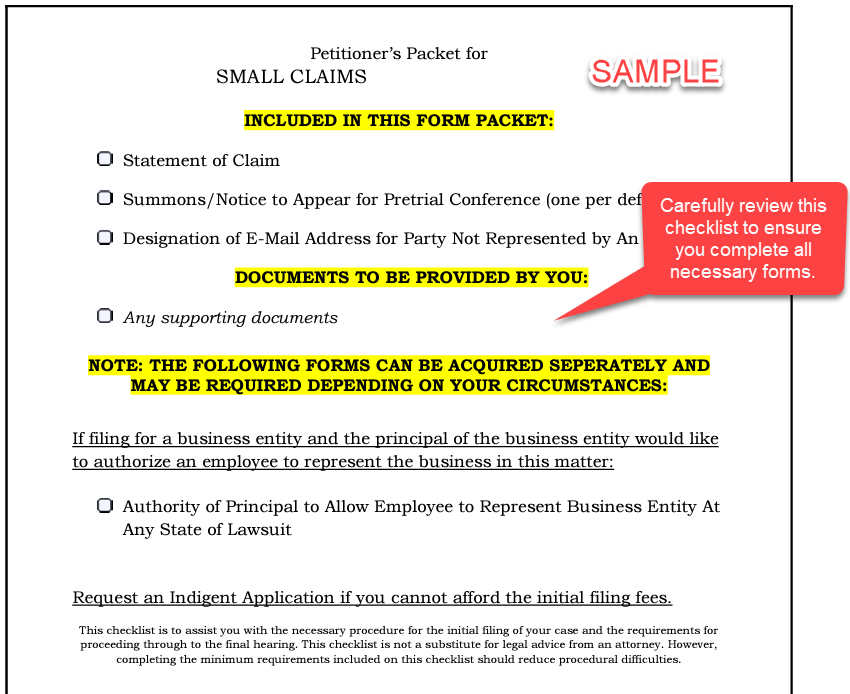
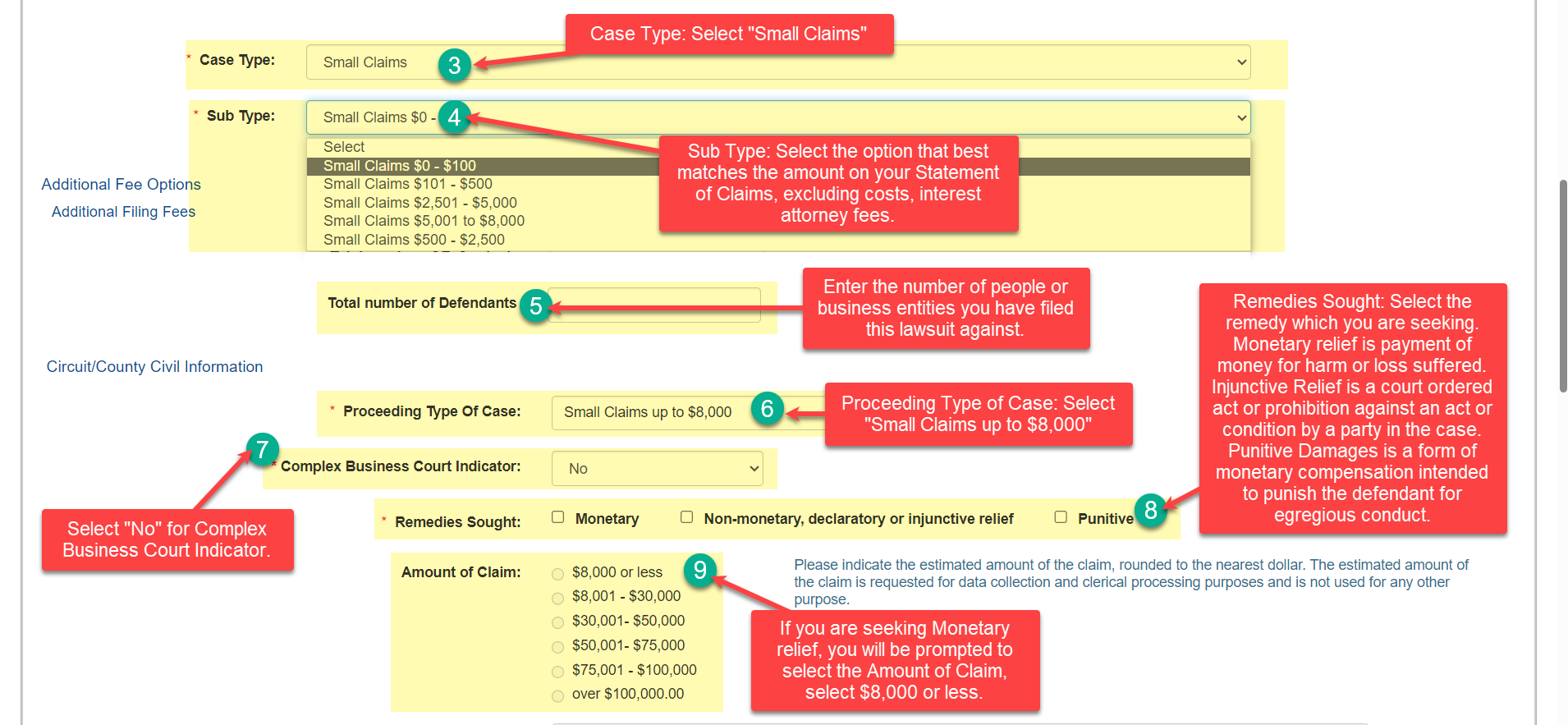
A small claims case in Florida offers individuals and businesses a streamlined, less formal way to resolve disputes involving a limited amount of money. For accommodation-related grievances, this legal avenue is often the most practical and cost-effective. The monetary limit for small claims in Florida County Courts is generally $8,000, excluding interest, costs, and attorney fees. This threshold makes it suitable for many common issues arising from hotel stays, vacation rentals, and other temporary lodging arrangements.
Common Accommodation Disputes Eligible for Small Claims
When considering whether your accommodation issue qualifies for a small claims case, it’s helpful to review typical scenarios. These often include:
- Security Deposit Disputes: One of the most frequent reasons for small claims. This could involve a vacation rental host in Key West unjustly withholding a security deposit for alleged damages or cleaning fees that are not justified by the rental agreement or actual condition of the property.
- Unfulfilled Services or Amenities: Imagine booking a resort in Orlando with a promised heated pool and daily housekeeping, only to find the pool closed and no cleaning services provided. If these amenities were central to your booking and significantly impacted your experience or value received, you might have a claim.
- Overcharging or Unauthorized Charges: Discovering your hotel in Miami Beach billed you for services you didn’t use, or your credit card was charged multiple times for a single stay without explanation.
- Property Damage by Provider: While less common, instances where the accommodation provider or their staff cause damage to your personal belongings could warrant a claim.
- Breach of Contract: Any significant deviation from the terms agreed upon in your booking contract, such as being moved to a substantially inferior room or the property not being as advertised on platforms like Airbnb or Vrbo.
The key is that the dispute involves a financial loss or an unfulfilled obligation that can be quantified monetarily. The specific location of the accommodation, be it a bustling hotel in Tampa or a quiet villa in Naples, will dictate the appropriate county court jurisdiction.
Pre-Filing Steps: Building Your Case
Before you even step foot in a courthouse, the groundwork you lay can significantly influence the success of your small claims case. Gathering comprehensive evidence and attempting to resolve the issue informally are critical first steps.
Documenting Everything: Your Evidence Kit
The strength of your small claims case hinges on compelling evidence. For accommodation disputes, this typically includes:
- Booking Confirmations and Contracts: Screenshots or printouts of your reservation details, rental agreements, and any terms and conditions from platforms like Booking.com or directly from the hotel.
- Correspondence: All emails, text messages, chat logs, or letters exchanged with the hotel, property manager, host, or booking platform (e.g., Expedia). This demonstrates your attempts to resolve the issue and any responses you received.
- Photographs and Videos: Visual evidence is incredibly powerful. Take photos or videos of the condition of the accommodation upon arrival and departure, any damages, cleanliness issues, or unfulfilled amenities (e.g., a broken appliance, a dirty room, a closed pool). Date and time stamps are highly beneficial.
- Receipts and Invoices: Any proof of payment for the accommodation, additional charges, or expenses incurred due to the dispute (e.g., receipts for alternative accommodation if you had to leave due to uninhabitable conditions).
- Witness Statements: If anyone else observed the issues (travel companions, hotel staff, maintenance workers), their written statements could be valuable.
Organize all this information chronologically and logically. It will be your primary tool for presenting your argument to the court.
Attempting Resolution: The Demand Letter
Before filing a lawsuit, Florida courts often look favorably upon plaintiffs who first attempted to resolve the dispute outside of court. Sending a formal demand letter is an excellent way to do this.
- What to Include: Clearly state the facts of the dispute, the specific monetary amount you are seeking, and a reasonable deadline for response (e.g., 10-14 days). Reference your evidence without necessarily including it all at this stage.
- Delivery Method: Send the letter via certified mail with a return receipt requested. This provides proof that the letter was sent and received, which can be crucial evidence in court.
- Mediation or Negotiation: Be open to negotiation or mediation if the other party suggests it. Resolving the issue amicably saves time and legal costs for everyone involved.
If your demand letter is ignored, or the proposed resolution is unsatisfactory, you can then proceed with filing your small claims case.
The Filing Process in Florida’s County Courts
Once you’ve exhausted informal resolution attempts and compiled your evidence, the next step is to formally initiate the small claims process in the appropriate Florida County Court.
Identifying the Proper Venue
The proper venue for your case is the county where the defendant resides, where the accommodation is located, or where the cause of action (the dispute) arose. For example, if your dispute is with a hotel chain whose primary business operations are in Jacksonville, but the specific hotel and the issue occurred in Sarasota, Sarasota County Court would likely be the correct venue. Always verify the correct county court website for specific forms and procedures, as they can vary slightly.
Completing the Statement of Claim
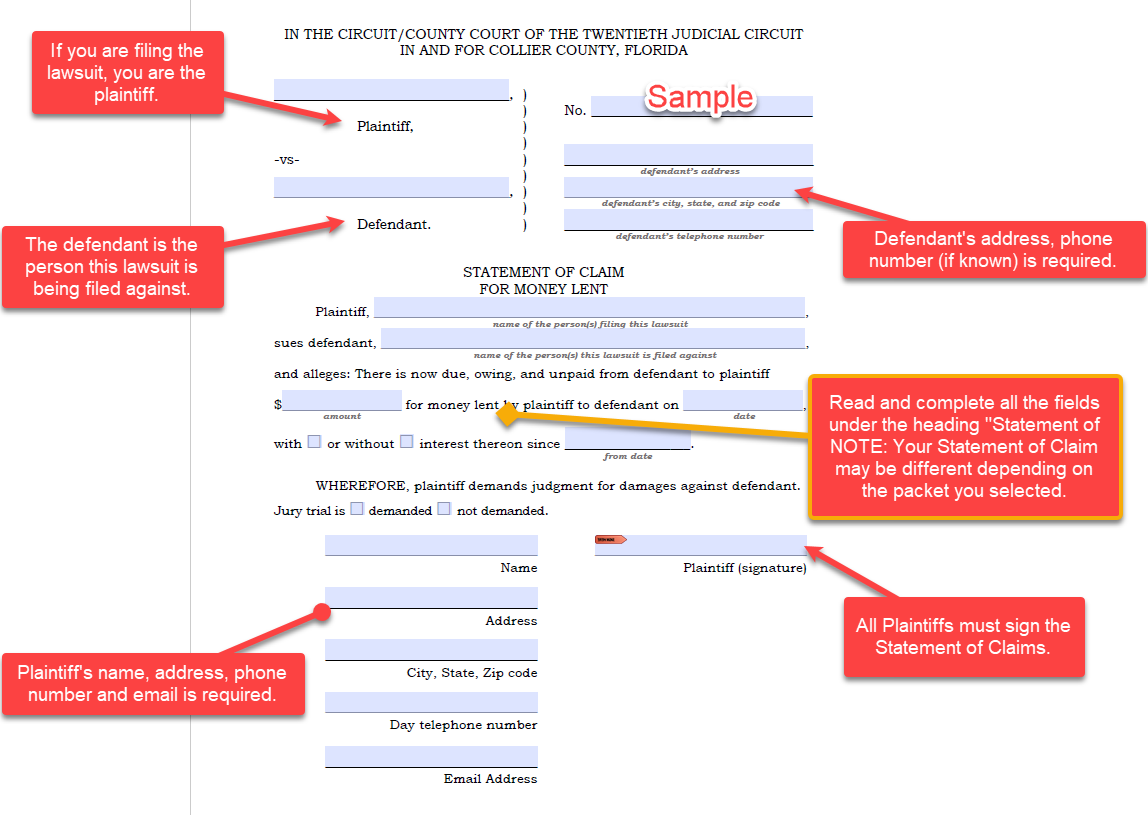
The core document for initiating a small claims case is the “Statement of Claim.” This form will ask for:
- Your Information: Your full legal name, address, and contact details.
- Defendant’s Information: The full legal name and address of the party you are suing (e.g., the hotel, property management company, or individual owner). Ensure you have accurate legal names; a common mistake is suing a hotel under its marketing name rather than its legal corporate entity.
- Concise Statement of Facts: A brief, clear explanation of what happened, detailing the accommodation issue, the dates involved, and how the defendant caused you financial harm.
- Amount Claimed: The exact monetary amount you are seeking, itemized if possible (e.g., “return of $500 security deposit,” “reimbursement for $200 unfulfilled amenity”).
Fill out the form meticulously, attaching copies of your key evidence, but keeping originals for court.
Filing Fees and Service of Process
After completing the Statement of Claim, you will file it with the Clerk of the Court in the appropriate county.
- Filing Fees: There is a filing fee, which varies by county and the amount of your claim. If you cannot afford the fee, you may apply for a “Petition for Indigent Status” to potentially have the fees waived.
- Service of Process: Once filed, the defendant must be officially notified of the lawsuit. This is called “service of process.” In Florida, this is typically done by a sheriff or a certified private process server. You will be responsible for the cost of service, which can be added to your claim if you win. Proper service is crucial; if the defendant is not properly served, the case cannot proceed.
The defendant will have a specified amount of time (usually 20 days) to respond to the summons and Statement of Claim.
Preparing for Court and Resolution
Not all small claims cases go to trial. Many are resolved through mediation or settlement before a judge ever hears the evidence.
Mandatory Mediation in Florida Small Claims
Many Florida County Courts require or offer mediation for small claims cases. This is a non-binding process where a neutral third party (the mediator) helps both sides communicate and explore potential settlements.
- Benefits: Mediation can be a highly effective way to reach a mutually agreeable solution without the stress and uncertainty of a trial. It allows for creative solutions that a judge might not be able to order.
- Preparation: Even for mediation, have your evidence organized and a clear understanding of your bottom line and what you are willing to concede.
If mediation is unsuccessful, your case will proceed to a final hearing before a judge.
The Court Appearance: Presenting Your Case
If your case goes to trial, you will represent yourself (unless you are a corporation, which may require legal representation).
- Be Punctual and Prepared: Arrive early, dressed appropriately. Have all your original evidence organized and ready to present.
- Present Your Case Clearly: When it’s your turn, calmly and concisely explain your side of the story. Refer to your evidence, showing the judge the documents, photos, or other items that support your claim.
- Listen to the Defendant: Pay attention to the defendant’s arguments and be prepared to respond respectfully, focusing on facts, not emotions.
- Witnesses: If you have witnesses, they should be present to testify on your behalf.
The judge will listen to both sides, review the evidence, and issue a judgment.
Judgment and Collection
If the judge rules in your favor, you will receive a judgment against the defendant. However, winning a judgment is only half the battle; collecting the money can sometimes be more challenging.
- Collecting the Judgment: If the defendant does not pay voluntarily, you may need to take further legal steps, such as wage garnishment, bank account levies, or property liens. The Clerk of Court can often provide information on post-judgment collection procedures.
- Avoiding Pitfalls: Ensure your claim is within the monetary limits, you have accurate defendant information, and your evidence is compelling. Rushing the pre-filing steps or failing to properly serve the defendant are common reasons cases are dismissed or lost.
Specific Scenarios: Vacation Rentals vs. Hotels
While the general small claims process remains consistent, there can be nuances when dealing with different types of accommodation providers.
Vacation Rentals (Airbnb, Vrbo, etc.)
For disputes involving platforms like Airbnb or Vrbo, it’s crucial to first exhaust their internal dispute resolution mechanisms. These platforms often have robust systems for mediating issues like security deposit returns or host misconduct. Only if these avenues fail should you consider small claims court.
- Identifying the Defendant: Carefully determine whether you are suing the individual host, the property management company, or the platform itself. Typically, you will sue the host or property manager directly, as they are the party contractually responsible for the rental property.
- Terms of Service: Be aware of the platform’s terms of service, as they may include clauses about arbitration or specific procedures for disputes, especially with larger booking aggregators.
Hotels and Resorts
Claims against hotels in Florida usually involve dealing with a corporate entity.
- Corporate Entity: Research the correct legal name of the hotel and the corporate entity that owns or manages it. This information can often be found through the Florida Department of State’s Sunbiz website. Suing the correct entity is vital for a valid case.
- Internal Resolution: Always attempt to resolve issues with hotel management first, preferably in writing. Escalating to corporate customer service can sometimes yield results.
By understanding these distinctions and meticulously preparing your case, you can confidently navigate the small claims process in Florida to address your accommodation disputes. While the legal process can seem daunting, it offers a tangible path to resolution when your travel experience in Florida takes an unexpected turn.
LifeOutOfTheBox is a participant in the Amazon Services LLC Associates Program, an affiliate advertising program designed to provide a means for sites to earn advertising fees by advertising and linking to Amazon.com. Amazon, the Amazon logo, AmazonSupply, and the AmazonSupply logo are trademarks of Amazon.com, Inc. or its affiliates. As an Amazon Associate we earn affiliate commissions from qualifying purchases.