
Navigating the complexities of bankruptcy can feel daunting, especially when facing financial hardship. For residents of the Sunshine State, understanding the specific processes and considerations for filing bankruptcy in Florida is crucial. This guide aims to demystify the journey, offering insights into the types of bankruptcy available, the filing procedures, and essential tips for a smoother process, all while considering the unique aspects of Florida’s legal landscape. While this article focuses on the legal process of bankruptcy, it’s important to remember that periods of financial stress may also influence travel plans or lifestyle choices, impacting how one might approach seeking budget-friendly accommodations or planning future travel experiences.
Understanding Bankruptcy Options in Florida
Choosing the right chapter of bankruptcy is the foundational step. The most common types for individuals are Chapter 7 and Chapter 13. Each serves a distinct purpose and has different eligibility requirements, impacting your assets and repayment obligations.
Chapter 7 Bankruptcy: Liquidation of Assets
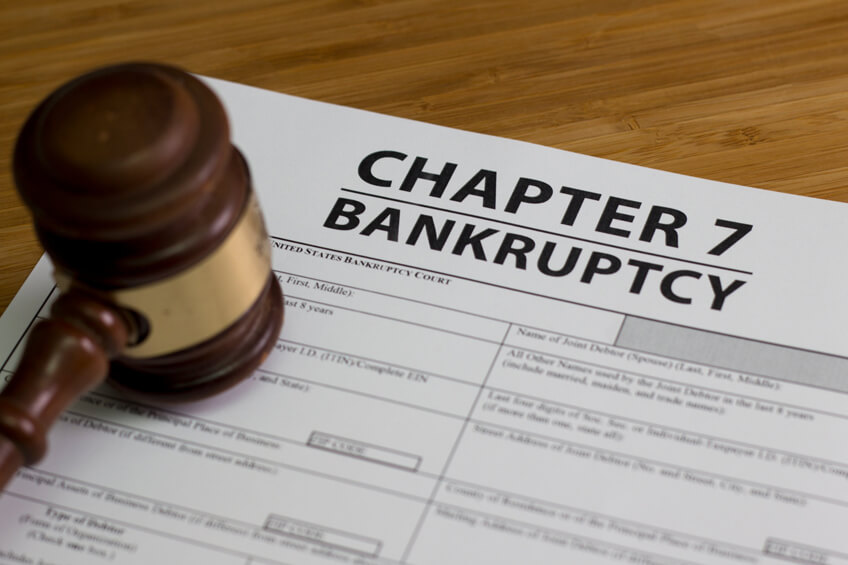
Chapter 7, often referred to as liquidation bankruptcy, is designed for individuals who cannot afford to repay their debts. The primary goal is to discharge most of your unsecured debts, such as credit card balances, medical bills, and personal loans.
Eligibility for Chapter 7
To qualify for Chapter 7 in Florida, you must pass the “means test.” This test compares your income over the past six months to the median income for households of similar size in Florida. If your income is below the median, you generally qualify. If it’s above, further analysis of your expenses is conducted to determine if you have sufficient disposable income to repay a significant portion of your debts through a Chapter 13 plan.
The Role of Exemptions
A critical aspect of Chapter 7 is the concept of exemptions. Florida offers generous exemptions that allow you to keep certain assets. These can include your homestead, a motor vehicle up to a certain value, and personal property like household furnishings, tools of the trade, and retirement accounts. Understanding these exemptions is vital to protecting your essential possessions. For instance, the homestead exemption in Florida is particularly robust, offering significant protection for your primary residence.
The Bankruptcy Estate and Trustee
Once you file for Chapter 7, all your non-exempt assets become part of the “bankruptcy estate.” A bankruptcy trustee is appointed to manage this estate. The trustee’s role is to sell any non-exempt assets and distribute the proceeds to your creditors according to the law. For most filers who are able to claim all their assets as exempt, this process results in minimal disruption to their property.
Chapter 13 Bankruptcy: Reorganization of Debts
Chapter 13, known as a wage earner’s or reorganization plan, is for individuals with regular income who want to repay all or part of their debts over a three-to-five-year period. This option is often chosen by those who want to catch up on missed mortgage payments, car loan payments, or other secured debts, or who have non-exempt assets they wish to keep.
Eligibility for Chapter 13
To be eligible for Chapter 13, your secured debts (like mortgages and car loans) must be below certain limits, and your unsecured debts must also fall within statutory thresholds. Your income must be stable enough to afford the proposed repayment plan.
The Repayment Plan
The core of Chapter 13 is the repayment plan. You, with the help of your attorney, propose a plan that outlines how you will pay your creditors over the next three to five years. The amount you pay each month is based on your disposable income and the types of debts you have. Secured creditors are typically paid in full, while unsecured creditors may receive a portion of what they are owed.
Advantages of Chapter 13
Chapter 13 offers several advantages. It can stop foreclosure proceedings, allowing you to keep your home. It can also allow you to reorganize your vehicle payments or other secured debts. Furthermore, it can provide a structured way to manage overwhelming debt without the complete liquidation of assets that can occur in Chapter 7. It can also offer a pathway to financial recovery, potentially enabling future lifestyle adjustments and even planned vacations once financial stability is restored.
The Bankruptcy Filing Process in Florida
Regardless of the chapter you choose, the bankruptcy process in Florida involves several key steps. It’s a formal legal proceeding that requires meticulous attention to detail and adherence to court rules.
Pre-Filing Steps
Before filing, you are required to complete a credit counseling course from an approved agency. This course must be completed within 180 days prior to filing your bankruptcy petition. This step is mandatory and provides an opportunity to explore alternatives to bankruptcy, though it doesn’t prevent you from filing if that remains the best option.
Filing the Petition and Schedules
The core of the bankruptcy process is filing your bankruptcy petition with the appropriate federal bankruptcy court in Florida. Along with the petition, you must submit detailed schedules of your assets, liabilities, income, expenses, and financial affairs. This documentation must be accurate and complete, as any inaccuracies or omissions can have serious consequences, including dismissal of your case or denial of discharge.
The Automatic Stay
Upon filing your bankruptcy petition, an “automatic stay” immediately goes into effect. This powerful legal injunction prohibits creditors from taking any further collection actions against you. This means creditors must cease all collection calls, lawsuits, wage garnishments, and foreclosure proceedings. This immediate relief provides a much-needed breathing room from aggressive debt collection tactics.
The Meeting of Creditors (341 Meeting)
Approximately 20 to 40 days after filing, you will be required to attend a “Meeting of Creditors,” also known as a Section 341 meeting. This meeting is typically held at the courthouse and is presided over by the bankruptcy trustee. The trustee will ask you questions under oath about your petition, schedules, and financial situation. Creditors also have the right to attend and ask questions, although it is rare for creditors to appear at these meetings in individual consumer bankruptcy cases.
Post-Filing Requirements
After the Meeting of Creditors, there are additional requirements depending on the chapter you’ve filed.
- Chapter 7: You will need to complete a debtor education course (financial management course) before your debts can be discharged.
- Chapter 13: Your proposed repayment plan will be reviewed by the court. You will attend a confirmation hearing to determine if the plan is feasible and meets the requirements of the Bankruptcy Code. Once confirmed, you will begin making payments according to the plan.
Discharge of Debts
The ultimate goal of bankruptcy is the discharge of debts. In Chapter 7, this typically occurs about 60 days after the 341 meeting, assuming no objections are filed and all requirements are met. In Chapter 13, discharge is granted upon successful completion of all payments under the confirmed plan, which usually takes three to five years. Certain debts, such as most student loans, recent taxes, child support, and alimony, are typically not dischargeable in either chapter.
Key Considerations for Florida Residents
Florida has specific laws and considerations that can influence your bankruptcy filing. Understanding these can help you prepare and make informed decisions.
Florida Exemptions Revisited
As mentioned earlier, Florida offers robust exemptions, particularly for homestead property. This can be a significant advantage for homeowners. However, there are rules regarding the timing of property ownership and residency to claim these exemptions, especially the homestead exemption, which typically requires you to have resided in the property for a certain period. It’s essential to discuss these nuances with a qualified attorney.
The Role of Legal Counsel
While it is possible to file for bankruptcy without an attorney (pro se), it is strongly advised against. The Bankruptcy Code is complex, and procedural errors can lead to detrimental outcomes, including the dismissal of your case. A bankruptcy attorney specializing in Florida law can:
- Determine the best chapter for your situation.
- Ensure all paperwork is accurately completed and filed on time.
- Advise you on which assets are protected by exemptions.
- Represent you in court and at the Meeting of Creditors.
- Navigate the complex legal landscape and protect your rights.
Many bankruptcy attorneys offer free initial consultations, allowing you to discuss your situation and explore your options without immediate financial commitment. This professional guidance can be invaluable, providing peace of mind and increasing the likelihood of a successful outcome. For those who might be considering a stay at a resort or exploring local culture in Florida, understanding their financial standing is paramount to enjoying such experiences responsibly.
Timing Your Filing
The timing of your bankruptcy filing can also be strategically important. For instance, if you anticipate receiving a significant inheritance or bonus, waiting to file might be advisable, as such assets could become part of the bankruptcy estate. Conversely, if you are facing imminent foreclosure or aggressive creditor actions, filing sooner may be necessary to stop these actions via the automatic stay.
Alternatives and Next Steps After Bankruptcy
Bankruptcy is a significant financial event, and understanding its long-term implications and exploring alternatives is part of a comprehensive approach to financial recovery.
Alternatives to Bankruptcy
Before or even after considering bankruptcy, it’s worth exploring alternatives. These might include:
- Debt Management Programs: Working with a credit counseling agency to consolidate and repay debts.
- Debt Settlement: Negotiating with creditors to pay a reduced amount of your debt.
- Loan Modifications: Restructuring existing loans, particularly mortgages, to make payments more manageable.
These options may not be suitable for everyone, especially those with overwhelming debt.
Rebuilding Credit After Bankruptcy
Filing for bankruptcy will significantly impact your credit score. However, it’s not the end of your creditworthiness. Steps to rebuild your credit include:
- Secured Credit Cards: These require a cash deposit, which becomes your credit limit. Responsible use can help build positive credit history.
- Credit-Builder Loans: Small loans designed specifically to help you establish or rebuild credit.
- Monitoring Your Credit Reports: Regularly checking your credit reports for accuracy and to track your progress.
- Responsible Financial Habits: Budgeting, paying bills on time, and avoiding excessive new debt are crucial for long-term financial health.
Rebuilding credit takes time and discipline, but it is achievable. This financial rebuilding can eventually pave the way for future travel aspirations or the ability to book accommodation without financial strain.

Financial Planning and Management
Emerging from bankruptcy presents an opportunity to establish new, healthier financial habits. Consider:
- Creating a Realistic Budget: Understanding your income and expenses is fundamental.
- Building an Emergency Fund: Saving for unexpected events can prevent future reliance on credit.
- Setting Financial Goals: Whether it’s saving for a down payment, investing, or planning a family trip, having goals can provide motivation.
Bankruptcy is a legal tool designed to offer a fresh financial start. By understanding the process in Florida, choosing the appropriate chapter, and seeking professional guidance, individuals can navigate this challenging period and work towards a more secure financial future. The journey may seem arduous, but with the right approach, it leads to recovery and the potential for renewed financial freedom.
LifeOutOfTheBox is a participant in the Amazon Services LLC Associates Program, an affiliate advertising program designed to provide a means for sites to earn advertising fees by advertising and linking to Amazon.com. Amazon, the Amazon logo, AmazonSupply, and the AmazonSupply logo are trademarks of Amazon.com, Inc. or its affiliates. As an Amazon Associate we earn affiliate commissions from qualifying purchases.