
Navigating the complexities of child custody can be an emotionally charged and financially daunting experience, especially when considering the prospect of doing so without legal representation. For residents of Texas, the desire to handle this crucial aspect of family law independently stems from a variety of motivations, including cost savings, a belief in personal capability, or simply a lack of accessible legal aid. While the legal landscape can appear intricate, Texas offers a path for individuals to pursue custody orders without the expense of hiring a lawyer, often referred to as “pro se” representation. This guide aims to demystify the process, providing a clear roadmap for parents seeking to file for custody in Texas on their own.

The journey to obtaining a custody order involves understanding specific legal terminology, gathering essential documentation, and meticulously completing court forms. It’s a process that demands patience, attention to detail, and a commitment to following established legal procedures. This article will break down the fundamental steps, from initial preparation to finalization, empowering Texas parents with the knowledge to advocate for their children’s best interests.
Understanding the Basics of Texas Custody Law
Before embarking on the filing process, it’s crucial to grasp some fundamental concepts of Texas custody law. In Texas, “custody” is legally referred to as “conservatorship.” The court’s primary concern in any conservatorship case is the best interest of the child. This principle guides every decision made by the judge.
Conservatorship and Possession Orders
Texas courts typically issue orders that define conservatorship and possession schedules.
- Joint Managing Conservatorship (JMC): This is the most common arrangement in Texas. In JMC, both parents share rights and responsibilities regarding the child, although one parent might be designated as the “custodial parent” with the right to determine the child’s residence. This parent often receives child support.
- Sole Managing Conservatorship (SMC): This is less common and is usually ordered when one parent is deemed unfit or unable to co-parent effectively. In SMC, one parent has the majority of the rights and responsibilities.
The possession order outlines when each parent has physical possession of the child. The “Standard Possession Order” is presumed to be in the child’s best interest and is widely used. This order typically grants the non-custodial parent possession during certain weekends, holidays, and extended periods during the summer.
Key Terminology to Know
Familiarizing yourself with these terms will be beneficial as you navigate court documents and procedures:
- Petitioner: The person who initiates the lawsuit by filing the initial petition.
- Respondent: The other parent who is responding to the petition.
- Petition: The formal document that starts the legal case, outlining what the petitioner is asking the court to do.
- Decree: The final court order that establishes conservatorship, possession schedules, and child support.
- Standing: The legal right to file a lawsuit. In Texas, a person generally has standing to file a suit affecting the parent-child relationship if they are the parent of the child, have been married to the parent of the child, or have had actual care, control, and possession of the child for at least six months preceding the filing of the suit.
Preparing to File for Custody in Texas
Before you can formally file, thorough preparation is essential. This stage involves gathering information, understanding the necessary forms, and considering any preliminary steps.
Gathering Necessary Information and Documentation
You will need to compile critical information about yourself, the other parent, and your child(ren). This includes:
- Full legal names and dates of birth of yourself, the other parent, and each child.
- Current addresses of yourself, the other parent, and the child(ren).
- Date and place of marriage (if applicable) and date of separation or divorce.
- Information about any previous court orders concerning the child(ren), including case numbers and court names.
- Details about the child’s current living arrangements and the child’s needs.
- Financial information: You will likely need to provide information about your income and expenses, and potentially the other parent’s income, for child support calculations.
Understanding and Obtaining Court Forms
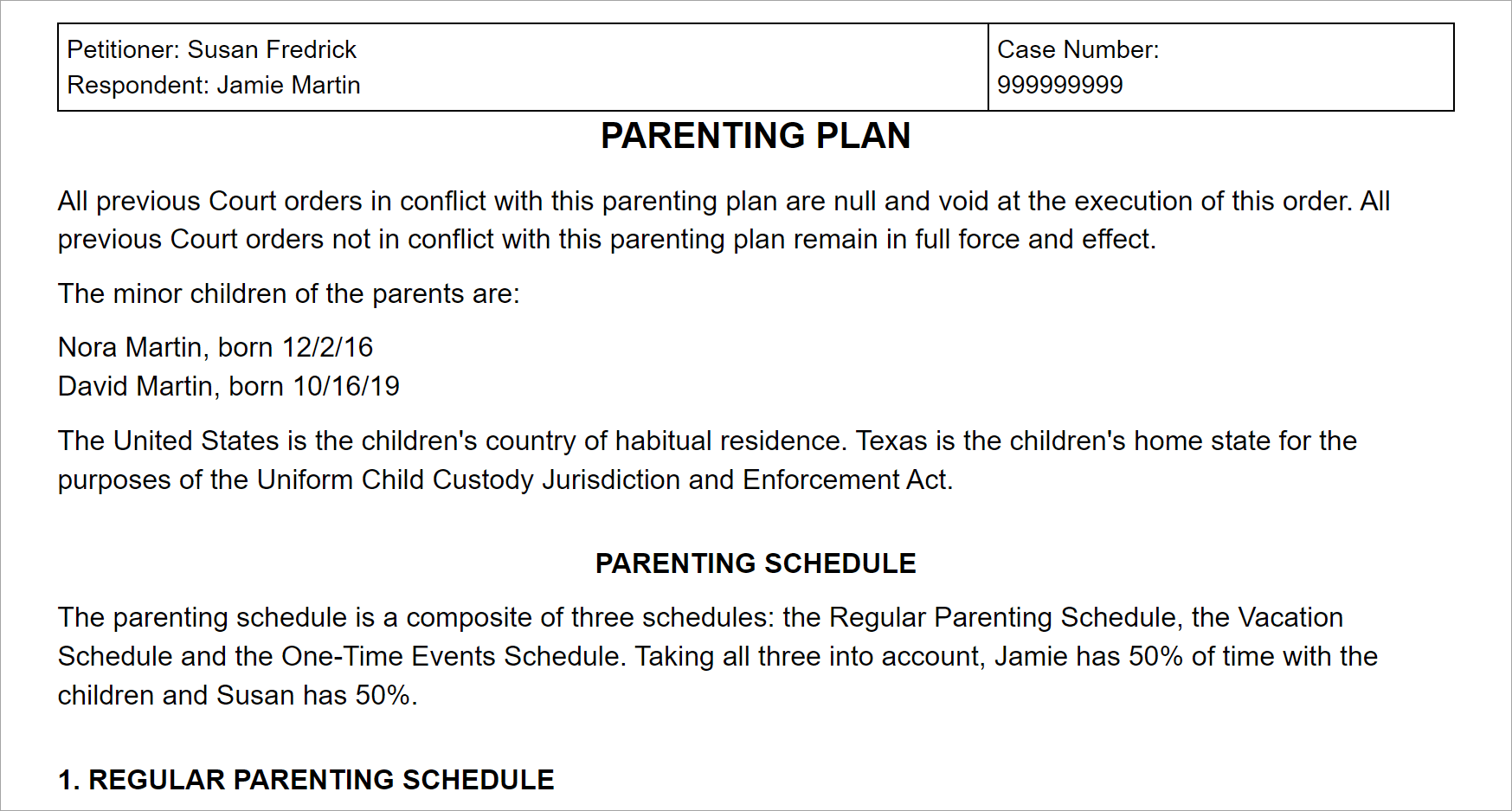
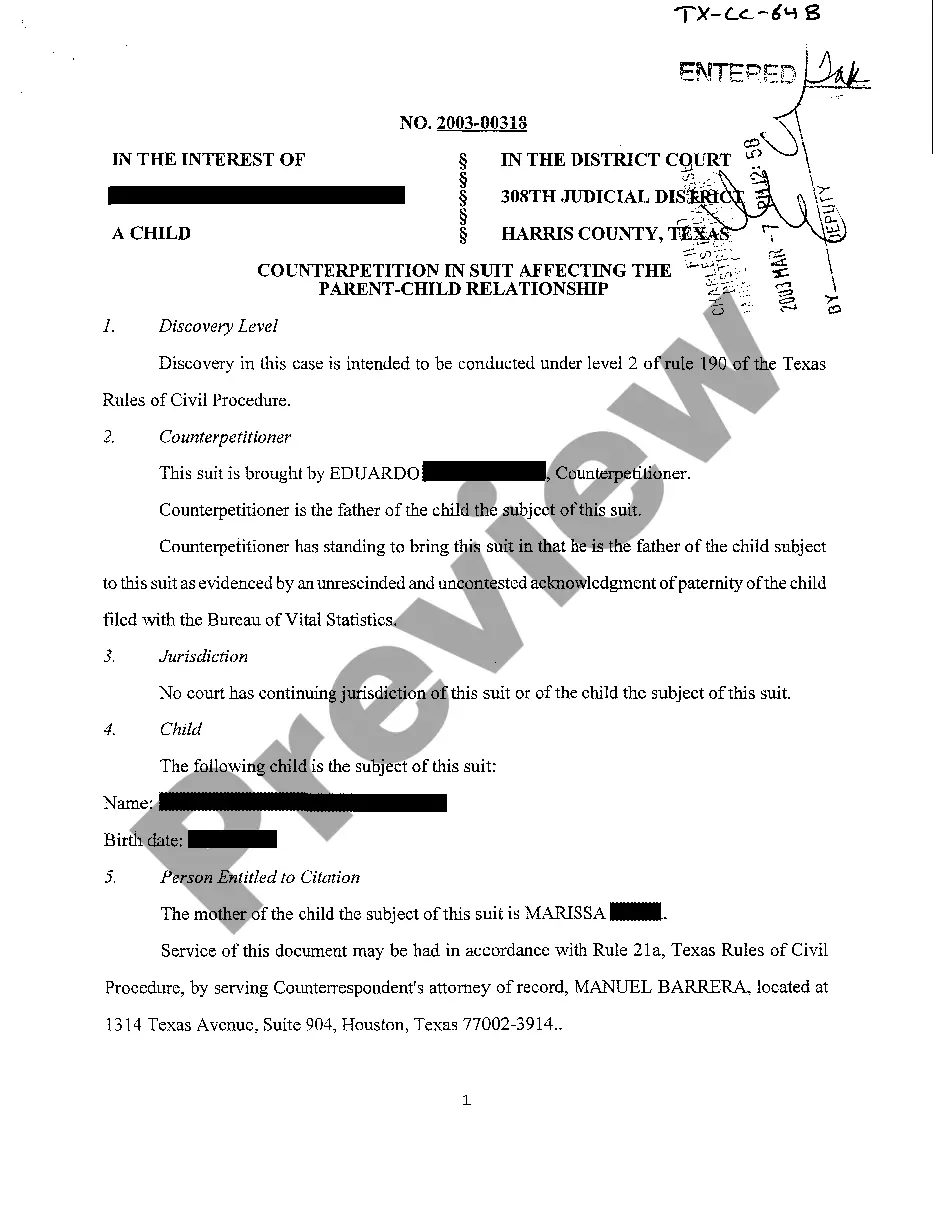
Texas courts provide standardized forms for various legal proceedings, including those related to child custody. The most common starting point for custody cases is a Suit Affecting the Parent-Child Relationship (SAPCR).
- The Texas Courts website (Texas Judicial Branch) is an invaluable resource. It offers self-help sections and links to forms that can be downloaded. Look for forms related to “Divorce,” “Custody,” or “Suit Affecting the Parent-Child Relationship.”
- County Court Clerk’s Office: You can also visit the District Clerk’s office in the county where you plan to file. They can provide you with the necessary forms and information on local procedures.
- Key Forms to Consider:
- Petition in Suit Affecting the Parent-Child Relationship: This is the document that initiates the case. It outlines your requests for conservatorship, possession, and child support.
- Information Sheet: This typically requires basic information about the parties and the children.
- Waiver of Service (if applicable): If the other parent agrees to participate and wants to avoid formal service, they can sign a waiver.
- Order Appointing Texas Child Support State Disbursement Unit: This form is for directing child support payments.
- Standard Possession Order: While often attached to the final decree, understanding its components is crucial.
It is imperative to use the most current versions of the forms available. Inaccurate or outdated forms can lead to delays or even dismissal of your case. Many legal aid organizations also offer form preparation assistance for low-income individuals.
Filing the Petition and Serving the Other Parent
Once you have completed the necessary forms, the next step is to file them with the court.
- File with the District Clerk: Take your completed original petition and any other required initial documents to the District Clerk’s office in the county where you reside or where the child has resided for at least six months. There will be a filing fee. If you cannot afford the fee, you can file a “Statement of Inability to Afford Payment of Court Costs” to request a waiver.
- Service of Process: After filing, the other parent (the respondent) must be formally notified of the lawsuit. This is called “service.”
- Personal Service: Typically, a sheriff, constable, or a private process server will personally hand the respondent a copy of the filed petition and a citation. There is a fee for this service.
- Waiver of Service: If the respondent is cooperative, they can sign a “Waiver of Service,” which is filed with the court, thereby waiving the need for formal service.
- Substituted Service: In situations where personal service is impossible, you may need to request permission from the court to use an alternative method of service.
The respondent has a specific timeframe (usually 20 days after being served) to file a response or answer with the court. If they fail to respond, you may be able to proceed with a default order.
Negotiating and Finalizing Your Custody Order
After the initial filing and service, the case moves towards resolution. This can involve negotiation, mediation, or, in some instances, a court hearing.
Mediation and Settlement Agreements
Mediation is a process where a neutral third party (the mediator) helps parents communicate and reach an agreement on custody and visitation. Many courts in Texas require parents to attend mediation before a final hearing, especially in cases involving children.
- Benefits of Mediation: It’s often less adversarial and more cost-effective than litigation. It allows parents to craft solutions that work best for their specific family circumstances, rather than having a judge impose a decision.
- Settlement Agreement: If you and the other parent reach an agreement through mediation or direct negotiation, you will draft a “Mediated Settlement Agreement” or a “Agreed Final Decree of Divorce/SAPCR.” This document outlines all the terms of your custody arrangement, including conservatorship, possession schedules, child support, and medical/dental support.
- Review by Attorney: Even if you are proceeding without a lawyer, it is highly recommended to have an attorney review any settlement agreement before you sign it to ensure it protects your rights and is legally sound.
Preparing for Court Hearings and Finalizing the Decree
If you and the other parent cannot reach an agreement, your case will likely proceed to court hearings.
- Temporary Orders: If you need immediate decisions regarding custody and support while the case is pending, you can request temporary orders. This will involve a court hearing where both parties present their arguments.
- Final Hearing: If no agreement is reached, a final hearing (or trial) will be scheduled. You will present evidence and arguments to the judge, who will then make a decision and issue a final order.
- The Final Decree: Regardless of whether you reach an agreement or the court makes a decision, the outcome will be formalized in a “Final Decree of Divorce” (if you are divorcing) or a “Final Order in Suit Affecting the Parent-Child Relationship.” This legally binding document is the official court order that governs child custody and support. Ensure all details are accurate before signing.
Important Considerations and Resources
While filing without a lawyer is possible, it’s essential to be aware of potential challenges and to utilize available resources.
Seeking Legal Assistance When Needed
Even when aiming for self-representation, there are situations where consulting with an attorney is highly advisable.
- Complex Cases: If your case involves allegations of domestic violence, substance abuse, parental alienation, or significant financial complexities, legal advice is crucial.
- Uncooperative Co-Parent: If the other parent is aggressive, uncooperative, or has hired an attorney, it can be challenging to navigate the legal system alone.
- Reviewing Agreements: As mentioned, having an attorney review any settlement agreement can prevent future complications.
Texas Legal Aid and Pro Bono Services: Many organizations offer free or low-cost legal services to eligible individuals.
- Legal Aid organizations across Texas can provide assistance with family law matters.
- Local Bar Associations often have pro bono programs that connect individuals with volunteer attorneys.
- Texas Courts Self-Help Resources: The Texas Judicial Branch website often links to state and local resources for those representing themselves.
Maintaining Records and Following Through
Throughout the process, meticulous record-keeping is paramount. Keep copies of all filed documents, correspondence, court orders, and any evidence you plan to present. Once a final order is in place, adhere to its terms strictly. If circumstances change significantly, you may need to file a modification case, which again can be done pro se, but often requires careful consideration and adherence to specific legal procedures.
Navigating child custody in Texas without a lawyer requires diligence and a commitment to understanding the legal framework. By familiarizing yourself with the process, utilizing available resources, and maintaining a focus on your child’s best interests, you can successfully pursue your custody goals.
LifeOutOfTheBox is a participant in the Amazon Services LLC Associates Program, an affiliate advertising program designed to provide a means for sites to earn advertising fees by advertising and linking to Amazon.com. Amazon, the Amazon logo, AmazonSupply, and the AmazonSupply logo are trademarks of Amazon.com, Inc. or its affiliates. As an Amazon Associate we earn affiliate commissions from qualifying purchases.