
Embarking on the journey of divorce is undeniably one of life’s most profound and challenging transitions, akin to navigating unfamiliar terrain. It’s a period marked by emotional complexity, legal intricacies, and the daunting task of re-envisioning one’s future. For those contemplating this path in the Sunshine State, understanding the “how-to” of filing for divorce in Florida is the crucial first step. This guide aims to demystify the process, framing it not just as a legal procedure, but as a significant personal journey requiring thoughtful planning, strategic navigation, and an eye towards the new horizons that await. Much like planning an extensive trip, a successful passage through divorce requires knowing your destination, understanding the itinerary, and preparing for both expected and unexpected turns.
Florida, known for its vibrant tourism, diverse landscapes, and array of lifestyle options, also offers a structured legal framework for dissolving marriages. While the legal aspects are paramount, the personal implications often intersect with practical considerations like temporary accommodation, new living arrangements, and even the potential for post-divorce travel and self-discovery. Whether you envision a new beginning in the bustling cityscape of Miami, the family-friendly environment of Orlando, or the serene coastal charm of Sarasota, Florida’s unique blend of opportunity and environment can shape not just the divorce process itself, but also the vibrant new lifestyle that emerges on the other side. This article will guide you through the legal requirements, procedural steps, and provide insights into how individuals often redefine their accommodation, travel, and overall lifestyle in the wake of a significant life change, all within the inviting backdrop of Florida.

Charting Your Course: Understanding Florida’s Divorce Landscape
Beginning the divorce process in Florida requires a clear understanding of the foundational requirements and the different paths your journey might take. This initial planning phase is crucial, much like selecting your destination and mode of travel before setting off. It helps set expectations for the timeline, complexity, and resources you’ll need along the way.
Establishing Your Base: Residency Requirements in the Sunshine State
Before any divorce petition can be filed in Florida, at least one spouse must establish residency in the state. The law mandates that one of the parties to the marriage must have resided in Florida for at least six months immediately preceding the filing of the petition. This isn’t merely about having a mailing address; it signifies an intent to make Florida your home base. Proving residency can involve driver’s licenses, utility bills, voter registration, or other official documents.
For individuals relocating to Florida specifically to file for divorce, this six-month period can involve establishing temporary accommodation. Options range from extended stays in service apartments in cities like Tampa or Jacksonville, to booking a longer-term rental in a quiet community. Choosing the right accommodation during this transitional period can significantly impact one’s comfort and ability to focus on the legal process. Many choose to explore various neighborhoods and cities during this time, perhaps staying in different short-term rentals or hotels, using the residency requirement as an opportunity to find their ideal post-divorce location within the state. Whether it’s the cultural richness of Sarasota, the serene beauty of Naples, or the vibrant energy of Miami, Florida offers a diverse array of environments to call home, even temporarily.
Types of Journeys: Navigating Different Divorce Paths
Once residency is established, understanding the various types of divorce proceedings available in Florida helps you choose the most appropriate path for your specific circumstances. Each type represents a different “journey,” from a quick, direct flight to a more complex, multi-stop itinerary.
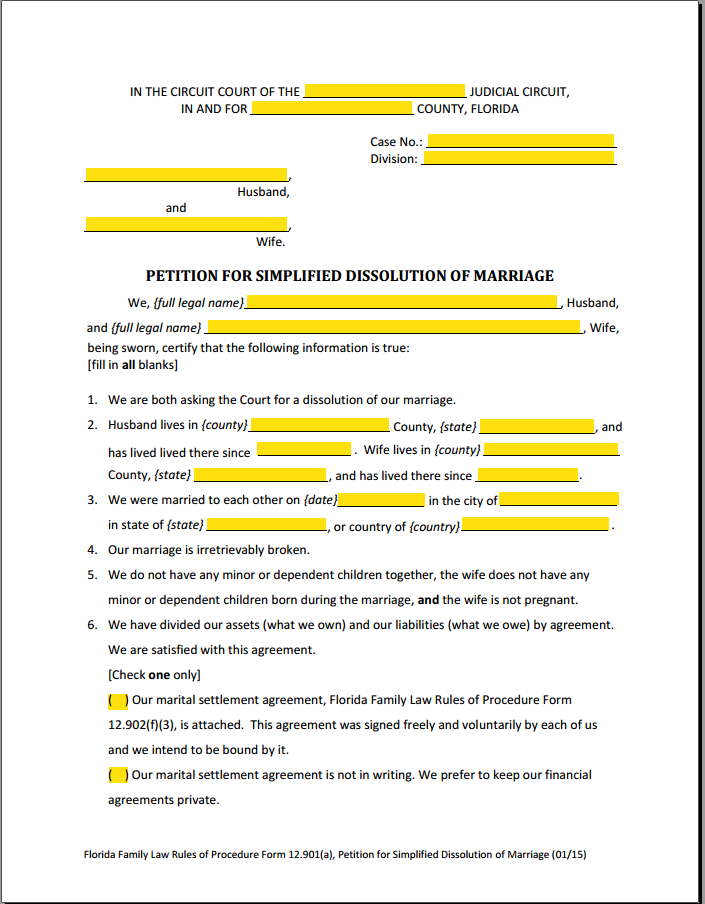
- Simplified Dissolution of Marriage: This is the most straightforward and quickest route, akin to a direct, non-stop flight. It’s available only to couples who have no minor children, no expectation of alimony, and who have agreed on how to divide all assets and debts. Both parties must sign the petition and attend a final hearing together. This option minimizes legal fees and stress, allowing for a swift transition to a new chapter. It’s often chosen by those seeking a clean break with minimal legal entanglement.
- Uncontested Dissolution of Marriage: This path is suitable for couples who agree on all major issues, including child custody, support, alimony, and property division. While more involved than a simplified dissolution, it still represents a relatively smooth journey. The parties typically reach a Marital Settlement Agreement (MSA) and, if applicable, a Parenting Plan, which are then submitted to the court for approval. This path often involves mediation, which serves as a guide to help couples navigate disagreements and find common ground without extensive court intervention. An uncontested divorce can still be completed efficiently, allowing both parties to move forward with their lives with a sense of mutual agreement.
- Contested Dissolution of Marriage: This is the most complex and often the longest journey, comparable to an expedition through challenging terrain. It occurs when spouses cannot agree on one or more key issues, such as child custody, child support, alimony, or the division of assets and debts. Contested divorces typically involve extensive discovery (exchanging financial documents, depositions), numerous court hearings, and potentially a trial. This path requires significant legal representation and can be emotionally and financially draining. During a contested divorce, individuals might find themselves needing to reside near courthouses for extended periods, making temporary accommodation or strategically chosen long-term stays in cities like Fort Lauderdale or West Palm Beach a practical consideration. The duration of a contested divorce can range from several months to a year or more, depending on the complexity of the issues and the court’s calendar.
Choosing the right type of dissolution is crucial. It dictates the roadmap for your legal journey and significantly impacts the resources — both financial and emotional — you’ll need to allocate.
The Itinerary: A Step-by-Step Guide Through Florida’s Legal Process
Once you’ve determined the appropriate type of dissolution for your situation, the next phase involves navigating the specific legal steps. This is your itinerary, detailing each required action to move from the initial filing to the final judgment.
Packing Your Legal Documents: The Petition for Dissolution
The formal process begins by “packing your legal documents,” specifically preparing and filing the Petition for Dissolution of Marriage with the clerk of the circuit court in the county where at least one spouse resides. This document formally requests the court to end the marriage.
The Petition must include vital information about the parties, the marriage, any minor children, and the grounds for divorce. In Florida, the only statutory ground for divorce is that the marriage is “irretrievably broken,” or if one spouse is mentally incapacitated for at least three years.
Along with the Petition, various other forms are often required, most notably the Uniform Child Custody Jurisdiction and Enforcement Act (UCCJEA) affidavit (if minor children are involved) and mandatory financial affidavits. These affidavits require a comprehensive disclosure of each party’s income, expenses, assets, and liabilities. Thoroughness here is paramount, much like carefully planning all aspects of a trip; omissions can lead to delays or complications later. Gathering all necessary financial records – bank statements, tax returns, pay stubs, investment portfolios – can be a significant undertaking, but it lays the groundwork for equitable asset division and support determinations.
Delivering the Message: Service of Process
After the Petition is filed, the responding spouse must be formally notified that a divorce action has been initiated. This is known as “service of process.” The goal is to ensure the other party is fully aware of the proceedings and has an opportunity to respond.
Service is typically performed by a sheriff or a certified private process server who personally delivers the court documents to the responding spouse. In cases where the responding spouse cannot be located, alternative methods like service by publication (publishing notice in a local newspaper) might be permitted by the court, though this is less common and more complex. Proper service is a critical legal requirement; without it, the court cannot proceed with the divorce, underscoring its importance as a mandatory stop on your legal itinerary.
Unveiling the Terrain: Financial Disclosure and Discovery
Following the initial filing and service, both parties are required to fully disclose their financial circumstances. This “unveiling the terrain” involves a detailed exchange of financial information, ensuring transparency and fairness in the division of marital assets and debts, and the determination of alimony and child support.
Florida law mandates comprehensive financial disclosure. This typically includes:
- Financial Affidavits: Detailed statements of income, expenses, assets, and liabilities.
- Production of Documents: Bank statements, credit card statements, tax returns, pay stubs, retirement account statements, mortgage statements, and any other relevant financial records.
If parties cannot voluntarily exchange these documents, the discovery process allows formal requests for information and documents through tools like interrogatories (written questions) and requests for production. Depositions (out-of-court sworn testimony) may also be taken. This phase can be extensive, particularly in contested cases involving complex assets or business interests. It’s akin to a comprehensive survey of all financial “landmarks” and “resources” accumulated during the marriage, ensuring nothing is overlooked before moving forward.
Seeking Common Ground: Mediation as a Middle Path
For many divorce cases in Florida, particularly those involving children or significant assets, mediation is a mandatory step. Mediation is an out-of-court process where a neutral third-party mediator helps the spouses communicate and negotiate to reach a mutually acceptable agreement on all outstanding issues.
This process is designed to find “common ground” and avoid the need for a costly and emotionally draining trial. It offers a structured environment for dialogue, allowing couples to craft solutions tailored to their family’s unique needs, rather than having a judge impose decisions. If successful, the agreements reached in mediation are drafted into a Marital Settlement Agreement and/or Parenting Plan, which is then submitted to the court for approval. Mediation can significantly shorten the overall “travel time” through the divorce process and often leads to more amicable outcomes, allowing both parties to retain a greater sense of control over their future. Even in initially contested cases, mediation often serves as a pivotal point, guiding parties towards an uncontested resolution.
The Final Check-out: Reaching the Final Judgment
Once all issues have been resolved, either through agreement (mediation or direct negotiation) or judicial decision (trial), the court will issue a Final Judgment of Dissolution of Marriage. This document legally terminates the marriage and outlines all agreed-upon or ordered terms regarding property division, child custody and support, and alimony.
The final judgment represents the “final check-out” of your marital journey and the official commencement of your new, independent path. Depending on the complexity of the case, a final hearing may be required, even if an agreement has been reached. In simplified and uncontested cases, this hearing is often brief. For contested cases, the final judgment follows a trial and reflects the judge’s rulings. Receiving the final judgment signifies the end of the legal process, allowing individuals to close one chapter and fully open another.
Beyond the Horizon: Embracing a New Lifestyle in Florida
With the legal process concluded, the true journey of personal reinvention and growth begins. Divorce, while challenging, often opens doors to new opportunities, new experiences, and a redefined lifestyle. Florida, with its diverse offerings, provides an ideal backdrop for this post-divorce exploration.
Establishing Your New Home: Accommodation and Community
One of the most immediate and significant changes post-divorce is often the establishment of a new home base. This is where the website’s focus on “Accommodation” truly comes into play. Florida offers a vast array of living options to suit various budgets and lifestyles.
- Apartments and Condos: For those seeking flexibility and community, cities like St. Petersburg and Fort Lauderdale offer modern apartments and condos with amenities.
- Villas and Townhomes: Suburban areas provide family-friendly townhomes or villas, often with access to community pools and recreational facilities.
- Resorts and Extended Stays: During the initial transition, some individuals opt for a temporary stay in a luxury resort like a Hyatt Regency or even indulge in a self-care retreat at a Ritz-Carlton property, using their loyalty points from programs like Marriott Bonvoy or Hilton Honors. These can provide a much-needed sanctuary for reflection and planning before committing to a long-term residence.
Choosing a new community is also part of this process. Naples offers a luxurious, serene environment, while Key West boasts a unique, laid-back, and artistic vibe. Families might prefer communities near excellent schools in Orlando or Tampa. The decision of where to anchor your new life is deeply personal and should align with your desired post-divorce lifestyle.
Journeying Towards Self-Discovery: Travel and Well-being
Post-divorce is often a time for personal reflection and embracing new adventures. The “Travel” and “Lifestyle” themes become particularly relevant here. Many individuals find healing and growth through exploring new destinations, either solo or with close friends and family.
- Healing Retreats: Florida’s natural beauty offers numerous opportunities for rejuvenation. A peaceful retreat to the beaches of the Gulf Coast, or a quiet escape near Daytona Beach, can provide solace and a chance to reconnect with oneself.
- Adventure and Exploration: For those seeking excitement, exploring the diverse ecosystems of Everglades National Park or visiting the Kennedy Space Center Visitor Complex offers inspiring experiences.
- Cultural Immersion: Discovering the vibrant Art Deco Historic District on South Beach in Miami, or experiencing the rich arts scene in Sarasota, can open new perspectives.
Whether it’s budget travel to explore local gems or a more luxurious escape to destinations like The Breakers Palm Beach, taking time for self-discovery through travel can be a powerful component of the healing process.
Creating New Memories: Florida Destinations for Family and Personal Growth
For individuals with children, post-divorce life involves creating new family traditions and ensuring continued joy and stability. Florida’s world-renowned attractions offer ample opportunities to build fresh, happy memories.
Family trips to destinations like Walt Disney World Resort or Universal Orlando Resort can provide much-needed fun and a sense of normalcy. Adventures at Busch Gardens Tampa Bay or exploring the natural springs can also become cherished annual rituals. These experiences help reaffirm family bonds and demonstrate that new beginnings can be filled with excitement and happiness, even if the family structure has changed. Co-parenting journeys can involve planning holidays and experiences together, leveraging Florida’s appeal to create positive shared experiences for the children.
In conclusion, while filing for divorce in Florida is a complex legal undertaking, it is also a profound journey of transformation. By understanding the legal landscape, navigating the procedural steps with diligence, and embracing the opportunities for personal and lifestyle changes, individuals can emerge from the process not just legally separated, but poised for a vibrant new chapter. Florida, with its sunny disposition, diverse communities, and endless possibilities for travel and accommodation, truly offers a unique environment for embarking on this new horizon.
LifeOutOfTheBox is a participant in the Amazon Services LLC Associates Program, an affiliate advertising program designed to provide a means for sites to earn advertising fees by advertising and linking to Amazon.com. Amazon, the Amazon logo, AmazonSupply, and the AmazonSupply logo are trademarks of Amazon.com, Inc. or its affiliates. As an Amazon Associate we earn affiliate commissions from qualifying purchases.