
In a world increasingly focused on dynamic travel experiences, seamless accommodation bookings, and embracing diverse lifestyles, it’s easy to overlook the foundational elements of well-being that ensure stability, whether you’re exploring new destinations or settling into a new community. For residents of the sprawling and vibrant state of Texas, understanding the available support systems is a crucial aspect of managing one’s life journey. Among these, the Supplemental Nutrition Assistance Program (SNAP), commonly known as food stamps, stands as a vital resource for individuals and families facing food insecurity.
While our platform at lifeoutofthebox.com often guides you through the opulent suites of hotels, the allure of tourism attractions, and the historical depth of landmarks, we recognize that a truly rich life encompasses both grand adventures and the practical security of daily living. Whether you are considering a long-term stay in a new Texas city, navigating a period of financial transition, or simply seeking to optimize your budget travel strategies for a more sustainable lifestyle, access to nutritious food is paramount. This comprehensive guide is designed to demystify the process of applying for food stamps in Texas, ensuring that you and your loved ones have the support needed to thrive, allowing you to focus on discovering the unique local culture and experiences the state has to offer, or simply enjoy peace of mind in your daily routine.
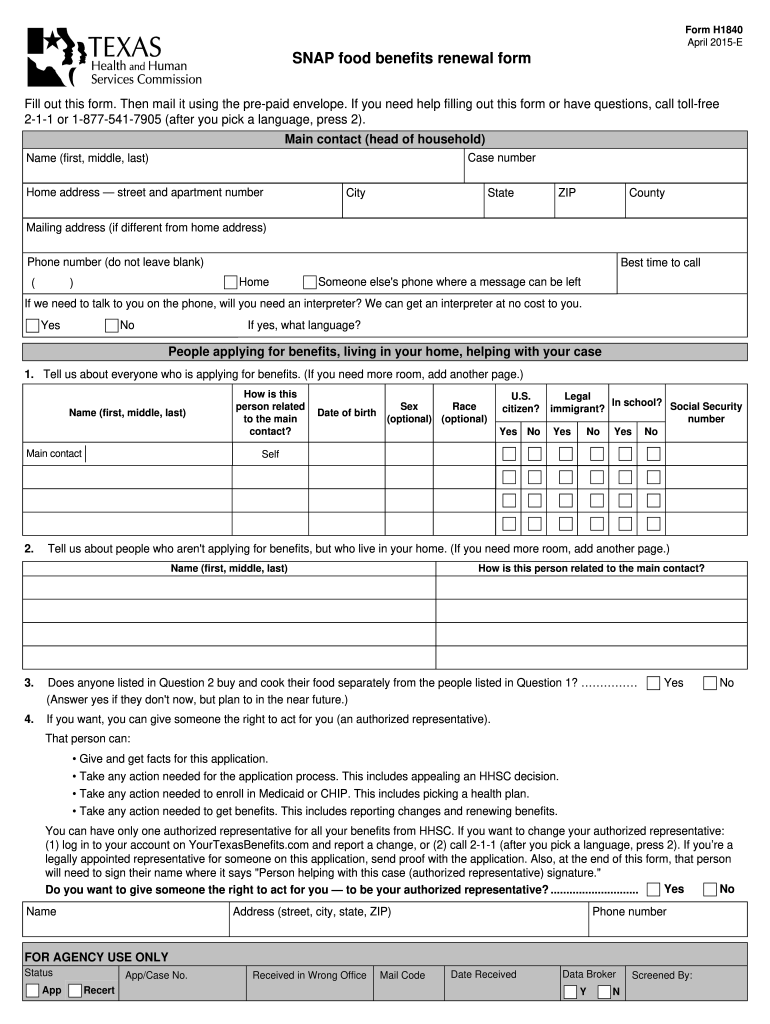
Understanding SNAP in the Lone Star State: Eligibility and Benefits
The Supplemental Nutrition Assistance Program (SNAP) in Texas is administered by the Texas Health and Human Services Commission (HHSC). It’s a federal program designed to help low-income individuals and families purchase healthy food. Far from being just a temporary handout, SNAP is an investment in the health and productivity of Texas communities, directly impacting the well-being and stability of its residents. For those who prioritize a sustainable lifestyle or are managing their finances during a transition, understanding the intricacies of SNAP is incredibly beneficial. It provides a safety net that can alleviate stress, allowing individuals to pursue educational goals, seek better employment opportunities, or simply manage daily living expenses more effectively.
Who Qualifies? Income and Asset Limits
Eligibility for SNAP in Texas is primarily based on a household’s income, resources, and specific circumstances. To determine if you qualify, the HHSC considers several factors. Firstly, your household size plays a significant role; a household can be a single person or a group of people who live together and customarily purchase and prepare food together. Each household size has specific gross monthly income limits (before deductions) and net monthly income limits (after deductions), which are typically set as a percentage of the federal poverty level. For most households, gross income must be at or below 130% of the federal poverty level, and net income must be at or below 100% of the federal poverty level. However, some households, particularly those with elderly or disabled members, may have different criteria.
In addition to income, asset limits are also considered, though these are often less stringent than income limits. Generally, a household’s countable resources (like bank accounts, cash, and some investments) must be below a certain threshold. For most households, this limit is around $2,750. However, if at least one household member is age 60 or older or has a disability, the resource limit increases significantly, often to around $4,250. Important exemptions to these resource limits include your home and lot, the value of one vehicle per adult in the household, and certain retirement or educational accounts. It’s crucial to understand that these numbers can change annually, so always refer to the official HHSC guidelines for the most current information. Finally, adult applicants typically need to meet certain work requirements, such as participating in work or training programs, unless they are exempt due to age, disability, or caring for a young child. All applicants must also be Texas residents.
What You Can Buy: Permitted and Restricted Items
Once approved for SNAP benefits, recipients receive an electronic benefit transfer (EBT) card, known in Texas as the Lone Star Card. This card functions much like a debit card and can be used at authorized grocery stores, farmers’ markets, and some online retailers to purchase eligible food items. The primary goal of SNAP is to supplement a household’s food budget, enabling them to buy nutritious foods that contribute to a healthy diet.
Permitted items include a wide range of groceries:
- Fruits and vegetables: Fresh, frozen, canned, or dried.
- Meats, poultry, and fish: Essential protein sources.
- Dairy products: Milk, cheese, yogurt, etc.
- Breads and cereals: Grains, pasta, rice, etc.
- Other foods: Snack items, non-alcoholic beverages, and seeds and plants that produce food for the household to eat.
However, there are strict restrictions on what cannot be purchased with SNAP benefits. These restrictions are in place to ensure the program’s focus remains on providing basic nutritional support rather than luxury or non-essential items. Restricted items include:
- Alcoholic beverages: Beer, wine, liquor.
- Tobacco products: Cigarettes, cigars.
- Hot foods: Any food that is hot at the point of sale, such as rotisserie chickens, prepared deli foods, or restaurant meals (unless a specific state waiver is in place for homeless, elderly, or disabled individuals in certain areas).
- Non-food items: Pet foods, cleaning supplies, paper products, household items, vitamins, medicines, and cosmetics.
- Live animals: With the exception of shellfish, fish removed from water, and animals slaughtered prior to pick-up from the store.
Understanding these guidelines is essential for new recipients to effectively manage their budget and maximize their food purchasing power, ensuring their lifestyle is supported by healthy choices.
Estimating Your Potential Benefits
The amount of SNAP benefits a household receives in Texas is not fixed; it is individually calculated based on several factors, including household size, income, and certain allowable deductions for expenses. This personalized approach aims to provide assistance proportionate to a household’s specific need, helping to bridge the gap in their food budget. While the exact calculation can be complex, understanding the main components can help you estimate your potential benefits.
The calculation typically starts with your gross monthly income. From this, certain deductions are applied, such as a standard deduction (which varies by household size), a 20% earned income deduction, and deductions for dependent care costs, child support payments, and medical expenses for elderly or disabled members. One of the most significant deductions for many households is for shelter costs, which include rent or mortgage payments, property taxes, and utility bills. These deductions bring your gross income down to your net income, which is then compared against the federal poverty level to determine your benefit amount.
The maximum benefit amount is determined annually by the U.S. Department of Agriculture (USDA) and varies by household size. For instance, a single-person household will have a lower maximum benefit than a family of four. Your final monthly benefit will be the maximum allowable benefit for your household size, minus 30% of your household’s net income. This 30% figure represents the portion of income the government expects a household to contribute towards their food purchases. It’s important to remember that these are just estimates, and the HHSC will make the final determination based on your complete application. Many resources, including the YourTexasBenefits.com website, offer benefit calculators that can provide a preliminary estimate based on your inputted information, helping you plan your budget and understand the support available for your chosen lifestyle.
Navigating the Application Process: Step-by-Step Guide
Applying for SNAP benefits in Texas might seem daunting at first, but by following a structured approach, the process can be straightforward. Whether you’re a long-time resident or new to the Lone Star State, understanding each step is key to a successful application. This section provides a clear roadmap, guiding you through gathering necessary documentation, choosing the appropriate application method, and preparing for the essential interview stage. Embracing this resource can be a crucial part of managing your personal lifestyle and ensuring stability.
Gathering Your Documentation
The most critical step in the SNAP application process is compiling all the required documents. Having everything ready before you start your application can significantly speed up the processing time and reduce the likelihood of delays. Think of this as preparing for a significant travel itinerary – you wouldn’t leave without your passport and tickets, and similarly, you shouldn’t apply for SNAP without your essential paperwork.
Here’s a checklist of common documents you’ll need for all household members:
- Proof of Identity: A valid form of identification, such as a state ID card, driver’s license, passport, or birth certificate.
- Proof of Residency: Documents showing you live in Texas, such as a utility bill (electricity, water, gas), a lease agreement, a rent receipt, or mail from official sources addressed to you at your current address.
- Proof of Income: This is crucial for determining eligibility and benefit amounts. Provide recent pay stubs (for the last 30 days), award letters for Social Security, VA benefits, unemployment, or workers’ compensation, and if self-employed, tax returns or a profit/loss statement.
- Proof of Resources/Assets: Recent bank statements (checking and savings), and information about any other countable assets like stocks or bonds (remembering certain exemptions like your home and primary vehicle).
- Proof of Expenses: Documents that can lead to deductions in your income calculation, potentially increasing your benefits. This includes rent or mortgage statements, property tax bills, utility bills (electricity, gas, water, trash, sewer, phone), medical bills for elderly or disabled household members, and childcare receipts.
- Social Security Numbers (SSNs): For all household members applying for benefits, even if they are not requesting benefits for themselves.
- Immigration Status (if applicable): If you are a non-citizen, documents proving your eligible immigration status.
Organizing these documents beforehand will make the application process much smoother and less stressful, allowing you to focus on other aspects of your lifestyle or plans.
Choosing Your Application Method
The Texas Health and Human Services Commission (HHSC) offers several convenient ways to apply for SNAP benefits, accommodating different preferences and situations. You can choose the method that best fits your access to technology, comfort level, and urgency.

- Online Application: The most popular and often fastest method is applying online through YourTexasBenefits.com. This user-friendly portal allows you to create an account, complete the application form at your own pace, and upload supporting documents digitally. It’s accessible 24/7, making it a flexible option for those with busy lifestyles. This method also allows you to track the status of your application.
- In-Person Application: If you prefer face-to-face assistance or have questions that require direct answers, you can visit a local HHSC office. You can find the nearest office location on the YourTexasBenefits.com website. At the office, staff can provide you with a paper application, assist with filling it out, and often help scan your documents. This option can be particularly helpful if you have complex circumstances or limited access to a computer and internet.
- Mail or Fax: You can also print a paper application from YourTexasBenefits.com, fill it out, and mail or fax it to the HHSC. This method might take longer to process due to postal or fax delays, but it offers an alternative for those who may not have internet access or live far from an HHSC office. Ensure you include copies of all supporting documents with your mailed or faxed application.
Regardless of the method you choose, remember to keep copies of your submitted application and all documents for your records. This diligence is akin to keeping copies of your travel confirmations – a smart practice for any important life transaction.
The Interview Stage
After you submit your application, whether online, in-person, or by mail, the next critical step is the interview. This interview is a mandatory part of the SNAP application process in Texas and is designed to clarify information provided in your application, confirm your eligibility, and answer any questions you may have. It’s an opportunity for the HHSC caseworker to ensure accuracy and completeness.
Most interviews are conducted over the phone, though in some cases, an in-person interview might be scheduled. You will typically be contacted by the HHSC to schedule this interview. It is absolutely vital to attend or reschedule your interview. Missing it without prior notice can lead to your application being denied, requiring you to start the process all over again.
During the interview, the caseworker will review your application details, ask questions about your household composition, income, expenses, and resources. They may also ask for additional verification of documents you’ve already submitted. Be prepared to discuss your living situation, employment history, and any changes that may have occurred since you submitted your application. It’s also a good time to ask any questions you have about the program, your eligibility, or the next steps. Being honest and cooperative during this stage is crucial. Having all your original documents handy, even if you’ve already submitted copies, can be helpful in case the caseworker needs to verify specific details. This thorough verification process is in place to ensure that resources are allocated fairly and effectively to those who truly need them to support their lifestyle and well-being.
What Happens After You Apply? From Approval to Ongoing Management
Once you’ve submitted your application and completed the interview, the waiting period begins. The Texas Health and Human Services Commission (HHSC) generally aims to process SNAP applications within 30 days. For households with very low income and few resources (known as “expedited service” cases), benefits may be provided within seven days. You will receive a written notice from HHSC informing you of their decision regarding your eligibility and the amount of benefits you will receive. This notification is a significant step, signaling support for your ongoing lifestyle management.
Receiving Your Lone Star Card
If your application for SNAP benefits is approved, you will receive a Lone Star Card in the mail. This card is Texas’s version of the Electronic Benefit Transfer (EBT) card and is your gateway to accessing your food benefits. It operates much like a debit card, making it discreet and easy to use. The card will be mailed to the address you provided in your application, along with instructions on how to activate it and select a Personal Identification Number (PIN).
Activating your Lone Star Card is a simple, usually automated process, often requiring a phone call to a toll-free number. Once activated, your monthly SNAP benefits will be electronically loaded onto this card on a specific schedule, which is typically based on the last digit of your case number. You can check your balance by calling the customer service number on the back of the card, checking online at YourTexasBenefits.com, or asking for a balance inquiry at authorized retailers. The Lone Star Card can be used at any grocery store, supermarket, or farmers’ market displaying the Quest® logo, indicating that they accept EBT payments. This seamless system ensures that you can conveniently purchase eligible food items, integrating directly into your daily lifestyle without complication.
Maintaining Your Benefits: Reporting Changes and Renewals
Receiving your Lone Star Card is not the end of your interaction with the SNAP program. To ensure you continue to receive the correct amount of benefits and avoid any interruptions, it’s crucial to understand your responsibilities regarding reporting changes and renewing your benefits. This ongoing management is a vital part of maintaining support for your lifestyle.
Reporting Changes: The HHSC requires you to report certain changes in your household circumstances within 10 days of the change. These changes can significantly impact your eligibility or benefit amount. Examples include:
- Changes in income: A new job, a raise, a change in work hours, or starting to receive unemployment benefits.
- Changes in household members: Someone moves into or out of your household.
- Changes in address: Moving to a new location within Texas.
- Changes in resources: An inheritance or a significant increase in a bank account balance.
- Changes in expenses: A substantial increase or decrease in rent or utility costs.
- Changes in work hours: For those subject to work requirements.
Failure to report changes in a timely manner can lead to overpayments, which you may have to repay, or even penalties.
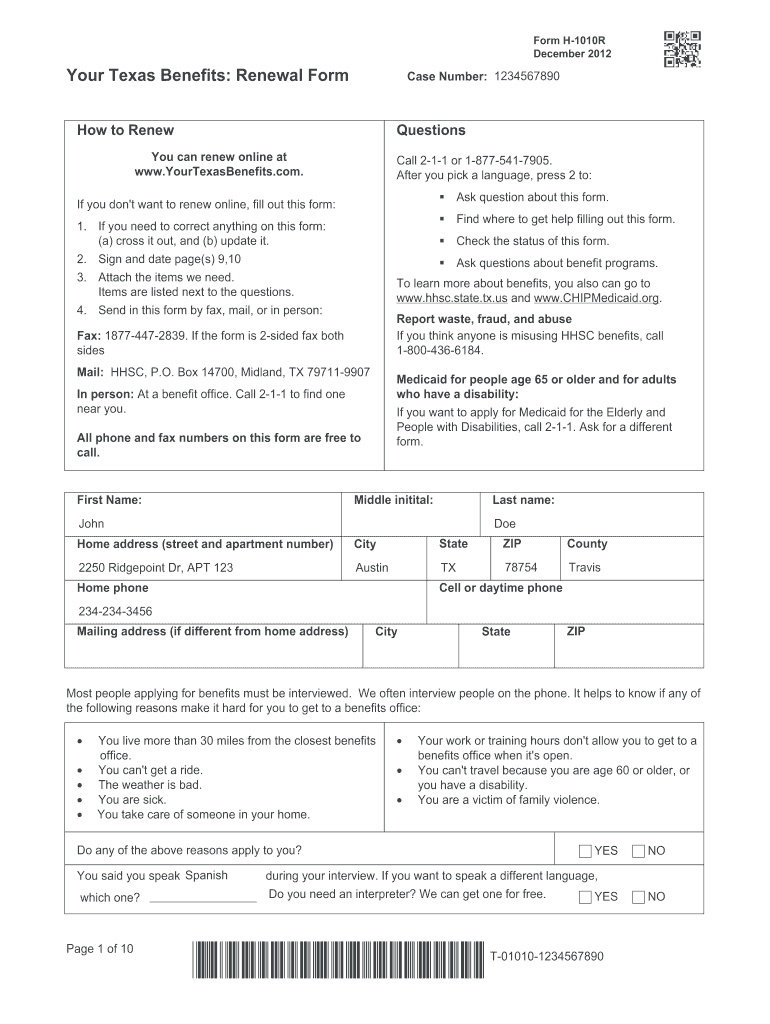
Renewals (Redeterminations): SNAP benefits are not indefinite. You will need to renew your benefits periodically, typically every 6 to 12 months, through a process called “redetermination.” The HHSC will send you a notice when it’s time to renew. This process involves submitting a new application (often simplified), providing updated documentation, and sometimes completing another interview. Renewing on time is essential to prevent a gap in your benefits. Proactive management of these requirements ensures consistent support for your food needs and overall lifestyle.
Additional Support and Resources in Texas
Beyond SNAP, the Texas Health and Human Services Commission (HHSC) offers a range of other programs designed to support residents and enhance their lifestyle and well-being. Understanding these additional resources can provide a more comprehensive safety net for individuals and families in need.
- Medicaid: This program provides medical assistance for low-income individuals and families. Eligibility often aligns with SNAP criteria, making it a natural next step for many applicants to explore.
- TANF (Temporary Assistance for Needy Families): TANF, known as Temporary Assistance for Needy Families in Texas, provides temporary cash assistance for families with children, helping them achieve self-sufficiency. This program can be crucial for families managing budget constraints.
- Child Care Services: For working parents or those in training, assistance with childcare costs can be a significant help, reducing a major financial burden and allowing for greater workforce participation.
- Utility Assistance: Various programs, often administered at the local level, can help with energy bills, ensuring that families can maintain essential services in their homes.
In addition to state-administered programs, a vast network of local community resources and non-profit organizations operates across Texas to combat food insecurity and provide comprehensive support.
- Food Banks and Pantries: Organizations like the Central Texas Food Bank or Houston Food Bank distribute food directly to individuals and families in need, often supplementing SNAP benefits. These pantries are easily accessible in most communities.
- Community Centers: Many local community centers offer referrals to various assistance programs, job search support, educational workshops, and other social services.
- Senior Centers: For elderly residents, senior centers often provide nutritious meals, social activities, and assistance with benefit applications.
For more information on any of these programs or to find local support, the YourTexasBenefits.com website remains an invaluable resource. You can also contact the HHSC directly through their toll-free number or by visiting a local office. Exploring these avenues ensures a robust support system, fostering a more secure and stable lifestyle for all Texas residents.
Conclusion
Navigating the landscape of financial assistance programs can be complex, but for residents of Texas, the Supplemental Nutrition Assistance Program (SNAP) stands as a foundational pillar of support. This comprehensive guide has walked you through the eligibility requirements, the step-by-step application process, and the ongoing responsibilities of maintaining your benefits, all designed to empower you with the knowledge needed to secure food assistance.
At lifeoutofthebox.com, our commitment extends beyond sharing the allure of destinations, the comfort of hotels, or the excitement of tourism. We believe in equipping you with the practical tools and information necessary to build a secure and fulfilling lifestyle, whether that involves embarking on a grand adventure or ensuring stability in your daily life. Understanding and utilizing programs like SNAP is a proactive step towards managing your budget, safeguarding your well-being, and creating a stable environment for yourself and your family.
If you or someone you know is struggling with food insecurity in Texas, please do not hesitate to explore the resources available. The process is designed to help, and access to nutritious food is a fundamental right that contributes to a healthier, more vibrant community. By understanding how to file for food stamps, you are taking a crucial step towards greater peace of mind, allowing you to focus on discovering the richness of life, wherever your journey takes you.
LifeOutOfTheBox is a participant in the Amazon Services LLC Associates Program, an affiliate advertising program designed to provide a means for sites to earn advertising fees by advertising and linking to Amazon.com. Amazon, the Amazon logo, AmazonSupply, and the AmazonSupply logo are trademarks of Amazon.com, Inc. or its affiliates. As an Amazon Associate we earn affiliate commissions from qualifying purchases.