
For many considering a long-term stay or permanent relocation, the financial implications of homeownership are paramount. Florida, renowned for its sun-kissed beaches and vibrant communities, offers a significant financial incentive for its permanent residents: the Homestead Exemption. This benefit substantially reduces the taxable value of a primary residence, making the dream of a long-term home in the Sunshine State more attainable and affordable. Understanding and correctly navigating the application process for this exemption is a crucial step for anyone planning to establish roots and embrace a lasting lifestyle in Florida. This guide provides a professional, insightful, and engaging walkthrough, helping you secure this valuable accommodation benefit for your permanent Florida home.
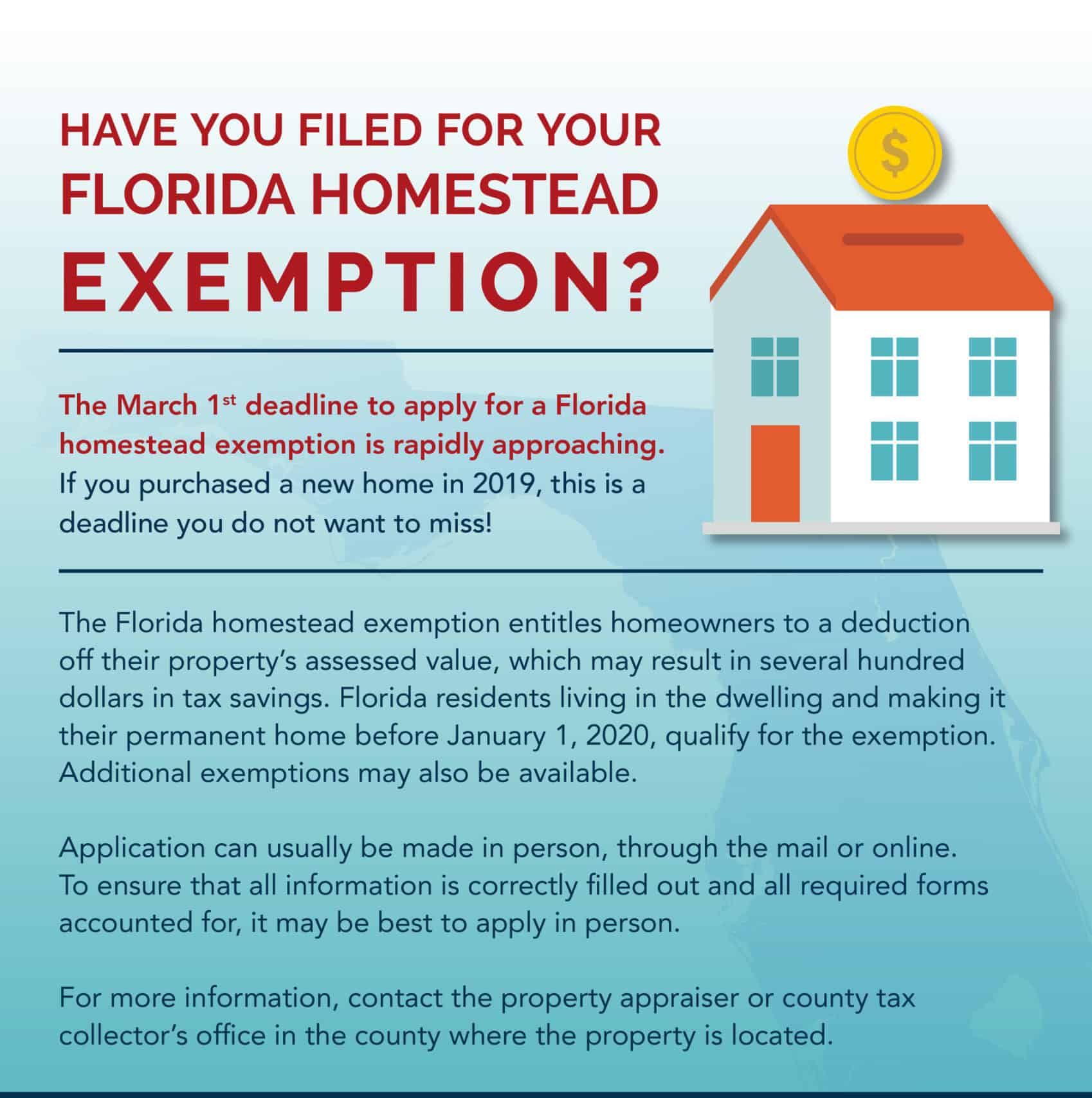
Understanding the Florida Homestead Exemption for Your Permanent Residence
The Florida Homestead Exemption is more than just a tax break; it’s a cornerstone of the state’s property tax system designed to protect and support permanent residents. For those planning a long-term stay, whether for retirement, family life, or career relocation, understanding this exemption is fundamental to budgeting and financial planning for your Florida home.
What is it and Why Does it Matter for Long-Term Residents?
At its core, the Homestead Exemption allows homeowners to deduct up to $50,000 from the assessed value of their primary residence for tax purposes. This reduction directly translates into lower annual property tax bills, making long-term accommodation in Florida more economical. For instance, if your home is assessed at $300,000, and you qualify for the full exemption, your property taxes will be calculated as if your home is worth only $250,000. This saving can be substantial over years, making it a critical factor for families and individuals looking for affordable, permanent living solutions.
Beyond the tax reduction, the Homestead Exemption also provides valuable protection against creditors. In most cases, a primary residence covered by the exemption cannot be forced into sale to satisfy most judgments. This asset protection is particularly appealing to those seeking long-term security and peace of mind in their Florida accommodation choice, safeguarding their most significant asset against unforeseen financial challenges.
Furthermore, the Florida Constitution includes the “Save Our Homes” amendment, which works in conjunction with the Homestead Exemption. This amendment caps the annual increase in the assessed value of homesteaded properties at 3% or the Consumer Price Index, whichever is lower. This critical provision prevents sudden, dramatic spikes in property taxes, offering budget stability for long-term residents and protecting them from rapidly escalating housing costs as property values in desirable Florida locations appreciate. This combined benefit reinforces Florida’s attractiveness as a destination for sustainable long-term living.
Eligibility Requirements for Your Permanent Home
To qualify for the Florida Homestead Exemption, certain criteria must be met, primarily revolving around the concept of a “permanent residence.” The state wants to ensure that the benefit goes to those who genuinely call Florida home.
Firstly, you must own the property as of January 1st of the year for which you are applying. This means that if you close on your home on January 2nd, you would need to wait until the following year to apply. Secondly, and most importantly for long-term residents, the property must be your permanent home or “domicile” as of January 1st. This is where the concept of long-term accommodation truly comes into play. It implies that you live in the home, register to vote there, obtain a Florida driver’s license with that address, and generally consider it your primary and permanent place of abode.
Evidence of permanent residency can include:
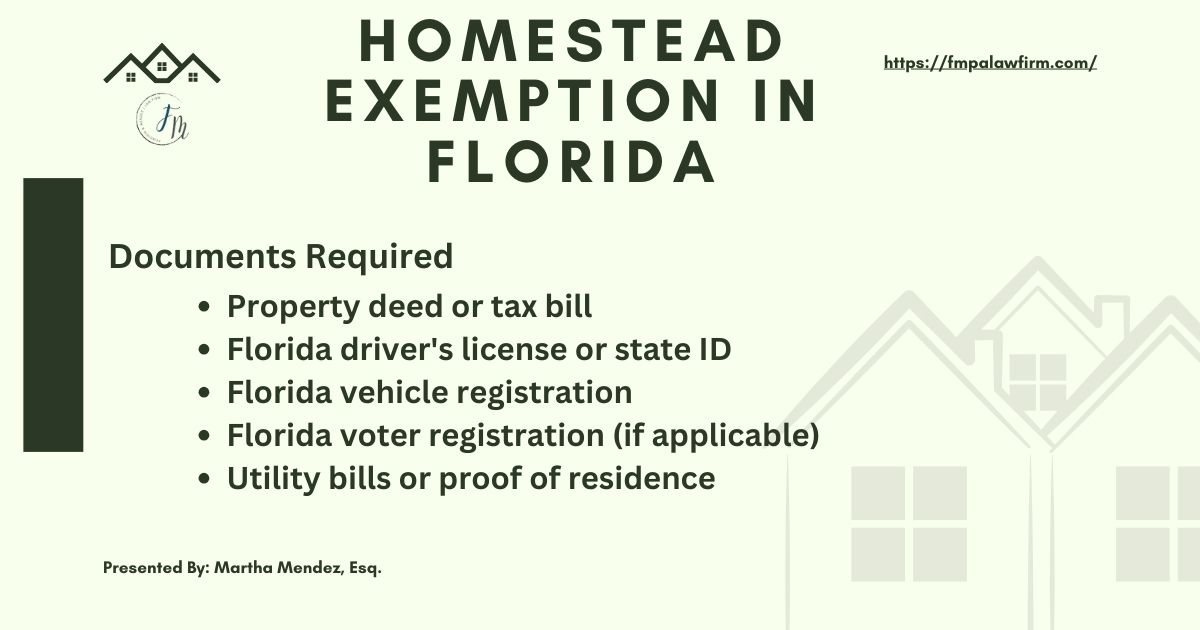
- Florida voter registration.
- Florida driver’s license or identification card.
- Florida vehicle registration.
- Declaration of domicile recorded in public records.
- Children enrolled in local schools.
- Termination of residency in any other state (e.g., selling a former primary residence, changing mailing addresses).
It’s crucial that you do not claim residency or a similar exemption in another state simultaneously. The homestead exemption is strictly for your primary permanent accommodation. If you own multiple properties, only the one you genuinely reside in as your main home will qualify.
The Application Process: Securing Your Long-Term Accommodation Benefit
Once you’ve confirmed your eligibility, the next step is to formally apply for the Homestead Exemption. This process is managed at the county level by your local Property Appraiser’s Office. While straightforward, it requires careful attention to detail and adherence to deadlines.
Gathering Necessary Documentation
To streamline your application, it’s advisable to gather all required documents beforehand. The specific list may vary slightly by county, but generally, you will need:
- Proof of Ownership: A copy of the recorded deed to your property or other evidence of ownership. This confirms you are the rightful owner of the long-term accommodation you are claiming.
- Proof of Florida Residency: This is essential to demonstrate that the property is your primary, permanent home. Acceptable forms include a Florida driver’s license, Florida identification card, or voter registration card. These documents should reflect the address of the property for which you are seeking the exemption.
- Proof of Social Security Number: For all owners listed on the deed who are applying for the exemption.
- Proof of U.S. Citizenship or Permanent Residency: If you are not a U.S. citizen, you will need to provide documentation of your permanent residency status (e.g., green card) or other appropriate visa documentation.
- Other Supporting Documents: Depending on your situation, additional documents might be requested. For example, if you are a married couple, you might need your marriage certificate. If you are applying for additional exemptions (e.g., for veterans with disabilities, surviving spouses), specific proof related to those statuses will be required.
Ensure all documents are current and accurately reflect your status and the property details. A comprehensive collection of these documents will significantly expedite your application.
Where and When to File
The application for the Homestead Exemption is filed with the Property Appraiser’s Office in the county where your property is located. Most counties now offer online application portals, allowing you to complete and submit your application digitally, which can be a convenient option for many new Florida residents. Alternatively, you can typically apply in person or via mail.
The filing deadline is critical: March 1st of the year for which you are seeking the exemption. This means if you purchased and established permanent residency in your home in 2023, you would need to file your application by March 1st, 2024, to receive the exemption for the 2024 tax year. While applications are accepted after March 1st up to a certain point (usually in September), they are generally considered “late applications” and may face additional scrutiny or require a specific reason for the delay. Missing the deadline altogether means you will not receive the exemption for that tax year, necessitating a wait until the next year to apply. Therefore, marking this date on your calendar is essential for securing your long-term accommodation benefits promptly.
Beyond the Initial Filing: Maintaining Your Exemption
Securing the Homestead Exemption is often a one-time application process, but maintaining it requires awareness of renewal processes and potential life changes that could affect your eligibility. For long-term residents, ensuring this benefit continues uninterrupted is key to sustained financial planning.
Automatic Renewals and Required Updates
In most Florida counties, once you have been granted the Homestead Exemption, it will automatically renew each year as long as you continue to meet the eligibility requirements and the property remains your primary permanent residence. You typically don’t need to reapply annually.
However, it is crucial to review the “Notice of Homestead Exemption” or “Homestead Renewal Postcard” that your Property Appraiser’s Office sends out each year (usually in January). This notice will confirm that your exemption is active and will often list the property’s assessed value and estimated taxes. If there are no changes to your homestead status, no action is usually required.
You are legally obligated to notify the Property Appraiser’s Office if there are any changes that might affect your eligibility. These changes include:
- Selling the Property: The exemption does not transfer to the new owner.
- Renting Out the Property: If it ceases to be your primary residence.
- Changing Your Primary Residence: If you move to another home, even within Florida.
- Marriage or Divorce: Changes in marital status can impact how the exemption is claimed, especially if you now own property jointly or separately.
- Claiming Residency or a Similar Exemption in Another State: This is a direct disqualifier.
Failing to report such changes can result in penalties, including having to pay back taxes with interest. Therefore, proactive communication with your local Property Appraiser’s Office is vital for long-term residents.
Portability and Additional Exemptions
Florida offers the unique benefit of “Homestead Portability.” This allows qualified homeowners to transfer some or all of their “Save Our Homes” benefits (the cap on assessed value increases) from a previous Florida homestead to a new Florida homestead. This is a significant advantage for long-term residents who wish to move within the state but still retain the accumulated tax savings from their previous primary accommodation. The portability benefit can substantially reduce the property taxes on your new home, making moving within Florida a more financially appealing prospect.
In addition to the standard Homestead Exemption, Florida also provides various supplementary exemptions for specific groups, further reducing the tax burden for long-term residents:
- Widow/Widower Exemption: An additional $500 exemption for widows and widowers who have not remarried.
- Disability Exemption: An additional $500 for individuals who are legally blind or totally and permanently disabled.
- Veteran Exemptions: Significant additional exemptions are available for honorably discharged veterans with service-connected disabilities, with the amount varying based on the percentage of disability. For a 100% disabled veteran, the exemption can be a full exemption from real estate taxes.
- Senior Exemptions: Some counties offer additional exemptions for seniors who meet specific age and income criteria.
It is crucial to inquire about and apply for any additional exemptions for which you may qualify, as these can further enhance the affordability of your long-term Florida home. Each of these requires its own separate application and supporting documentation, typically filed at the same time as your initial Homestead Exemption application.
Common Pitfalls and Expert Tips for Florida Homeowners
Navigating governmental processes can sometimes be complex. Awareness of common missteps and employing expert advice can smooth your journey to securing and maintaining your Homestead Exemption, ensuring your long-term accommodation in Florida remains financially sound.
Avoiding Application Errors
Many applicants encounter delays or denials due to preventable errors. Common pitfalls include:
- Missing the March 1st Deadline: This is the most frequent mistake. Mark it on your calendar and aim to apply well in advance.
- Incomplete or Incorrect Documentation: Ensure all required forms are filled out accurately and all supporting documents are attached and legible. Discrepancies between your deed, driver’s license, and application can cause issues.
- Claiming Multiple Primary Residences: You can only have one primary residence. If you own property in another state, ensure you have formally ceased claiming residency there before applying in Florida.
- Failing to Update Information: As discussed, life changes (marriage, divorce, moving) must be reported. Do not assume automatic updates will occur.
- Confusing Mail Addresses with Primary Residence: Receiving mail at a Florida address does not automatically qualify it as your primary residence. You must genuinely live there as your permanent home.
- Not Filing for Portability (if applicable): If you move within Florida and previously had a homestead, ensure you apply for portability within the two-year window to transfer your Save Our Homes benefit.
Double-checking your application and supporting documents before submission is always a wise strategy. Many Property Appraiser websites offer checklists or FAQs that can help clarify specific requirements.

Seeking Professional Guidance
While the Homestead Exemption application is designed to be accessible to homeowners, certain situations might warrant professional assistance.
- Complex Ownership Structures: If your property is owned through a trust, a life estate, or other intricate legal arrangements, consulting with a real estate attorney or tax advisor is highly recommended. They can ensure your ownership structure is compatible with the exemption requirements and advise on any necessary adjustments.
- Disputed Residency Claims: If your claim of Florida residency is questioned, or if you have previously claimed residency in another state, a legal professional can help you gather sufficient evidence and present your case effectively.
- Additional Exemptions for Special Circumstances: While the Property Appraiser’s Office can provide information, a financial planner or elder law attorney can offer tailored advice on maximizing all available exemptions, especially for seniors, veterans, or those with disabilities, ensuring you capture every benefit for your long-term accommodation.
- Appealing a Denial: If your application is denied, or you disagree with your property’s assessed value, seeking legal counsel can be beneficial in understanding your rights and the appeals process.
The Property Appraiser’s Office staff are a valuable resource for general information and forms. However, for personalized legal or tax advice, consulting with qualified professionals ensures that your long-term accommodation in Florida is secured with all applicable financial protections.
The Florida Homestead Exemption is an invaluable benefit for anyone establishing a permanent residence in the state. By diligently understanding the eligibility criteria, meticulously preparing your application, and staying informed about maintenance requirements and additional opportunities, you can significantly enhance the long-term affordability and security of your Florida home. This critical step not only reduces your property tax burden but also solidifies your commitment to a lasting life in the Sunshine State, making your chosen accommodation truly feel like home.
LifeOutOfTheBox is a participant in the Amazon Services LLC Associates Program, an affiliate advertising program designed to provide a means for sites to earn advertising fees by advertising and linking to Amazon.com. Amazon, the Amazon logo, AmazonSupply, and the AmazonSupply logo are trademarks of Amazon.com, Inc. or its affiliates. As an Amazon Associate we earn affiliate commissions from qualifying purchases.