
Navigating the process of establishing a Limited Liability Company (LLC) in Texas might seem daunting, but with a clear understanding of the steps involved, it becomes a manageable and rewarding endeavor. This guide aims to demystify the formation of an LLC in the Lone Star State, providing a comprehensive overview to empower aspiring entrepreneurs. While our website primarily focuses on the vibrant world of travel and lifestyle, we recognize that a strong foundation for any successful venture, including those that fuel unforgettable experiences, begins with sound business acumen. Understanding how to legally structure your business is a crucial first step, whether you’re planning to launch a boutique hotel in Austin, a unique guided tour service in San Antonio, or a curated travel blog from your cozy villa in Dallas.
The allure of Texas extends beyond its iconic landscapes and rich history; it’s a dynamic economic powerhouse fostering innovation and entrepreneurship. For many, the journey to creating a memorable travel experience or offering exceptional accommodation starts with a business. An LLC offers a compelling structure, blending the pass-through taxation of a sole proprietorship or partnership with the limited liability protection of a corporation. This means your personal assets are generally shielded from business debts and lawsuits, a critical safeguard for any entrepreneur venturing into the competitive hospitality or tourism sectors.
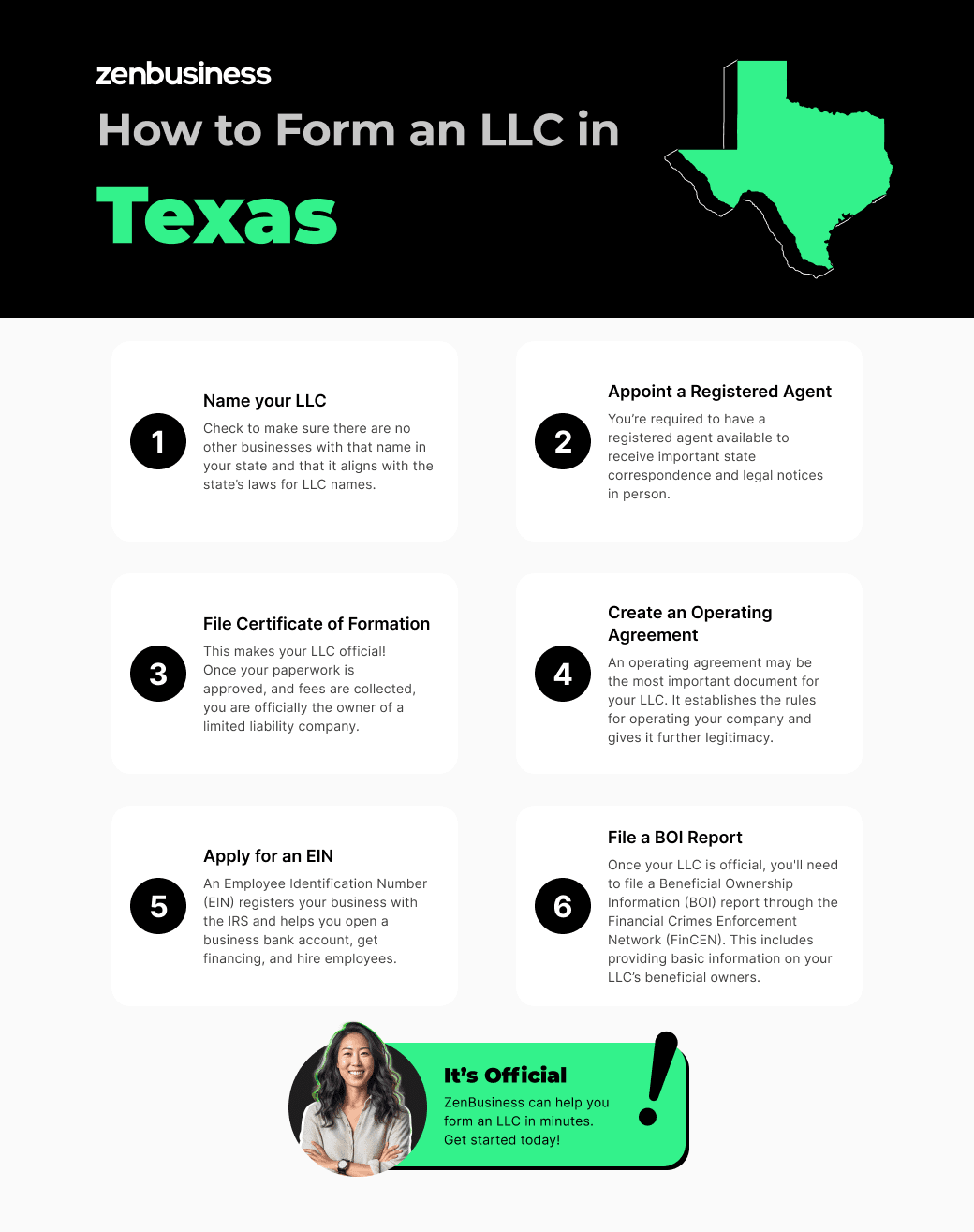
The process of filing for an LLC in Texas involves several key stages. It’s essential to approach each step with diligence and attention to detail. From choosing a unique business name to designating a registered agent, each action contributes to a legally sound and compliant entity. We’ll break down these steps, ensuring you have the knowledge to confidently proceed. Think of this as the blueprint for your business adventure, much like a meticulously planned itinerary for exploring the wonders of Big Bend National Park or discovering the charm of Galveston Island.
Understanding the Fundamentals of an LLC in Texas
Before diving into the procedural aspects, it’s beneficial to grasp the core concept of an LLC and its advantages within the Texas legal framework. A Limited Liability Company (LLC) is a business structure that combines the pass-through taxation of a partnership or sole proprietorship with the limited liability of a corporation. This means that the owners, known as members, are typically not personally liable for the company’s debts or liabilities. This protection is invaluable, especially in industries like tourism and hospitality where unforeseen circumstances or client dissatisfaction can arise.
The benefits of an LLC in Texas are manifold. Firstly, the limited liability protection is a significant draw. It separates your personal assets, such as your home or savings, from your business’s financial obligations. This is particularly important when dealing with contracts, leases, or potential lawsuits. Secondly, LLCs offer flexibility in management and taxation. Unlike corporations, LLCs are not required to hold annual board meetings or maintain extensive corporate records. Taxation is also generally more straightforward. Profits and losses can be passed through directly to the members’ personal income without being taxed at the corporate level, avoiding the “double taxation” that C-corporations often face. This can be a considerable advantage for smaller businesses or startups.
Furthermore, an LLC can enhance your business’s credibility. Operating as a formal legal entity can instill greater confidence in clients, suppliers, and potential investors. It signifies a commitment to professionalism and a structured approach to business operations. For those aiming to offer premium luxury travel experiences or manage a portfolio of resorts, this professional image is paramount.
The formation of an LLC in Texas also allows for ease of operation. The management structure can be tailored to suit the specific needs of the business, whether it’s member-managed or manager-managed. This adaptability ensures that the company can evolve as it grows. When you are ready to expand your offerings, perhaps from intimate guided tours of the Texas Hill Country to a full-service boutique hotel in Houston, the LLC structure can accommodate these changes.
The Essential Steps to Filing Your Texas LLC
Establishing your LLC in Texas involves a series of well-defined steps that, when followed correctly, will result in a legally recognized business entity. Each step is crucial, and understanding its purpose will help ensure a smooth and efficient filing process. Think of this as gathering all the necessary components for a perfectly curated travel experience – each element plays a vital role.
1. Choose a Business Name
The first and perhaps most creative step is selecting a unique and appropriate name for your LLC. In Texas, your LLC name must be distinguishable from the names of other registered business entities. This means it cannot be the same as or confusingly similar to an existing name. The name must also include the words “Limited Liability Company” or an abbreviation such as “LLC” or “L.L.C.”
To check if your desired name is available, you can search the Texas Secretary of State’s business database. This is a critical step to avoid potential conflicts and name rejection. It’s also advisable to consider names that are memorable, relevant to your business, and potentially include keywords related to your industry, such as ” Travel, ” ” Experiences, ” or ” Accommodation.”
Once you have identified a suitable name, you can reserve it for 120 days by filing a Name Reservation form with the Texas Secretary of State. This is a proactive measure that ensures no one else can use your chosen name while you complete the rest of the filing process. This reservation is particularly useful if you are in the planning stages of launching a new resort or villa complex and want to secure your brand identity.
2. Appoint a Registered Agent
Every LLC in Texas must designate a registered agent. This is a person or business entity that agrees to accept legal documents on behalf of your LLC. The registered agent must have a physical street address in Texas (not a P.O. Box) and be available during normal business hours to receive service of process.
You can appoint yourself as the registered agent, a trusted employee, or a third-party service. If you choose a third-party service, they will handle the forwarding of any legal documents to you. This is an important consideration, especially if your business involves extensive travel, making it difficult to be consistently available at a single address. A reliable registered agent ensures that your business remains compliant with legal requirements and avoids potential default judgments. For a lifestyle brand that might involve frequent business stays or extensive family trips, ensuring a stable point of contact is paramount.
3. File the Certificate of Formation
The core document for establishing your LLC in Texas is the Certificate of Formation (sometimes referred to as Articles of Organization). This document is filed with the Texas Secretary of State. It must contain specific information, including:
- The name of the LLC.
- The name and physical address of the registered agent.
- The management structure of the LLC (e.g., member-managed or manager-managed).
- The names and addresses of the organizers.
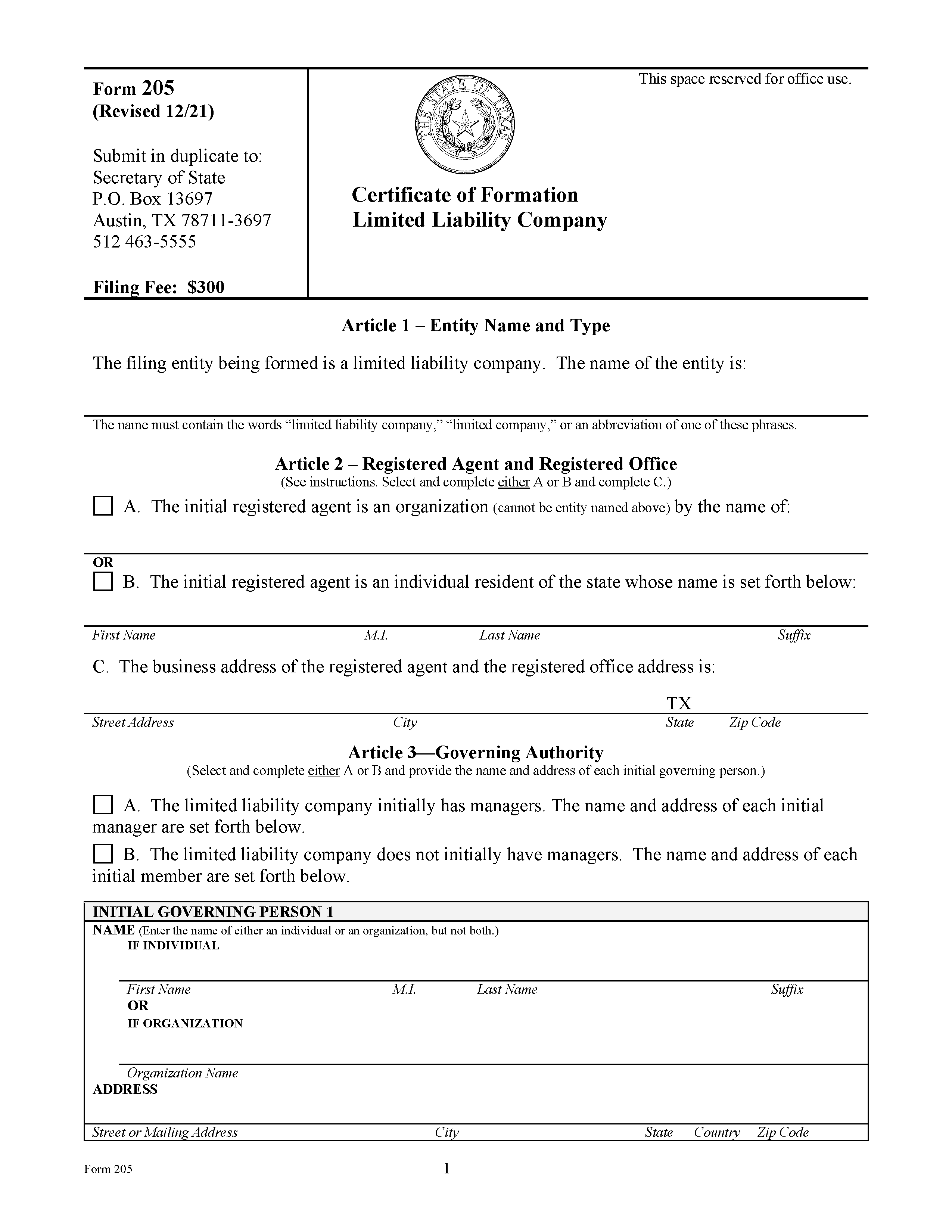
You can download the form from the Texas Secretary of State’s website or file it online. There is a filing fee associated with this process, which is subject to change. It is crucial to ensure all information provided in the Certificate of Formation is accurate and complete. This document legally creates your LLC and is the foundation upon which your business will operate. For an aspiring hotel owner in San Antonio or a tour guide in Austin, this is the official birth certificate of their business.
4. Create an Operating Agreement
While not legally required by the Texas Secretary of State, an Operating Agreement is a vital internal document for your LLC. This agreement outlines the ownership structure, management responsibilities, profit and loss distribution, and operating procedures of your LLC. It serves as a roadmap for how your business will be run and can prevent future disputes among members.
A well-drafted Operating Agreement is particularly important if you have multiple members in your LLC. It can detail buy-sell provisions, dissolution procedures, and how new members can be admitted. Even for a single-member LLC, an Operating Agreement helps to demonstrate the separation between the owner and the business, further reinforcing limited liability. For a luxury travel agency or a boutique resort, this document can define the high standards of operation and client service.
5. Obtain an EIN (Employer Identification Number)
An Employer Identification Number (EIN), also known as a Federal Tax Identification Number, is issued by the Internal Revenue Service (IRS). You will need an EIN if your LLC plans to hire employees, operates as a corporation or partnership for tax purposes, or files certain tax returns. Even if you don’t plan to hire employees immediately, obtaining an EIN is often recommended for opening a business bank account and for general business operations.
You can apply for an EIN for free on the IRS website. This is a simple online application process that typically takes only a few minutes. Having an EIN is a crucial step in formalizing your business and ensuring compliance with federal tax regulations, whether you’re planning a large-scale tourism venture or a niche lifestyle brand.
Maintaining Your Texas LLC: Ongoing Compliance and Best Practices
Forming an LLC is just the beginning. To ensure your business remains in good standing and continues to benefit from its legal structure, ongoing compliance and sound operational practices are essential. This is akin to ensuring that every travel experience you offer is consistently excellent, requiring continuous attention to detail and proactive management.
Annual Franchise Tax Reports
In Texas, LLCs are generally required to pay an annual franchise tax, unless they qualify for an exemption. Even if your LLC has no net taxable resources, you may still be obligated to file a “no tax due” report annually. This report is filed with the Texas Comptroller of Public Accounts.
The franchise tax is based on the LLC’s revenue and its ownership structure. It is crucial to stay informed about the filing deadlines and tax requirements to avoid penalties and interest. For businesses that operate in the tourism sector, with potentially fluctuating revenues, understanding these tax obligations is vital for financial planning.
Business Licenses and Permits
Depending on the nature of your business and its location within Texas, you may need to obtain various state, county, and city licenses and permits. For example, if you are operating a hotel, a restaurant within a resort, or offering specific types of travel experiences (e.g., adventure tours), you will likely need to secure specialized licenses.
It is the responsibility of the LLC owner to research and acquire all necessary licenses and permits. This may involve applications, inspections, and fees. Consulting with your local city hall, county clerk, or the Texas Department of Licensing and Regulation can provide specific guidance. Ensuring you have all the proper credentials is as important as having a well-appointed suite in a premier resort in Galveston or a perfectly mapped guide for exploring San Antonio.
Record Keeping and Financial Management
Maintaining meticulous records is fundamental for any successful business, and an LLC is no exception. This includes keeping detailed financial records, such as income statements, balance sheets, and expense reports. It also involves retaining copies of important business documents, including contracts, leases, and filings with the Secretary of State.
Proper financial management and record-keeping not only aid in tax preparation but also provide valuable insights into your business’s performance. This data can inform strategic decisions, such as where to invest in marketing for your luxury travel packages or how to optimize pricing for your accommodation options. For any venture, from a small bed and breakfast in the Texas Hill Country to a large convention hotel in Dallas, robust record-keeping is the backbone of sustainable growth.

Staying Informed on Legal and Tax Changes
The legal and tax landscape can evolve. It is imperative to stay informed about any changes that may affect your LLC in Texas. This could involve new state legislation, federal tax law amendments, or changes in regulatory requirements. Regularly reviewing updates from the Texas Secretary of State and the IRS, or consulting with legal and financial professionals, can help ensure your business remains compliant.
By diligently following these steps and maintaining ongoing compliance, you can establish and operate your LLC in Texas with confidence. This solid legal foundation will allow you to focus on delivering exceptional travel experiences, providing outstanding accommodation, and building a thriving lifestyle brand that resonates with your audience, whether they are planning a family vacation, a business trip, or seeking the ultimate adventure in the heart of Texas.
LifeOutOfTheBox is a participant in the Amazon Services LLC Associates Program, an affiliate advertising program designed to provide a means for sites to earn advertising fees by advertising and linking to Amazon.com. Amazon, the Amazon logo, AmazonSupply, and the AmazonSupply logo are trademarks of Amazon.com, Inc. or its affiliates. As an Amazon Associate we earn affiliate commissions from qualifying purchases.