
Navigating the intricacies of maternity leave can feel like charting an unfamiliar territory, especially when it comes to understanding your rights and the procedural steps involved. For expectant mothers in California, this process is governed by a robust framework designed to protect both employee and employer. This guide aims to demystify the journey of filing for maternity leave in the Golden State, ensuring you can focus on this precious time with your growing family, rather than administrative burdens. California offers some of the most progressive family leave policies in the United States, providing a crucial safety net for new parents. Understanding these policies, from eligibility requirements to the actual application process, is paramount.
Understanding Your Rights and Eligibility in California
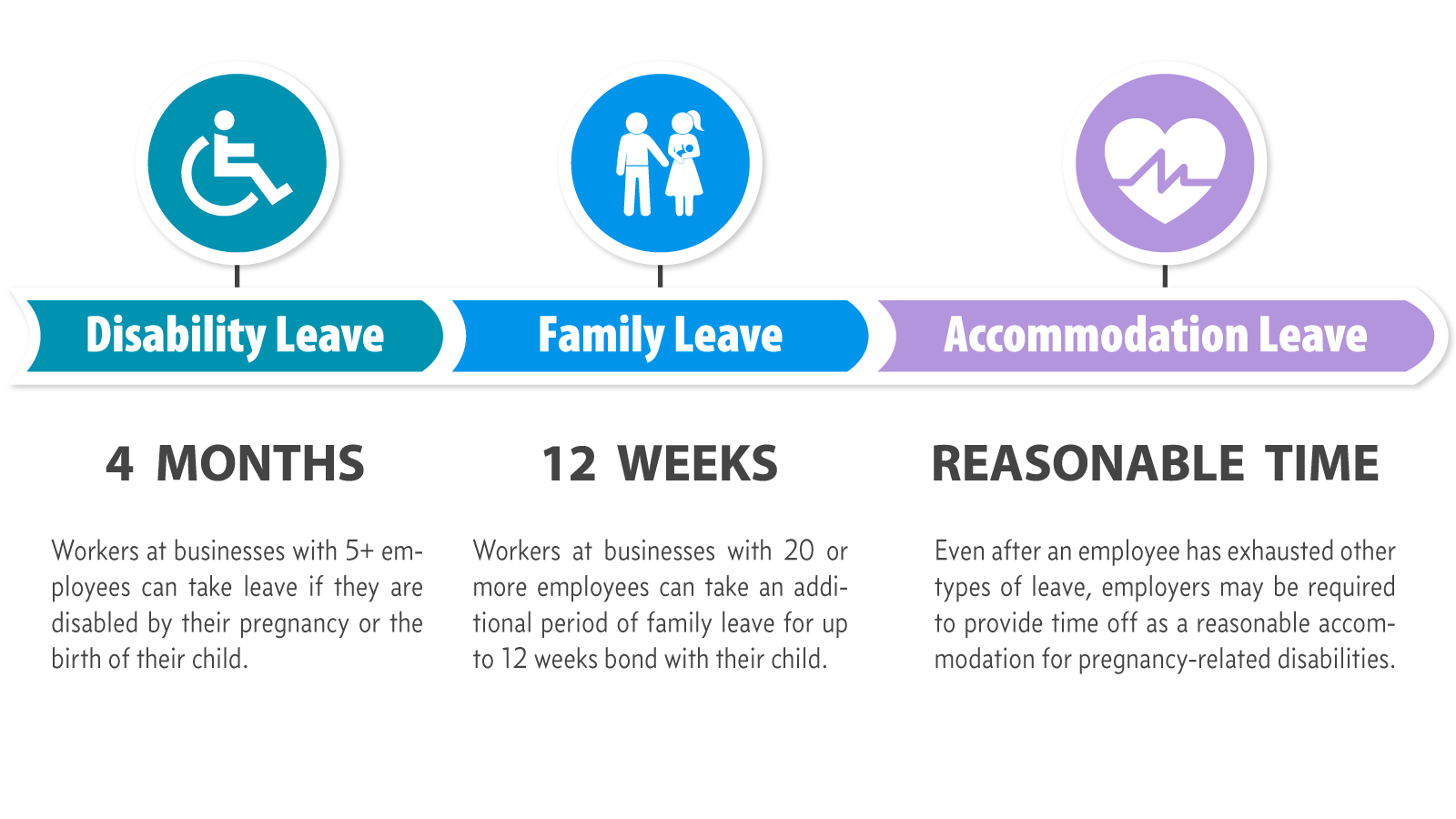
California’s maternity leave provisions are primarily outlined by two key pieces of legislation: the California Family Rights Act (CFRA) and the federal Family and Medical Leave Act (FMLA). While there’s overlap, understanding their distinctions is vital for comprehensive planning.
The California Family Rights Act (CFRA)
The CFRA, administered by the Department of Fair Employment and Housing (DFEH), allows eligible employees to take up to 12 workweeks of unpaid, job-protected leave in a 12-month period for qualified family and medical reasons. For pregnancy, this typically includes:
- Pregnancy, childbirth, or related medical conditions: This covers the period of actual pregnancy, as well as recovery time following childbirth. It can also extend to conditions arising from pregnancy, such as gestational diabetes or preeclampsia.
- Bonding with a new child: The CFRA explicitly allows for leave to bond with a newborn, adopted, or foster child within the first 12 months of the child’s placement. This bonding leave can be taken all at once or intermittently, with employer consent for intermittent leave.
To be eligible for CFRA leave, an employee must have been employed by the same employer for at least 12 months, have worked at least 1,250 hours in the 12 months immediately preceding the leave, and the employer must have 50 or more employees within a 75-mile radius.
The Federal Family and Medical Leave Act (FMLA)
The FMLA, administered by the U.S. Department of Labor, offers similar protections on a federal level. Eligible employees can take up to 12 workweeks of unpaid, job-protected leave in a 12-month period for specific family and medical reasons, including the birth, adoption, or foster care placement of a child.
To qualify for FMLA leave, an employee must:
- Work for a covered employer (generally, employers with 50 or more employees within a 75-mile radius).
- Have worked for the employer for at least 12 months.
- Have worked at least 1,250 hours in the 12 months immediately preceding the leave.
It’s important to note that CFRA and FMLA leave often run concurrently. This means that if you are eligible for both, your 12 weeks of leave under one act will also count towards your 12 weeks under the other. However, CFRA offers some protections beyond FMLA, such as prohibiting discrimination based on pregnancy and extending leave for serious health conditions of registered domestic partners.
Paid Family Leave (PFL) in California
While CFRA and FMLA provide job protection and unpaid leave, California also offers Paid Family Leave (PFL) through the Employment Development Department (EDD). PFL is a wage replacement program that allows eligible workers to take time off to bond with a new child or care for a seriously ill family member.
PFL is funded by employee contributions through State Disability Insurance (SDI). It provides partial wage replacement, typically around 60-70% of your weekly wages, up to a maximum amount. PFL is not job-protected; meaning your employer is not legally required to hold your position while you are on PFL. However, it often complements CFRA or FMLA leave, allowing new mothers to receive some income during their time away from work.
Preparing Your Maternity Leave Request
Proactive planning is key to a smooth maternity leave process. This involves early communication with your employer, understanding your company’s specific policies, and gathering necessary documentation.
Early Communication with Your Employer
Once you have a confirmed due date, it’s advisable to inform your employer about your pregnancy and your intention to take maternity leave. While there isn’t a strict legal deadline for notification, providing ample notice (typically at least 30 days, or as soon as practicable if the leave is unforeseeable) allows your employer to make necessary arrangements for coverage.
Your initial conversation should include:
- Your expected due date.
- Your anticipated start date for leave.
- Your planned return-to-work date.
Be prepared to discuss how your responsibilities will be managed during your absence. Offering to help create a transition plan can demonstrate your commitment and professionalism. This might involve documenting ongoing projects, training a colleague, or preparing a detailed handover document.
Reviewing Your Company’s Leave Policies
Most employers in California have internal policies regarding maternity leave that may offer benefits beyond the legal minimums. It is crucial to obtain and thoroughly review your company’s employee handbook or speak directly with your Human Resources department to understand:
- Specific notification requirements: Some companies might have internal forms or specific individuals to notify.
- Accrued paid time off (PTO), vacation, and sick leave: You may be able to use these to supplement your income during unpaid leave or cover periods not covered by PFL.
- Short-term disability (STD) benefits: Many employers offer STD policies that can provide additional income replacement during pregnancy and postpartum recovery. This is separate from PFL.
- Coordination of benefits: How do company STD, PFL, and any accrued paid time off interact?
Understanding these company-specific policies will help you maximize your financial support and ensure you meet all internal procedural requirements.
Gathering Necessary Documentation
Depending on your employer’s requirements and the specific types of leave you are applying for, you may need to provide certain documentation. For CFRA and FMLA leave, this often includes:
- A certification of health condition: For pregnancy, this would typically be a note from your healthcare provider confirming your pregnancy, estimated due date, and potentially a recommended period for leave due to medical necessity.
- For bonding leave: While often simpler, your employer might require documentation of the child’s birth or adoption placement.
For Paid Family Leave (PFL), you will need to file a claim with the California Employment Development Department (EDD). The EDD website provides detailed instructions and forms, which typically require:
- Proof of your relationship to the family member you are caring for (if applicable).
- Certification from a healthcare provider regarding the need for leave.
- Your employment and wage history.
Starting this process early can prevent delays in receiving benefits.
Filing Your Maternity Leave Request
The actual filing process involves submitting formal requests to both your employer and, if applicable, the relevant state agencies for paid benefits.
Submitting Your Employer Request
Your formal request to your employer should be in writing and clearly outline the details of your planned leave. A well-structured letter or email should include:
- Your name and employee ID.
- The start date and anticipated end date of your leave.
- The reason for your leave (e.g., pregnancy, childbirth, bonding).
- A statement indicating you are requesting leave under CFRA and/or FMLA.
- Your plan for managing your work responsibilities during your absence (as discussed previously).
- Your contact information during leave.
Keep a copy of this request for your records. Your employer will likely provide you with their own leave request forms or require specific documentation to process your request. Be sure to complete these accurately and return them promptly.
Applying for Paid Family Leave (PFL)
To receive wage replacement benefits through California’s Paid Family Leave program, you must file a claim with the EDD. The process typically involves:
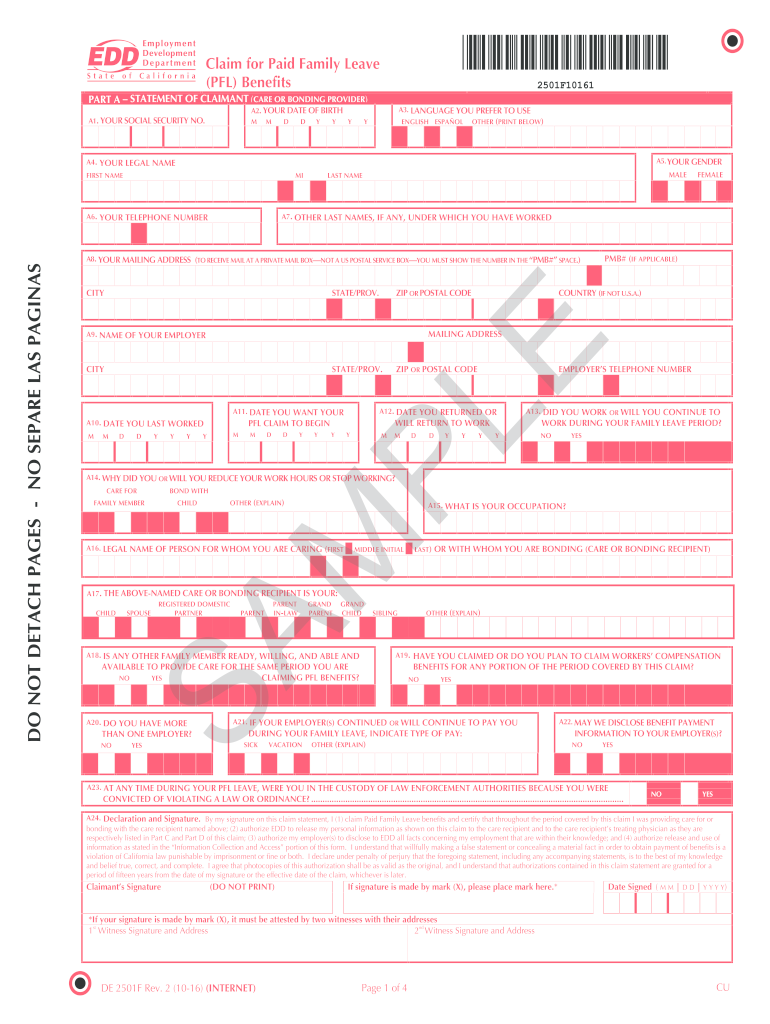
- Obtain the Claim Form: You can download the Claim for Paid Family Leave (PFL) Benefits form (DE 2501F) from the EDD website.
- Complete Your Section: Fill out the applicant’s portion of the form with your personal information, employment history, and the details of your leave.
- Have Your Healthcare Provider Complete Their Section: If your leave is for pregnancy-related medical conditions, your doctor will need to certify your condition and the period of disability. If it’s for bonding, the form will have sections for that purpose.
- Submit the Claim: Mail the completed claim form to the address specified on the form. It is advisable to send it via certified mail to have proof of submission.
- Respond to EDD Inquiries: The EDD may contact you or your employer for additional information. Promptly responding to any requests will help expedite the processing of your claim.
It’s important to submit your PFL claim as soon as possible after your leave begins to avoid any interruption in payments.
Understanding Your Return to Work Rights
Both CFRA and FMLA provide job protection, meaning your employer must reinstate you to your original or an equivalent position upon your return from leave. An equivalent position is one that is virtually identical to your original job in terms of pay, benefits, and other employment conditions, and involves substantially similar duties, responsibilities, and status.
If your employer offers more generous leave policies or if you have negotiated specific terms with your employer, ensure these are clearly documented. If you encounter any issues with reinstatement or believe your rights have been violated, you can contact the Department of Fair Employment and Housing (DFEH) or the U.S. Department of Labor for guidance and assistance.
By understanding your rights, planning diligently, and following the correct procedures, you can ensure a smoother transition into maternity leave, allowing you to cherish this significant life event with peace of mind.
LifeOutOfTheBox is a participant in the Amazon Services LLC Associates Program, an affiliate advertising program designed to provide a means for sites to earn advertising fees by advertising and linking to Amazon.com. Amazon, the Amazon logo, AmazonSupply, and the AmazonSupply logo are trademarks of Amazon.com, Inc. or its affiliates. As an Amazon Associate we earn affiliate commissions from qualifying purchases.