
Navigating periods of unemployment can be a challenging journey, but in California, a robust system is in place to provide support through unemployment insurance benefits. For many, a stable income is the bedrock of a fulfilling lifestyle, enabling everything from daily necessities to dream travel experiences. Understanding how to access these vital resources is crucial for maintaining financial stability and planning for your future, whether that involves new career paths or continued exploration of the world. This comprehensive guide will walk you through the process of filing for unemployment in the Golden State, helping you understand the requirements, application steps, and what to expect during this transition.
The Employment Development Department (EDD) is the state agency responsible for managing unemployment insurance (UI) claims in California. Their system is designed to provide temporary financial assistance to eligible workers who have lost their jobs through no fault of their own. While the immediate focus might be on securing benefits, approaching this period with a clear strategy can help you not only manage current expenses but also lay the groundwork for a renewed lifestyle, perhaps even paving the way for those long-anticipated trips or experiences once financial footing is re-established. Think of this as a temporary detour, a strategic pause where you consolidate resources before embarking on the next phase of your personal and professional journey.

Understanding Unemployment Benefits in California: A Traveler’s Guide to Financial Stability
For those accustomed to a dynamic lifestyle, the prospect of unemployment can feel like an unexpected itinerary change. However, just as you’d research a new destination, understanding the landscape of unemployment benefits in California is your first step toward navigating this period with confidence. Unemployment Insurance (UI) is not a handout; it’s a program funded by employer contributions, designed to provide a safety net. Familiarizing yourself with its intricacies will ensure you can confidently claim the support you’re entitled to, allowing you to focus on future plans, be they career shifts or a return to travel.
Eligibility Requirements: Your Pathway to Support
Before you begin the application process, it’s essential to determine if you meet the eligibility criteria set by the California EDD. These requirements ensure that benefits are directed to those who truly qualify, making the system fair and sustainable. Meeting these prerequisites is like having all the necessary travel documents before boarding a flight – it ensures a smooth journey.
- Monetary Eligibility: You must have earned enough wages during your “base period.” The base period is a specific 12-month period the EDD uses to determine your weekly benefit amount and the maximum amount you can receive. Generally, this involves looking at your earnings in the last 18 months prior to your claim. The EDD will calculate this automatically, but understanding that your past earnings are the foundation for your benefits is key.
- Reason for Unemployment: You must have lost your job through no fault of your own. This typically includes layoffs, company closures, or a reduction in force. If you quit your job, you may still be eligible under certain circumstances, such as a “good cause” reason (e.g., unsafe working conditions, medical reasons, or to escape domestic violence). Similarly, if you were fired, you might be eligible if the reason for termination was not “misconduct” as defined by the EDD.
- Availability and Ability to Work: To receive benefits, you must be physically able to work, available for work, and actively seeking new employment. This means you should not be too sick or injured to work, and you must be willing to accept suitable employment if offered. This requirement emphasizes the temporary nature of UI benefits and the expectation that claimants will re-enter the workforce. Even if you’re dreaming of a remote work lifestyle from a beach in San Diego, you still need to demonstrate an active job search.
- Registered for Work (CalJOBS): In most cases, you will be required to register for work with CalJOBS, California’s online job search system. This step is often automatically handled during the application process, but it’s crucial to complete it if prompted, as it serves as proof of your active job search.
Meeting these eligibility criteria forms the bedrock of a successful unemployment claim, laying the groundwork for your financial support. It’s a structured approach, much like planning the essential components of a trip – you need to have your finances, reasons, and readiness all aligned.
Gathering Essential Documentation: Preparing for Your Journey
Just as a traveler collects passports, visas, and booking confirmations, preparing your documentation is a vital step in filing for unemployment. Having all necessary information at hand before you begin the online application will streamline the process and minimize delays. Think of these documents as your “boarding pass” to benefits.
Here’s what you’ll typically need:
- Social Security Number (SSN): Your unique identifier for employment and benefits.
- Driver’s License or State ID Number: For identity verification.
- Most Recent Employer Information: This includes their name, address, phone number, and your supervisor’s name. Be prepared to provide the exact dates of your employment.
- Reason for Separation: A clear and concise explanation of why you are no longer employed. If you have any formal separation notices or letters, keep them handy.
- Gross Earnings: Information on your wages for the past 18 months, especially for your last employer. Pay stubs or W-2 forms can be helpful references, though the EDD often has access to this data.
- Bank Account Information: For direct deposit of your benefits, which is the fastest and most convenient method. Have your routing and account numbers ready.
- Dates of Your Last Day Worked: Crucial for calculating your claim’s start date.
- Alien Registration Number (if not a U.S. citizen): For non-U.S. citizens authorized to work in the country.
Gathering these details in advance will make the online application much smoother, allowing you to complete it efficiently and confidently. This proactive approach mirrors the best practices in travel planning, where meticulous preparation ensures a stress-free experience.
Navigating the Application Process: Your Digital Journey to Support
Once you’ve confirmed your eligibility and gathered all necessary documentation, the next step is to file your claim with the EDD. In today’s digital age, this process is predominantly online, making it accessible from almost anywhere in California—whether you’re in bustling Los Angeles, the tech hub of San Jose, or the scenic wine country near Napa. The online system is designed for convenience, but understanding each stage is key to a successful submission.
Online Application through EDD: Streamlining Your Experience
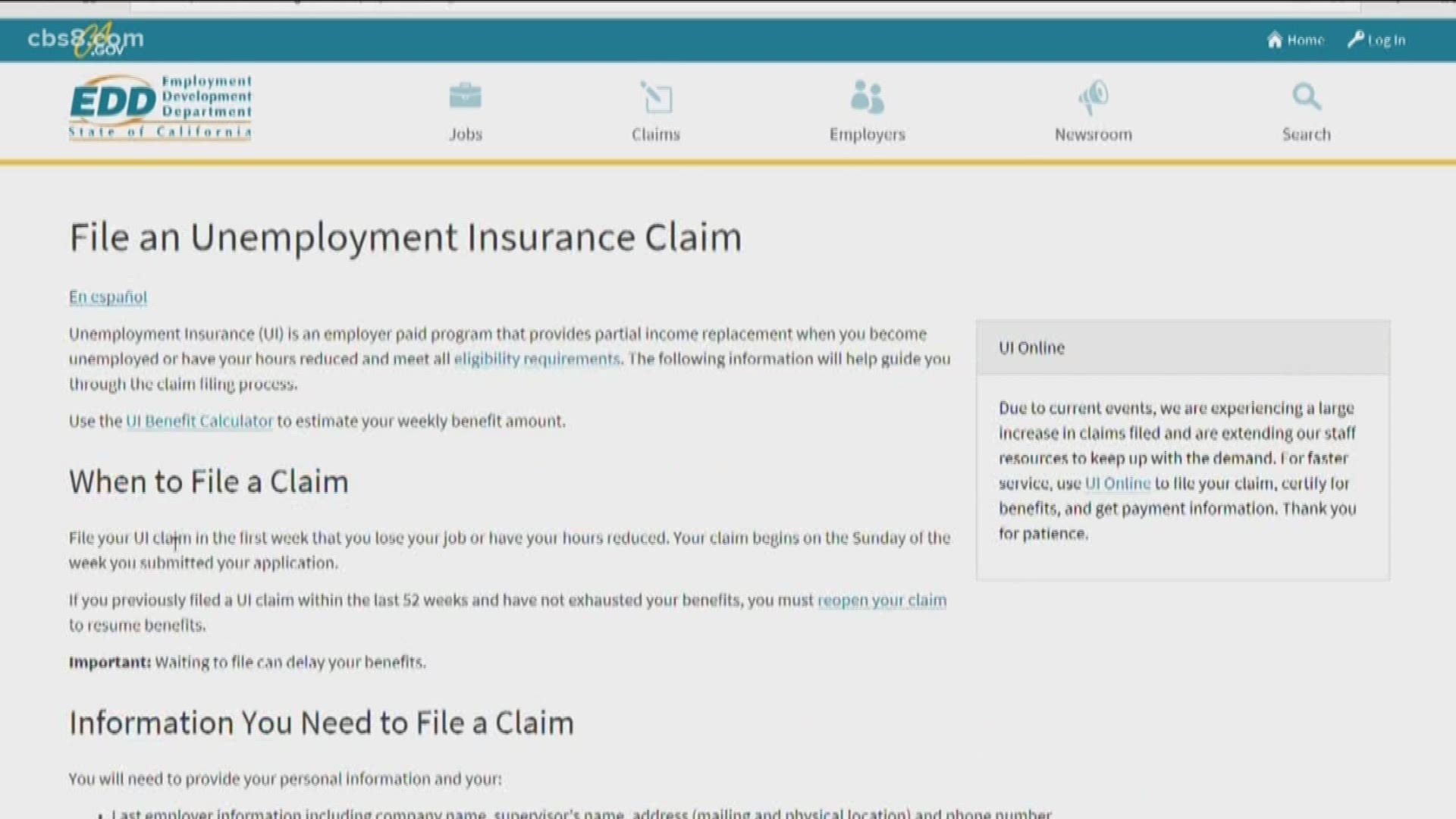
The most efficient way to file your unemployment claim in California is through the EDD’s online portal, UI Online. This platform is available 24/7, allowing you to complete your application at your own pace.
- Create a Benefit Programs Online Account: If you don’t already have one, you’ll need to register for an account on the EDD’s Benefit Programs Online (BPO) website. This is your secure gateway to managing your UI claim, disability insurance, and paid family leave. The registration process involves creating a username and password, and verifying your identity.
- Access UI Online: Once logged into your BPO account, select “UI Online.” This will take you to the specific portal for unemployment insurance claims.
- Start a New Claim: Follow the prompts to begin a new claim application. The system will guide you through various sections, asking for personal information, employment history, and details about your separation from work. Be precise and thorough in your responses. Any discrepancies or missing information could lead to delays.
- Review and Submit: Before submitting, carefully review all the information you’ve entered. Ensure accuracy in dates, earnings, and contact details. Once you are confident everything is correct, submit your application. You will receive a confirmation number, which you should save for your records.
- What Happens After Submission: After you file, the EDD will process your claim. This involves verifying your identity, contacting your former employer(s) to confirm the reason for your separation and earnings, and determining your weekly benefit amount. You will typically receive an “Unemployment Insurance Award Notice” by mail, informing you of your potential weekly benefit amount and the total maximum benefit amount. You might also receive a “Notice of Unemployment Insurance Claim Filed” which is sent to your last employer, giving them an opportunity to respond.
If there are any issues or questions, the EDD may schedule a phone interview. It’s crucial to answer any calls or respond to any requests for information promptly to avoid delays in your benefits. The online system, while efficient, still requires your diligent attention to detail.
Certifying for Benefits: Maintaining Your Eligibility
Filing your initial claim is just the beginning. To continue receiving unemployment benefits, you must “certify” for benefits every two weeks. This regular reporting confirms your ongoing eligibility and active job search efforts. This is like checking in at various stages of a long journey – a necessary step to keep moving forward.
- Understanding Certification: When you certify, you report your work search activities, any earnings you had during the two-week period (even if minimal), and confirm that you were able and available for work. It’s critical to report all earnings accurately; even part-time or temporary work can impact your benefits.
- Methods of Certification:
- UI Online: This is the easiest and fastest way to certify. Log into your Benefit Programs Online account, access UI Online, and select “Certify for Benefits.” The system will guide you through the questions.
- Mail: You can also receive and return paper certification forms (DE 4581) by mail. While an option, it is significantly slower than online certification.
- Work Search Requirements: In California, you are generally required to make reasonable efforts to search for work each week you claim benefits. The EDD encourages a variety of activities, including applying for jobs, creating résumés, attending job fairs, and networking. While the specific number of contacts may vary, the emphasis is on genuine, active engagement in the job market. Keep a detailed log of your job search activities, including dates, employer names, contact methods, and job titles, as the EDD may request this information.
- Timeliness is Key: Certifying on time is crucial. If you miss a certification deadline, your benefits may be delayed or you might lose benefits for that period. The EDD typically sends reminders, but it’s ultimately your responsibility to mark your calendar and submit certifications promptly.
By diligently certifying for benefits and actively seeking employment, you not only maintain your financial support but also demonstrate your commitment to re-entering the workforce, aligning with the program’s objectives.
Beyond the Initial Claim: Sustaining Your Lifestyle and Planning Ahead
Securing unemployment benefits provides essential short-term financial relief, but it also presents an opportunity to strategically plan for the future. This period can be a chance to reassess your career goals, develop new skills, and manage your finances to support your desired lifestyle, even if it means adjusting your immediate travel plans from international excursions to exploring California’s own diverse landmarks, from the majestic redwoods to the iconic Golden Gate Bridge in San Francisco. Effective financial management and proactive skill development during this time can set you up for long-term success and a return to your preferred way of life.
Managing Your Finances: Budgeting for the Road Ahead
Unemployment benefits are temporary and often represent a fraction of your previous income. Therefore, prudent financial management becomes paramount. Creating a realistic budget is the cornerstone of maintaining stability and even saving for future endeavors.
- Assess Your Current Financial Situation: Start by listing all your sources of income (including UI benefits) and all your expenses. Categorize expenses into “essential” (rent, utilities, groceries, healthcare) and “discretionary” (dining out, entertainment, non-essential shopping).
- Create a Strict Budget: Prioritize essential expenses. Look for areas to cut back on discretionary spending. For example, instead of a luxury hotel stay, consider more budget-friendly accommodation options or even camping in California’s beautiful state parks. Every dollar saved can extend your financial runway.
- Build an Emergency Fund (if possible): While you’re receiving benefits, try to put aside a small amount each week into an emergency fund. Even a modest buffer can provide peace of mind and flexibility if unexpected costs arise.
- Explore Financial Assistance Programs: Beyond UI, there might be other state or local programs that can help with specific needs like housing, utilities, or food assistance. Researching these options can provide additional support.
- Review Insurance Coverage: Ensure your health insurance remains active. If you lost employer-sponsored coverage, explore options through Covered California or COBRA.
By taking a disciplined approach to your finances, you can stretch your unemployment benefits further, reducing stress and empowering you to make thoughtful decisions about your future, including when and how you’ll resume your travel adventures. This period is a critical time for financial resilience, much like planning a long-term trip requires careful budgeting.
Exploring New Horizons: Skill Development and Job Search Resources
Unemployment is not just a financial challenge; it’s an opportunity for professional growth and exploration. Leveraging available resources for skill development and job searching can significantly shorten your period of unemployment and open doors to exciting new career paths or a more fulfilling lifestyle.
- Utilize CalJOBS: As mentioned, registering with CalJOBS (California Job Search) is often a requirement for UI benefits, but it’s also a powerful tool. It allows you to search for jobs, create and upload résumés, and access career resources. Many California companies post openings here, making it a central hub for job seekers.
- Invest in Skill Development: Consider using this time to acquire new skills or update existing ones. Many online platforms offer free or low-cost courses in high-demand fields such as digital marketing, coding, data analysis, or hospitality management. Local community colleges and adult education centers in cities like Sacramento and Fresno also offer vocational training and certification programs. Learning a new skill can make you more competitive in the job market and even open up possibilities for remote work, blending your career with a travel-friendly lifestyle.
- Networking: Connect with former colleagues, industry contacts, and professional organizations. Informational interviews can provide insights into new industries and potential job leads. Online platforms like LinkedIn are invaluable for expanding your professional network.
- Career Counseling and Workshops: The EDD and local Workforce Development Boards offer free workshops on résumé writing, interview skills, and job search strategies. These resources can be particularly helpful if you’re considering a career change or haven’t job hunted in a while.
- Explore Alternative Work Models: If traditional employment isn’t immediately available, consider freelance work, short-term contracts, or even volunteer opportunities. These can help maintain your skills, build your network, and provide some income while you search for a permanent position. Perhaps you can even find temporary work in the tourism or hospitality sector, aligning with the website’s themes.
This period of transition, though challenging, can be a valuable time for personal and professional reinvention. By actively managing your finances and proactively seeking new opportunities and skills, you’re not just surviving unemployment; you’re setting the stage for a stronger, more resilient future, ready for whatever adventures await, from local explorations to far-flung destinations. Filing for unemployment in California is a clear, step-by-step process that, when followed diligently, provides the necessary support to bridge the gap between employment, allowing you to focus on your next chapter with confidence and preparedness.