
In a world brimming with breathtaking destinations, luxurious accommodations, and transformative travel experiences, managing the practicalities of homeownership might seem like a mundane detour. Yet, for residents of the vast and vibrant state of Texas, understanding and utilizing the homestead exemption is not just about tax savings – it’s a foundational step towards unlocking a lifestyle rich in exploration, adventure, and financial freedom. Imagine reducing your property tax burden significantly, thereby freeing up more capital to invest in those dream vacations, spontaneous weekend getaways, or even a long-term stay in an exotic locale. This guide will demystify the process of filing a homestead exemption in Texas, revealing how this crucial piece of financial planning can be your passport to a life truly “out of the box.”
Texas, a land of diverse landscapes ranging from the sun-drenched beaches of the Gulf Coast to the majestic mountains of Big Bend National Park and the rolling hills of the Texas Hill Country, offers an unparalleled living experience. Whether you’re drawn to the live music scene in Austin, the urban sophistication of Dallas and Houston, or the historic charm of San Antonio, owning a home here comes with the invaluable benefit of the homestead exemption. This isn’t just a legal formality; it’s a strategic move that enhances your overall financial wellness, allowing you to allocate more resources towards experiences that truly enrich your life – be it boutique hotel stays, immersive cultural tours, or simply extending your travels.
Understanding the Homestead Exemption: A Foundation for Your Texas Lifestyle
Before you embark on your journey to financial freedom, it’s essential to grasp the core concept of the homestead exemption. Think of it as your first smart travel hack for your finances – a way to optimize your resources at home so you can maximize your adventures abroad.
What is a Homestead Exemption and Why Does it Matter for Travelers?
At its heart, a homestead exemption in Texas allows a homeowner to remove a portion of their home’s value from taxation, thereby lowering their property tax bill. For many, property taxes represent one of the most substantial recurring expenses of homeownership. Any reduction in this cost directly translates into more disposable income. For the discerning traveler, this isn’t just extra cash; it’s a tangible opportunity to upgrade a hotel stay from standard to suite, extend a planned trip by a few extra days, or simply have a larger budget for exploring local cuisines and activities in your chosen destination.
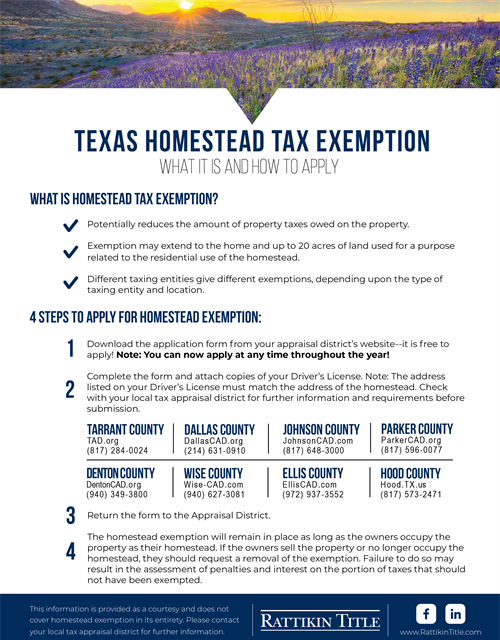
Texas offers several types of homestead exemptions, each designed to provide relief to different homeowner demographics:
- General Residence Homestead Exemption: This is the most common exemption, available to all homeowners on their primary residence. It allows you to deduct a percentage of your home’s appraised value from your taxable value, significantly lowering the base for your property taxes. This baseline saving can be a game-changer for budgeting for your next big trip.
- Over-65 Exemption: For those who have reached the age of 65, an additional exemption offers further tax relief. This fixed-dollar amount deduction provides a substantial benefit, often leading to a property tax freeze for school district taxes. For retirees, this extra financial cushion can make a huge difference in affording long-term travel plans, perhaps a grand tour of Europe or a leisurely cruise through the Caribbean.
- Disabled Person Exemption: Homeowners with a disability recognized by the Social Security Administration are also eligible for an additional fixed-dollar amount exemption, similar to the over-65 benefit. This support can alleviate financial burdens, allowing for more focus on quality of life, including accessible travel experiences and unique accommodation options tailored to individual needs.
- Disabled Veteran Exemption: Veterans with a service-connected disability are entitled to an exemption based on their disability rating, with 100% disabled veterans potentially receiving a total exemption from property taxes. This profound benefit can open up entirely new avenues for travel and leisure, providing freedom to explore the world without the weight of property tax concerns.
Understanding these exemptions is the first step in optimizing your living expenses, turning your home into a launching pad for your travel aspirations.
Eligibility for Your Texas Home Away From Home
To claim your homestead exemption, your property must meet specific criteria, akin to how your passport and visa must meet destination requirements.
- Primary Residence: The most critical requirement is that the property must be your principal residence. This means it’s where you live and conduct the majority of your daily life. It cannot be an investment property, a second home, or a vacation rental. This distinction is vital; the exemption is designed to support primary homeowners, grounding them in the community while simultaneously empowering their adventures.
- Ownership and Occupancy on January 1st: You must own the home and occupy it as your principal residence on January 1st of the tax year for which you are applying. If you purchased and moved into your home later in the year, you’d typically apply for the following year’s exemption. However, there’s a special provision: you can apply up to one year after the date you occupied the home as your principal residence, ensuring flexibility for those who might miss the initial deadline.
- Types of Homes: The homestead exemption isn’t limited to traditional single-family homes. It can also apply to manufactured homes (mobile homes), condominiums, or even a portion of a multi-family dwelling if you occupy one of the units. This inclusivity ensures that a wide array of Texas residents can benefit, regardless of their specific type of accommodation.
Meeting these eligibility requirements is your green light to proceed, paving the way for significant savings that can transform your travel dreams into reality.
The Step-by-Step Guide to Securing Your Texas Homestead Benefit
Filing for your homestead exemption is a straightforward process, but like planning any great trip, it requires attention to detail. Consider this your itinerary for navigating the necessary administrative steps.
Gathering Your Documentation: Your Passport to Savings
Before you even touch an application form, ensure you have all the necessary “travel documents” ready. Proper documentation is key to a smooth application process, preventing any delays that might impede your financial planning for future travels.
You will typically need the following:
- Texas driver’s license or ID card: This is your primary proof of residency. The address on your license must match the address of the property for which you are claiming the exemption. If it doesn’t, update it before applying.
- Vehicle Registration (if applicable): If you own a vehicle, your registration card should also display the homestead property address.
- Voter Registration Card (if applicable): While not strictly mandatory, having your voter registration card with the matching address can further solidify your claim of primary residency.
- Utility Bills: Recent utility bills (electricity, water, gas) addressed to you at the property address serve as excellent supplementary proof of occupancy.
- Additional Documents for Specific Exemptions:
- Over-65: Proof of age (e.g., birth certificate, driver’s license).
- Disabled Person: Documentation from the Social Security Administration or a physician’s statement verifying your disability.
- Disabled Veteran: A letter from the U.S. Department of Veterans Affairs indicating your disability rating.
Think of this documentation as your meticulously packed suitcase – having everything in order ensures a hassle-free journey through the application process.
Completing and Submitting Your Application: Navigating the Texas Bureaucracy
Once your documents are in order, it’s time to tackle the application itself. This is where you formally request your financial relief.
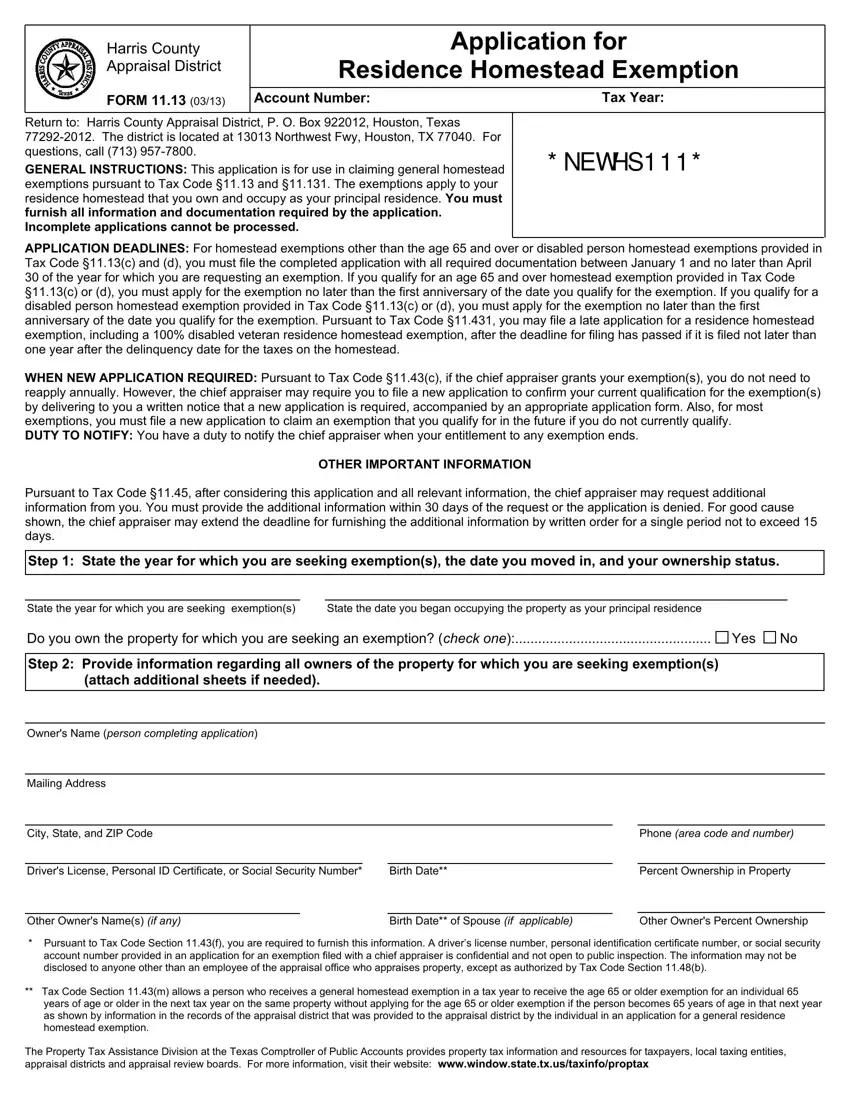
- Obtaining the Form: The “Application for Residential Homestead Exemption” form can typically be found on your local County Appraisal District (CAD) website. Every county in Texas has a CAD, so simply search for “[Your County] CAD” to find their official site. Most CADs allow you to download the form directly or even apply online, making the process highly convenient, much like booking a flight or hotel online.
- Filling Out the Form: The application is relatively straightforward. You’ll need to provide your personal information, the property address, and details about the specific exemptions you’re claiming (general, over-65, disabled, etc.). Be sure to fill out all sections accurately and completely. Any discrepancies or missing information could delay your application.
- Submission Methods:
- Online: Many CADs offer online application portals, which are often the quickest and easiest way to submit.
- Mail: You can print out the completed form, attach copies of your supporting documents, and mail them to your CAD office.
- In Person: If you prefer face-to-face interaction or have questions, you can visit your local CAD office to submit your application.
- The Deadline: The general deadline to file for a homestead exemption is April 30th of the tax year for which you are applying. However, as mentioned, you can file up to one year after the date you occupied the home as your principal residence. Mark this date on your calendar like you would a flight departure – missing it means a delay in enjoying your financial benefits. Importantly, there is no fee to apply for a homestead exemption.
This administrative step is a small investment of your time that promises significant returns, directly contributing to your travel fund and overall lifestyle enhancement.
What Happens Next? Enjoying the Texas Dream
Once you’ve submitted your application, the waiting game begins, much like anticipating the confirmation of a coveted hotel booking.
- Processing Time: Your County Appraisal District (CAD) will review your application. This process can take several weeks, especially during peak filing periods.
- Notification: You will receive a notification, typically by mail, informing you whether your application has been approved or denied. If approved, your property tax records will be updated to reflect the exemption. If denied, the letter will usually explain the reason, and you’ll have the opportunity to appeal the decision.
- Appeals Process: Should your application be denied and you believe it was an error, you have the right to appeal to the Appraisal Review Board (ARB). This provides an avenue to present additional evidence or clarify any misunderstandings.
Once approved, you won’t need to reapply for the general homestead exemption each year, provided you continue to meet the eligibility requirements. However, if your eligibility for an additional exemption changes (e.g., you turn 65, your disability status changes), you might need to update your application. This continuous benefit means long-term savings, which can fuel years of travel, comfortable accommodations, and unforgettable experiences.
Beyond the Exemption: Maximizing Your Texas Lifestyle and Travel Opportunities
The homestead exemption is more than just a tax break; it’s a strategic financial decision that underpins a richer, more flexible lifestyle, particularly for those with a passion for travel.
Texas as a Lifestyle Choice: More Than Just a Home
Living in Texas offers a unique blend of experiences that resonate with the essence of travel and tourism. With the financial cushion provided by your homestead exemption, exploring your own state becomes an even more attractive proposition.
- Diverse Landscapes and Vibrant Cities: Texas boasts an incredible variety of environments. From the bustling metropolitan areas of Houston, Dallas, and Fort Worth to the artistic vibes of Austin, the historic charm of San Antonio, and the desert beauty of El Paso, there’s always something new to discover. The savings from your exemption can easily fund weekend trips to these cities, allowing you to sample local culture, savor diverse cuisines, and stay in charming boutique hotels.
- Iconic Landmarks and Attractions: Texas is home to numerous world-renowned landmarks. Explore the historic Alamo and the famous Riverwalk in San Antonio, delve into space exploration at Space Center Houston, reflect on history at the Sixth Floor Museum in Dallas, or enjoy the natural beauty of Barton Springs Pool in Austin. Further afield, the beaches of South Padre Island and the pristine wilderness of Padre Island National Seashore offer coastal escapes. History buffs might visit the National Museum of the Pacific War in Fredericksburg, while families can enjoy Moody Gardens in Galveston or the Stockyards National Historic District in Fort Worth. For a touch of presidential history, the George W. Bush Presidential Center in Dallas is a must-see. The homestead exemption contributes directly to your ability to comfortably visit these sites, transforming your home state into a continuous series of mini-vacations.
By making smart financial choices at home, you create more opportunities for enriching experiences, both within Texas and beyond.
Smart Budgeting and Travel: Leveraging Your Savings
The financial freedom gained from a homestead exemption is not just theoretical; it translates into tangible choices for your travel and lifestyle.
- Funding Your Wanderlust: The money saved on property taxes can be a dedicated travel fund. This means you might be able to afford that extra night at a luxury resort, indulge in a high-end dining experience, or participate in unique local activities that might have otherwise been out of reach. For the budget-conscious traveler, these savings can simply mean more frequent trips or longer stays in affordable, yet comfortable, accommodations.
- Upgrading Accommodation Choices: Instead of settling for basic lodging, your savings can allow you to explore a wider range of accommodation options. Perhaps a charming bed and breakfast in the Texas Hill Country, a family-friendly resort near a theme park in Grapevine, or even an apartment-style vacation rental that offers more space and amenities for an extended stay.
- Experiences Over Expenses: The focus shifts from merely covering costs to truly investing in experiences. Whether it’s a cooking class in Italy, a safari in Africa, or simply more leisure time during your travels, the homestead exemption indirectly supports these lifestyle choices by reducing your fixed home expenses. It reinforces the idea that smart financial management at home is the bedrock for an adventurous life of travel.
The Future of Your Texas Homestead: Keeping Your Benefits Current
Securing your homestead exemption is a long-term benefit, but like any aspect of personal finance and property ownership, it requires occasional attention to ensure continued advantages.
Important Considerations and Annual Reminders
Once your general homestead exemption is approved, you typically do not need to reapply annually. The County Appraisal District (CAD) will automatically apply it each year. However, there are a few scenarios where action might be required or advisable:
- Changes in Eligibility for Additional Exemptions: If you become eligible for an additional exemption (e.g., turning 65, becoming disabled, receiving a higher veteran disability rating), you will need to file a new application specifically for that additional exemption. This ensures you receive the maximum possible tax relief.
- Property Changes Hands: If the property is sold, the exemption does not transfer to the new owner. The new owner must file their own homestead exemption application.
- Staying Informed: Property tax laws and regulations can occasionally change. It’s a good practice to periodically review information from your local CAD or reliable Texas real estate resources to stay updated on any potential impacts to your homestead exemption.
- Reviewing Your Annual Appraisal Notice: Each year, you will receive an appraisal notice from your CAD. It’s crucial to review this notice carefully to ensure your homestead exemption is correctly applied. If you notice any discrepancies, contact your CAD immediately.
Maintaining your homestead exemption ensures that your home remains a stable, cost-effective base, continually empowering your lifestyle and travel ambitions. It’s a testament to the fact that responsible homeownership and vibrant travel can, and should, go hand-in-hand.
In conclusion, while the topic of property taxes and exemptions might initially seem far removed from the thrill of travel and the allure of diverse accommodations, understanding “How To File Homestead Exemption Texas?” is fundamentally about creating the financial freedom to live a life “out of the box.” By securing this valuable tax relief, you’re not just saving money; you’re actively investing in your capacity for exploration, for cultural immersion, and for experiencing the world on your terms. Whether it’s discovering hidden gems within Texas or embarking on international adventures, your homestead exemption is a silent partner, enabling a lifestyle rich in unforgettable journeys and cherished memories. So take the time to file, secure your savings, and let your Texas home be the foundation for your next great adventure.
LifeOutOfTheBox is a participant in the Amazon Services LLC Associates Program, an affiliate advertising program designed to provide a means for sites to earn advertising fees by advertising and linking to Amazon.com. Amazon, the Amazon logo, AmazonSupply, and the AmazonSupply logo are trademarks of Amazon.com, Inc. or its affiliates. As an Amazon Associate we earn affiliate commissions from qualifying purchases.