
Embracing the California Lifestyle: Vehicle Ownership as a Key Step
California is more than just a state; it’s a vibrant tapestry of cultures, landscapes, and opportunities that define a coveted lifestyle for millions. From the sun-drenched beaches of Southern California to the majestic forests of the north, and the bustling metropolises of Los Angeles and San Francisco to the serene desert vistas, the Golden State offers an unparalleled diversity of experiences. A crucial element in fully immersing oneself in this rich and varied existence is the freedom of personal transportation. Whether you’re commuting to a dream job, embarking on a spontaneous weekend road trip along Highway 1, or simply navigating daily life, owning a vehicle is often indispensable. For those making the exciting move to California or purchasing a vehicle within the state, understanding the intricacies of a vehicle title transfer is a fundamental administrative step that ensures a smooth, stress-free transition into your new California lifestyle. It’s not merely a bureaucratic task but a gateway to unlocking all the adventures and conveniences that come with living in this dynamic state. Properly transferring your vehicle’s title means you can confidently explore every corner of California, from the vineyards of Napa Valley to the slopes of Lake Tahoe, without the nagging worry of unresolved paperwork.
Navigating the California DMV: Essential Documents for a Smooth Transition
The California Department of Motor Vehicles (DMV) is the central authority for all vehicle-related transactions, including title transfers. While the process may seem daunting at first glance, a clear understanding of the required documentation can streamline your experience significantly. Being prepared is the key to minimizing delays and ensuring that your journey to full vehicle ownership aligns seamlessly with your new California lifestyle aspirations.
The California Certificate of Title
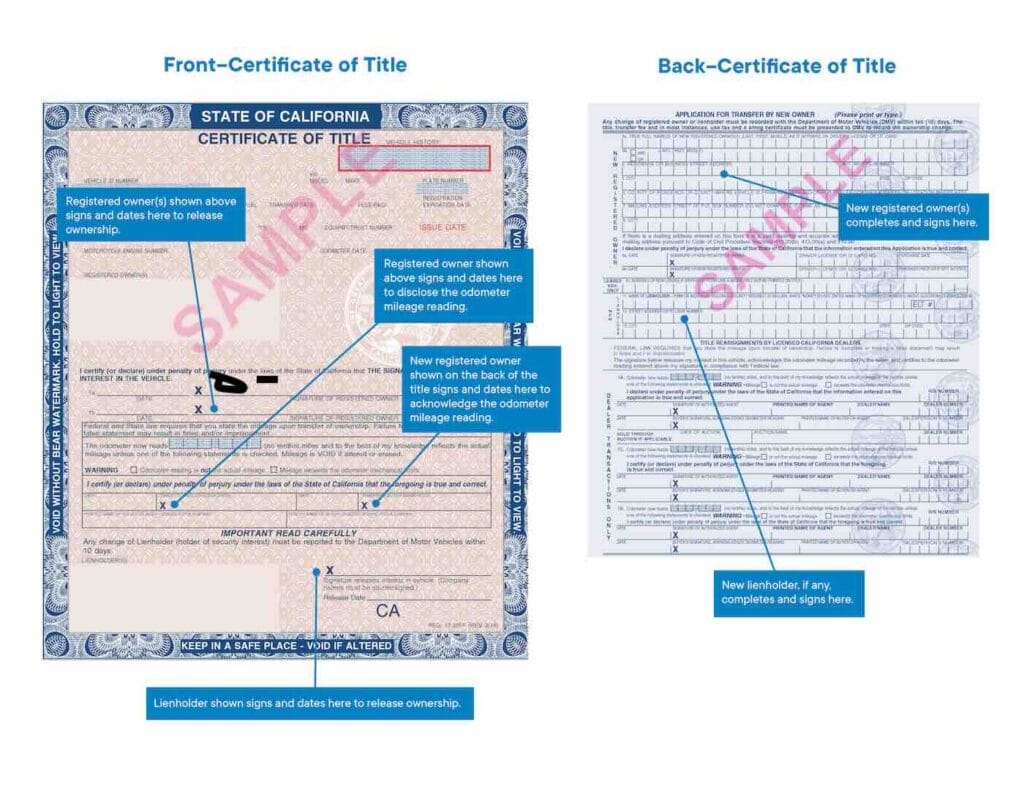
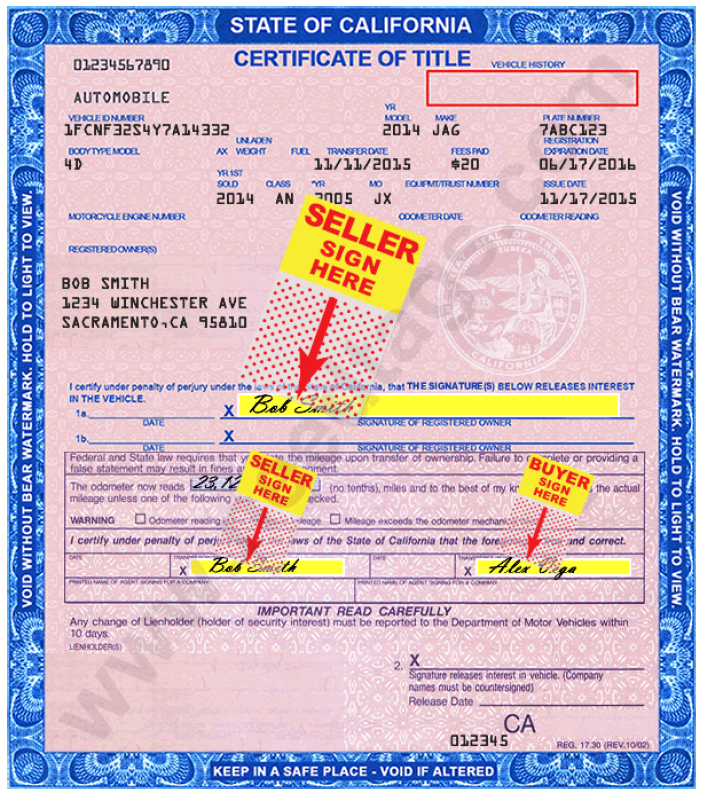
This is the cornerstone document for any title transfer. It serves as proof of ownership and must be signed by both the seller (registered owner) and the buyer. Crucially, ensure that all lienholders (if any) have signed off on the title, indicating that any loans on the vehicle have been satisfied. Any discrepancies or missing signatures here will halt the process.
Bill of Sale (REG 135)
While not always strictly required if the California Certificate of Title is accurately filled out, a Bill of Sale (Form REG 135) is highly recommended, especially for private party transactions. It legally documents the sale, including the purchase price, date of sale, and identifies both buyer and seller. This protects both parties and helps the DMV determine applicable sales tax. For a transparent and professional transaction, a detailed Bill of Sale is invaluable.
Odometer Disclosure
Federal and California laws mandate odometer disclosure for most vehicles when ownership is transferred. This is usually recorded directly on the Certificate of Title or via a separate Odometer Disclosure Statement (Form REG 262). It confirms the mileage at the time of sale, protecting buyers from fraud and providing accurate historical data for the vehicle. This is a crucial detail for maintaining the integrity of your vehicle’s history, which is important for future resales or simply for your peace of mind as part of your California lifestyle.
Smog Certification
Most vehicles (gasoline-powered 1976 and newer, and diesel-powered 1998 and newer) require a valid smog certificate upon transfer of ownership, unless an exemption applies. The seller is typically responsible for obtaining this certificate prior to the sale. This ensures the vehicle meets California’s stringent emissions standards, contributing to the state’s environmental health—a value deeply embedded in the California lifestyle. Without a valid smog certificate, the DMV will not complete the title transfer.
Application for Title or Registration (REG 343)
This comprehensive form (REG 343) is essential for new owners. It collects detailed information about the vehicle, the new owner, and the transfer itself. It’s vital to fill out every section accurately to avoid processing delays. This form officially requests the DMV to issue a new title and registration in your name.
Proof of Insurance
Before your vehicle can be registered in California, you must provide proof of financial responsibility. This typically means carrying auto insurance that meets California’s minimum liability requirements. Having insurance is not just a legal requirement but a prudent step to protect your assets and maintain your peace of mind while enjoying the open roads of California.
Acceptable Identification
When submitting documents to the DMV, the buyer must present valid photo identification, such as a California driver’s license or ID card, or other federally recognized identification. This verifies your identity and ensures the legitimacy of the transaction.
Step-by-Step Guide: Completing Your California Title Transfer
Successfully transferring a vehicle title in California is a sequential process that, when followed diligently, will quickly integrate your vehicle into your new lifestyle. Here’s a detailed breakdown of the steps:
Step 1: Gather Required Documents
Before even setting foot in a DMV office or attempting an online submission, ensure you have all the necessary paperwork. This includes the signed Certificate of Title, a Bill of Sale (if applicable), proof of smog certification (if required), and your personal identification. Double-check for completeness and accuracy.
Step 2: Complete the California Certificate of Title
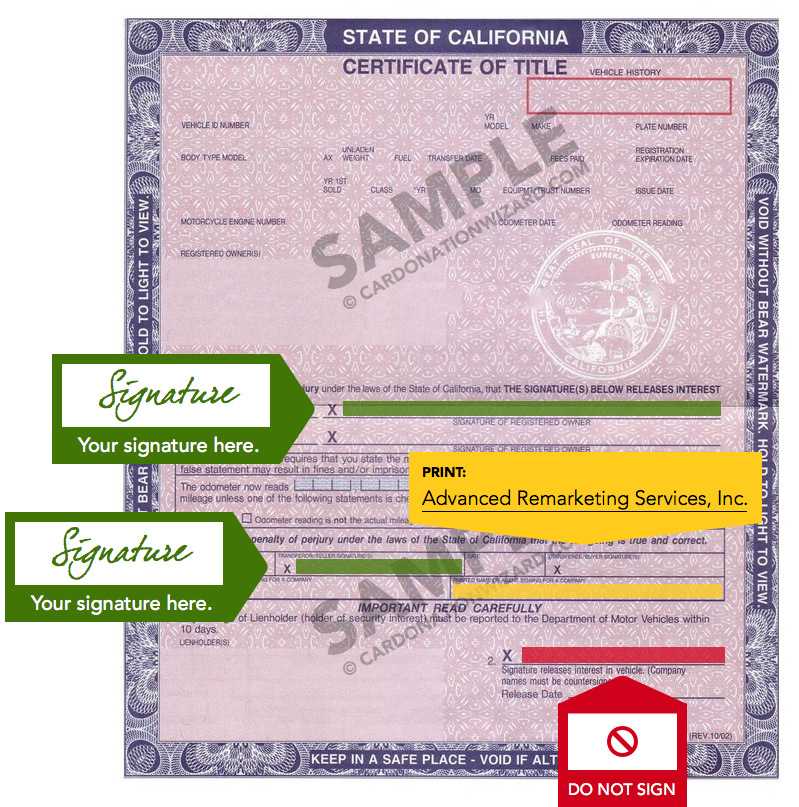
The seller must sign and date the “release of liability” section, and the buyer must sign and print their name in the “new registered owner” section. If there’s a lienholder, ensure their signature or official stamp is present, confirming the loan is cleared. Accurate odometer reading should also be entered. This form is the core legal document for the transfer.
Step 3: The Bill of Sale and Odometer Disclosure
If you’re using a separate Bill of Sale, both buyer and seller should sign it. Ensure it details the vehicle, sale price, and date. The odometer reading must also be clearly stated on the title or a separate form, and both parties should acknowledge its accuracy.
Step 4: Obtain a Smog Certificate
As the buyer, you typically want to ensure the seller provides a valid smog certificate dated within 90 days of the sale. Without it, you cannot complete the transfer and may face unexpected costs. Confirm the vehicle has passed the emissions test before finalizing the purchase.
Step 5: Fill Out REG 343 (Application for Title or Registration)
This form requires detailed information about you, the vehicle, and the specifics of the transaction. Take your time to fill it out completely and accurately. Incorrect information can lead to rejection and delays. This form explicitly tells the DMV to assign the title to you.
Step 6: Secure Insurance
Before you can register the vehicle in your name, you must have valid California auto insurance. Obtain a policy and have proof readily available, such as an insurance card or declaration page. This is a non-negotiable step for legal vehicle operation in the state.
Step 7: Submit to the DMV and Pay Fees
With all documents prepared, you can submit them to the DMV. This can often be done in person at a DMV office (appointments highly recommended), by mail, or through a licensed private registration service. You will be required to pay various fees, including transfer fees, registration fees, and potentially sales tax. The exact amount will depend on the vehicle’s value, type, and location. Upon successful submission and payment, you will receive new registration cards and often temporary tags, with the new title certificate mailed to you within a few weeks.
Common Pitfalls and Tips for a Stress-Free California Lifestyle
Even with a clear roadmap, administrative processes can present unexpected challenges. Being aware of common pitfalls and employing smart strategies can save you time, effort, and frustration, allowing you to focus on enjoying your California lifestyle.
Timeliness is Key
California law requires vehicle title transfers to be completed within 10 days of the sale date. Failing to meet this deadline can result in penalties and additional fees. Act promptly after purchasing or selling a vehicle.
Verify DMV Information
Regulations and forms can occasionally change. Before starting the process, always check the official California DMV website or call their helpline to confirm the latest requirements and any specific procedures that might apply to your situation.
Online Services and Appointments
The DMV offers many services online, including scheduling appointments, which can significantly reduce wait times if an in-person visit is necessary. Utilize these digital tools to plan your visit and minimize disruption to your day. Some transfers can even be started or completed entirely online or via mail, depending on the specifics.
Special Circumstances
Be aware of special rules for certain situations. For instance, gifting a vehicle may have different tax implications, and inheriting a vehicle often requires additional documentation like a death certificate and probate court orders. Similarly, vehicles coming from out-of-state might have extra inspection requirements. Always research these specific scenarios.
Review Everything Meticulously
Before submitting, review every form and document for errors or omissions. A simple mistake can trigger a cascade of delays. Ensure names, addresses, vehicle identification numbers (VINs), and odometer readings are perfectly matched across all documents.
Beyond the Paperwork: Unlocking Your California Adventures
Once your vehicle title transfer is successfully completed and your new registration is in hand, the real fun begins. Your fully registered and insured vehicle isn’t just a mode of transport; it’s a passport to the boundless experiences that define the California lifestyle. Imagine the freedom of:
- Coastal Drives: Cruising down Highway 1, with the Pacific Ocean stretching out beside you, exploring charming towns like Carmel-by-the-Sea or the iconic cliffs of Big Sur.
- National Park Expeditions: Embarking on adventures to California’s world-renowned National Parks like Yosemite, with its towering granite cliffs and ancient sequoias, or the stark beauty of Death Valley.
- Urban Explorations: Effortlessly navigating the diverse neighborhoods of Los Angeles to discover hidden cafes, art galleries, and vibrant markets, or venturing across the Golden Gate Bridge to experience the unique charm of San Francisco.
- Wine Country Retreats: Taking scenic drives through Napa Valley or Sonoma County for a relaxing weekend of tastings and gourmet dining.
- Desert Escapes: Discovering the artistic communities and stunning landscapes of Joshua Tree National Park or the pristine beauty of Palm Springs.
Completing your title transfer is more than just a legal obligation; it’s an investment in your personal freedom and mobility within a state that demands exploration. By handling this administrative step efficiently, you clear the path to fully embracing the diverse, dynamic, and endlessly exciting California lifestyle that awaits you.
LifeOutOfTheBox is a participant in the Amazon Services LLC Associates Program, an affiliate advertising program designed to provide a means for sites to earn advertising fees by advertising and linking to Amazon.com. Amazon, the Amazon logo, AmazonSupply, and the AmazonSupply logo are trademarks of Amazon.com, Inc. or its affiliates. As an Amazon Associate we earn affiliate commissions from qualifying purchases.