
Navigating the complexities of the justice system can be an incredibly daunting experience, especially when the need arises to locate an individual within a correctional facility. While our usual focus is on the joy of travel, the excitement of destinations, and the comfort of optimal accommodation, we understand that some journeys are born out of necessity rather than leisure. For those who find themselves needing to locate an inmate in Texas, the challenge extends beyond emotional hurdles to include significant logistical planning, often requiring a substantial trip across the vast Lone Star State.
This guide aims to simplify the process by providing a practical roadmap, addressing not only the direct steps to find an inmate but also the associated travel and accommodation considerations that are crucial for a smoother, albeit difficult, journey. Whether you’re traveling from another state or across Texas itself, understanding the systems in place and preparing for your trip can alleviate some of the inherent stress. From identifying the correct correctional facility to planning your route and securing a suitable place to stay, we cover the essentials to help you navigate this particular kind of urgent lifestyle travel.
Navigating the Lone Star State: Initial Steps to Locate an Inmate
The first and most critical step in finding an inmate in Texas involves understanding the state’s correctional system and knowing where to search. Unlike a typical tourism quest for landmarks or attractions, this requires precise information and methodical inquiry. The process can differ significantly depending on whether the individual is held in a county jail, a state prison, or a federal facility.
Understanding the Texas Correctional System
Texas operates a large and complex correctional system. Most inmates are housed either in county jails, which are run by local sheriff’s departments and typically hold individuals awaiting trial or serving shorter sentences, or in state prisons, managed by the Texas Department of Criminal Justice (TDCJ). Federal inmates are held in facilities overseen by the Federal Bureau of Prisons (BOP), which is a separate system entirely.
For the majority of searches, especially for those involved in state-level offenses, your primary focus will be on the TDCJ or specific county sheriff’s offices. It’s important to identify which level of the system the person is likely to be in, as this will direct your search efforts and, consequently, your travel plans. State prisons are often located in specific areas across Texas, such as around Huntsville, Gatesville, or Dilley, while county jails are found in virtually every county seat, from major metropolitan areas like Dallas and Houston to smaller, more rural communities.
Utilizing Online Search Tools
The digital age has streamlined many aspects of locating information, and inmate searches are no exception. The most efficient way to start is by utilizing online databases.
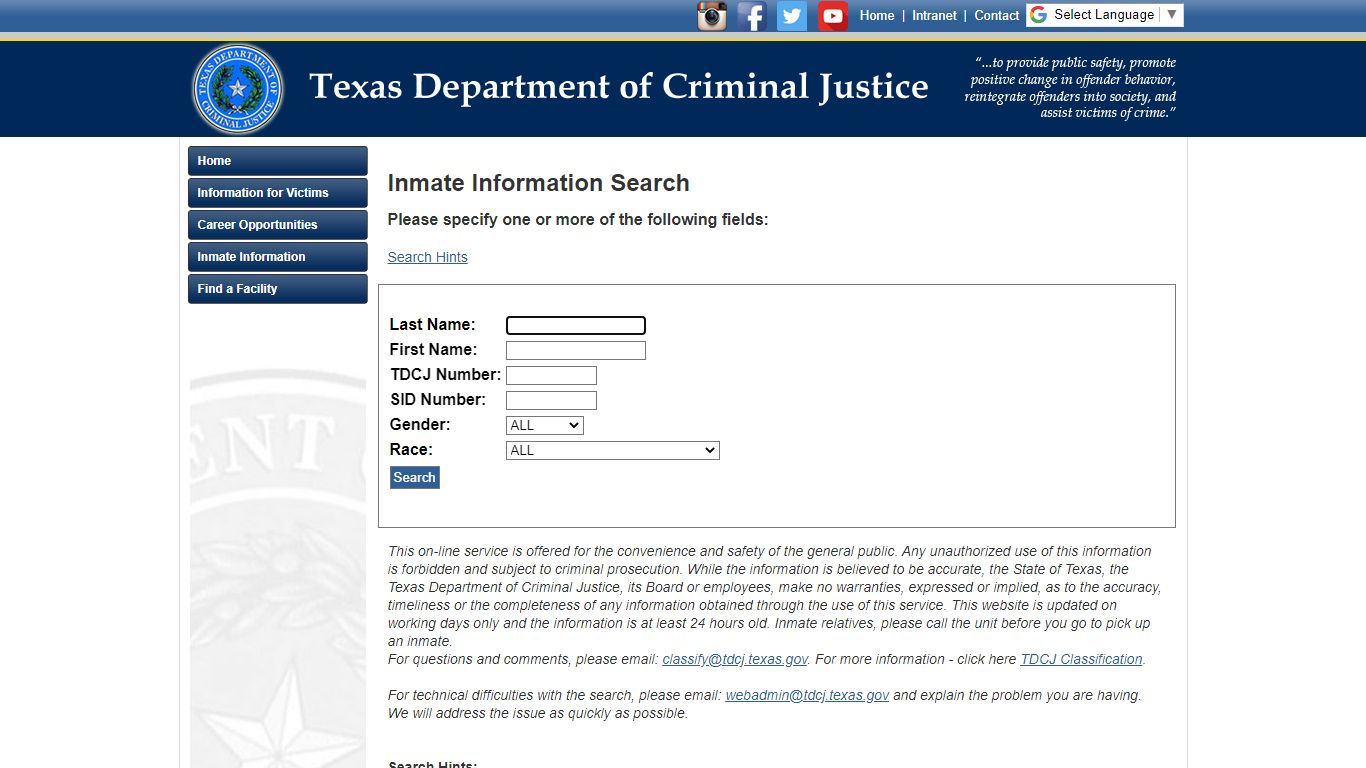
- Texas Department of Criminal Justice (TDCJ) Inmate Search: This is your go-to resource for individuals serving sentences in state prisons. The TDCJ website provides a comprehensive online inmate search tool. You typically need the inmate’s first name, last name, and preferably their TDCJ ID number or date of birth to narrow down the results. This database will confirm if the person is under state custody and, crucially, which facility they are housed in. Knowing the facility is paramount for planning your subsequent travel and accommodation.
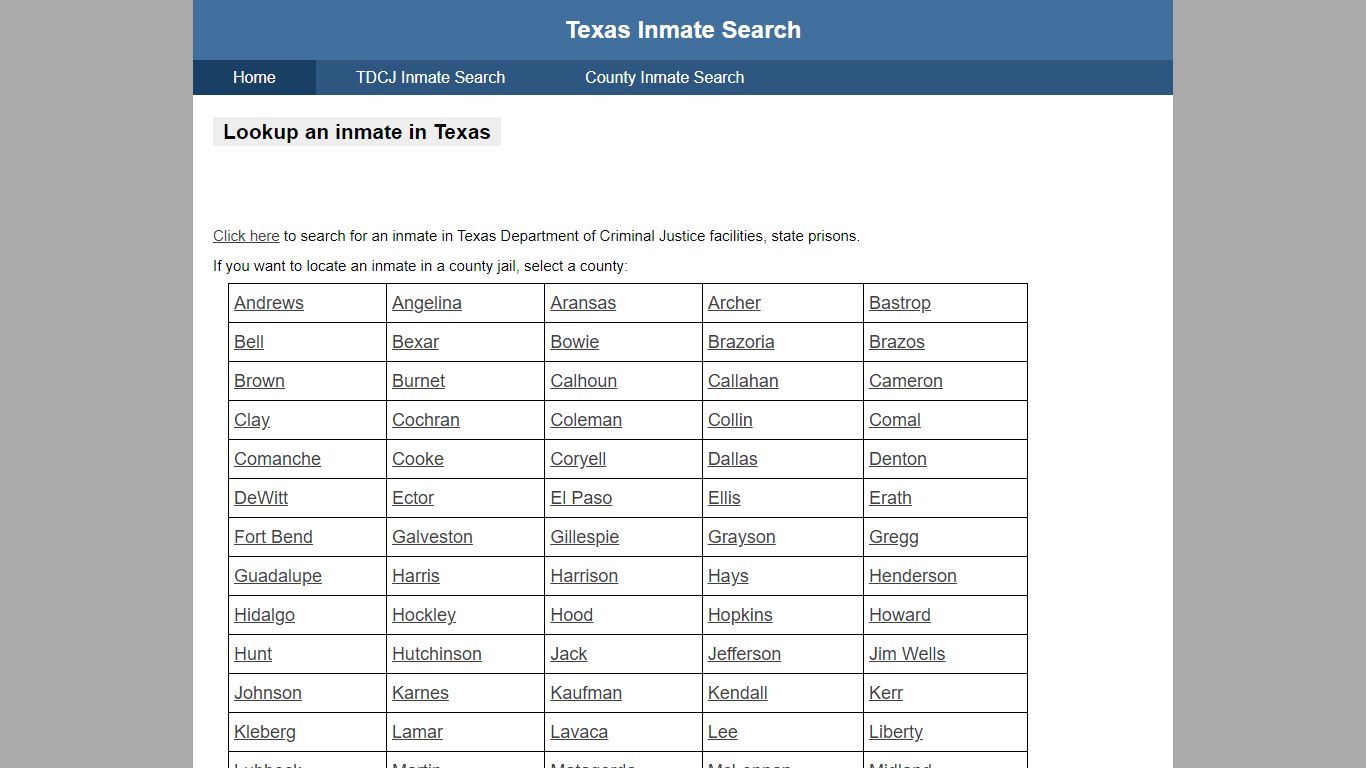
- County Jail Websites: For individuals who might be in local custody, perhaps awaiting trial, serving a misdemeanor sentence, or recently arrested, you’ll need to check the specific county sheriff’s office website. Most counties, especially larger ones like Harris County (Houston), Dallas County, Travis County (Austin), or Bexar County (San Antonio), have online inmate lookup systems. These usually require similar information (name, date of birth) and can provide details on booking status, charges, and bond information. If you’re unsure which county, you might need to broaden your search based on where the individual was last known to be or where the alleged offense occurred.
- Federal Bureau of Prisons (BOP) Inmate Locator: If the individual is suspected of being in federal custody, the BOP website provides a nationwide inmate locator. This covers federal prisons across the U.S., including those in Texas.
When Online Searches Aren’t Enough: Direct Contact and Resources
While online tools are powerful, there are instances where they may not yield immediate results. In such cases, direct contact becomes necessary.
- Phone Calls: If you’re struggling to locate an inmate online, a phone call to the appropriate authority is the next step. For state inmates, the TDCJ public information office can provide assistance. For county jails, directly calling the sheriff’s department or jail booking office in the suspected county is advisable. Be prepared to provide as much identifying information as possible.
- Legal Counsel: If you have legal representation for the individual, their attorney will likely have the most accurate and up-to-date information regarding their whereabouts. They are often the best resource for navigating the system.
- Victim Information and Notification Everyday (VINE): This service allows victims of crime to register to receive notifications about changes in offender custody status. While primarily for victims, it demonstrates a system designed for information dissemination and can sometimes indirectly confirm an individual’s location if they are involved in a case.
Planning Your Trip to Texas: Travel and Accommodation Considerations
Once you’ve successfully located the inmate and identified their facility, the practical aspects of planning your trip come into focus. This is where your journey, though somber, aligns with typical travel planning principles, requiring careful consideration of transportation, lodging, and local amenities.
Strategic Travel Planning: Getting to Your Destination
Texas is geographically immense, and correctional facilities can be in remote or less accessible areas. Efficient travel planning is key to minimizing stress and expense.
- Airports: For visitors traveling from out of state or long distances within Texas, the state offers several major international airports that serve as excellent entry points.
- Dallas/Fort Worth International Airport (DFW): One of the busiest airports in the world, serving the Dallas and Fort Worth metropolitan areas. Ideal for reaching facilities in North and Central Texas.
- George Bush Intercontinental Airport (IAH) in Houston: A major hub, excellent for facilities in East and Southeast Texas.
- Austin-Bergstrom International Airport (AUS): Serving the state capital, Austin, it’s convenient for facilities in Central Texas.
- San Antonio International Airport (SAT): Good for facilities in South Central Texas.
- Smaller regional airports also exist, which might be closer to specific facilities, potentially reducing ground travel time but possibly requiring connecting flights.
- Ground Transportation: Given the often-remote locations of prisons, renting a car is frequently the most practical, if not essential, option. Public transportation may be limited or non-existent in the immediate vicinity of many facilities. Major car rental agencies operate at all primary airports. Ride-sharing services like Uber or Lyft might be available in larger towns near facilities but can be unreliable for return trips from isolated locations. Factor in fuel costs and driving time, as a trip across Texas can easily span several hours.
- Driving Distances: Be prepared for significant driving. For instance, traveling from Dallas to a facility near Huntsville or Gatesville will involve a multi-hour drive, as would a journey from Houston to San Antonio. Planning your route, checking real-time traffic, and ensuring your vehicle is ready for long distances are crucial.
Selecting Suitable Accommodation
Your choice of accommodation can significantly impact the comfort and ease of your trip. While not a leisure vacation, finding a suitable and comfortable place to stay is vital for rest and preparation.
- Proximity to the Facility: The most important factor is often how close your hotel or lodging is to the correctional facility. Many facilities are located outside major cities, in smaller towns where options might be limited. Research towns within a reasonable driving distance (e.g., 20-30 minutes) to find the best balance of availability and convenience.
- Types of Accommodation:
- Budget-Friendly Hotels: Chains like Hampton Inn, Holiday Inn Express, Best Western, or Comfort Inn are widely available in many smaller Texas towns and offer consistent quality and essential amenities.
- Extended Stay Options: If your visit requires multiple days or if there’s a chance of delays, an Extended Stay America or similar suites-style hotel with a kitchenette can be invaluable. This allows for self-catering, which can save money and provide a sense of normalcy during a stressful time.
- Local Guesthouses/Motels: In very small towns, local motels or guesthouses might be the only options. Check reviews carefully, as quality can vary.
- Major Chain Hotels: In larger cities like Houston, Dallas, Austin, or San Antonio, you’ll find a wide range of options, including Marriott, Hilton, and other upscale resorts or business hotels, should you prefer more comfort or need to combine your visit with other obligations in the city.
- Amenities: Consider what amenities will support you during this difficult trip. Free Wi-Fi, a quiet room, comfortable bedding, and perhaps a complimentary breakfast can make a significant difference. If traveling with children, look for hotels that are family-friendly.
- Booking: It’s always advisable to book your accommodation in advance, especially if you’re traveling to a smaller town where options are limited. This avoids last-minute stress and ensures you have a place to rest. Online booking platforms and direct hotel websites are your best tools for this.
Understanding Local Areas and Resources
The areas immediately surrounding correctional facilities often differ greatly from typical tourist destinations.
- Local Economy: Towns that host prisons often have a local economy centered around the facility. You might find basic services, fast-food restaurants, and perhaps a diner or two. High-end dining or extensive shopping options are typically rare.
- Atmosphere: The atmosphere can be quiet and subdued. It’s not uncommon to encounter other families visiting inmates, creating a shared, unspoken understanding.
- Basic Services: Ensure you know where to find a gas station, a pharmacy, or a grocery store for any essentials you might need during your stay. Cell phone service can also be spotty in very rural areas, so plan accordingly.
Preparing for a Visit: Rules, Etiquette, and Practical Tips
Locating an inmate and traveling to the facility are just the preliminary steps. A successful visit requires adherence to strict rules and practical preparation. This section focuses on essential tips to ensure your visit goes as smoothly as possible, embracing a unique aspect of local culture within the correctional system.
Navigating Visitation Policies
Correctional facilities maintain stringent rules for visitors, designed to ensure security and order. These rules can vary significantly between state prisons and county jails, and even from one facility to another.
- Verify Specific Facility Rules: This is the single most important piece of advice. Before you embark on your journey, meticulously check the visitation policies of the exact facility where the inmate is housed. This information is usually available on the TDCJ website for state prisons or the county sheriff’s website for jails. Look for:
- Visitation Schedule: Days and hours of operation, which can be limited and vary by unit or inmate status. Some facilities require appointments, while others operate on a first-come, first-served basis.
- Approved Visitor List: Most facilities require visitors to be on an approved list, which the inmate typically initiates. This process can take weeks or even months, so ensure you are on the list well in advance.
- Dress Code: Strict dress codes are universally enforced. Common prohibitions include revealing clothing, items with offensive graphics, certain colors, or clothing that resembles inmate uniforms. Non-compliance will result in denied entry.
- Permitted Items: What you can bring into the visitation area is highly restricted. Often, only your ID, a small amount of cash for vending machines, and possibly car keys are allowed. Bags, cell phones, and electronic devices are usually prohibited and must be left in your vehicle or a locker.
- Identification: A valid, government-issued photo ID (driver’s license, state ID, passport) is always required.
- Children: If you are bringing children, inquire about specific rules regarding their attendance, required documentation, and any supervision requirements.
- Security Procedures: Be prepared for security checks, including metal detectors, pat-downs, and K9 searches. Remain patient and cooperative with correctional staff.
- Behavior During the Visit: Facilities have rules regarding conduct during the visit. Physical contact might be limited to a brief hug at the beginning and end, and inappropriate language or behavior can lead to the termination of the visit.
Making the Most of Your Stay: Beyond the Visit
While the primary purpose of your trip is focused on the inmate, it’s crucial to acknowledge the emotional toll such a visit can take. Integrating elements of self-care and finding moments of respite, even during a challenging journey, is part of managing this unique lifestyle experience.
- Self-Care and Downtime: Recognize that these visits can be emotionally draining. Allow yourself time to decompress. A quiet walk, a moment of reflection in a nearby park, or simply enjoying a warm meal can help.
- Exploring Nearby Quiet Spots: While not traditional attractions, many towns, even smaller ones, have local parks, community centers, or quiet cafes. For instance, in Huntsville, often called “Prison City,” there are several public parks and local eateries where you can find a moment of calm. In Gatesville, the local library or community spaces might offer a quiet retreat. These opportunities for a brief mental escape are important.
- Focus on the Connection: Remember the purpose of your visit: to maintain connection and offer support. Try to make the most of the time you have, focusing on meaningful conversation despite the challenging environment.
Broader Perspective: Understanding the Impact and Support Systems
Traveling to find and visit an inmate is a journey laden with emotional complexity. It’s a facet of travel that transcends the typical allure of destinations and experiences, instead highlighting human connection and resilience. Understanding the broader context and available support can further aid in navigating this challenging path.
Community and Support for Families
Families of incarcerated individuals often face unique struggles, from financial strain to social stigma and the logistical challenges of maintaining contact. Fortunately, there are resources and support networks designed to help.
- Family Support Groups: Organizations dedicated to supporting families of inmates exist across the country, and often within Texas. These groups provide a safe space for sharing experiences, exchanging practical advice, and offering emotional solace. Connecting with others who understand your situation can be incredibly beneficial.
- Non-Profit Organizations: Various non-profit organizations work to advocate for incarcerated individuals and their families. They might offer resources on navigating the legal system, understanding visitation rights, or connecting with specific facility programs. Researching these organizations can uncover invaluable assistance and guidance.
- Legal Aid and Advocacy: For ongoing legal issues or concerns regarding an inmate’s rights or conditions, legal aid societies and advocacy groups can provide expert advice and representation. They can also be a resource for understanding the nuances of the correctional system.

Travel as a Necessity: A Different Kind of Journey
In our world of luxury travel, exotic destinations, and seamless booking experiences, this particular journey stands apart. It is a form of necessary travel, driven by love, concern, and the imperative to maintain familial bonds. The principles of effective planning—researching routes, securing accommodation, and understanding local logistics—remain just as critical, if not more so, than for a leisurely trip.
Approaching this trip with a mindset of preparedness, focusing on the practicalities, and leveraging available resources can transform a potentially overwhelming ordeal into a manageable process. While it may not be the kind of “travel” one typically dreams of, it is a profoundly human journey, underscoring the enduring power of connection amidst adversity.
In conclusion, finding and visiting an inmate in Texas is a multi-faceted task that combines administrative inquiry with strategic travel and careful planning. By utilizing online resources, understanding the different correctional systems, meticulously preparing for your journey, and adhering to strict visitation protocols, you can navigate this challenging path with greater ease and confidence. Remember that while the destination is difficult, the purpose of maintaining a crucial connection makes the journey invaluable.
LifeOutOfTheBox is a participant in the Amazon Services LLC Associates Program, an affiliate advertising program designed to provide a means for sites to earn advertising fees by advertising and linking to Amazon.com. Amazon, the Amazon logo, AmazonSupply, and the AmazonSupply logo are trademarks of Amazon.com, Inc. or its affiliates. As an Amazon Associate we earn affiliate commissions from qualifying purchases.