
The anticipation of checking into a luxury suite in New York City or a beachside resort in France is often the highlight of any trip. However, even in the most prestigious establishments like the Ritz-Carlton or the Four Seasons, a hidden traveler can ruin the experience: the bedbug. These resilient insects, known scientifically as Cimex lectularius, do not discriminate between a budget motel and a five-star villa. They are hitchhikers that travel on luggage, clothing, and person-to-person, making the global hotel industry a primary hub for their movement. Understanding how to perform a comprehensive inspection is an essential skill for any modern traveler, ensuring that your stay in London or Tokyo remains restful rather than regretful.

The Preliminary Check: What to Do Before You Unpack
The moment you cross the threshold of your room at the Marriott or the Hilton, your first instinct is likely to drop your bags on the bed and collapse. This is the most common mistake travelers make. To prevent an infestation from transferring to your belongings, you must maintain a “sanitary perimeter” until the room is cleared.
The Luggage Rack Strategy
The safest place for your suitcase is not the bed or the carpeted floor. Instead, utilize the luggage rack. Before placing your bags on it, inspect the rack itself, especially the webbing and the joints where the material meets the metal or wood frame. If possible, pull the rack away from the wall to ensure no bugs can crawl from the wallpaper onto your luggage. If no rack is available, the bathtub or the tiled floor of the bathroom is the safest temporary storage area, as bedbugs find it difficult to navigate slick surfaces like porcelain and tile.
Initial Visual Inspection
Before diving into the deep crevices of the furniture, perform a quick scan of the room. Look at the curtains and the edges of the carpet near the baseboards. In high-traffic cities like Las Vegas or Chicago, hotels have rigorous cleaning protocols, but even the best housekeeping staff can miss the subtle signs of a new arrival. Pay close attention to any upholstered seating near the bed. A quick flashlight scan (most smartphones have a sufficient light) can reveal movement or spotting on dark fabrics.
Investigating the Bed: The Primary Hotspot
The bed is the most likely place to find these pests because they are attracted to the carbon dioxide and body heat of sleeping humans. When staying at a property like The Plaza Hotel or the Waldorf Astoria, the bedding is usually pristine, but the infestation often hides beneath the surface.
Peeling Back the Layers
Start by stripping the bed down to the mattress protector. Remove the pillows from their cases and inspect the seams of the pillowcases and the pillows themselves. Next, pull back the comforter, the duvet, and the flat sheet. Check the fitted sheet for any unusual reddish-brown spots. These spots are often small smears of blood or fecal matter left behind by the insects. If the hotel uses high-thread-count white linens, as is standard at the InterContinental, these marks will be much easier to spot.
Checking the Seams and Tags
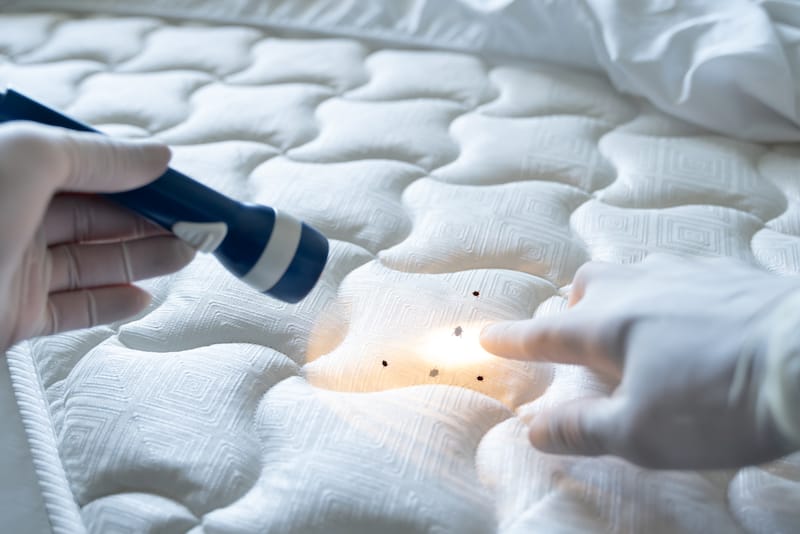
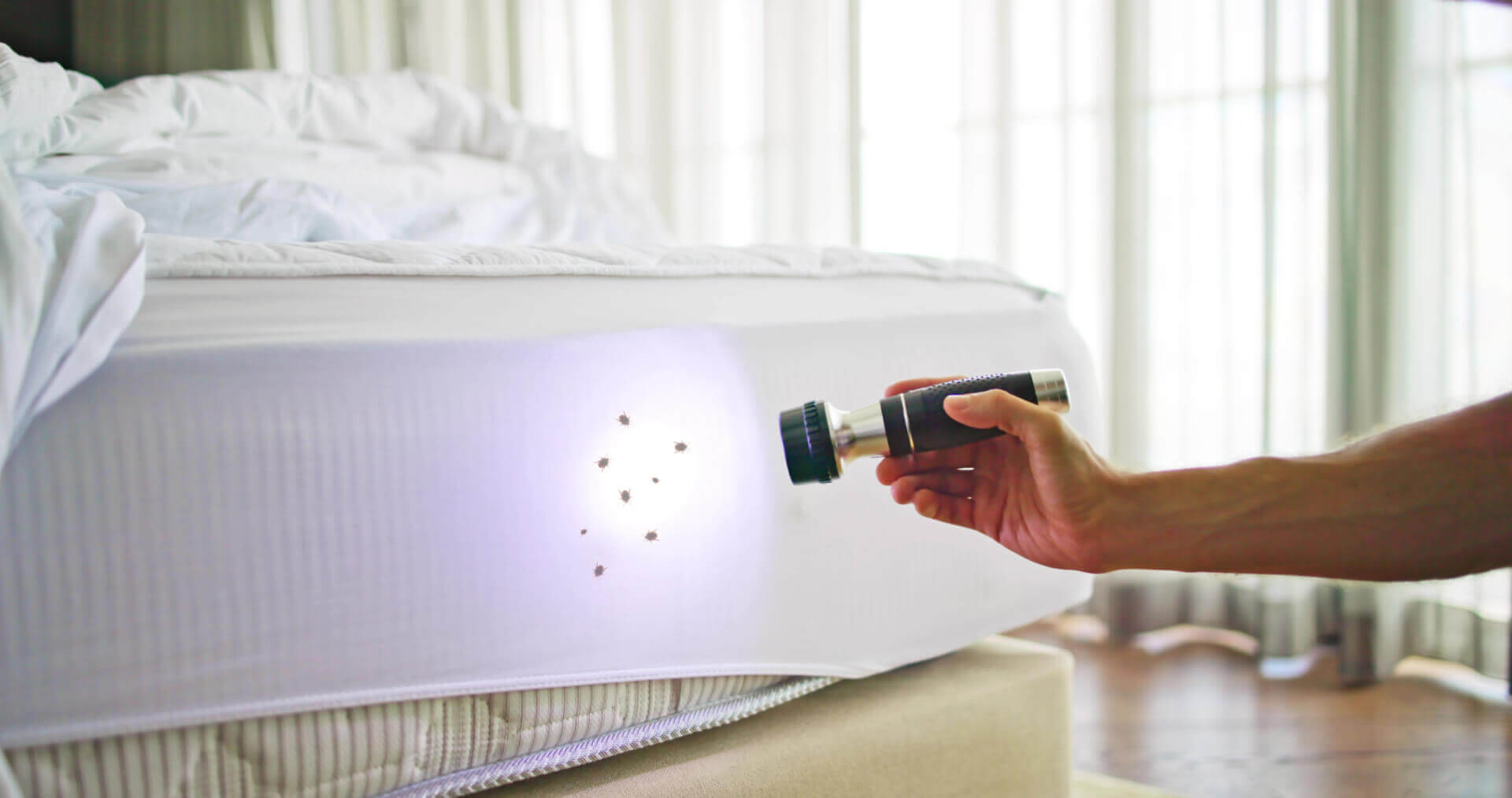
The most critical part of the mattress inspection involves the piping and seams. Bedbugs are photophobic, meaning they avoid light, and their flat bodies allow them to squeeze into the narrowest folds of fabric. Use a credit card or a stiff piece of paper to run along the seams of the mattress and the box spring. You are looking for live bugs, which are roughly the size and shape of an apple seed, or their eggs, which look like tiny, translucent grains of rice. Do not forget to check the mattress tags, as these provide a perfect hiding spot behind the plastic or fabric flap.
The Headboard Investigation
In many luxury hotels such as the Bellagio or the MGM Grand, headboards are often large, upholstered, or bolted directly to the wall. This creates a dark, protected void that is a favorite sanctuary for bedbugs. If the headboard is movable, pull it slightly away from the wall and shine a light behind it. Look for “peppery” spotting on the wall or the back of the wood. If the headboard is upholstered, pay special attention to the tufted buttons and the fabric folds.
Beyond the Mattress: Hidden Harborages in Hotel Furniture
Bedbugs do not limit themselves to the bed; they are often found within a five-to-ten-foot radius of where people sleep. In a spacious suite at the Grand Hyatt or a long-stay apartment in Orlando, there are numerous hiding spots that require a keen eye.
Nightstands and Dressers
Nightstands are prime real estate for bedbugs because they provide proximity to the host and plenty of cracks. Open the drawers and inspect the corners and the drawer tracks. Interestingly, bedbugs are often attracted to the screw holes and the underside of the tabletop. If there is a “reprographic” Bible or other literature in the drawer, flip through the pages; bedbugs have been known to hide in the spines of books.
Upholstered Seating and Desk Chairs
If your room at the Sheraton or the Westin includes a reading chair or a sofa, treat it with the same level of scrutiny as the bed. Remove the cushions and inspect the piping. Use your flashlight to look into the crevices where the arms meet the backrest. In business-centric cities like Los Angeles, desk chairs with mesh or fabric backing are also common hiding spots that are frequently overlooked by travelers.
Curtains and Wall Hangings
While less common, bedbugs can climb vertical surfaces. Check the pleats of the curtains, especially where they touch the floor or the top of the window frame. Also, take a quick look behind any framed artwork hanging above or near the bed. Hotels like the Fairmont often feature beautiful decor, but the space between the frame and the wall is a dark haven for pests.
Identifying the Signs: What Exactly Are You Looking For?
Knowing what to look for is half the battle. A room in Japan might look different from one in the United Kingdom, but the biological signs of bedbugs remain universal.
Live Insects and Eggs
Adult bedbugs are reddish-brown, oval-shaped, and wingless. If they have recently fed, they will appear elongated and more vibrant in color. Nymphs (young bedbugs) are smaller and can be nearly colorless or pale yellow, making them very difficult to see against white sheets without magnification. The eggs are sticky and usually found in clusters, adhering to surfaces like wood or fabric.
Fecal Spotting and Blood Stains
The most common evidence of an infestation is fecal spotting. These look like small, dark, circular spots that resemble ink from a felt-tip pen. Unlike dirt, these spots will smear if wiped with a damp cloth. Small blood droplets on the sheets are also a tell-tale sign, usually occurring when a bug is accidentally crushed by a sleeper.
Exoskeletons and Molted Skins
As bedbugs grow, they shed their skins (a process called molting) five times before reaching maturity. These discarded exoskeletons are translucent, yellowish shells that retain the shape of the bug. Finding these in the corners of a mattress or inside a nightstand at a St. Regis or a Savoy Hotel is a definitive sign of an active, growing colony.
Proactive Measures and Protocol if You Find Them
Discovering bedbugs in your room at the Hyatt Regency or a boutique villa in Italy can be distressing, but handling the situation professionally is key to protecting your trip.
Contacting Management
If you find any evidence, do not attempt to kill the bugs yourself or spray chemicals. Take clear photographs of the evidence and the room number. Immediately go to the front desk and speak with a manager. Reputable chains have strict protocols for this. At a high-end property like the Burj Al Arab, the management will likely move you to a new room immediately and may offer to have your clothes professionally laundered.
Room Relocation Procedures
When moving to a new room, do not accept a room directly adjacent to, above, or below the infested one. Bedbugs can travel through wall voids, electrical outlets, and baseboards. It is best to move to a different floor or an entirely different wing of the building. Once in the new room, perform the inspection all over again.
Protecting Your Belongings
If you suspect your luggage was exposed, keep your suitcase sealed in a plastic trash bag for the remainder of your trip. Upon returning home, do not bring your suitcase inside. Immediately place all clothing in a dryer on high heat for at least 30 minutes, as heat is the most effective way to kill bedbugs in all life stages. For non-washable items, specialized heating bags or professional pest control consultations may be necessary.
Vigilance is the best defense. Whether you are exploring the historic streets of Spain or attending a conference in Germany, taking fifteen minutes to inspect your hotel room is a small price to pay for peace of mind. By following these steps, you ensure that the only memories you bring home from your travels are the ones you intended to make.
LifeOutOfTheBox is a participant in the Amazon Services LLC Associates Program, an affiliate advertising program designed to provide a means for sites to earn advertising fees by advertising and linking to Amazon.com. Amazon, the Amazon logo, AmazonSupply, and the AmazonSupply logo are trademarks of Amazon.com, Inc. or its affiliates. As an Amazon Associate we earn affiliate commissions from qualifying purchases.