
Navigating the Waters: Understanding Grand Lake Colorado’s Fishing Ecosystem
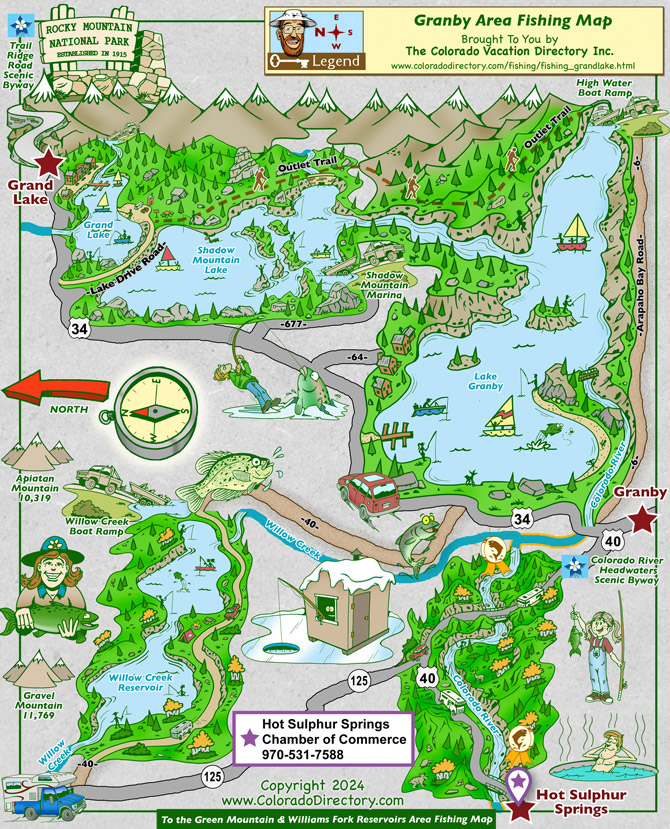
Grand Lake Colorado, nestled at the western gateway to Rocky Mountain National Park, stands as Colorado’s largest and deepest natural lake, offering an unparalleled angling experience. Its pristine, cold waters, fed by snowmelt and mountain streams, create an ideal habitat for a diverse array of cold-water fish species, making it a prime destination for both novice and seasoned anglers. Understanding the unique ecosystem of Grand Lake Colorado is the first step toward a successful and rewarding fishing adventure. The lake’s depth, reaching over 265 feet, combined with its connectivity to Shadow Mountain Lake and Lake Granby via the Colorado-Big Thompson Project, creates a dynamic environment influencing fish behavior and accessibility. The clarity of the water, a testament to its natural origins, also plays a crucial role, often requiring subtle presentations and attention to line visibility. Anglers should be aware that the high altitude (over 8,300 feet) can affect both physical endurance and the behavior of fish, which may be more sensitive to barometric pressure changes.
Target Species and Their Habits
Grand Lake Colorado is renowned for its robust populations of several prized cold-water species. The apex predator here is the Lake Trout (or Mackinaw), which can grow to impressive sizes, with many specimens exceeding 20 pounds. These deep-water dwellers primarily feed on smaller fish, making them a challenging and exciting target. Rainbow Trout and Brown Trout are also abundant, offering excellent sport, especially near inlets and shorelines. Cutthroat Trout, native to Colorado, can also be found, though often in lesser numbers. Perhaps the most vibrant catch, particularly in the fall, is the Kokanee Salmon. These landlocked sockeye salmon offer thrilling action and are known for their strong fighting spirit, especially during their spawning run. Each species exhibits distinct habits: Lake Trout typically prefer cooler, deeper waters, while Rainbow Trout and Brown Trout might be found closer to structure or feeding on insects near the surface. Kokanee Salmon are often found in schools, cruising open water.
Seasonal Fishing Dynamics
Fishing conditions on Grand Lake Colorado vary significantly with the seasons, each presenting unique opportunities.
Spring (April-May): As ice thaws, fish become more active, moving into shallower waters to feed. This is an excellent time for targeting Rainbow Trout and Brown Trout near inlets and shorelines. Lake Trout can also be found shallower before retreating to deeper haunts.
Summer (June-August): The busiest season sees fish primarily moving to deeper, cooler waters. Trolling with downriggers or jigging in depths of 50-100+ feet becomes effective for Lake Trout. Early mornings and late evenings can still yield success for Rainbow Trout and Brown Trout near structures.
Fall (September-November): This is arguably the most spectacular season, especially for Kokanee Salmon as they begin their spawning run up the Colorado River and Fraser River inlets. Lake Trout also become more aggressive as water temperatures drop, offering excellent shallow-water opportunities during their own spawning period.
Winter (December-March): Ice fishing is a popular and productive activity when the lake freezes solid. Anglers can target Lake Trout, Rainbow Trout, and Brown Trout through the ice, often using jigs and tip-ups. Safety precautions regarding ice thickness are paramount.
Mastering the Art: Recommended Gear and Techniques
Successful fishing on Grand Lake Colorado requires a combination of appropriate gear and effective techniques tailored to the specific species and conditions. Given the lake’s depth and the various fish habits, versatility in your approach will significantly enhance your chances. Anglers must consider the high-altitude environment, which means colder temperatures, especially during early mornings or late evenings, and potential for rapid weather changes. Investing in quality, durable gear suitable for cold-water fishing is advisable, as is ensuring all equipment is in excellent working condition to handle potentially large and powerful fish.
Essential Tackle for Trout and Salmon
For general-purpose fishing targeting Rainbow Trout and Brown Trout, a medium-light spinning rod (6-7 feet) paired with a 2000-3000 series reel spooled with 6-8 lb monofilament or fluorocarbon line is sufficient. A sensitive tip allows for detecting subtle bites, while a strong backbone is necessary for fighting fish in open water. For the larger Lake Trout, a heavier setup is recommended: a medium-heavy rod (6.5-7.5 feet) with a sturdy baitcasting or spinning reel (4000-5000 series) spooled with 10-20 lb braided line, topped with a fluorocarbon leader (15-25 lb), is ideal. Braided line offers superior sensitivity and strength, crucial for deep-water jigging. For Kokanee Salmon, a softer, more parabolic rod is preferred to absorb their head shakes, often coupled with lighter line (4-6 lb test) for finesse presentations. Downriggers are essential for trolling in deeper waters, allowing lures to reach precise depths where Lake Trout and Kokanee Salmon reside.
Effective Fishing Methods
Trolling: This is arguably the most popular and effective method for Lake Trout and Kokanee Salmon in Grand Lake Colorado. Using downriggers, anglers can present spoons, dodgers, or plugs at specific depths (often 50-100+ feet for Lake Trout, shallower for Kokanee). Varying trolling speed and depth is key to finding active fish.
Jigging: Particularly effective for Lake Trout, especially during ice fishing season or in summer from a boat. Heavy jigs (1-3 oz) tipped with a piece of sucker meat or a grub are dropped to the bottom and worked with an aggressive lift-and-drop motion. Vertical jigging allows for precise targeting of fish marked on a sonar.
Bait Fishing: From shore or boat, bait fishing with worms, PowerBait, or salmon eggs under a bobber or on the bottom can be very effective for Rainbow Trout and Brown Trout, especially near inlets or structures.
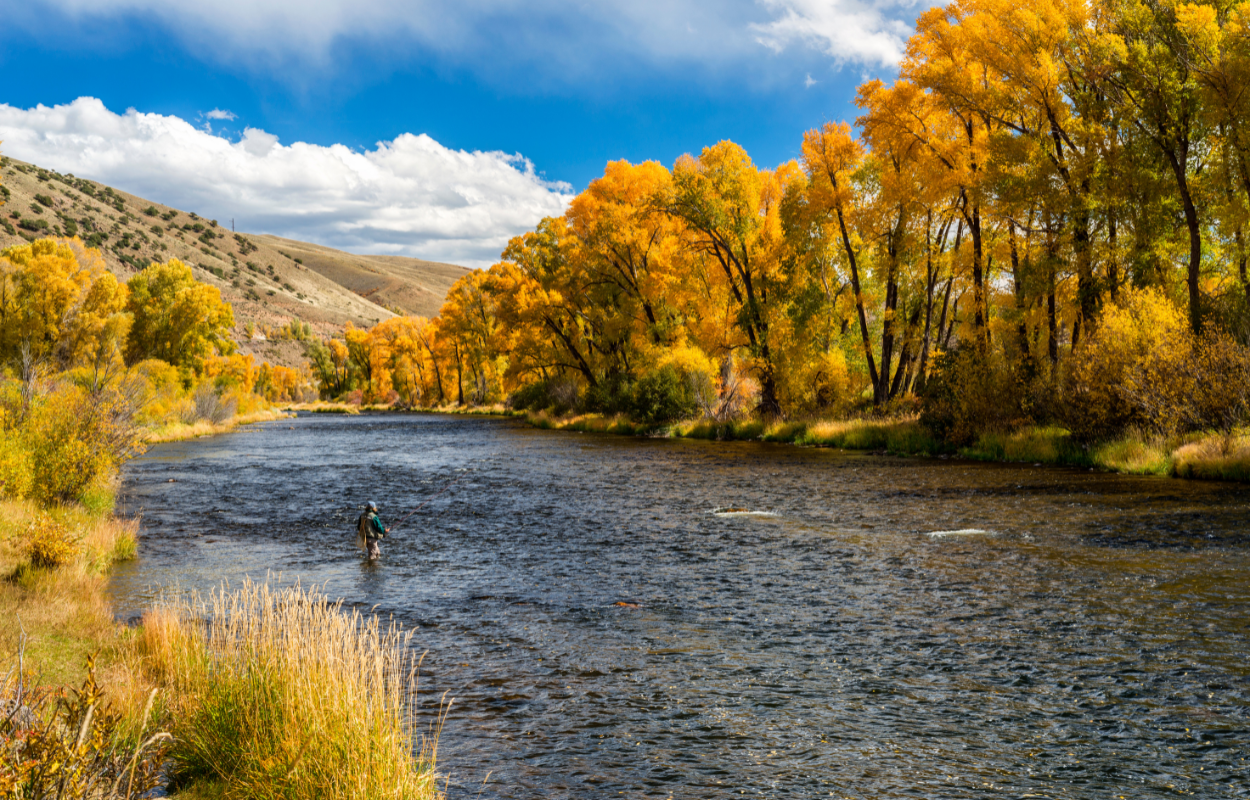
Fly Fishing: While less common directly on the main lake, fly fishing can be productive in the inlets and outlets, particularly the Colorado River and Fraser River, for Rainbow Trout and Brown Trout using nymph, dry fly, or streamer patterns.
Bait and Lure Choices
For Lake Trout, popular choices include large tube jigs, swimbaits, grubs, and spoons (like Dardevles, Kastmasters, or Northland Tackle spoons) in silver, white, or chartreuse. Tipping jigs with a strip of sucker meat often increases strikes. For Kokanee Salmon, small dodgers or flashers paired with mini-hoochies, wedding rings, or small spoons in pink, orange, or green are highly effective. For Rainbow Trout and Brown Trout, traditional baits like nightcrawlers, PowerBait (garlic or glitter varieties), and salmon eggs work well. Lures such as spinners (Mepps, Panther Martin), small spoons, and Rapala-style crankbaits are also productive. Always consider the water clarity and light conditions when selecting colors; brighter colors for overcast days or deeper water, natural colors for clear, sunny conditions.
Strategic Success: Top Fishing Locations and Tactics
Maximizing your fishing success on Grand Lake Colorado involves understanding the best locations and applying strategic tactics that account for fish behavior, water conditions, and seasonal changes. The lake’s diverse topography, including deep channels, rocky shorelines, and submerged structures, creates numerous productive fishing grounds. Utilizing local knowledge, whether from fishing reports, bait shops, or experienced anglers, can provide invaluable insights into current hot spots and effective methods. A topographical map or a modern fish finder with GPS is an indispensable tool for navigating the lake and identifying promising structures.
Shoreline and Dock Fishing Opportunities

For anglers preferring to stay on solid ground, Grand Lake Colorado offers several accessible shoreline and dock fishing locations. The public docks in the Town of Grand Lake provide easy access, especially for families and those without boats. These areas are excellent for targeting Rainbow Trout and Brown Trout, particularly during spring and fall, or early morning and late evening in summer. Using PowerBait, worms, or small spinners cast from the docks can yield good results. The inlets from the Colorado River and Fraser River, as well as areas near the connection to Shadow Mountain Lake, also provide productive shoreline fishing. Focus on areas with submerged vegetation, drop-offs, or rocky structures where trout often ambush prey. Stealth and a patient approach are key for shoreline anglers to avoid spooking fish in the clear water.
Navigating by Boat: Deep Water Strategies
Boating opens up the vast expanse of Grand Lake Colorado, allowing access to the prime deep-water haunts of Lake Trout and cruising grounds of Kokanee Salmon. For Lake Trout, concentrate on the deepest basins, especially areas with significant underwater structure such as humps, ledges, and channels. Depths of 80 to 120 feet are often productive, but Lake Trout can be found even deeper. Trolling with large spoons or tube jigs on downriggers is the most effective method, varying your depth until you locate fish on your sonar. Vertical jigging directly over marked fish or known structures is also highly productive. For Kokanee Salmon, target the open water channels and the main body of the lake, often at shallower depths (20-60 feet) than Lake Trout. Trolling with dodgers and small lures in pink, orange, or green is the go-to technique. Pay attention to bird activity, as diving birds can often indicate schools of baitfish, and thus, salmon.
Best Times to Cast Your Line
The timing of your fishing excursion can dramatically impact your success. Generally, early morning (dawn until a few hours after sunrise) and late evening (a few hours before sunset until dusk) are the most productive periods for all species on Grand Lake Colorado. During these times, light levels are lower, and water temperatures are often cooler, prompting fish to be more active and feed closer to the surface or near structure. Midday fishing, especially in summer, typically requires targeting deeper waters for Lake Trout, as other species retreat to cooler depths. Overcast days can extend the productive shallow-water fishing window, as the reduced light penetration makes fish feel more secure. For ice fishing, midday often brings the most consistent bite, though conditions can vary day by day. Always check local weather forecasts and adjust your fishing times accordingly, considering potential for afternoon thunderstorms in summer or rapidly changing conditions year-round.
Responsible Angling: Licenses, Regulations, and Conservation
Fishing on Grand Lake Colorado is not just about the catch; it’s also about respecting the environment and ensuring the sustainability of its pristine fishery. Adhering to all local and state regulations is paramount, contributing to the health of the lake for future generations of anglers. Colorado Parks and Wildlife (CPW) actively manages the fishery, and regulations are in place to protect native species, control populations, and maintain ecological balance. Understanding these rules before you cast your first line is a fundamental aspect of responsible angling. Ignoring regulations can result in significant fines and impact the delicate ecosystem of Grand Lake Colorado.
Obtaining Your Colorado Fishing License
Every angler over the age of 16 needs a valid Colorado fishing license to fish in the state’s public waters, including Grand Lake Colorado. Licenses can be purchased online through the CPW website, at various retail vendors such as sporting goods stores, bait shops, and some general merchandise stores in Grand County. Both annual and short-term licenses (1-day, 5-day) are available for residents and non-residents. It is crucial to carry your license with you at all times while fishing, as game wardens frequently patrol the area. Revenue from license sales directly funds conservation efforts, habitat restoration, and fisheries management, directly benefiting the health of Grand Lake Colorado’s fish populations.
Key Regulations and Catch Limits
Grand Lake Colorado has specific regulations that may differ from general statewide rules, particularly concerning size limits and bag limits for certain species. For example, Lake Trout often have specific slot limits or daily bag limits designed to manage their population. Kokanee Salmon also have strict catch limits, especially during their spawning runs in the fall. It is essential to consult the current Colorado Fishing Brochure, available on the CPW website or at license vendors, for the most up-to-date information. Pay close attention to regulations specific to Grand Lake Colorado and the connected Shadow Mountain Lake and Lake Granby, as rules can vary between these interconnected bodies of water. Always measure your fish carefully and release any fish that do not meet the legal size requirements or are over your daily bag limit.
Practicing Catch and Release and Lake Etiquette
While keeping fish for consumption is part of the angling experience, practicing responsible catch and release, especially for larger breeding fish or species targeted for conservation like Cutthroat Trout, is vital. Handle fish gently with wet hands, minimize their time out of water, and use barbless hooks or crimp down barbs to reduce injury. Learn proper fish-handling techniques to ensure the best chance of survival for released fish. Beyond fish handling, lake etiquette is crucial. Always pack out all trash, including discarded fishing line and bait containers. Respect private property boundaries and other lake users, whether they are boaters, kayakers, or other anglers. Be mindful of noise levels, especially early in the morning or late in the evening. Lastly, never introduce non-native species or baitfish into the lake, as this can severely disrupt the delicate ecosystem and introduce diseases. By following these guidelines, you contribute to preserving the natural beauty and fishing integrity of Grand Lake Colorado.
Enhancing Your Experience: Local Insights and Resources
A successful fishing trip to Grand Lake Colorado extends beyond just the gear and techniques; it also involves leveraging local knowledge and resources to make your experience as enjoyable and productive as possible. The community surrounding Grand Lake Colorado is rich with services and insights specifically tailored to anglers, offering everything from professional guidance to essential supplies and tips that only locals would know. Tapping into these resources can transform a good fishing day into an unforgettable adventure.
Professional Guides and Outfitters
For those new to Grand Lake Colorado or looking to significantly increase their chances of success, hiring a professional fishing guide is highly recommended. Local guides possess an intimate knowledge of the lake’s ever-changing conditions, fish patterns, and prime locations. They can provide specialized equipment, offer expert instruction, and often share valuable insights into the ecosystem and history of the area. Many outfitters offer guided trips specifically targeting Lake Trout or Kokanee Salmon, providing all necessary gear, bait, and often cleaning services for your catch. These guided trips are not just about catching fish; they are educational experiences that teach you about the lake and hone your angling skills. Before booking, check reviews and ensure the guide is licensed and experienced on Grand Lake Colorado.
Nearby Amenities for Anglers
The Town of Grand Lake and surrounding areas offer a variety of amenities vital for a comfortable and convenient fishing trip. Several bait and tackle shops provide not only essential gear, live bait, and lures specifically designed for Grand Lake Colorado but also crucial local fishing reports and advice on current conditions. These shops are often the first stop for many anglers seeking up-to-date information on what’s biting and where. For those bringing their own boats, multiple marinas offer boat launches, rentals, fuel, and repair services. There are also several options for lodging, ranging from cozy cabins and vacation rentals to hotels and resorts, ensuring a comfortable stay after a long day on the water. Additionally, local restaurants provide diverse dining options, perfect for recounting the day’s catches over a hearty meal. Exploring these local establishments also contributes to the local economy and enriches the overall tourism experience in Grand County. Always check operating hours, especially during off-peak seasons, to ensure services are available when you need them.
LifeOutOfTheBox is a participant in the Amazon Services LLC Associates Program, an affiliate advertising program designed to provide a means for sites to earn advertising fees by advertising and linking to Amazon.com. Amazon, the Amazon logo, AmazonSupply, and the AmazonSupply logo are trademarks of Amazon.com, Inc. or its affiliates. As an Amazon Associate we earn affiliate commissions from qualifying purchases.