
California, a land of unparalleled beauty, innovation, and opportunity, beckons entrepreneurs with its vibrant economy and diverse landscapes. From the sun-drenched beaches of San Diego to the majestic redwoods of the north, and from the bustling tech hubs of Silicon Valley to the serene vineyards of Napa Valley, the Golden State offers a fertile ground for businesses across every sector. For those looking to establish a robust and protected business entity, forming a Limited Liability Company (LLC) in California is a strategic move, especially for individuals deeply immersed in the travel, hospitality, and lifestyle industries.
An LLC combines the personal liability protection of a corporation with the pass-through taxation and simplified administrative structure of a partnership or sole proprietorship. This makes it an incredibly attractive option for anyone from a boutique hotel owner in Santa Monica, a tour operator showcasing the wonders of Yosemite National Park, a travel blogger monetizing their adventures, or an Airbnb host managing multiple properties. Understanding the process of forming an LLC in California is the first step toward safeguarding your assets and building a reputable brand in this dynamic market.
The Strategic Advantage of an LLC for Your California Business
Launching a business, whether it’s a small local tour agency or a sophisticated luxury travel consultancy, involves inherent risks. Without the right legal structure, your personal assets – your home, savings, and investments – could be exposed to business debts and liabilities. This is where the LLC truly shines, offering peace of mind and a professional foundation.
Protecting Your Passion: Liability and Credibility
The primary benefit of forming an LLC is the personal liability protection it provides. As an LLC member, you are generally not held personally responsible for the company’s debts or legal actions against it. This separation of personal and business liabilities is invaluable, particularly for businesses operating in high-interaction sectors like travel and accommodation. Imagine owning a charming bed-and-breakfast in Carmel-by-the-Sea. Should a guest slip and fall, or a business dispute arise, your personal assets would typically be shielded from the resulting claims.
Beyond protection, an LLC lends a layer of credibility and professionalism to your venture. When potential partners, investors, or even customers see that your business is structured as an LLC, it signals seriousness and commitment. This can be a significant advantage, helping you attract more clients for your Big Sur adventure tours or secure better deals for your luxury villa rentals in Palm Springs. It elevates your brand from a hobby to a legitimate enterprise, fostering trust and enhancing your market position.

Who Benefits Most? Entrepreneurs in Travel and Lifestyle
The flexibility and protective nature of an LLC make it ideal for a wide array of entrepreneurs thriving in California’s travel and lifestyle ecosystem.
- Accommodation Providers: Owners of boutique hotels, vacation rentals, guesthouses, or even long-term stay apartments benefit immensely. An LLC protects personal assets from potential lawsuits from guests, property damage claims, or business-related financial disputes.
- Tourism and Travel Businesses: Whether you run a guided tour company exploring Death Valley National Park, a culinary tour in San Francisco’s vibrant neighborhoods, or a personalized concierge service for luxury travelers, an LLC mitigates the risks associated with service delivery and client interactions.
- Lifestyle Brands and Digital Nomads: From wellness retreat organizers in Ojai to freelance photographers capturing the beauty of the Golden Gate Bridge, and even remote workers offering virtual assistance to global clients, an LLC provides the legal framework to operate confidently. Digital nomads, in particular, appreciate the streamlined administration and flexibility of an LLC, allowing them to manage their businesses from anywhere, be it a beachfront café in Malibu or a mountain cabin near Lake Tahoe.
- Event Planners and Experience Curators: Businesses organizing events, workshops, or unique experiences (like a surf camp in Huntington Beach or a wine-tasting tour in Sonoma Valley) face numerous contractual and logistical risks. An LLC offers crucial protection.
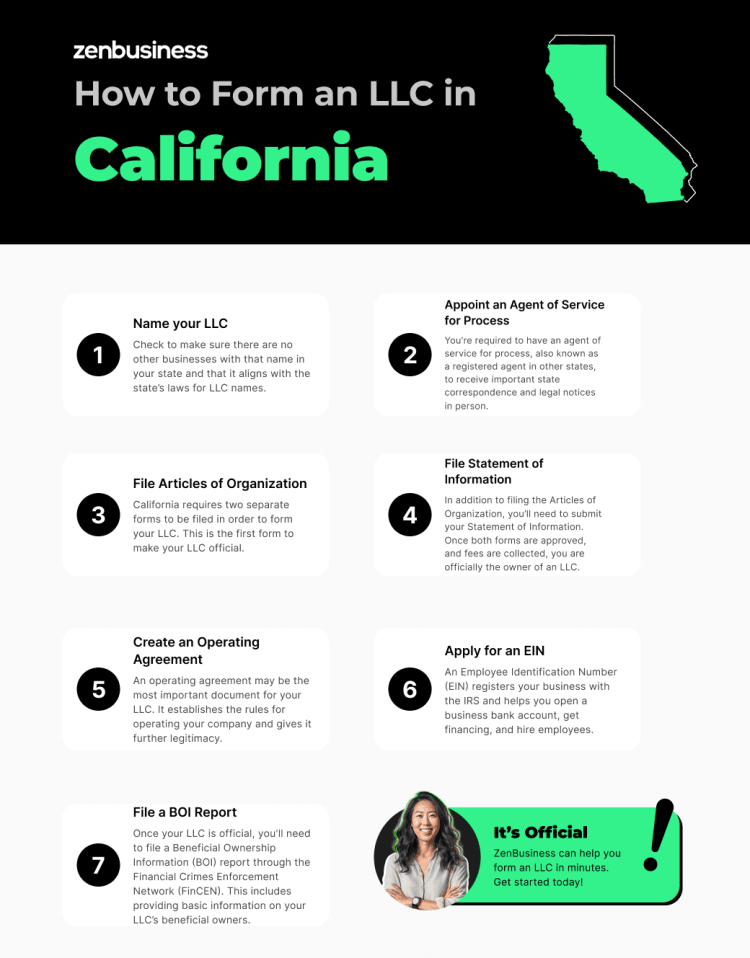
Essential Steps to Registering Your California LLC
Forming an LLC in California involves a structured process that, while requiring attention to detail, is straightforward once understood. Following these steps ensures your business is legally compliant and ready to flourish.
Choosing and Securing Your Business Name
The first tangible step is selecting a unique and memorable name for your LLC. This name will be your brand identity, reflecting your business’s mission and appeal. For those in the travel and lifestyle sectors, a name that evokes a sense of adventure, relaxation, or exclusivity can significantly enhance marketability.
- Uniqueness: Your chosen name must be distinguishable from other registered business entities in California. You can check for availability on the California Secretary of State‘s website.
- Legal Designator: The name must include “Limited Liability Company,” “LLC,” or “L.L.C.”
- Brand Alignment: Consider how your name resonates with your target audience. A company offering luxury tours of Beverly Hills might opt for something elegant, while an adventure outfitter for Joshua Tree National Park might choose something more rugged and evocative.
- Reservation (Optional): If you have a name in mind but aren’t ready to file immediately, you can reserve it for a small fee for up to 60 days with the California Secretary of State.
Once you’ve confirmed your name’s availability, it’s wise to also check for domain name availability and social media handles to ensure a consistent online presence, crucial for any modern travel or lifestyle brand.
The Role of a Registered Agent: Flexibility for the Modern Nomad
Every LLC in California is required to designate a registered agent. This individual or entity must have a physical street address in California (not a P.O. Box) and be available during regular business hours to accept legal documents and official correspondence on behalf of your LLC.
- What they do: The registered agent is the official point of contact for service of process, tax notices, and other legal filings.
- Who can be one: You can act as your own registered agent if you meet the requirements, but many entrepreneurs, especially digital nomads or those who frequently travel, opt for a professional registered agent service.
- Benefits for travelers: For those whose lifestyle involves frequent movement between Los Angeles, San Francisco, or even international destinations, a professional registered agent ensures that critical documents are always received promptly, regardless of your physical location. This allows you to manage your California business while exploring new destinations or attending to your clients’ needs elsewhere. It also adds a layer of privacy, as the registered agent’s address becomes publicly listed instead of your own.
Filing Your Articles of Organization with the California Secretary of State
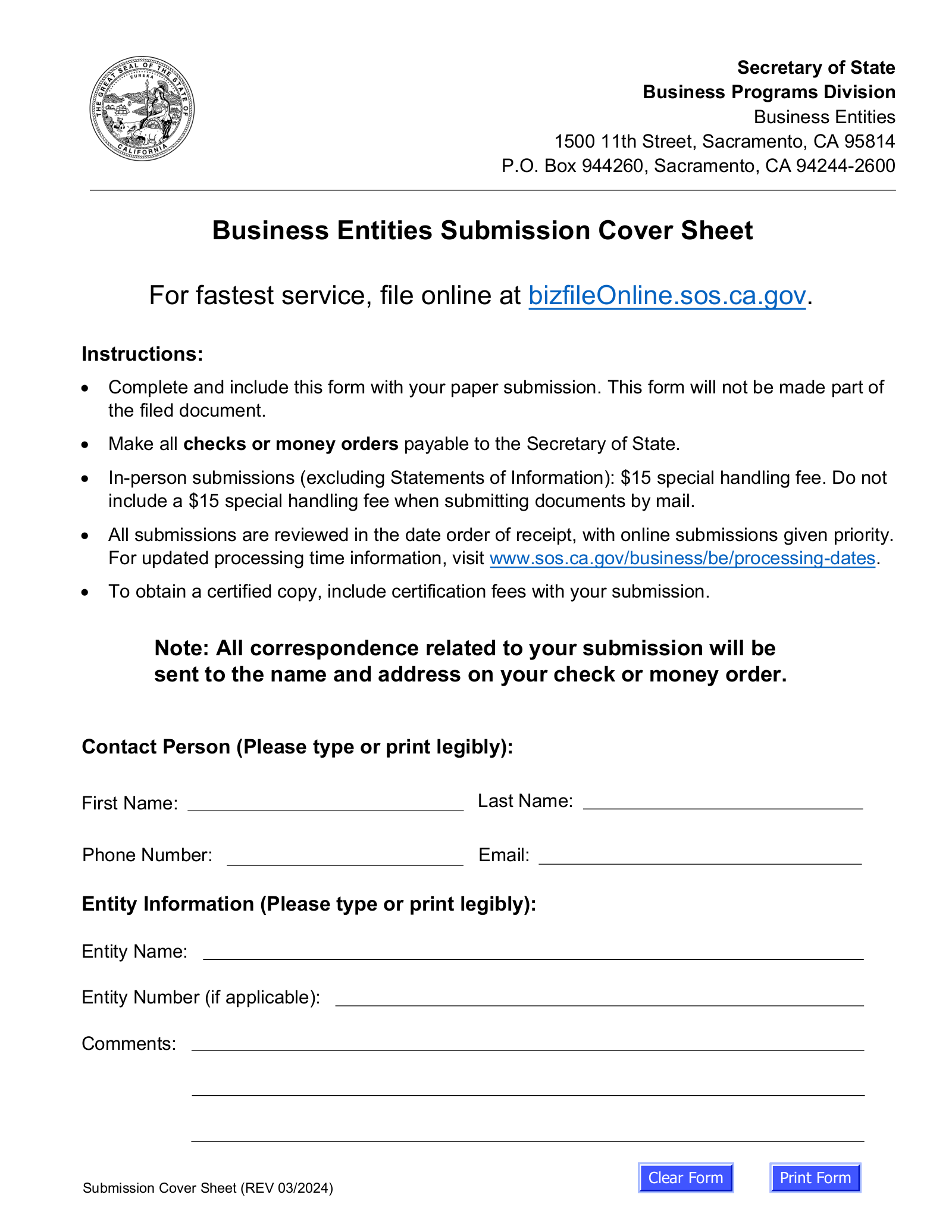
This is the cornerstone of your LLC formation. The Articles of Organization is a relatively simple document that officially registers your LLC with the state.
- Information Required: It typically includes your LLC’s name, the name and address of your registered agent, and a statement that the LLC will be managed by one or more managers or all members.
- Filing Method: You can file the Articles of Organization online, by mail, or in person with the California Secretary of State in Sacramento. Online filing is generally the fastest method, offering convenience for busy entrepreneurs.
- Effective Date: You can choose an immediate effective date or a future date up to 90 days out, allowing you to time the official launch of your business. This is useful if you’re aligning your business launch with a grand opening for a new boutique hotel or the start of a seasonal tour series.
Once filed and approved, the state will return a stamped copy of your Articles of Organization, signifying that your California LLC has been officially formed.
Laying the Groundwork: Operational and Legal Foundations
After officially forming your LLC, several crucial steps remain to ensure its smooth operation and full legal compliance. These internal documents and registrations are vital for defining how your business runs and for adhering to federal and local regulations.
Crafting Your Operating Agreement: Blueprint for Success
While not strictly required to be filed with the California Secretary of State, an Operating Agreement is perhaps the most important internal document for your LLC. Think of it as the bylaws for your business, outlining the rights and responsibilities of members, how profits and losses are distributed, and procedures for decision-making and resolving disputes.
- For single-member LLCs: Even if you’re the sole owner of a travel blog or a single vacation rental property, an Operating Agreement is critical. It helps establish your business as a separate legal entity, reinforcing the liability protection, and provides a clear framework for future growth or management changes.
- For multi-member LLCs: This document is indispensable for partners in a tourism venture or co-owners of an accommodation property. It prevents misunderstandings and provides a roadmap for how the business will operate, particularly beneficial for diverse teams, perhaps with members managing different aspects from various locations within California or even across the globe. It covers capital contributions, voting rights, management structure, and processes for admitting new members or selling interests.
A well-drafted Operating Agreement is a strategic tool for any business, offering clarity and stability in the often-dynamic world of travel and lifestyle entrepreneurship.
Obtaining Your Employer Identification Number (EIN)
An Employer Identification Number (EIN) is a nine-digit number assigned by the Internal Revenue Service (IRS) and acts as your LLC’s federal tax ID. Similar to a Social Security Number for an individual, an EIN is required for most LLCs, even if you don’t have employees.
- When it’s needed: You will need an EIN if your LLC has more than one member, if it plans to hire employees (perhaps a concierge for your luxury resort or a guide for your San Francisco food tour), or if it elects to be taxed as a corporation instead of a pass-through entity. You’ll also need it to open a business bank account and for various state tax filings.
- How to get it: You can obtain an EIN for free directly from the IRS website, typically a quick and straightforward online application process.
Having a separate business bank account linked to your EIN is crucial for maintaining the liability protection of your LLC, as it clearly separates personal and business finances – a practice known as “piercing the corporate veil” can jeopardize your personal asset protection if not adhered to.
Navigating Local Licenses and Permits: A Regional Guide
While the California Secretary of State handles your LLC registration, various federal, state, and local agencies may require additional licenses and permits, depending on your industry and specific business activities. This is particularly relevant for businesses in the hospitality and tourism sectors.
- State-level: Examples include seller’s permits for businesses selling tangible goods, specific licenses for real estate brokers managing vacation properties, or permits for food service if your hotel includes a restaurant.
- Local-level (City/County): This is where it gets highly localized. A boutique hotel in Los Angeles will need different permits than a winery tour operator in Napa Valley or a short-term rental in Lake Tahoe. Cities and counties often require general business licenses, zoning permits, health permits, and specific licenses for operating short-term rentals, serving alcohol, or conducting guided tours.
- Research is Key: It is imperative to research the specific requirements for your business in the exact city and county where you operate. Websites for municipal business development offices or chambers of commerce in areas like San Francisco, San Diego, or Anaheim are excellent starting points. Neglecting these local regulations can lead to hefty fines or even the cessation of operations.
Post-Formation Compliance and Growth in the Golden State
Forming your LLC is a monumental step, but it’s just the beginning. Ongoing compliance is crucial to maintain your LLC’s good standing and continue enjoying its benefits, especially for a dynamic entrepreneur with a flexible lifestyle.
Ongoing Compliance: Staying on Track While Exploring
California LLCs have several recurring obligations that must be met to avoid penalties and maintain active status.
- Annual Franchise Tax: California imposes an annual minimum franchise tax, currently $800, which is due even if your LLC has no income. This is a non-negotiable cost of doing business in the state.
- Statement of Information: Every two years, LLCs must file a Statement of Information with the California Secretary of State. This updates public records with current information about your registered agent, principal office address, and managing members. Timely filing ensures your LLC remains in good standing.
- Tax Filings: Beyond the state franchise tax, your LLC will need to comply with federal tax obligations (filing Form 1065 or Schedule C with the IRS) and potentially other state or local taxes depending on your income and business activities.
- Record Keeping: Maintaining accurate financial records, meeting minutes (if applicable), and updating your Operating Agreement as needed are essential for legal compliance and sound business management.
For entrepreneurs whose work takes them across the globe, leveraging digital tools for accounting, document management, and reminders for filing deadlines is invaluable. Many online services can also assist with compliance filings, making it easier to manage your California LLC remotely while you’re busy curating experiences in Europe or exploring Asia.
Expanding Your Horizon: California’s Unique Business Climate
With your LLC established and compliant, you are perfectly positioned to leverage California’s diverse economic landscape. The state’s appeal to global travelers and its innovation-driven culture create endless opportunities for businesses that cater to unique experiences and premium lifestyles.
- Harnessing Regional Specialties: Whether you’re providing bespoke wine tours in Sonoma, developing a tech solution for smart hotels in San Jose, or offering glamping accommodations near Redwood National Park, your LLC provides the strong legal and operational foundation needed to scale.
- Connecting with Travelers: From visitors flocking to Disneyland Resort in Orange County and Universal Studios Hollywood in Los Angeles, to those seeking the natural beauty of Monterey Bay or the cultural richness of San Francisco’s Fisherman’s Wharf, California offers a constant stream of potential clients for tourism and hospitality businesses.
- Embracing the Digital Frontier: As a hub for technology and innovation, California also serves as an excellent base for digital-first businesses in the lifestyle space, from online travel agencies to virtual experience providers.
Forming an LLC in California is more than just a legal requirement; it’s an investment in your business’s future, providing protection, credibility, and a framework for sustainable growth within one of the world’s most exciting and diverse economies. By meticulously following these steps, you lay a solid foundation, allowing you to focus on what you do best: creating unforgettable experiences and enriching lifestyles across the Golden State and beyond.
LifeOutOfTheBox is a participant in the Amazon Services LLC Associates Program, an affiliate advertising program designed to provide a means for sites to earn advertising fees by advertising and linking to Amazon.com. Amazon, the Amazon logo, AmazonSupply, and the AmazonSupply logo are trademarks of Amazon.com, Inc. or its affiliates. As an Amazon Associate we earn affiliate commissions from qualifying purchases.