
Forming a Limited Liability Company (LLC) in Maine is a strategic move for entrepreneurs seeking to protect their personal assets while enjoying the operational flexibility of a partnership or sole proprietorship. The “Pine Tree State” offers a business-friendly environment, and understanding the steps involved in establishing an LLC can streamline the process significantly. This guide will walk you through the essential requirements, from initial planning to ongoing compliance, ensuring your business venture in Maine is built on a solid legal foundation.
Understanding the Basics of an LLC
An LLC is a hybrid business structure that combines the pass-through taxation of a partnership or sole proprietorship with the limited liability of a corporation. This means that the business’s profits and losses are reported on the owners’ personal income tax returns, avoiding the “double taxation” often associated with C-corporations. Crucially, an LLC shields the personal assets of its members (owners) from business debts and lawsuits. If the LLC incurs debt or faces litigation, the members’ personal property, such as their homes or personal bank accounts, generally remains protected.
Key Benefits of Forming an LLC in Maine
Choosing an LLC structure in Maine offers several advantages for new and established businesses:
- Limited Liability Protection: As mentioned, this is the primary benefit. Your personal assets are separated from your business liabilities, providing significant peace of mind.
- Pass-Through Taxation: This avoids the corporate tax rate. Profits are taxed at the individual member’s income tax rate, which can be more advantageous, especially for smaller businesses.
- Flexibility in Management: LLCs can be managed by their members (member-managed) or by appointed managers (manager-managed). This flexibility allows you to structure your business operations according to your needs.
- Fewer Formalities: Compared to corporations, LLCs generally have fewer strict operating requirements, such as mandatory annual meetings or complex record-keeping.
- Credibility: Operating as an LLC can lend an air of professionalism and seriousness to your business, potentially enhancing trust with customers, suppliers, and lenders.
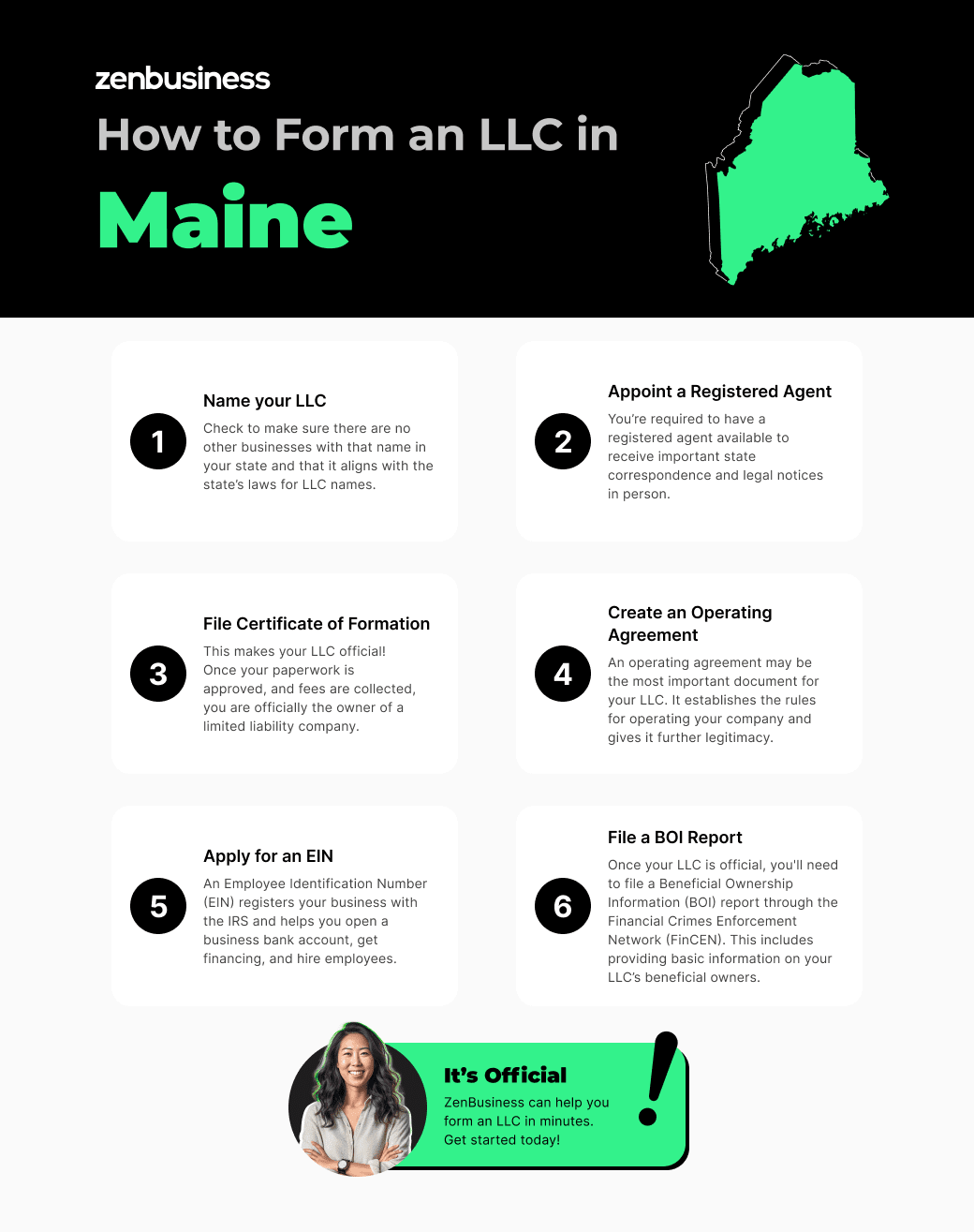
Step-by-Step Guide to Forming Your Maine LLC
The process of forming an LLC in Maine is relatively straightforward, involving several key steps overseen by the Maine Secretary of State.
Step 1: Choose a Name for Your LLC
Selecting a distinctive and available name is a critical first step. Your LLC’s name must comply with Maine state laws, which typically require the name to include a designator indicating it is a limited liability company. Common designators include:
- “Limited Liability Company”
- “LLC”
- “L.L.C.”
Your chosen name must also be distinguishable from the names of other business entities already registered with the Maine Secretary of State. To check for name availability, you can utilize the Maine Business Search tool on the Maine Secretary of State website. It is also advisable to search federal and state trademark databases to ensure your name does not infringe on existing trademarks. Once you’ve confirmed availability and compliance, you can reserve the name for a fee, though this is optional.
Step 2: Appoint a Registered Agent
Every LLC in Maine must designate a registered agent. This is an individual or a business entity that agrees to accept legal documents and official correspondence on behalf of your LLC. The registered agent must have a physical street address in Maine (not a P.O. Box) and be available during normal business hours.
- Individual Registered Agent: You can appoint yourself, another member of the LLC, or an employee as the registered agent, provided they meet the address and availability requirements.
- Commercial Registered Agent: Many businesses opt to hire a professional registered agent service. These services specialize in fulfilling this role, ensuring timely delivery of important documents and providing a reliable point of contact. This is often a good choice if you don’t have a physical presence in Maine or prefer to maintain privacy.
The registered agent’s name and address will be a public record.
Step 3: File the Certificate of Formation
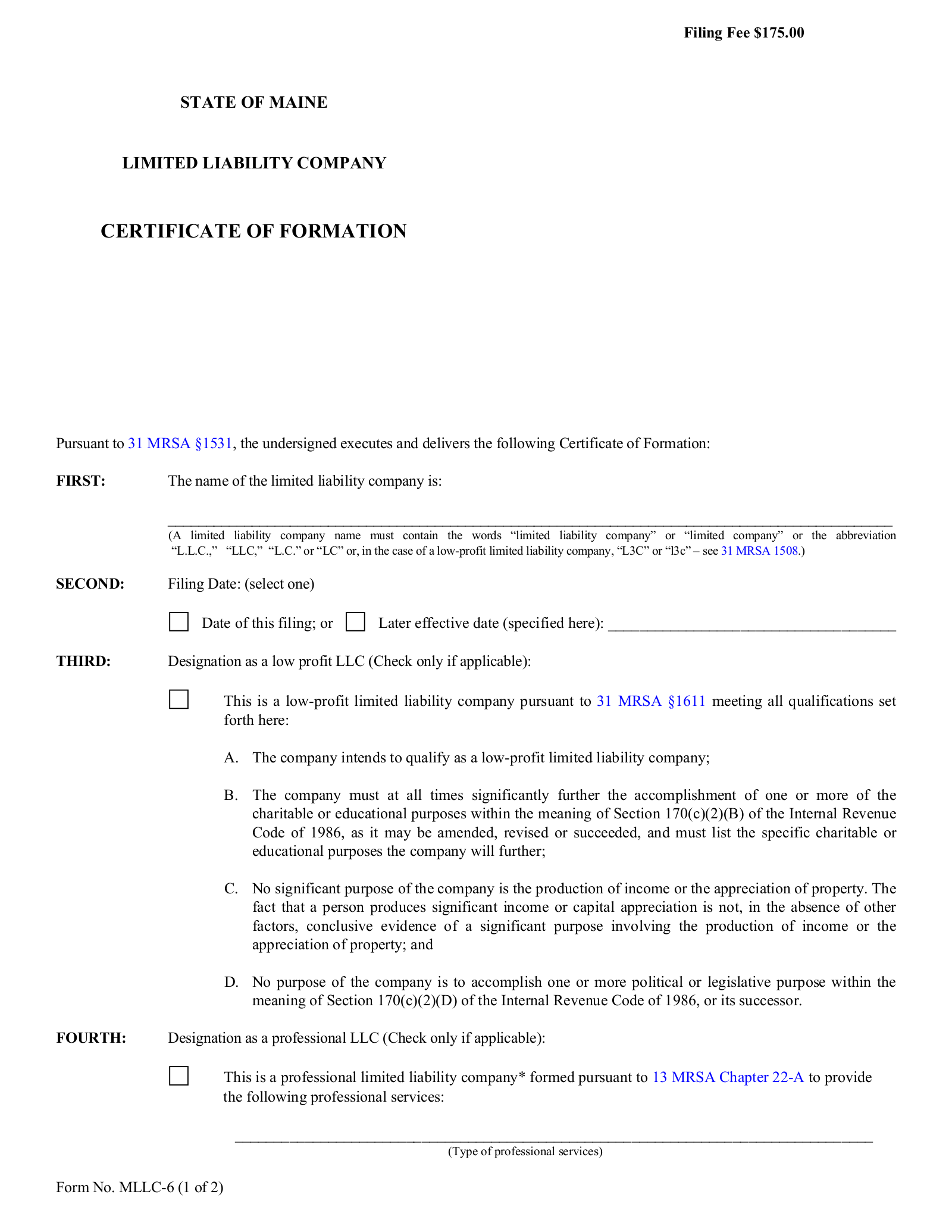
The official creation of your LLC occurs when you file the Certificate of Formation with the Maine Secretary of State. This document, sometimes referred to as Articles of Organization, is the foundational legal document for your LLC.
The Certificate of Formation typically requires the following information:
- Name of the LLC: The exact name you have chosen and verified.
- Name and Address of the Registered Agent: The designated individual or entity responsible for receiving official notices.
- Principal Place of Business Address: The main physical location of your business operations in Maine.
- Name and Address of Each Organizer: The individual(s) filing the document.
- Management Structure: Whether the LLC will be member-managed or manager-managed.
- Effective Date: You can specify a future date for your LLC to become effective, up to 90 days after filing.
The filing fee for the Certificate of Formation in Maine can be found on the Maine Secretary of State website. You can typically file online, by mail, or in person. Once approved, your LLC is officially formed.
Step 4: Create an Operating Agreement
While not legally required by the state of Maine for LLCs, an Operating Agreement is a highly recommended internal document. It serves as a roadmap for your LLC’s operations, outlining the rights and responsibilities of its members, as well as the procedures for managing the business.
Key provisions typically included in an Operating Agreement:
- Ownership Percentages: How the profits, losses, and capital contributions are divided among members.
- Management Structure: Detailed explanation of how decisions will be made and by whom.
- Member Duties and Responsibilities: Clarification of each member’s roles and contributions.
- Procedures for Adding or Removing Members: How new members can join and how existing members can leave.
- Dissolution Procedures: The process for winding down the business if necessary.
- Capital Contributions: How initial and future funds will be raised and managed.
- Voting Rights: How votes are cast on various business matters.
A well-drafted Operating Agreement can prevent future disputes among members and provide clarity on critical business decisions. It also reinforces the separateness of the LLC from its members, further strengthening the limited liability protection.
Step 5: Obtain an Employer Identification Number (EIN)
An Employer Identification Number (EIN), also known as a Federal Tax Identification Number, is issued by the Internal Revenue Service (IRS). You will need an EIN if your LLC plans to hire employees, operates as a corporation or partnership for tax purposes, or files certain excise tax returns. Even if not strictly required, obtaining an EIN is often beneficial for opening business bank accounts and establishing business credit.
- Applying for an EIN: You can apply for an EIN online directly through the IRS website. The process is free, and you will receive your EIN immediately upon successful application.
- Business Bank Account: With your EIN and Certificate of Formation, you can open a dedicated business bank account. It is crucial to keep your business finances separate from your personal finances to maintain liability protection and for accurate bookkeeping.
Ongoing Compliance in Maine
Once your LLC is formed, there are ongoing responsibilities to ensure its continued compliance with Maine state laws and federal regulations.
Annual Reports
Maine does not require LLCs to file annual reports. However, businesses must pay an annual tax.
Maine Franchise Tax
All LLCs registered in Maine are subject to an annual franchise tax. This tax is paid to the Maine Bureau of Revenue Services. The amount of the tax can vary and is typically based on the fair market value of the LLC’s total assets employed in Maine. It is essential to stay informed about the current franchise tax rates and filing deadlines to avoid penalties.
State and Federal Taxes
- Federal Taxes: As mentioned, LLCs generally benefit from pass-through taxation. Profits and losses are reported on the members’ personal federal tax returns using Schedule C (for single-member LLCs) or Form 1065 (for multi-member LLCs).
- State Taxes: In addition to the franchise tax, your LLC will be responsible for Maine state income tax on its profits. Specific state tax obligations will depend on the nature of your business and its activities within Maine. Consulting with a tax professional familiar with Maine tax laws is highly recommended.
Business Licenses and Permits
Depending on your industry and the specific activities of your LLC, you may need to obtain additional business licenses and permits at the federal, state, or local level. For instance, businesses in food service, construction, or healthcare often require specialized licensing. The Maine state government provides resources to help businesses identify required licenses and permits.
Conclusion: Building a Strong Foundation
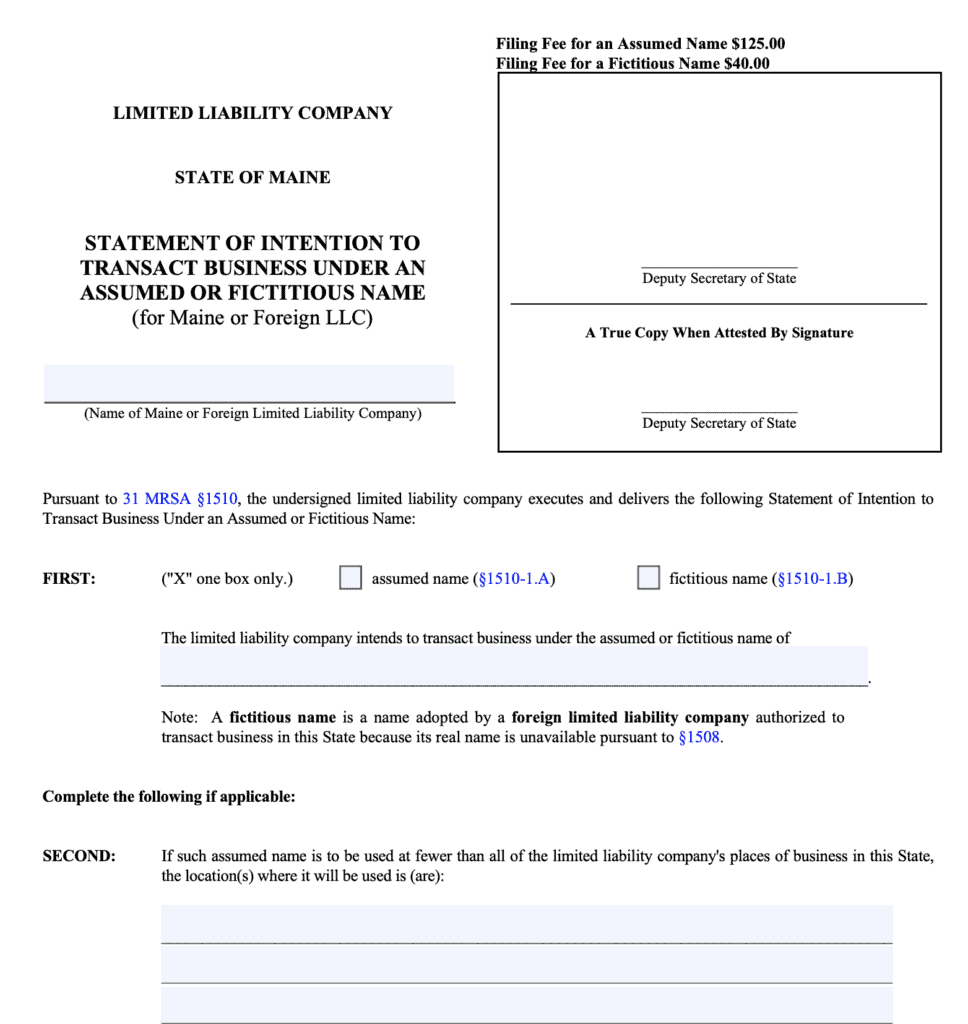
Forming an LLC in Maine is a foundational step for aspiring entrepreneurs. By carefully navigating the requirements of naming your business, appointing a registered agent, filing the necessary documentation, and establishing internal operating procedures, you can create a robust legal structure for your venture. Remember to stay vigilant with ongoing compliance, including tax obligations and potential licensing requirements, to ensure your Maine LLC operates smoothly and maintains its protected status. A well-formed LLC not only safeguards your personal assets but also lays the groundwork for sustained business success in the dynamic economic landscape of Maine.
LifeOutOfTheBox is a participant in the Amazon Services LLC Associates Program, an affiliate advertising program designed to provide a means for sites to earn advertising fees by advertising and linking to Amazon.com. Amazon, the Amazon logo, AmazonSupply, and the AmazonSupply logo are trademarks of Amazon.com, Inc. or its affiliates. As an Amazon Associate we earn affiliate commissions from qualifying purchases.