
Establishing a business entity in Texas is a pivotal step for individuals looking to solidify their entrepreneurial endeavors and embrace a lifestyle supported by their own ventures. For those drawn to the vibrant opportunities within the state, whether it’s launching a charming bed and breakfast in the Hill Country, a specialized tour service exploring the historical sites of San Antonio, or a unique retail experience in the bustling metropolis of Houston, forming a Limited Liability Company (LLC) offers a compelling blend of legal protection and operational flexibility. This guide aims to demystify the process of forming an LLC in Texas, providing a clear, actionable roadmap for aspiring business owners to lay a robust foundation for their business aspirations.
Understanding the Benefits of an LLC for Your Texas Lifestyle Business
An LLC is a popular choice for entrepreneurs due to its inherent advantages, particularly when aligning business structure with personal lifestyle goals. In Texas, an LLC provides a shield between your personal assets and your business liabilities, a crucial element for peace of mind. This separation is vital for anyone seeking to integrate their work with their life, whether that means having the freedom to travel extensively while your business operates smoothly, or being able to invest more time in family activities without the constant worry of personal financial exposure.
Asset Protection: Safeguarding Your Personal Investments
One of the most significant benefits of an LLC is its ability to protect your personal assets. This means that if your business incurs debts or faces lawsuits, your personal savings, home, and other possessions are generally shielded from creditors. For someone envisioning a lifestyle that involves significant personal investment in their business, this protection is paramount. It allows for bolder entrepreneurial moves, knowing that your personal financial security is not directly on the line. Imagine opening a boutique hotel in Austin; if unexpected operational costs arise or a dispute occurs, your personal finances remain separate, allowing you to continue enjoying the lifestyle you’ve cultivated.
Tax Flexibility: Tailoring Your Financial Structure
LLCs offer a degree of tax flexibility that can be advantageous. By default, an LLC is treated as a pass-through entity, meaning that profits and losses are “passed through” to the owners’ personal income without being taxed at the corporate level. This can help avoid the “double taxation” often associated with traditional C-corporations. Furthermore, Texas has no state income tax, making it an even more attractive location for business owners looking to maximize their earnings. This financial efficiency is key for those building a business to support a particular lifestyle, whether it’s a more relaxed pace or one that allows for significant travel and leisure.
Operational Simplicity: Focusing on Your Passion
Compared to other business structures like corporations, LLCs are generally simpler to establish and maintain. They have fewer formal requirements, such as mandatory annual meetings and extensive record-keeping, which can be a considerable advantage for entrepreneurs who want to dedicate their energy to the core operations of their business rather than getting bogged down in administrative complexities. This simplicity is ideal for lifestyle-focused businesses where the owner’s passion and direct involvement are critical to success, such as running a specialized vineyard tour in the Texas Wine Country or managing an artisanal craft shop.
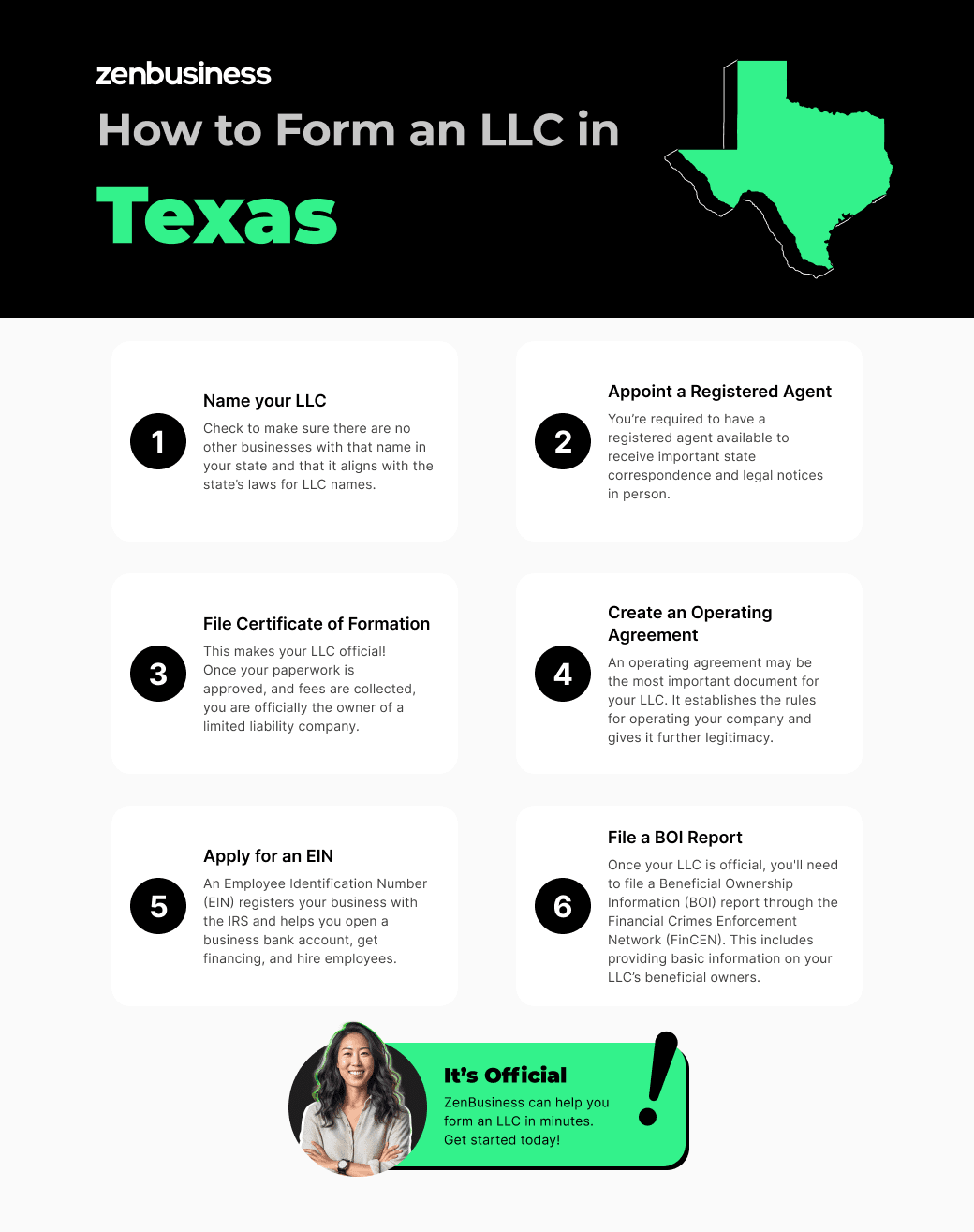
The Essential Steps to Forming Your LLC in Texas
Embarking on the journey of forming an LLC in Texas involves several distinct steps, each requiring careful attention to detail. Understanding and executing these steps correctly ensures that your business is legally established and positioned for growth.
Step 1: Choosing a Registered Agent and Business Name
The first crucial step is selecting a Registered Agent. This individual or company is responsible for receiving official legal documents on behalf of your LLC. The Registered Agent must have a physical address in Texas and be available during normal business hours. For many business owners, especially those who travel frequently, it’s often more practical to appoint a professional Registered Agent service.
Simultaneously, you must choose a unique name for your LLC. The name must contain the words “Limited Liability Company” or an acceptable abbreviation such as “LLC” or “L.L.C.” It cannot be misleadingly similar to existing business names registered with the Texas Secretary of State. You can perform a name availability search on the Secretary of State’s website to ensure your chosen name is available.
Step 2: Filing the Certificate of Formation
The core of establishing your LLC lies in filing the Certificate of Formation (often referred to as Articles of Organization in other states) with the Texas Secretary of State. This document officially creates your LLC. Key information required includes:
- Name of the LLC: The legally registered name you’ve chosen.
- Registered Agent’s Name and Address: As selected in the previous step.
- Management Structure: Whether the LLC will be member-managed or manager-managed. Member-managed means all members participate in running the business, while manager-managed designates specific individuals to oversee operations.
- Organizer’s Name and Address: The person filing the document on behalf of the LLC.

This filing can be done online, by mail, or in person. There is a filing fee associated with this step, which is subject to change by the Texas Legislature. It’s advisable to check the most current fee schedule on the Texas Secretary of State’s official website.
Step 3: Creating an Operating Agreement
While not legally required by the state of Texas, an Operating Agreement is a vital internal document for any LLC. It outlines the ownership structure, member responsibilities, profit and loss distribution, and procedures for managing the LLC. Think of it as the internal rulebook for your business.
A well-drafted Operating Agreement is particularly important for LLCs with multiple members, as it clarifies expectations and can prevent future disputes. For a lifestyle business, it ensures that the business operations align with the personal goals and arrangements of the owners. This document helps maintain the smooth operation of your business, allowing you to focus on enjoying the lifestyle it supports, whether that involves expanding your boutique hotel in the Texas Gulf Coast or developing new adventure tour packages.
Post-Formation: Essential Steps for Your Texas LLC
Once your Certificate of Formation is approved and your LLC is officially recognized by the state, there are several subsequent steps that are crucial for ongoing compliance and operational efficiency. These steps ensure your business remains in good standing and can continue to support your desired lifestyle.
Obtaining an EIN (Employer Identification Number)
If your LLC plans to hire employees or operate as a corporation for tax purposes, you will need an Employer Identification Number (EIN) from the Internal Revenue Service (IRS). Even if not strictly required, obtaining an EIN is often beneficial for opening a business bank account and establishing business credit. It’s a free service provided by the IRS and can be applied for online. This number is essentially the Social Security number for your business.
Opening a Business Bank Account
To maintain the legal separation between your personal and business finances, it is imperative to open a dedicated business bank account. This account should be used for all business transactions, including deposits and expenses. Co-mingling personal and business funds can jeopardize the liability protection offered by your LLC. A separate bank account also simplifies bookkeeping and tax preparation, making it easier to track the financial performance of your business, which is crucial for understanding its contribution to your lifestyle.
Understanding Texas Franchise Tax
Businesses operating in Texas, including LLCs, may be subject to the Texas Franchise Tax. This is an annual tax imposed on certain entities formed or organized in Texas, or doing business in Texas. The tax is based on the entity’s total revenue. However, there are thresholds for “no tax due” based on gross receipts. It is essential to research the current Franchise Tax requirements and filing deadlines on the Texas Comptroller of Public Accounts website to ensure compliance and avoid penalties. Understanding this tax obligation is key to accurately forecasting your business’s profitability and its impact on your financial lifestyle.
Maintaining Your LLC and Lifestyle in Texas
Forming an LLC is just the beginning. Ongoing compliance and diligent management are essential to preserve the benefits of the LLC structure and ensure your business continues to support your desired lifestyle in Texas.
Annual Filings and Compliance
While Texas does not require annual reports for LLCs, it’s critical to stay informed about any changes in state or federal regulations that might affect your business. Furthermore, maintaining your Registered Agent’s service and ensuring they are always up-to-date with your business’s contact information is paramount. Regularly reviewing and updating your Operating Agreement as your business evolves or your personal circumstances change can also prevent future complications.

Business Licenses and Permits
Depending on the nature of your business and its location within Texas, you may need to obtain specific business licenses and permits. These can range from local city and county permits to state-specific licenses for industries like hospitality, food service, or professional services. Thorough research into the requirements for your specific business activity is crucial to operate legally and avoid potential fines. For instance, a tourism-focused LLC offering tours of national parks like Big Bend National Park or the Guadalupe Mountains National Park will have different permitting requirements than a tech startup in Dallas.
By diligently following these steps and maintaining a proactive approach to compliance, you can establish a strong, legally protected business entity in Texas. This solid foundation will not only contribute to the success of your entrepreneurial venture but also empower you to fully embrace and enjoy the lifestyle you have envisioned, whether it’s exploring the diverse landscapes of Texas or building a thriving business that offers you the freedom and flexibility you desire.
LifeOutOfTheBox is a participant in the Amazon Services LLC Associates Program, an affiliate advertising program designed to provide a means for sites to earn advertising fees by advertising and linking to Amazon.com. Amazon, the Amazon logo, AmazonSupply, and the AmazonSupply logo are trademarks of Amazon.com, Inc. or its affiliates. As an Amazon Associate we earn affiliate commissions from qualifying purchases.