
California, a land of sun-kissed beaches, towering redwoods, and vibrant metropolitan hubs, beckons entrepreneurs with its promise of innovation and opportunity. From aspiring hoteliers dreaming of a boutique retreat in Napa Valley to ambitious tour operators showcasing the wonders of Yosemite National Park, the Golden State offers an unparalleled backdrop for business ventures. For many, the Limited Liability Company (LLC) stands out as the entity of choice, balancing simplicity with robust protection. Whether you’re launching a luxury travel concierge service, investing in vacation rentals along the Pacific Coast Highway, or developing a new travel tech platform in Silicon Valley, understanding how to form an LLC in California is a crucial first step toward safeguarding your assets and establishing a credible presence.
This comprehensive guide is tailored for the travel, hospitality, and lifestyle entrepreneur. It will walk you through the intricacies of establishing an LLC in California, ensuring you’re well-equipped to navigate the legal landscape and focus on creating unforgettable experiences for your clientele, whether they’re exploring the urban jungles of Los Angeles or unwinding in a serene Palm Springs Boutique Hotel.

The Strategic Advantage: Why an LLC for Your California Travel Business?
Before diving into the procedural steps, it’s vital to understand why an LLC is often the preferred business structure for those operating within the dynamic California travel, accommodation, and lifestyle sectors. Its unique blend of personal asset protection, credibility, and tax flexibility makes it an attractive option for both nascent startups and seasoned entrepreneurs looking to formalize their operations.
Protecting Your Personal Assets on the Golden Coast
One of the primary benefits of forming an LLC is the personal liability protection it affords. In essence, an LLC creates a legal separation between you, the business owner, and your business entity. This means that if your travel agency, guesthouse, or lifestyle brand faces a lawsuit or incurs debts, your personal assets—such as your home in San Diego, personal savings, or car—are generally protected.
For businesses dealing directly with the public, like a tour operator guiding excursions through Big Sur, a bed and breakfast in Carmel-by-the-Sea, or a platform booking unique local experiences in San Francisco, this protection is invaluable. Accidents can happen, unforeseen circumstances can arise, and an LLC acts as a crucial shield, allowing you to pursue your entrepreneurial dreams with greater peace of mind. Without this structure, operating as a sole proprietorship could expose all your personal wealth to business liabilities, a risk few are willing to take in the bustling California market.
Enhanced Credibility for Tourists and Investors
Establishing your business as an LLC immediately lends it a higher degree of professionalism and credibility. For travelers seeking reliable accommodation, authentic local tours, or unique lifestyle experiences, doing business with a formally structured entity often instills greater trust than with an individual operating without a formal business designation. This is particularly true in the competitive California tourism market, where reputation is paramount.
When potential partners, vendors, or investors evaluate your business, an LLC signifies a serious, legitimate operation. For instance, if you’re seeking financing to expand your network of California Coast Resorts or attract venture capital for a new travel technology startup, presenting yourself as a properly registered LLC can significantly enhance your appeal. It demonstrates a commitment to legal compliance and a structured approach to business management, vital attributes for any successful venture in the United States.
Tax Flexibility for Lifestyle Entrepreneurs
California LLCs offer considerable flexibility regarding taxation. By default, an LLC is treated as a “pass-through” entity for federal income tax purposes, meaning profits and losses are reported on the owners’ personal income tax returns, avoiding the “double taxation” often associated with corporations. This simplifies tax filings for many small business owners and can be particularly advantageous for those with fluctuating income, typical in seasonal travel or tourism businesses.
However, LLCs also have the option to elect to be taxed as an S-corporation or even a C-corporation, offering strategic tax planning opportunities, especially as your business grows. For lifestyle entrepreneurs who might be managing multiple ventures or have diverse income streams, this adaptability allows for optimizing tax liabilities to align with overall financial goals. Consulting with a tax professional experienced in California business law can help you determine the most beneficial tax classification for your specific travel or lifestyle enterprise.

Navigating the Golden State: Step-by-Step LLC Formation
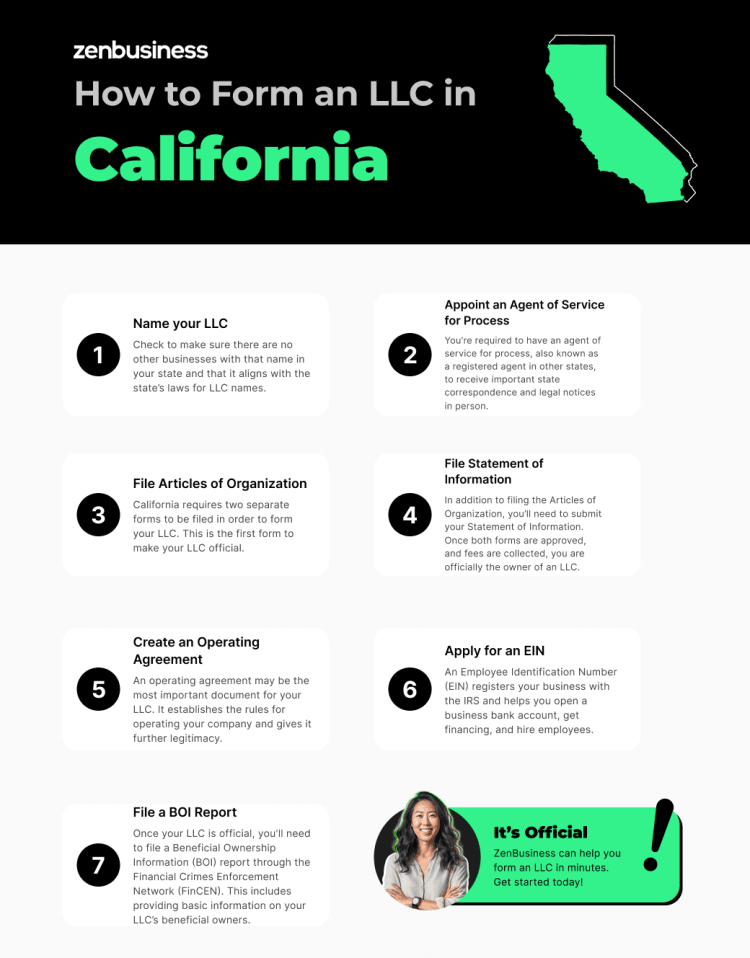
Now that you understand the compelling reasons to form an LLC, let’s break down the essential steps required to register your business in California. While the process can seem daunting, following these guidelines will streamline your journey to becoming a legally recognized entity.
Choosing Your Business Name: A Brand for Your California Venture
The first concrete step is to choose a unique and memorable name for your LLC. This name will be your brand identity, appearing on everything from your website for Beverly Hills Suites to your booking confirmations for Anaheim theme park tours. In California, your chosen name must end with “Limited Liability Company” or “LLC” (or “L.L.C.”). It must also be distinguishable from other registered entities with the California Secretary of State.
You can check the availability of your desired name by performing a business entity search on the California Secretary of State website. It’s advisable to have a few alternative names in mind, just in case your first choice is already taken. Once you’ve confirmed availability, you might consider reserving the name for a small fee, which will hold it for 60 days, giving you time to complete the remaining steps without worrying about someone else claiming your preferred moniker. Remember to also check for corresponding domain name availability and social media handles to ensure a consistent brand presence for your travel or accommodation business.
Appointing a Registered Agent: Your Official Point of Contact
Every LLC in California is required to designate a registered agent. This individual or entity acts as the official point of contact for your LLC, responsible for receiving legal documents, state correspondence, and service of process on behalf of your business. The registered agent must have a physical street address in California (not a P.O. Box) and be available during regular business hours.
While you can technically act as your own registered agent if you meet the criteria, many business owners, particularly those in the travel industry who might frequently be on the move or managing properties remotely, opt for a professional registered agent service. These services ensure that important documents are always received and promptly forwarded, helping you maintain compliance and avoid missing critical deadlines. This is especially beneficial for those managing diverse portfolios, from boutique hotels in Santa Monica to rental properties near Disneyland Park.
Filing Your Articles of Organization: The Foundation
The Articles of Organization is the foundational document that officially registers your LLC with the California Secretary of State. This relatively simple form requires basic information about your LLC, including its name, location, and the name and address of your registered agent. You’ll need to submit this form along with the filing fee.
Once filed and approved, the California Secretary of State will return a stamped copy of your Articles of Organization, signifying that your LLC is officially recognized by the state. This is a monumental step, marking the legal birth of your travel, tourism, or lifestyle enterprise. Ensure all information is accurate to avoid delays, as errors can prolong the formation process and push back your grand opening or service launch.
Crafting an Operating Agreement: Your Business Blueprint
While not required to be filed with the California Secretary of State, an Operating Agreement is perhaps the most critical internal document for your LLC. This legal blueprint outlines the ownership structure, management responsibilities, rights and duties of members (owners), profit and loss distribution, and procedures for decision-making and resolving disputes.
For single-member LLCs, an Operating Agreement reinforces the legal separation between you and your business, strengthening your personal asset protection. For multi-member LLCs—perhaps a partnership managing a chain of San Francisco guesthouses or a group developing a new travel app—a well-drafted Operating Agreement prevents future disagreements by setting clear expectations and rules of engagement. It’s an indispensable tool for maintaining harmony and efficiency, especially in fast-paced sectors like travel and hospitality where quick decisions and clear communication are paramount.
Obtaining Your EIN: Essential for Payroll and Taxes
Once your LLC is officially formed, you’ll need to obtain an Employer Identification Number (EIN) from the Internal Revenue Service. The EIN is essentially your LLC’s social security number, used for federal tax purposes, opening business bank accounts, and hiring employees (if applicable).
You can apply for an EIN online through the Internal Revenue Service website, and it’s typically issued immediately upon completion of the application. Even if you’re a single-member LLC without employees, an EIN is required unless you elect to be taxed as a sole proprietorship. This step is non-negotiable for establishing financial independence for your business, whether it’s a bespoke travel agency or a chain of Oakland co-working spaces.
Post-Formation Essentials for California Business Owners
Forming your LLC is a significant milestone, but the journey doesn’t end there. To ensure your travel, accommodation, or lifestyle business thrives in California, it’s crucial to adhere to ongoing compliance requirements and establish sound operational practices.
Maintaining Compliance and Annual Filings
California LLCs are required to file a Statement of Information with the California Secretary of State every two years. This report updates the state with current information about your LLC, including its registered agent, members, and managers. Failure to file this document can result in penalties and even administrative dissolution of your LLC.
Additionally, California imposes an annual minimum franchise tax on all LLCs, regardless of income. This fee must be paid annually to the California Franchise Tax Board. Staying on top of these regular filings and fees is essential for keeping your LLC in good standing and maintaining the liability protection it offers. Consider setting up reminders or utilizing a compliance service to avoid missing these crucial deadlines, allowing you to focus on growing your tourism business or expanding your property portfolio.
Licensing and Permits for Travel and Hospitality Ventures
Depending on the specific nature of your travel, accommodation, or lifestyle business, you will likely need to obtain additional licenses and permits at the federal, state, and local levels. For instance, a tour operator in Hollywood might need a specific local business license from the City of Los Angeles, while a hotel in Orange County would require health permits and potentially lodging permits.
Businesses involved in selling travel, like travel agencies, might need to register with the California Seller of Travel Program. Restaurants and cafes within hotels require specific food service permits. It’s imperative to research the specific requirements for your industry and locality. Resources like the California Office of Business and Economic Development (GO-Biz) website and your local city and county clerk’s offices are excellent starting points for identifying all necessary permits and licenses. Ensuring full compliance protects your business from fines and operational disruptions, allowing for smooth operation, whether you’re running a souvenir shop near the Santa Monica Pier or a luxury car rental service for visitors to Universal Studios Hollywood.
Setting Up Your Business Bank Account
Once your LLC is officially formed and you have your EIN, the next crucial step is to open a dedicated business bank account. This isn’t just a best practice; it’s vital for maintaining the legal separation between your personal and business finances, a concept known as “piercing the corporate veil.” Without a separate business account, a court could potentially argue that your LLC isn’t truly distinct from you personally, thus jeopardizing your personal asset protection.
A business bank account simplifies accounting, streamlines tax preparation, and presents a professional image to clients and vendors. Whether you’re receiving payments for a guided hike through the Muir Woods National Monument or booking fees for a stay in a San Francisco Bay Area apartment, keeping these transactions separate is fundamental to sound financial management and legal compliance.
Leveraging Your California LLC for Travel and Lifestyle Businesses
With your LLC successfully established, you are now strategically positioned to capitalize on California’s robust travel and lifestyle economy. The legal framework you’ve built provides the stability and credibility necessary to pursue diverse opportunities.
From Boutique Hotels to Tour Operators
An LLC structure is ideal for a wide array of hospitality ventures. A boutique hotel aiming for discerning travelers, perhaps near the Golden Gate Bridge or nestled in the wine country, benefits from the liability protection against guest claims and operational risks. Similarly, tour operators showcasing the Hollywood Walk of Fame or organizing surfing lessons in Malibu can operate confidently, knowing their personal assets are shielded from potential incidents or accidents during their excursions. The professional image of an LLC can also help attract skilled guides and staff, contributing to a higher quality of service and positive tourist experiences.
Investing in Vacation Rentals and Accommodation
California’s popularity as a tourist destination makes vacation rentals a lucrative investment. Whether you manage a single Airbnb property in Laguna Beach or a portfolio of luxury villas in Palm Springs, forming an LLC for each property or a consolidated LLC for your rental business offers critical asset protection. This ring-fences your personal wealth from tenant disputes, property damage claims, or other liabilities inherent in real estate ownership. It also streamlines the management of multiple properties and clarifies financial reporting, essential for scaling your accommodation business and attracting more guests seeking diverse lodging options.
Crafting Unique Travel Experiences
Beyond traditional hotels and tours, the lifestyle sector in California thrives on unique experiences. An LLC is perfectly suited for entrepreneurs offering specialized services such as wellness retreats in Big Bear Lake, culinary tours in Sonoma County, or personalized travel planning for international visitors. These businesses often involve contracts with multiple vendors, clients, and partners. The legal clarity and professional standing afforded by an LLC simplify these relationships, enhance trust, and provide a stable foundation for growth. It allows you to focus on curating exceptional journeys and lifestyle enhancements, knowing that your business structure is robust and compliant.
In conclusion, forming an LLC in California is a strategic move for any entrepreneur looking to make their mark in the travel, accommodation, or lifestyle industries. By understanding and meticulously following these steps, you not only establish a legitimate business but also fortify it with essential legal protections, enhanced credibility, and beneficial tax flexibility. With your LLC in place, the vibrant opportunities of the Golden State await, ready for you to shape unforgettable experiences for travelers and lifestyle enthusiasts alike.