
Understanding the Core Components of Chicago Style
The Chicago Manual of Style (CMOS) is a widely adopted style guide used primarily in the humanities and social sciences. It offers two distinct systems for referencing sources: the notes-bibliography system and the author-date system. While the formatting of the paper itself shares many similarities across both, the method of citation and the final bibliography or reference list will differ significantly. This guide will focus on the general formatting principles applicable to both systems, with specific notes on how they diverge.
General Formatting Guidelines
Regardless of whether you are using the notes-bibliography or author-date system, several fundamental formatting rules apply to a Chicago-style paper. These guidelines ensure clarity, consistency, and a professional presentation of your research.
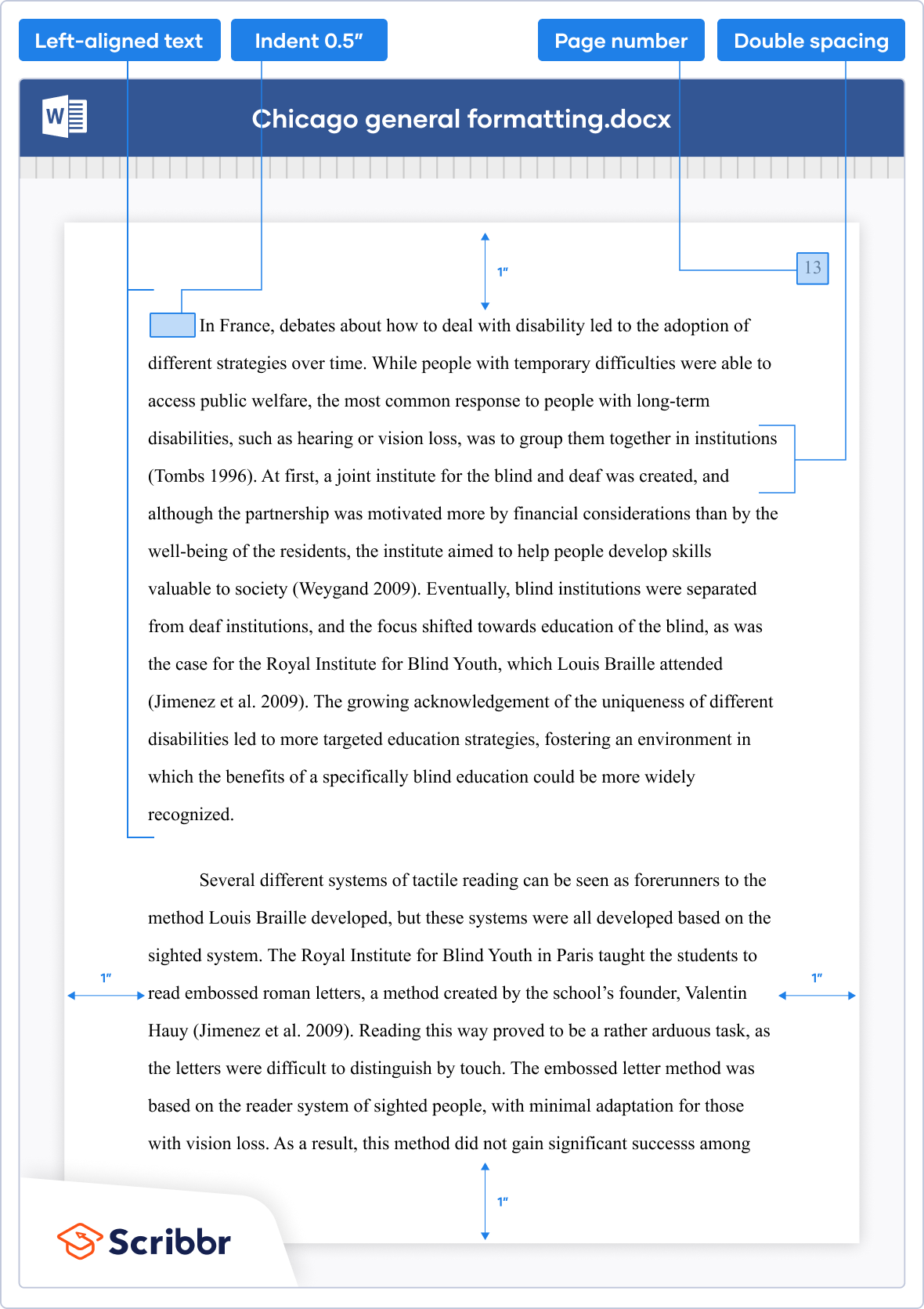
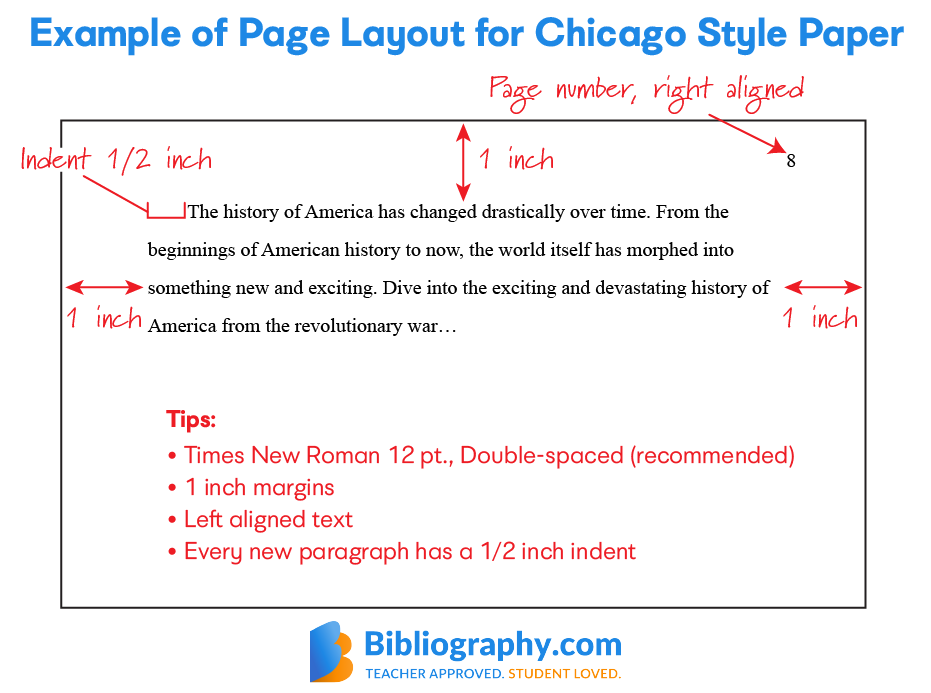
- Paper Size and Margins: Use standard letter-sized paper (8.5 x 11 inches). Set margins to 1 inch on all sides (top, bottom, left, and right). This provides ample space for the reader and for any annotations or comments.
- Font and Spacing: Choose a readable, 12-point font such as Times New Roman, Arial, or Courier New. Double-space the entire manuscript, including block quotations, notes, and the bibliography or reference list. Some instructors or publishers may permit single-spacing for block quotations or the bibliography, but always clarify these exceptions beforehand.
- Page Numbering: Page numbers should appear in the upper right-hand corner of each page, starting with the first page of the text (after the title page, if one is used). The title page itself is not numbered. For longer works, introductory materials like the table of contents are often numbered with lowercase Roman numerals, preceding the Arabic numerals for the main text.
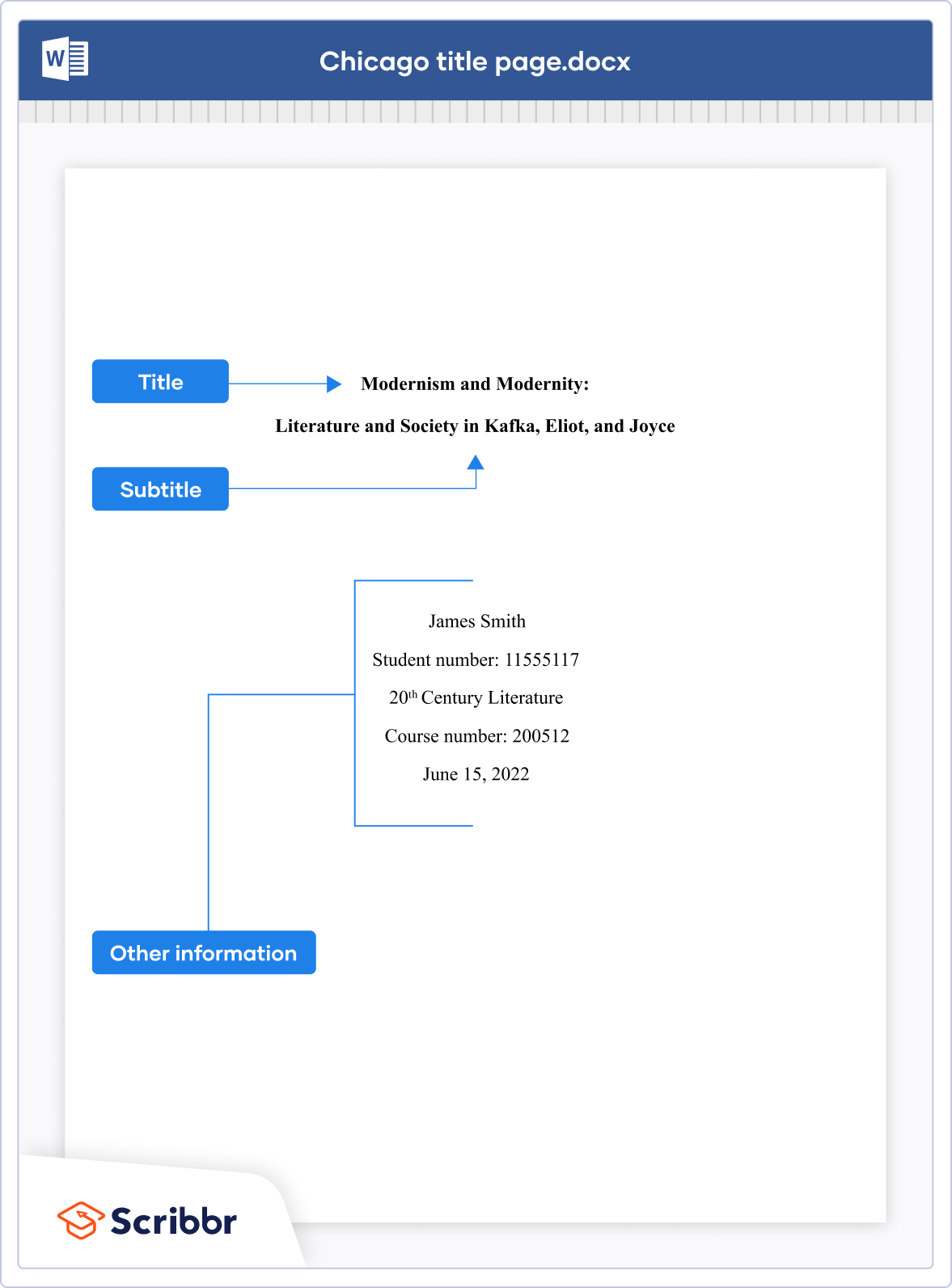
- Title Page: While not always mandatory, a title page is common for academic papers. It should include the full title of the paper, your name, the course name and number, the instructor’s name, and the date. The title should be centered and prominently placed on the page.
- Headings and Subheadings: Use headings and subheadings to organize your paper logically and guide the reader through your argument. Chicago style does not prescribe a rigid hierarchy of headings, but consistency is key. Typically, main section titles are centered and capitalized, while subheadings might be left-aligned and italicized or underlined. It’s advisable to consult your instructor or publisher for specific heading level requirements.
Textual Elements and Presentation
Beyond the basic page setup, Chicago style dictates how various textual elements should be presented to maintain clarity and adherence to scholarly conventions.
Paragraphs and Indentation
Begin each new paragraph with an indentation of approximately 0.5 inches (or one tab stop). Avoid extra spacing between paragraphs unless explicitly instructed otherwise. Consistency in indentation is crucial for a polished look.
Block Quotations
When quoting more than four or five lines of text (check your specific guide or instructor’s preference for the exact number), you should format it as a block quotation. This means:
- Start the quotation on a new line.
- Indent the entire block quotation 0.5 inches from the left margin.
- Do not use quotation marks around the block quotation.
- Double-space the block quotation, just like the rest of the text.
- Place the citation (note or author-date) after the final punctuation of the quotation.
Figures and Tables
If your paper includes figures (images, charts, graphs) or tables, they should be clearly labeled and referenced in the text. Each figure and table should have a number and a descriptive title. Captions or notes for figures and tables should be placed directly below them, following Chicago style guidelines for their formatting and citation.
Footnotes and Endnotes (Notes-Bibliography System)
In the notes-bibliography system, you will use either footnotes (appearing at the bottom of the page) or endnotes (appearing at the end of the paper or chapter).
- Footnotes/Endnotes: When you cite a source or make a reference to external material, insert a superscript Arabic numeral in the text immediately following the punctuation of the sentence or clause to which the note refers. The corresponding note (numbered sequentially) will appear at the bottom of the page (footnote) or at the end of the paper (endnote).
- First Reference: The first time you cite a particular source, the note should include full bibliographic information. This typically includes author’s name, title of the work (italicized), publication details (city, publisher, year), and page number(s).
- Subsequent References: For subsequent citations of the same source, you can use a shortened form, typically consisting of the author’s last name, a shortened title, and the page number. Alternatively, the term “ibid.” can be used for consecutive references to the same source, but it’s often discouraged for its potential for confusion.
In-Text Citations (Author-Date System)
In the author-date system, you provide brief parenthetical citations directly within the text.
- Format: The citation typically includes the author’s last name, followed by the year of publication and the page number (if applicable) in parentheses, e.g., (Smith 2023, 45).
- Placement: The parenthetical citation is usually placed at the end of the sentence or clause containing the borrowed material, just before the final punctuation.
- When Author is Mentioned: If the author’s name is already mentioned in the text, you only need to include the year and page number in parentheses, e.g., As Smith argues (2023, 45)…
The Bibliography or Reference List
Both systems require a concluding section that lists all the sources cited in the paper.
Bibliography (Notes-Bibliography System)
A bibliography lists all sources consulted in preparing the paper, not just those cited. It is alphabetized by the author’s last name.
- Title: The heading should be “Bibliography” and centered at the top of the page.
- Entries: Each entry should be formatted according to the specific Chicago style guidelines for the type of source (book, journal article, website, etc.). Generally, entries are block-formatted with a hanging indent, meaning the first line of each entry is flush with the left margin, and subsequent lines are indented.
- Order: Entries are alphabetized by the author’s last name. If a source has no author, alphabetize it by the first significant word of the title.
Reference List (Author-Date System)
A reference list, as used in the author-date system, typically includes only the sources that were actually cited in the text.
- Title: The heading should be “References” and centered at the top of the page.
- Entries: Similar to the bibliography, entries are block-formatted with a hanging indent and alphabetized by the author’s last name. The formatting of individual entries aligns with Chicago’s guidelines for different source types.
Specific Formatting for Different Source Types
The complexity of Chicago style lies in its detailed rules for formatting various types of sources. While a comprehensive list is beyond the scope of this overview, understanding the general principles for common sources is essential.
Books
- Notes-Bibliography System:
- First Note: Author Last Name, First Name. Title of Book. Place of Publication: Publisher, Year. Page number.
- Bibliography Entry: Author Last Name, First Name. Title of Book. Place of Publication: Publisher, Year.
- Author-Date System:
- In-Text: (Author Last Name Year, page number)
- Reference List Entry: Author Last Name, First Name. Year. Title of Book. Place of Publication: Publisher.
Journal Articles
- Notes-Bibliography System:
- First Note: Author First Name Last Name, “Title of Article,” Title of Journal Volume, no. Issue (Year): page number.
- Bibliography Entry: Author First Name Last Name. “Title of Article.” Title of Journal Volume, no. Issue (Year): page range.
- Author-Date System:
- In-Text: (Author Last Name Year, page number)
- Reference List Entry: Author First Name Last Name. Year. “Title of Article.” Title of Journal Volume (Issue): page range.
Websites and Online Sources
Formatting for online sources can vary widely depending on the type of content.
- Notes-Bibliography System:
- First Note: Author First Name Last Name, “Title of Web Page,” Title of Website, publication or last modified date (if available), accessed Month Day, Year, URL.
- Bibliography Entry: Author Last Name, First Name. “Title of Web Page.” Title of Website. Publication or last modified date (if available). Accessed Month Day, Year. URL.
- Author-Date System:
- In-Text: (Author Last Name Year, page number or paragraph number if applicable)
- Reference List Entry: Author Last Name, First Name. Year. “Title of Web Page.” Title of Website. Publication or last modified date (if available). Accessed Month Day, Year. URL.
When dealing with online sources, prioritize the most stable information available, such as a publication date or last modified date. If no author is listed, begin with the title of the page. If no date is available, use “n.d.” for “no date.”
Final Review and Consistency
Before submitting your paper, a thorough review is essential.
- Check for Consistency: Ensure that your formatting is consistent throughout the entire document. This includes font, spacing, indentation, heading styles, and citation formats.
- Proofread Carefully: Errors in grammar, spelling, and punctuation can detract from the professionalism of your work.
- Verify Citations: Double-check that every in-text citation corresponds to an entry in your bibliography or reference list, and vice-versa. Ensure that all necessary information is present and correctly formatted in each citation.
- Consult the Manual: For any specific questions or complex formatting challenges, always refer to the latest edition of The Chicago Manual of Style or any supplementary guides provided by your instructor or publisher. Adhering meticulously to these guidelines will result in a well-structured, credible, and professionally presented academic paper, whether you are exploring the ancient ruins of Machu Picchu or analyzing the architectural marvels of Guggenheim Museum.