
Embarking on an entrepreneurial journey, particularly in a vibrant state like Alabama, is an exciting prospect. For globetrotters, digital nomads, and seasoned hospitality professionals alike, the allure of establishing a business in the Heart of Dixie presents unique opportunities. Whether your vision involves opening a charming bed and breakfast near the historic streets of Montgomery, launching a bespoke tour operation exploring the natural beauty of Gulf Shores, or perhaps a luxury travel concierge service catering to visitors in bustling Birmingham, understanding the intricacies of business licensing is paramount. This guide is crafted not just for compliance, but for the discerning lifestyle traveler who seeks to anchor their ventures in a state rich with culture, history, and burgeoning tourism.
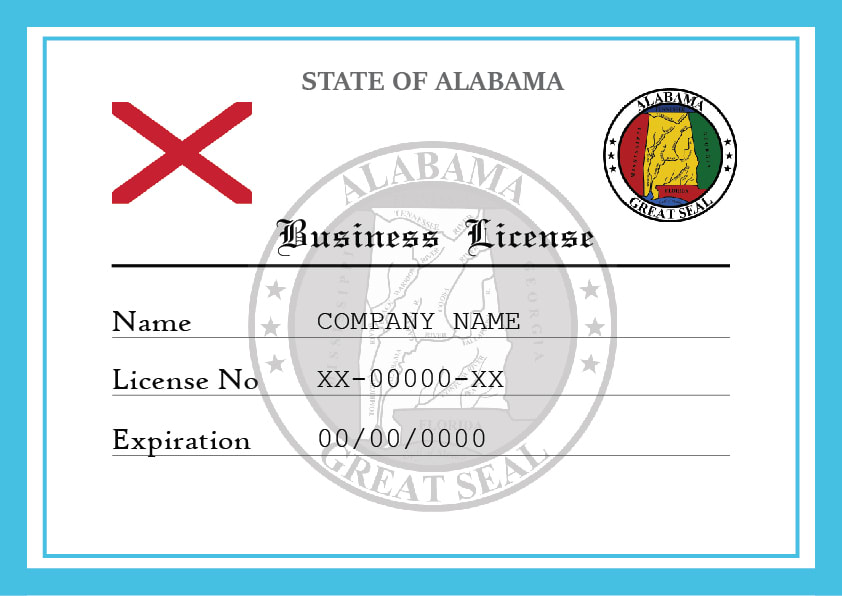
The process of obtaining a business license in Alabama might seem daunting at first glance, but with a structured approach, it becomes a clear path to legitimate operation. It’s a fundamental step that ensures your business adheres to state, county, and municipal regulations, paving the way for smooth transactions, legal protections, and the ability to contribute to Alabama’s growing economy. Think of it as your passport to doing business in this diverse state, enabling you to tap into its unique attractions, from the U.S. Space & Rocket Center in Huntsville to the white sands of Orange Beach. For those who appreciate the blend of historical significance and modern amenities, Alabama offers an exceptional backdrop for business ventures, especially those intertwining with travel, accommodation, and local experiences.
Why Alabama Beckons: A Hub for Entrepreneurial Journeys in Travel & Hospitality
Alabama’s diverse landscape and rich cultural tapestry make it an increasingly attractive destination for both leisure travelers and savvy entrepreneurs. From the Appalachian foothills to the pristine Gulf Coast, the state offers a unique blend of experiences that fuel a robust tourism industry. This natural appeal directly translates into opportunities for businesses focused on hospitality, accommodation, and experiential travel. Starting a business here means tapping into a market that values Southern charm, historical depth, and natural beauty.
For the modern traveler who prioritizes immersive experiences, Alabama presents a compelling argument. Consider the historic sites of the Civil Rights movement in Montgomery and Birmingham, offering profound educational tourism. Or the vibrant arts scene in cities like Florence, a hidden gem for music and culture enthusiasts. Each region of Alabama offers distinct characteristics that can be leveraged by an entrepreneur looking to cater to specific niche markets within the travel and lifestyle sectors.
The Allure of Alabama’s Destinations for New Ventures
The state’s commitment to tourism is evident in its well-maintained attractions and infrastructure. A business focused on lodging might find success in college towns like Auburn or Tuscaloosa, especially during sporting events, catering to alumni and visiting families. Boutique hotels or luxury short-term rentals could thrive near the championship courses of the Robert Trent Jones Golf Trail, attracting high-end clientele.
Furthermore, the natural wonders, from Cheaha State Park to the vast expanses of Bankhead National Forest, create fertile ground for adventure tourism operators, eco-lodges, or even specialized glamping experiences. The coastal cities of Mobile and Dauphin Island draw countless visitors for their beaches, seafood, and historical significance, making them ideal locations for travel agencies specializing in coastal getaways or local food tours. Understanding these regional attractions helps in strategic business planning and, consequently, in identifying the specific licenses you might need.
Navigating the Essentials: Initial Steps for Your Alabama Business
Before delving into the specifics of state, county, and city licenses, there are foundational steps every entrepreneur must undertake. These initial preparations are critical for any business operating in the United States, and they lay the groundwork for a smooth licensing process in Alabama. This phase is about defining your business identity and ensuring you meet federal and state prerequisites.
Choosing Your Business Structure and Federal Registrations
One of the first decisions you’ll make is selecting the legal structure for your business. Common structures include Sole Proprietorship, Partnership, Limited Liability Company (LLC), or Corporation. This choice impacts your liability, taxation, and administrative requirements. For example, many travel and accommodation startups opt for an LLC due to its balance of liability protection and simplified taxation. Once you’ve decided, you’ll typically need to register your business name with the Alabama Secretary of State. This step is crucial for establishing your business’s legal identity and ensuring your chosen name is available and compliant.
Following the establishment of your legal structure, securing a Federal Employer Identification Number (EIN) from the Internal Revenue Service (IRS) is essential, even if you don’t plan to hire employees immediately. An EIN acts like a social security number for your business, necessary for opening bank accounts, filing federal and state taxes, and applying for many business licenses. Think of it as your business’s federal identification card, a prerequisite for almost any official transaction. This federal groundwork ensures your business is recognized at the highest levels, preparing you for state-specific requirements.
State-Level Licensing: The Foundation of Your Operation
Once your federal and initial state registrations are complete, attention turns to Alabama’s specific state-level business license requirements. The primary state agency involved is the Alabama Department of Revenue. Most businesses will need a “privilege license” from the state, which is a general license required to conduct business operations within Alabama. This is a broad category, and the specific fees and classifications often depend on the nature of your business.
For those planning to open a hotel, resort, or even a short-term rental property, there may be specific state licenses related to hospitality and lodging. For instance, the collection and remittance of state sales tax and lodging tax are handled through the Alabama Department of Revenue. Understanding these tax obligations is a critical component of state-level compliance and often goes hand-in-hand with obtaining your state privilege license. For businesses dealing with food or beverages, additional permits from the Alabama Department of Public Health might be required, ensuring compliance with health and safety standards that are non-negotiable for customer-facing operations.
Local Licenses: County and City Requirements for Seamless Operation
Beyond state-level mandates, operating a business in Alabama necessitates compliance with local regulations at both the county and municipal levels. These local licenses are crucial as they address specific zoning, public safety, and revenue generation needs unique to each geographic area. Overlooking these can lead to fines, operational shutdowns, and significant hurdles for your venture. The beauty of local licensing is that it tailors regulations to the unique character of communities, from the bustling port city of Mobile to the serene landscapes around Decatur.

Understanding County-Specific Business Licenses
Every county in Alabama requires businesses operating within its jurisdiction to obtain a county business license, often referred to as a “probate license.” This license is typically issued through the Office of the Probate Judge in the county where your business is physically located or where its principal operations occur. The fees for these licenses can vary significantly from county to county and are often based on your business type, gross receipts, or the number of employees.
For instance, a tour operator based in Baldwin County (home to popular tourist destinations like Gulf Shores and Orange Beach) will have different licensing requirements and fee structures than a boutique hotel in Madison County (where Huntsville is located). It’s essential to directly contact the Probate Judge’s office in your specific county to understand their exact requirements, application forms, and fee schedules. Many counties now offer online portals for application, streamlining the process for busy entrepreneurs who might be managing their business while on the go.
City-Specific Licenses: Your Local Gateway to Business
In addition to county licenses, most incorporated cities and towns in Alabama mandate their own municipal business licenses. These are typically obtained through the City Clerk’s office or a dedicated revenue department within the city government. Similar to county licenses, city licenses ensure that your business complies with local ordinances, zoning laws, and contributes to municipal services.
Consider a charming bed and breakfast established in the historic downtown of Birmingham. Not only would it need state and county licenses, but also a specific Birmingham city business license. This local license might involve inspections for fire safety, adherence to historical preservation guidelines, and specific zoning approvals for operating a lodging facility in a residential or commercial district. The application process will involve submitting forms, potentially undergoing inspections, and paying a fee, which can also vary based on the business type and projected revenue. For those opening a travel agency in a bustling urban center or a quaint gift shop in a small tourist town, these city licenses are non-negotiable and represent your final layer of local compliance. Always consult the specific city’s official website or revenue office for the most accurate and up-to-date information.
Specialized Licenses for Travel, Tourism, and Accommodation Ventures
The travel and hospitality industry, being highly regulated for consumer safety and quality of service, often requires additional specialized licenses beyond the general state, county, and city requirements. For the lifestyle entrepreneur focused on creating unforgettable experiences, understanding these niche permits is critical for legal operation and building trust with clients. These licenses address specific aspects of your business, ensuring that your offerings meet industry standards and regulatory oversight.
Licenses for Hotels, B&Bs, and Vacation Rentals
If your business involves providing lodging, such as operating a hotel, motel, resort, bed and breakfast (B&B), or even a short-term vacation rental property, you will encounter specific licensing and permitting requirements. In Alabama, lodging establishments are typically subject to regulation by the Alabama Department of Public Health, which issues permits to ensure compliance with health and sanitation standards. These permits usually involve regular inspections to maintain guest safety and comfort.
Furthermore, these establishments are often responsible for collecting and remitting lodging taxes, sometimes referred to as occupancy or transient taxes. These taxes are levied at the state, county, and often city levels, and specific permits or registrations with the respective tax authorities (Alabama Department of Revenue, county tax collectors, and city revenue departments) are required to legally collect and remit these funds. For instance, a luxury resort in Orange Beach would navigate a complex web of state lodging taxes, Baldwin County occupancy taxes, and Orange Beach municipal lodging taxes. Even small B&Bs or vacation rental hosts operating via platforms like Airbnb are generally subject to these same tax obligations and corresponding registrations.
Operating Tour Services and Travel Agencies
For those passionate about curating travel experiences, starting a tour service or a travel agency involves its own set of considerations. While the United States generally does not require a federal license for travel agencies, some states, including Alabama, might have specific consumer protection laws or registration requirements for sellers of travel. It’s crucial to check with the Alabama Attorney General’s Office or the Alabama Department of Revenue to ascertain if any specific registrations are needed for travel sellers or tour operators to protect consumers.
Tour operators, especially those offering specialized activities like guided fishing trips in Dauphin Island, whitewater rafting on the Coosa River, or historical walking tours in Montgomery, may also need permits related to their specific activities. This could involve permits from park services if operating on public lands (e.g., State Parks Division of the Alabama Department of Conservation and Natural Resources) or professional licenses if the activity requires specialized skills (e.g., a licensed fishing guide). Ensuring all guides are properly licensed and that the business has adequate liability insurance is also paramount for safety and legal compliance. These specialized licenses reflect a commitment to professionalism and safety, qualities that resonate deeply with discerning travelers.
Sustaining Your Enterprise: Renewals, Compliance, and Growth
Obtaining your initial business licenses is a significant milestone, but it’s just the beginning. Sustaining a successful business in Alabama, especially in the dynamic travel and hospitality sectors, requires ongoing vigilance regarding renewals, compliance with evolving regulations, and strategic planning for growth. Think of it as maintaining your travel itinerary – continuous checks ensure a smooth journey.
Staying Compliant: Annual Renewals and Ongoing Obligations
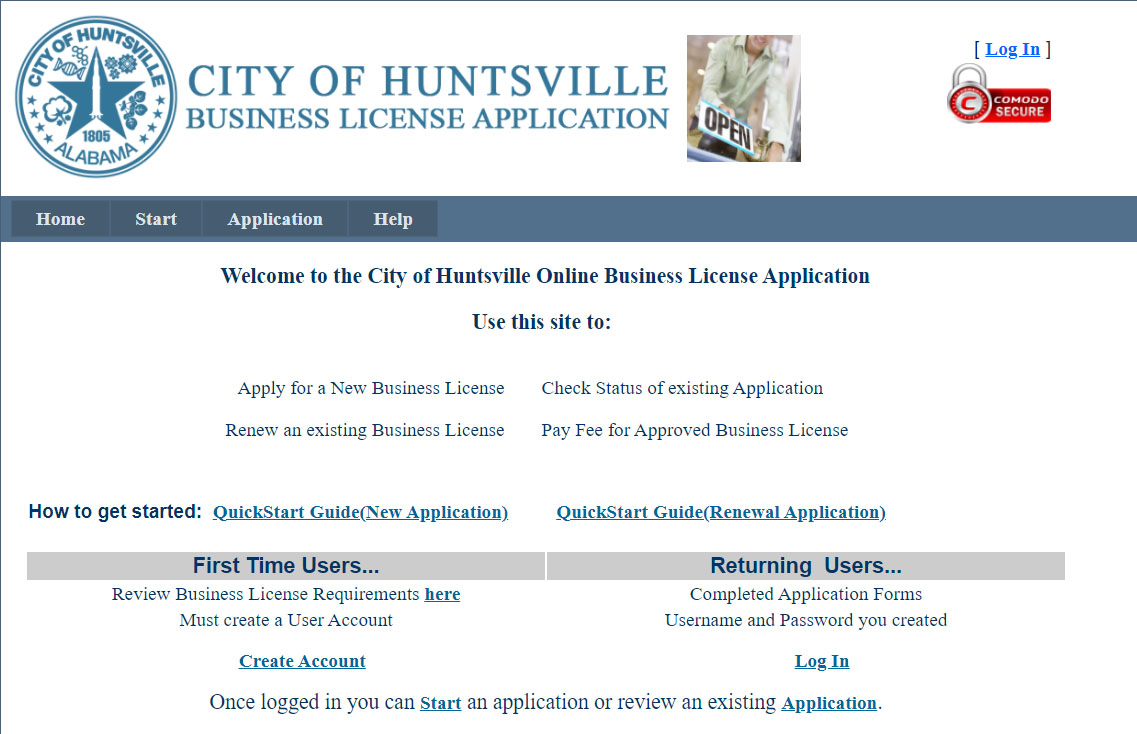
Most business licenses in Alabama—whether state, county, or city—are not permanent. They typically require annual renewal. The renewal dates can vary: some align with the calendar year, while others might be based on the anniversary of your initial application or the fiscal year. Missing a renewal deadline can result in late fees, penalties, and even temporary suspension of your business operations, which can be particularly detrimental for a seasonal travel business.
It is highly recommended to create a detailed calendar or use a digital reminder system to track all renewal dates. Keep meticulous records of all your licenses, permits, and their expiration dates. Beyond renewals, staying compliant also means adhering to all relevant tax laws, zoning regulations, and industry-specific standards. For instance, if you operate a hotel, regular health and safety inspections will continue to be a part of your operational landscape. Remaining updated on changes to tax rates, local ordinances, or state statutes is vital for long-term operational integrity and reputation within the community, ensuring your business stays on course to welcome travelers for years to come.
In conclusion, embarking on a business venture in Alabama is an exciting proposition for the entrepreneurial spirit. While the process of obtaining business licenses involves navigating various levels of government—federal, state, county, and city—it is a clear and manageable path with diligent effort. By understanding the foundational steps, recognizing the specific requirements for your chosen industry (especially in travel, tourism, and accommodation), and committing to ongoing compliance, you can successfully launch and grow your business in the Heart of Dixie. This journey of licensing is not merely about adhering to regulations; it’s about establishing a legitimate, trusted, and thriving enterprise that contributes to Alabama’s vibrant economy and enriches the experiences of countless visitors.
LifeOutOfTheBox is a participant in the Amazon Services LLC Associates Program, an affiliate advertising program designed to provide a means for sites to earn advertising fees by advertising and linking to Amazon.com. Amazon, the Amazon logo, AmazonSupply, and the AmazonSupply logo are trademarks of Amazon.com, Inc. or its affiliates. As an Amazon Associate we earn affiliate commissions from qualifying purchases.