
Florida, often dubbed the Sunshine State, is a vibrant tapestry of pristine beaches, world-renowned theme parks, and bustling metropolitan areas. It’s a premier destination for travelers seeking diverse experiences, from the thrilling rides of Orlando’s resorts to the vibrant nightlife of Miami. For entrepreneurs and aspiring business owners, this constant influx of tourism, coupled with a growing residential population, presents a fertile ground for new ventures. Whether you dream of opening a charming boutique hotel on the coast, launching a unique tour experience through the Everglades National Park, managing a portfolio of luxury vacation rentals, or establishing a lifestyle brand, Florida offers unparalleled opportunities. However, turning that dream into a tangible reality requires more than just a brilliant idea and capital; it demands adherence to the legal framework governing businesses within the state, chief among these being obtaining the appropriate business licenses. This comprehensive guide will walk you through the essential steps and considerations for securing a business license in Florida, with a particular focus on ventures aligned with travel, hospitality, and lifestyle. Understanding this process is a foundational step towards legitimacy, compliance, and ultimately, success in one of the nation’s most dynamic markets.
Why Launch Your Business in Florida?
Florida’s allure extends far beyond its picturesque landscapes; it’s an economic powerhouse, especially within the tourism and hospitality sectors. The state consistently ranks among the top travel destinations globally, attracting millions of visitors annually. This robust tourism, coupled with pro-business policies and the lack of a state income tax, creates a fertile ground for entrepreneurs in hospitality and lifestyle sectors. Major hubs like Tampa and Fort Lauderdale, alongside charming coastal towns like Sarasota and the historic streets of St. Augustine, offer diverse opportunities for new ventures.
Before delving into licensing, it’s crucial to identify your business niche. Are you envisioning a luxury resort near Naples, a budget-friendly hostel in St. Petersburg’s vibrant arts district, or an eco-adventure tour company in the Florida Keys? Perhaps a digital nomad hub providing long-term accommodation in Jacksonville? Each of these will have distinct licensing requirements. Defining your unique value proposition will not only refine your business plan but also streamline the licensing process by clarifying which regulations apply to your specific operation.
Navigating Florida’s Multi-Tiered Licensing System
Obtaining a business license in Florida is a multi-layered process, involving federal, state, county, and city requirements, dependent on your business type, location, and services offered. Approaching this systematically ensures compliance and avoids potential fines or operational interruptions.
Federal and State Foundations
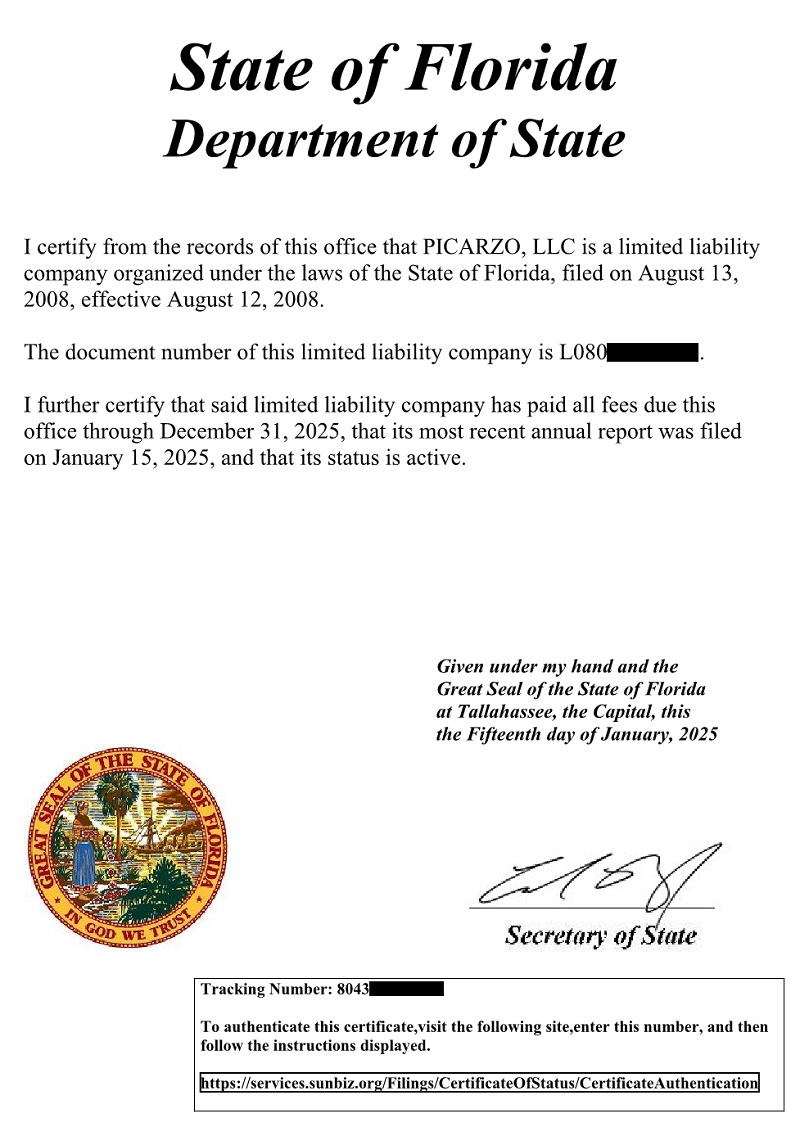
Federal permits apply to specific activities like international travel services, but for most hospitality, travel, and lifestyle ventures in Florida, the primary focus begins at the state level. The initial step is typically establishing your legal structure with the Florida Department of State, Division of Corporations. This involves choosing and registering your business name and entity type (e.g., LLC, Corporation) and appointing a registered agent. An Employer Identification Number (EIN) from the IRS is also essential if you plan to hire employees or operate as a corporation/partnership.
The Florida Department of Business and Professional Regulation (DBPR) is critical for many sectors, overseeing various professions and businesses, particularly within hospitality. Hotels, motels, and public lodging establishments, as well as restaurants and bars (e.g., in South Beach), are licensed and regulated by the DBPR’s Division of Hotels and Restaurants. Furthermore, almost all businesses selling goods or taxable services in Florida must register with the Florida Department of Revenue to collect and remit sales tax. If you have employees, registration for unemployment tax with the Florida Department of Economic Opportunity and compliance with workers’ compensation insurance are also mandatory.
Local Level: County and City Specifics
Beyond state mandates, local licenses and permits from the specific county and city of operation are almost universally required and can vary significantly.
County Level: Nearly every business in Florida needs a County Local Business Tax Receipt from the county tax collector. This general license grants the right to operate within that county. For example, a vacation rental management company in Collier County (home to Naples) would require one. Counties like Miami-Dade County or Orange County (where much of Orlando’s tourism thrives) often have additional specific regulations for certain business types, including zoning permits, fire safety inspections, and health department approvals.
City Level: Most cities also require their own Local Business Tax Receipt, in addition to the county’s. A business operating within the city limits of Key West, for example, will need a city license alongside its Monroe County license. City regulations often delve into more granular details, such as signage ordinances, parking requirements, and specific zoning laws. For a unique café in St. Petersburg’s historic downtown, or a paddleboard rental service near Fort Myers Beach, understanding these city-specific rules is paramount. Always contact the city’s planning department or business licensing office directly.
Essential Industry-Specific Licenses for Tourism & Lifestyle Businesses
The unique economic landscape of Florida, heavily influenced by tourism and lifestyle, means businesses in these sectors face distinct regulatory considerations beyond general licenses.
Accommodation & Short-Term Rentals
Operating a short-term rental (often defined as stays under 30 days) is subject to both state and local regulations. At the state level, these properties are considered “public lodging establishments” and must obtain a license from the Florida Department of Business and Professional Regulation, Division of Hotels and Restaurants. This applies to vacation homes, apartments, and condos offered for rent.
Beyond state mandates, many counties and cities have enacted their own specific ordinances. Miami Beach, for instance, has very strict rules and limited zones where short-term rentals are permitted, often imposing hefty fines for non-compliance. Popular tourist destinations like Destin in the Florida Panhandle or parts of Kissimmee near Walt Disney World Resort have specific zoning, permitting, and tax collection requirements for short-term rentals. These often include the collection of local Tourist Development Taxes (TDT), also known as bed taxes. Thorough research into the specific municipal and county rules where your property is located is non-negotiable.
Tour Operators & Experience Providers
For businesses that craft experiences – from guided fishing trips in Key Largo to historical walking tours in St. Augustine or airboat rides through central Florida’s wetlands – several considerations beyond standard business licenses apply. Depending on the activity, specific certifications or permits related to environmental protection, maritime operations (e.g., U.S. Coast Guard licensing for charter boats), or even wilderness guiding may be required.
Liability insurance is paramount for any business providing physical activities or transportation; it’s often a prerequisite for obtaining permits and is essential for protecting your business and customers. Cities with bustling tourism, such as Clearwater or Fort Walton Beach, may also have specific permits for operating on public beaches, parks, or waterways, including permits for concessions or equipment rentals. Ensuring compliance with accessibility standards, particularly for businesses catering to diverse tourist groups visiting attractions like Universal Studios Florida or Busch Gardens Tampa Bay, is also a crucial aspect of responsible operation. Additionally, businesses catering to families, such as children’s activity centers within resorts or summer camps, require licensing from the Florida Department of Children and Families (DCF).
Staying Compliant and Thriving in Florida
Obtaining a business license in Florida is an intricate but entirely manageable process, particularly when approached with diligence and foresight. By understanding the multi-tiered requirements—from state entity registration to specific local permits—entrepreneurs in the travel, hospitality, and lifestyle sectors can lay a solid foundation for their ventures. The Sunshine State offers immense potential for growth and success, attracting millions of visitors and residents eager for new experiences. Navigating the licensing landscape effectively is not just about legal compliance; it’s about safeguarding your investment, building trust with your clientele, and ensuring your business contributes positively to Florida’s vibrant economy. With careful planning and adherence to regulations, your dream business in Florida can thrive, becoming another shining example of the state’s enduring allure.
