
The allure of a new career path, one that promises both financial stability and the freedom of the open road, often begins with a Commercial Driver’s License (CDL). For many aspiring drivers in Florida, the prospect of obtaining this crucial credential is exciting, yet the associated costs can seem daunting. Training programs, exam fees, and permits can quickly add up, leaving many wondering if there’s a truly accessible route. Can you really get a CDL license in Florida for free? While the term “free” might require a closer look at the mechanisms involved, the answer is a resounding yes, in many practical senses. This comprehensive guide will explore the avenues available for minimizing or even eliminating the upfront financial burden of CDL training, opening doors to a new lifestyle that blends robust earning potential with unparalleled travel opportunities across America.
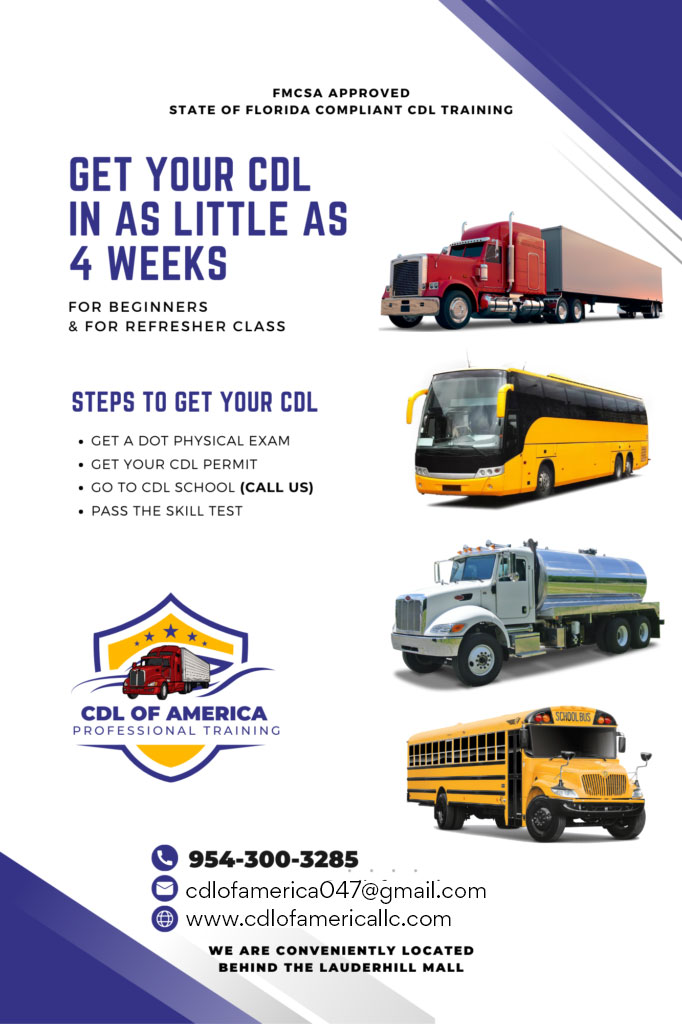
A CDL isn’t just a license; it’s a passport to a distinct lifestyle. Imagine charting routes through diverse landscapes, experiencing the ebb and flow of regional cultures, and making a significant impact on the nation’s supply chain, all while earning a competitive income. This career offers a unique perspective on travel, transforming the journey into the destination. From funding dream vacations and stays in exceptional hotels and resorts to experiencing local tourism firsthand during layovers, a CDL can be the ultimate enabler for those seeking a life rich in experiences. Let’s delve into how you can embark on this journey without breaking the bank.
The Path to a CDL in Florida: Understanding the Basics and the Benefits
Before exploring the “free” aspect, it’s essential to understand what a CDL entails and why it’s such a valuable asset, particularly in a state like Florida with its bustling ports, agricultural centers, and extensive travel routes.
What is a CDL and Why Get One?
A Commercial Driver’s License (CDL) is a specialized driver’s license required to operate large, heavy, or placarded hazardous material vehicles in commercial interstate or intrastate commerce. There are three primary classes of CDLs, each dictating the types of vehicles an individual is qualified to operate:
- Class A CDL: The most comprehensive license, allowing you to drive any combination of vehicles with a Gross Combination Weight Rating (GCWR) of 26,001 pounds or more, provided the Gross Vehicle Weight Rating (GVWR) of the vehicle(s) being towed is more than 10,000 pounds. This includes tractor-trailers, truck and trailer combinations, and flatbeds. A Class A CDL opens up the broadest range of job opportunities, particularly for long-haul and cross-country routes.
- Class B CDL: Permits the operation of a single vehicle with a GVWR of 26,001 pounds or more, or a vehicle towing another vehicle with a GVWR of 10,000 pounds or less. This covers many buses (city, school, tour), straight trucks, box trucks, and dump trucks.
- Class C CDL: For vehicles designed to transport 16 or more passengers (including the driver), or vehicles used to transport hazardous materials, provided they do not meet the criteria for a Class A or B CDL. Examples include small hazardous materials trucks or passenger vans.
The “why” is equally compelling. Beyond the immediate job security and high demand for qualified drivers, a CDL unlocks an unparalleled opportunity for travel and a distinct lifestyle. Truck drivers traverse the entire country, witnessing diverse landscapes from the sunny coasts of Florida to the mountains of the Pacific Northwest and the deserts of the Southwest. This constant movement offers an intimate connection to America’s vastness, providing unique cultural insights and exposure to countless landmarks and attractions along the way. For those with a passion for exploration, a CDL career can become a paid adventure, allowing you to experience destinations that others only dream of, often with significant downtime to explore local tourism and accommodations.
Eligibility Requirements for a Florida CDL
Before embarking on the journey to a “free” CDL, it’s crucial to ensure you meet the fundamental eligibility criteria set by the Florida Department of Highway Safety and Motor Vehicles (FLHSMV):
- Age: You must be at least 18 years old to drive a commercial motor vehicle within Florida (intrastate commerce). For interstate commerce (driving across state lines), the minimum age requirement is 21 years old.
- Driver’s License: Possess a valid, non-commercial Florida driver’s license.
- Medical Requirements: Pass a Department of Transportation (DOT) physical examination administered by a certified medical examiner. This ensures you are physically fit enough to safely operate a commercial vehicle. You will receive a Medical Examiner’s Certificate, which must be kept with your CDL.
- Driving Record: Have a relatively clean driving record. Serious traffic violations, disqualifying offenses, or multiple minor infractions can hinder your eligibility.
- Proof of Identity and Residency: Provide documents proving your identity, legal presence, and Florida residency.
- Social Security Number: You will need to provide your Social Security Number.
Meeting these prerequisites is the first step towards obtaining your CDL, whether you pursue a paid or “free” training route.
Is “Free” Really Possible? Exploring Cost-Saving Avenues
The concept of a “free” CDL often conjures images of hidden fees or compromised quality. However, several legitimate pathways exist in Florida that can significantly reduce or even eliminate your upfront out-of-pocket expenses for CDL training and licensing. These avenues typically involve some form of commitment or eligibility criteria, but for many, they represent a game-changing opportunity.
Company-Sponsored CDL Training Programs
This is arguably the most common and effective route to a “free” CDL. Many large trucking companies, facing a persistent shortage of qualified drivers, invest in their own training programs or partner with established CDL schools to recruit and train new talent. Here’s how it generally works:
- The Model: Companies will sponsor your CDL training, covering the tuition fees, testing costs, and sometimes even providing a modest stipend for living expenses during the training period. In exchange, you commit to working for that company for a predetermined period (e.g., 6-12 months) upon successful completion of your training and obtaining your CDL.
- Pros:
- Zero Upfront Cost: The most significant benefit is that you don’t pay anything out of pocket for the training.
- Guaranteed Job: Upon graduation and licensure, you typically have a job waiting for you, removing the stress of job searching.
- Structured Training: These programs are often highly structured, designed to get you road-ready quickly and efficiently.
- Industry Connections: You gain immediate entry into the industry with a reputable employer.
- Cons:
- Contractual Obligation: Breaking your contract early may require you to repay the training costs.
- Limited Choice: You may not have a say in the specific routes, types of freight, or initial pay scales compared to independent job hunting.
- Training Location: While you might start in Florida, some larger companies might require you to travel to their dedicated training facilities in other states for a portion of the program.
Prominent trucking companies known for offering company-sponsored CDL training include Swift Transportation, Schneider, CRST Expedited, and Werner Enterprises. These companies operate nationally and are always looking for new drivers, providing excellent opportunities for those looking to see America while earning a steady income. Many even have regional hubs or recruiting offices throughout Florida, making initial contact and application straightforward.
Government Grants and Workforce Development Programs
Florida and the federal government recognize the critical need for skilled labor, including commercial truck drivers. As such, various grants and workforce development initiatives are often available to help eligible individuals access vocational training, including CDL programs.
- Workforce Florida and CareerSource Florida: Workforce Florida oversees a network of regional CareerSource Florida centers across the state. These centers are designed to help unemployed or underemployed individuals gain new skills. If trucking is identified as a high-demand occupation in your local area, you may qualify for grants that cover the entire cost of CDL training, exam fees, and sometimes even provide support for essentials like transportation or childcare during the training period.
- How to Apply: Visit your local CareerSource Florida office in cities like Orlando, Miami, Tampa, or Jacksonville. An advisor will assess your eligibility based on income, employment status, and other criteria.
- Veterans Benefits: If you are a U.S. military veteran, your GI Bill benefits can often be used to cover the costs of CDL training at approved schools. This is a significant resource for veterans seeking to transition into civilian careers.
- Trade Adjustment Assistance (TAA) Program: For workers whose jobs have been affected by foreign trade, the TAA program might offer assistance for retraining, including CDL programs.
These government-funded programs provide a fantastic opportunity for individuals who meet specific criteria to receive fully funded training without the long-term contractual obligations typically associated with company-sponsored programs. However, competition for these grants can be high, and eligibility requirements are strict.
Tuition Reimbursement and Financial Aid
While not strictly “free” upfront, tuition reimbursement programs offered by employers can effectively make your CDL free in the long run. Some trucking companies might not offer direct sponsorship but will reimburse you for your training costs over your first year or two of employment. This means you pay for the training initially, but the company pays you back in installments.
Traditional financial aid, such as federal student loans, is also available for CDL training at accredited schools. While this isn’t “free,” it can make the upfront cost manageable, and you can pay back the loan once you start earning a good salary in your new career. Many schools in Florida that offer CDL programs are accredited and can process federal financial aid applications.
Navigating the CDL Training and Testing Process
Once you’ve identified a pathway to funding your CDL, the next step involves the actual training and testing. Even with “free” training, selecting the right school and understanding the examination process are critical for success.
Choosing the Right CDL Training School in Florida
Whether you’re enrolling in a company-sponsored program or using a grant, the quality of your training significantly impacts your readiness for the road. When evaluating CDL schools in Florida, consider the following:
- Accreditation and Reputation: Ensure the school is accredited and has a good reputation for producing competent drivers. Look for reviews and testimonials.
- Curriculum: A comprehensive curriculum should cover classroom instruction (rules, regulations, safety), hands-on yard skills (maneuvering, backing), and extensive on-road driving experience.
- Equipment: The school should have a modern, well-maintained fleet of trucks and trailers that are representative of what you’ll be driving in the industry.
- Instructor Experience: Experienced and patient instructors are invaluable.
- Pass Rates: Inquire about the school’s CDL exam pass rates. A high pass rate indicates effective teaching.
- Location and Schedule: Consider schools in convenient locations like Orlando, Miami, Tampa, or Jacksonville, and look for schedules that fit your lifestyle (e.g., day, evening, or weekend classes).
- Job Placement Assistance: Many good schools offer job placement services, connecting graduates with reputable trucking companies.
The CDL Exam Components
The CDL examination in Florida is rigorous and designed to ensure only qualified and safe drivers operate commercial vehicles. It consists of three main parts:
- General Knowledge Test: This written exam covers general knowledge of CDL rules and regulations, safe driving practices, air brakes, and combination vehicles. Adequate study of the Florida CDL manual is crucial here.
- Skills Test (Pre-Trip Inspection, Basic Controls, Road Test):
- Pre-Trip Inspection: You’ll be required to demonstrate a thorough inspection of the vehicle, identifying various components and explaining their function to the examiner. This ensures you can identify potential safety issues before driving.
- Basic Vehicle Control Skills Test: This portion evaluates your ability to maneuver the commercial vehicle in various situations, such as backing into a dock, parallel parking, or making tight turns.
- On-Road Driving Test: The final segment is a practical driving test on public roads, where your ability to safely operate the vehicle in real-world traffic conditions is assessed. This includes demonstrating proper shifting, turning, lane changes, braking, and adherence to traffic laws.
Passing these tests requires diligent study, extensive practice, and confidence. A good training program will prepare you thoroughly for each section, increasing your chances of success on the first attempt.
A CDL in Florida: Opening Doors to New Lifestyles and Travel
Beyond the immediate goal of securing a job, obtaining a CDL in Florida can fundamentally transform your lifestyle, offering unique travel experiences and the financial means to pursue your passions.
The Freedom of the Open Road
For many, the appeal of truck driving lies in the unparalleled sense of freedom it offers. As a commercial driver, your office is the highway, with ever-changing scenery outside your window. You become an essential part of America’s economic backbone, delivering goods that sustain communities. This career allows you to witness the diversity of the country firsthand, from the stunning coastal routes of Florida and California to the majestic mountain passes of Colorado and the vast plains of the Midwest.
Every journey is an opportunity for discovery. You’ll become intimately familiar with regional quirks, local eateries, and unique landmarks that most tourists only see in guidebooks. Whether you choose long-haul (Over The Road – OTR) routes that take you across the country for weeks at a time or regional routes that keep you closer to home, the life of a truck driver is far from monotonous. It’s a career for those who thrive on independence and embrace the journey as much as the destination.
Earning Potential and Funding Your Adventures
The demand for CDL holders ensures competitive salaries, making truck driving a financially rewarding career. Entry-level drivers in Florida can expect to earn a solid income, which increases significantly with experience, specialized endorsements (like hazmat or tanker), and the type of freight hauled. Many experienced drivers, especially those who become owner-operators, can achieve six-figure incomes.
This robust earning potential directly translates into the ability to fund a desirable lifestyle and ambitious travel goals. Imagine saving for that dream vacation to the Caribbean or a grand tour of Europe, staying in luxury hotels, or enjoying extended stays in boutique apartments and villas. A stable income from trucking can provide the financial security to make these aspirations a reality during your time off. You can also strategically plan your time off to coincide with personal travel, allowing for more meaningful and extended explorations of destinations that pique your interest. The lifestyle can easily pivot from the road warrior to the global tourist, making it an excellent option for those with wanderlust.
Unique Travel Experiences and Accommodation on the Road
While on the road, truck drivers experience a unique side of America. Truck stops evolve into small communities, offering everything from showers and laundromats to restaurants and even barbershops. These hubs become familiar waypoints, where drivers connect, share stories, and recharge.
However, a truck driver’s life isn’t solely confined to truck stops. During off-duty periods or planned layovers, the income from your CDL career allows for comfortable accommodation in traditional hotels or motels, offering a break from the sleeper berth. This blend of professional travel and personal leisure means you can explore local attractions, sample regional cuisine, and immerse yourself in the tourism offerings of various cities and towns you pass through. From exploring the vibrant nightlife of Nashville to hiking trails near national parks, a CDL career gives you unparalleled access to the diverse experiences America has to offer, funding your adventures one mile at a time.
Conclusion
Obtaining a CDL license in Florida without incurring significant upfront costs is not just a dream, but a tangible reality for many aspiring drivers. Through company-sponsored training programs, government grants, workforce development initiatives, and tuition reimbursement options, the path to a “free” CDL is well within reach. While these avenues often come with commitments or eligibility requirements, they represent invaluable opportunities to kickstart a rewarding career.
Beyond the financial benefits and job security, a CDL unlocks a lifestyle rich in travel, freedom, and exploration. It allows you to traverse the diverse landscapes of America, experience local cultures, visit countless landmarks, and earn a substantial income that can fund your most ambitious personal travel and accommodation dreams. If you’re based in Florida and harbor a desire for a dynamic career that pays you to see the world, pursuing a CDL through one of these cost-effective methods could be the first step towards an exciting new chapter of your life. Start exploring these options today and pave your way to the open road.
LifeOutOfTheBox is a participant in the Amazon Services LLC Associates Program, an affiliate advertising program designed to provide a means for sites to earn advertising fees by advertising and linking to Amazon.com. Amazon, the Amazon logo, AmazonSupply, and the AmazonSupply logo are trademarks of Amazon.com, Inc. or its affiliates. As an Amazon Associate we earn affiliate commissions from qualifying purchases.